
Facing a Sudden AC Breakdown: Evaluating Your Next Steps
Your air conditioner just stopped blowing cold air, leaving your house sweltering and forcing you to scramble for reliable home maintenance tips and troubleshooting. In our years of experience serving the local area, we see firsthand how that sudden loss of cooling during peak temperatures immediately triggers stress, especially when you are unsure if the system needs a quick fix or a complete overhaul. Before rushing to conclusions, establishing a panic-free diagnostic framework helps assess the severity of the malfunction. Not every unusual sound or temporary drop in performance requires an emergency dispatch. Understanding the difference between a minor hiccup and a critical failure sets the foundation for knowing when a simple repair is sufficient versus when a full AC installation is necessary.
For expert guidance and comprehensive solutions, learn more about our professional HVAC services.
The Value of an Objective Assessment
When a home cooling system falters, the immediate reaction is often to assume the worst. However, modern air conditioning units are complex networks of electrical and mechanical components, meaning a single tripped sensor can mimic a catastrophic failure. By stepping back and evaluating the symptoms objectively, you protect yourself from making rushed, emotionally driven decisions. A structured approach to diagnosing the issue allows you to communicate effectively with technicians, ensuring they understand exactly what the system is—or isn’t—doing.
The goal is to move from a state of uncertainty to a position of informed decision-making. Knowing how to categorize the symptoms your system displays is the first step in regaining control over your home’s comfort and your maintenance budget.
Diagnostic Thresholds: Safe to Wait vs. Immediate Dispatch
Not all air conditioning problems carry the same level of urgency. Distinguishing between an inconvenience and an emergency prevents unnecessary after-hours service fees and keeps your home safe. Below is a clear, unbiased matrix that helps homeowners categorize their AC issues safely and effectively.
| Symptom Category | Safe to Wait (Schedule Standard Service) | Immediate Dispatch (Emergency Service) |
|---|---|---|
| Airflow & Temperature | Mildly weak airflow or temperatures running 1-2 degrees above the thermostat setting. | Complete loss of airflow during extreme heat or warm air blowing continuously. |
| System Noises | Intermittent humming, rattling from loose panels, or light clicking during startup. | Loud grinding, metal-on-metal screeching, or violent banging from the outdoor unit. |
| Odors & Smells | Musty or dusty smells when the system first turns on after a period of inactivity. | Electrical burning smells, acrid smoke, or strong chemical odors near the vents. |
| Electrical Behavior | A single tripped breaker that resets easily and does not trip again. | A breaker that trips repeatedly, sparking, or a system that refuses to power on at all. |
How Minor Issues Compound Over Time
While an issue might fall into the “Safe to Wait” category today, ignoring it can lead to severe mechanical degradation. For instance, mildly weak airflow often indicates a dirty evaporator coil or a failing blower motor. If left unaddressed, the system must work harder to push air through the home, leading to overheating and eventual compressor failure. What starts as a simple maintenance task can quickly cross the threshold from a minor repair to a scenario requiring a full system replacement.
Monitoring these symptoms closely allows you to track the health of your system. If you find yourself scheduling repairs for “Safe to Wait” issues multiple times a season, the compounding cost and wear on the unit strongly indicate that the equipment is reaching the end of its operational life.

Initial Troubleshooting Steps Before Calling a Professional
Before picking up the phone to schedule a service call, there are several general troubleshooting steps for local service that you can safely perform yourself. These basic checks empower you to resolve simple oversights without crossing into dangerous DIY territory. Never attempt to open sealed electrical panels or handle refrigerant lines, as these require professional licensing and specialized training.
- Check and replace dirty air filters: The most common culprit for weak airflow and system freezing is a clogged filter. The U.S. Department of Energy notes that replacing a dirty, clogged filter with a clean one can lower an air conditioner’s energy consumption by 5% to 15%. Slide the old filter out, hold it up to the light, and if you cannot see light passing through, replace it immediately.
- Verify thermostat settings: It sounds overly simple, but a bumped thermostat is a frequent cause of cooling loss. Ensure the system is set to “cool” rather than just “fan” or “heat.” Additionally, verify that the temperature setpoint is actually lower than the current room temperature. If the screen is blank, replace the batteries before assuming the system is broken.
- Inspect the outdoor unit for blockages: The outdoor condenser needs clear airflow to release the heat removed from your home. Walk outside and check for overgrown shrubs, accumulated leaves, or debris blocking the fins. Carefully clear away any obstructions to ensure at least two feet of clearance around the entire unit.
- Check the electrical panel for a tripped breaker: Power surges or brief overloads can cause the dedicated AC breaker to trip. Locate your main electrical panel and look for a switch that has moved to the middle position. Turn it fully off, then firmly back on. The quick fix rule: If the breaker trips a second time immediately or shortly after resetting, stop. Do not reset it again, as this indicates a serious electrical short that requires professional intervention.
Completing these steps ensures that when a technician does arrive, they can focus on complex mechanical diagnostics rather than charging a service fee for a simple filter swap.
How the Mid-Atlantic Climate Impacts AC Performance
Regional weather patterns heavily influence how hard an HVAC system has to work and what types of failures are most common. In our experience working across the MD/PA/WV tri-state area, our team typically sees that the hot, humid summer weather places a unique and intense burden on home cooling equipment. An air conditioner does not just lower the temperature; it physically removes moisture from the indoor air. When a system begins to fail, its inability to dehumidify the home is often the first and most noticeable diagnostic indicator.
The Danger of Short-Cycling in High Humidity
During peak summer humidity, an improperly sized or failing unit will often “short-cycle”—turning on and off rapidly without completing a full cooling phase. Because it takes time for the evaporator coil to draw moisture out of the air, a system that shuts down too quickly will leave the home feeling cold but uncomfortably clammy. This constant starting and stopping accelerates wear and tear on the compressor and electrical contactors, drastically shortening the equipment’s lifespan.
A pattern we see often is systems failing under this exact pressure. During a stretch of hot and humid summer weather, our technicians helped one local homeowner who experienced a complete system failure because their aging unit could no longer manage the moisture load. A prompt replacement and updated thermostat setup quickly restored their home’s cooling capacity and properly managed the indoor humidity. Extreme weather demands a reliable cooling solution, and understanding how the local climate stresses your equipment helps explain why certain components fail prematurely.
Age and Efficiency: The 10-to-15 Year Lifespan Rule
When evaluating whether to repair a broken system, age is one of the most objective data points available. According to the U.S. Department of Energy, central air conditioners typically last 10 to 15 years. Once a unit crosses the decade mark, its mechanical reliability and energy efficiency begin to drop significantly, even with regular maintenance.
Understanding the Financial Tipping Point
Homeowners often struggle with the decision to invest in a major repair on an older unit. The general rule of thumb is to evaluate the cost of the repair multiplied by the age of the equipment. If a system is 12 years old and requires a costly compressor replacement, pouring that capital into aging machinery is rarely a sound financial decision. Frequent minor repairs also add up quickly, creating a financial tipping point where the cumulative cost of keeping an old system running outweighs the investment in a new, reliable unit.
Modern SEER Ratings vs. Older Units
Efficiency standards have evolved dramatically over the last decade. A 15-year-old air conditioner likely operates at a SEER (Seasonal Energy Efficiency Ratio) of 10 or 12, whereas modern base models start at 14 or 15, with high-efficiency units reaching well into the 20s. This leap in technology means that replacing an aging unit not only resolves the immediate breakdown but also significantly reduces monthly energy consumption. When factoring in the lower utility bills and the elimination of ongoing repair costs, the long-term math often favors upgrading older equipment.
Making the Call: Honest Repair vs. Replacement Decisions
Reaching out to a professional for a system diagnostic can feel intimidating, especially if you fear being pressured into a major purchase. A trustworthy assessment should always prioritize the home’s specific needs over an immediate replacement. At our business, family values dictate that honest, transparent recommendations are the standard, ensuring homeowners fully understand their options without facing aggressive sales tactics.
What a Professional Diagnostic Should Entail
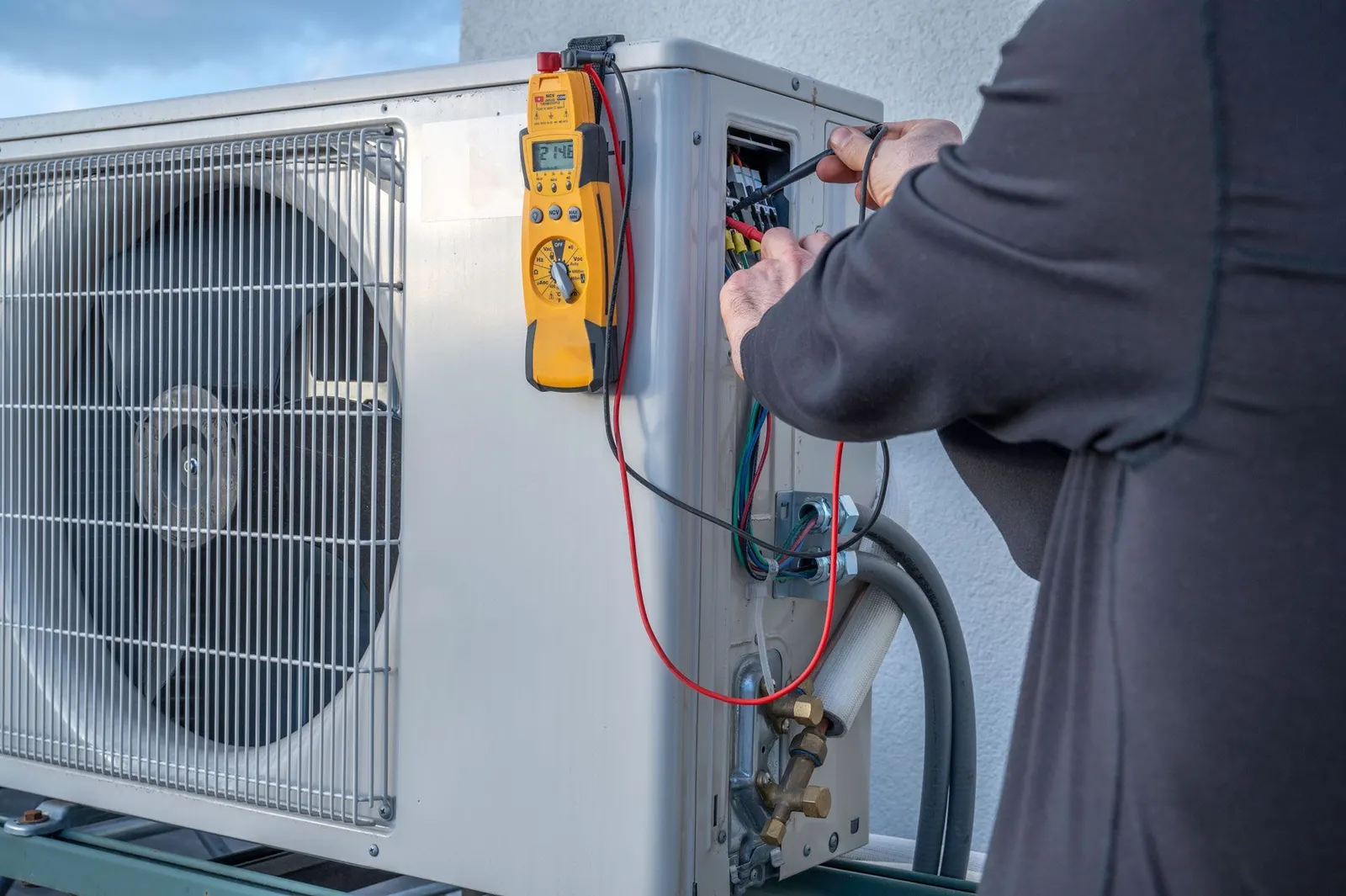
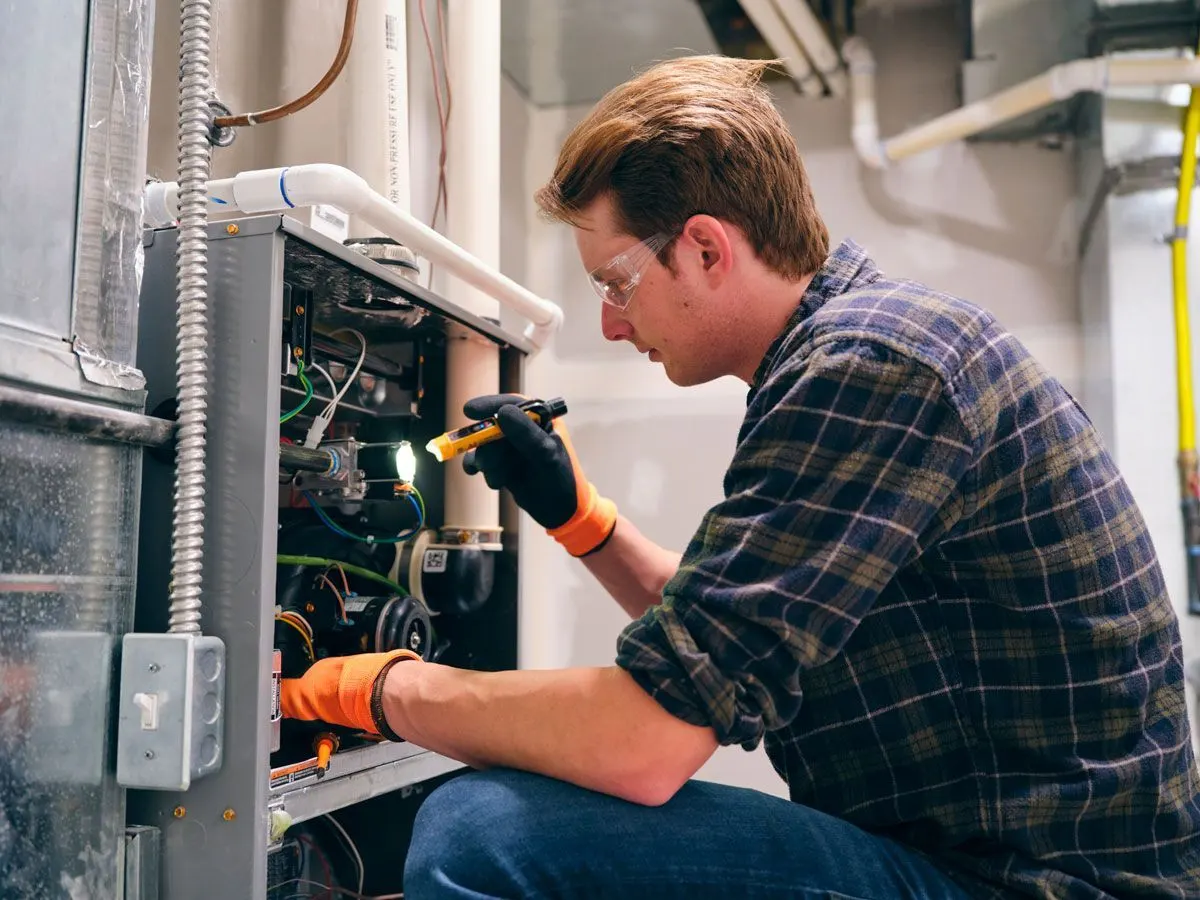
A thorough professional inspection goes far beyond simply turning the unit on and off. A qualified technician will check refrigerant levels, test the electrical draw of the compressor, inspect the ductwork for static pressure issues, and evaluate the integrity of the heat exchanger or evaporator coil. They should provide a clear explanation of what failed, why it failed, and what options exist to fix it.
Over a recent Memorial Day weekend, our team encountered a family who found themselves without air conditioning. One of our technicians quickly identified a warrantable issue, provided a transparent breakdown of the situation, and set up a temporary cooling solution to ease concerns for their small children before subsequently installing the necessary new parts. This level of transparency is what you should expect from a service provider. If a repair is a viable, long-term solution that falls within the “safe to wait” threshold for upgrading, a professional will tell you exactly that, allowing you to plan for a future replacement on your own timeline.
What to Expect During a Professional AC Installation
If diagnostics reveal that a system replacement is the most logical path forward, understanding the installation process helps demystify the experience. A proper installation is just as important as the quality of the equipment itself; even the highest-rated air conditioner will fail prematurely if installed incorrectly.
Problem: Improper Sizing and Moisture Issues
The Cause: Many older homes have ductwork or cooling loads that do not match modern equipment standards. If a contractor simply swaps a new unit for the old one without running a proper load calculation, the new system may be oversized. An oversized unit cools the house too quickly and shuts off before it can remove humidity, leading to mold growth and a clammy indoor environment.
The Solution: A professional installation begins with a detailed assessment of the home’s square footage, insulation quality, and window placement to ensure the new unit is perfectly sized for the space.
Navigating Custom Setups and Timelines
The typical timeline for removing an old unit and installing a new system is one to two days, depending on the complexity of the job. Addressing unusual home setups requires customized installation planning. For example, our installation team designed a customized approach for a Northgate resident with an unusual home layout last spring. We tailored the system to the unique space and guided the homeowner through operating their new programmable thermostat, resulting in lower electric bills and improved overall comfort.
Once the physical equipment is in place, the final step involves configuring modern thermostats and ensuring the homeowner is entirely comfortable operating the new technology. For more details on what this process entails locally, you can read about AC installation in Hagerstown.
Frequently Asked Questions About AC Diagnostics and Upgrades
How do I know if my AC needs to be replaced?
The most reliable indicators for replacement are the age of the unit, the frequency of breakdowns, and the cost of necessary repairs. If your system is over 10 to 15 years old and requires a repair that costs more than a third of the price of a new unit, replacement is usually the smarter financial choice. Additionally, if your home is consistently humid or your energy bills are spiking despite regular maintenance, the equipment is likely failing. A professional diagnostic can confirm whether the core components, like the compressor, are beyond saving.
Why is my AC running but not cooling the house?
When an air conditioner runs continuously without lowering the indoor temperature, it usually points to an airflow restriction or a refrigerant issue. A severely clogged air filter or a blocked outdoor condenser coil prevents the system from transferring heat effectively. Alternatively, a slow refrigerant leak will strip the system of its ability to produce cold air, even though the motors continue to run. Checking your filter and outdoor unit is a good first step before calling for a professional leak test.
Is it safe to run my AC if it’s making a noise?
It depends entirely on the type of noise the system is producing. A light rattling might just be a loose cabinet panel, which is safe to run temporarily until it can be tightened. However, loud grinding, metal-on-metal screeching, or violent banging indicates a serious mechanical failure, such as a dying blower motor or a failing compressor. If you hear these severe noises, shut the system off immediately at the thermostat to prevent further, catastrophic damage to the equipment.
What is the average lifespan of an AC unit?
According to the U.S. Department of Energy, a standard central air conditioning system typically lasts between 10 and 15 years. This lifespan assumes the system was properly sized during installation and has received annual professional maintenance. Coastal areas or regions with extreme humidity may see slightly shorter lifespans due to the increased workload and environmental wear on the outdoor condenser.
Is it worth repairing a 10-year-old air conditioner?
Repairing a 10-year-old system is only worth it if the fix is minor, inexpensive, and likely to keep the system running reliably for several more years. Minor electrical components like capacitors or contactors are cheap to replace and make sense to fix. However, if a 10-year-old unit requires a major repair like a new compressor or an evaporator coil replacement, investing that money into a brand-new, highly efficient system is a much better long-term strategy.
When should I call a professional for AC troubleshooting?
You should call a professional once you have completed basic, safe checks—like replacing the air filter, verifying the thermostat settings, and ensuring the outdoor unit is clear of debris—and the problem persists. You should also call immediately if you detect burning electrical smells, see sparking, or hear loud grinding noises. A licensed technician has the tools to safely diagnose internal electrical and refrigerant issues that are dangerous for a homeowner to attempt.
Next Steps for Restoring Your Home’s Comfort
Navigating an unexpected cooling failure does not have to be an overwhelming experience. By understanding the basic mechanics of your system and recognizing the clear thresholds between a minor hiccup and a major breakdown, you remove the panic from the decision-making process. Whether your system simply needs a fresh filter and a minor tune-up, or it has reached the age where a full replacement is the most logical financial step, objective data is your best tool.
If you have run through the initial troubleshooting steps and your home is still not reaching a comfortable temperature, it is time to seek professional insight. A transparent, honest assessment will provide a clear, unbiased explanation of the problem’s mechanics and a distinct threshold for when to hire a professional, ensuring your home returns to optimal comfort quickly and safely.