
Breaking the Cycle of Endless Cooling System Breakdowns
Your air conditioner is running nonstop, but the house still feels warm, which means it is time to look into home maintenance tips and troubleshooting before the issue worsens. Identifying when recurring home system failures require professional intervention versus standard routine maintenance is one of the most frustrating challenges a homeowner faces. The pivotal decision point usually comes down to deciding whether to continue paying for temporary repairs or invest in a comprehensive system overhaul. Patching an aging system often leads property owners to search for a definitive repair vs replace local service, rather than continuing to pour resources into a failing unit.
When you are caught in a cycle of frequent breakdowns, the stress goes beyond just physical discomfort. You are constantly monitoring the thermostat, listening for strange noises, and wondering if the system will survive the next heat wave. This guide provides a clear, objective framework to help you evaluate your cooling system's health. By understanding the underlying mechanics of your equipment, you can stop guessing and make an informed decision that protects your home and your budget.
Understanding the Lifecycle of Modern Cooling Equipment
To make an informed decision about your cooling system, you first need to understand how these machines are designed to operate over time. According to the U.S. Department of Energy, the average lifespan of a central air conditioner is 15 to 20 years under ideal conditions. However, "ideal conditions" rarely exist in the real world, and a system's efficiency naturally degrades as its internal components endure years of thermal stress, vibration, and continuous operation.
The Shift to SEER2 Efficiency
Modern cooling technology has advanced significantly in recent years. Today's SEER2 (Seasonal Energy Efficiency Ratio 2) systems offer substantial efficiency gains over units installed just ten years ago. Older systems were tested under less rigorous conditions, meaning their real-world performance often fell short of their ratings. Upgrading to a newer, highly efficient system is not just about having a shiny new box outside; it is about fundamentally changing how energy is consumed in your home.
Sensible vs. Latent Cooling
A central concept in HVAC performance is the difference between sensible cooling and latent cooling. Sensible cooling refers to the actual drop in temperature you feel and see on your thermostat. Latent cooling refers to the removal of moisture from the air. Older, degrading systems frequently lose their latent cooling capacity long before they stop dropping the temperature. When the evaporator coil degrades or the compressor loses its pumping power, the system can no longer extract humidity effectively. This leaves your home feeling clammy and uncomfortable, even if the thermostat reads 70 degrees.
| System Age | Sensible Cooling Capacity | Latent Cooling Capacity (Dehumidification) | Energy Consumption |
|---|---|---|---|
| New (0-5 Years) | Optimal temperature control | High moisture removal | Low (Peak SEER2 efficiency) |
| Aging (10-15 Years) | Struggles during peak heat | Noticeably reduced | Moderate to High |
| End of Life (15+ Years) | Frequent failure to reach set point | Poor (Home feels damp/clammy) | Excessive |
Understanding this lifecycle is crucial because it helps contextualize the true cost of recurring temporary fixes. Paying to patch a 15-year-old system that has permanently lost its latent cooling ability means you are investing in a machine that will never again provide the comfort or efficiency it once did.
Recognizing the Limits of Routine Maintenance
The Problem: Expecting Basic Upkeep to Cure Mechanical Failure
Many homeowners assume that if they rigorously follow maintenance schedules, their air conditioner will last indefinitely. While standard maintenance expectations—such as replacing air filters every 30 to 90 days, keeping the outdoor condenser clear of debris, and performing basic thermostat checks—are vital, they have limits. Property owners often misdiagnose end-of-life failures as routine issues, assuming a fresh filter or a quick cleaning will resolve a fundamental lack of cooling. This misconception delays their search for a reliable repair vs replace local service.
The Cause: Irreversible Mechanical Degradation
Routine maintenance cannot reverse the mechanical degradation of aging compressors or coils. Over thousands of hours of operation, the internal valves of a compressor wear down, electrical contactors become pitted, and the thin metal fins of the condenser coil deteriorate. These are not issues that a tune-up can fix. When a system reaches this stage of wear, it begins to experience systemic failures—refrigerant micro-leaks develop in corroded copper lines, and the compressor draws excessive amperage just to start up.
The Solution: Professional Diagnostics Over Guesswork
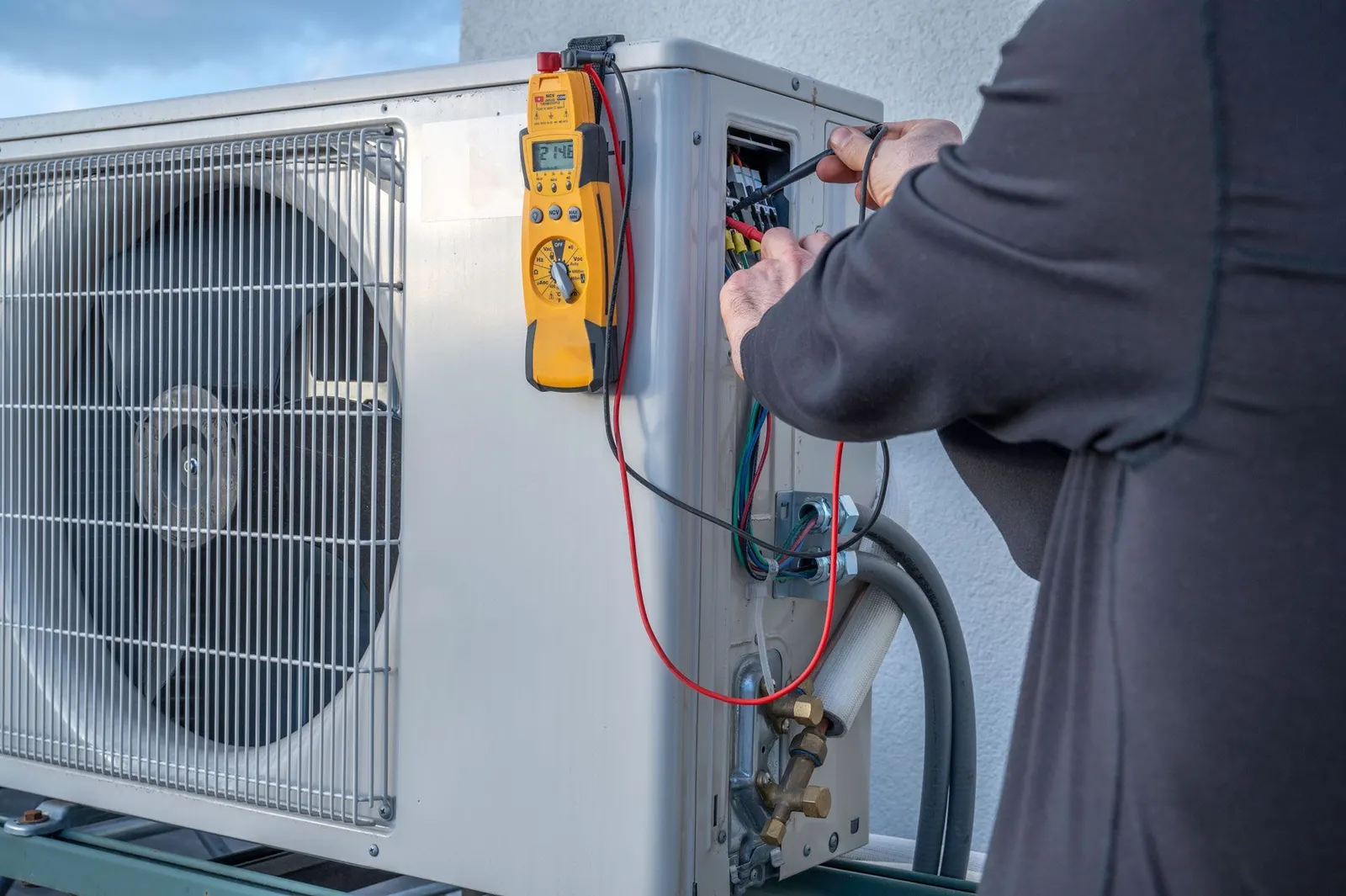
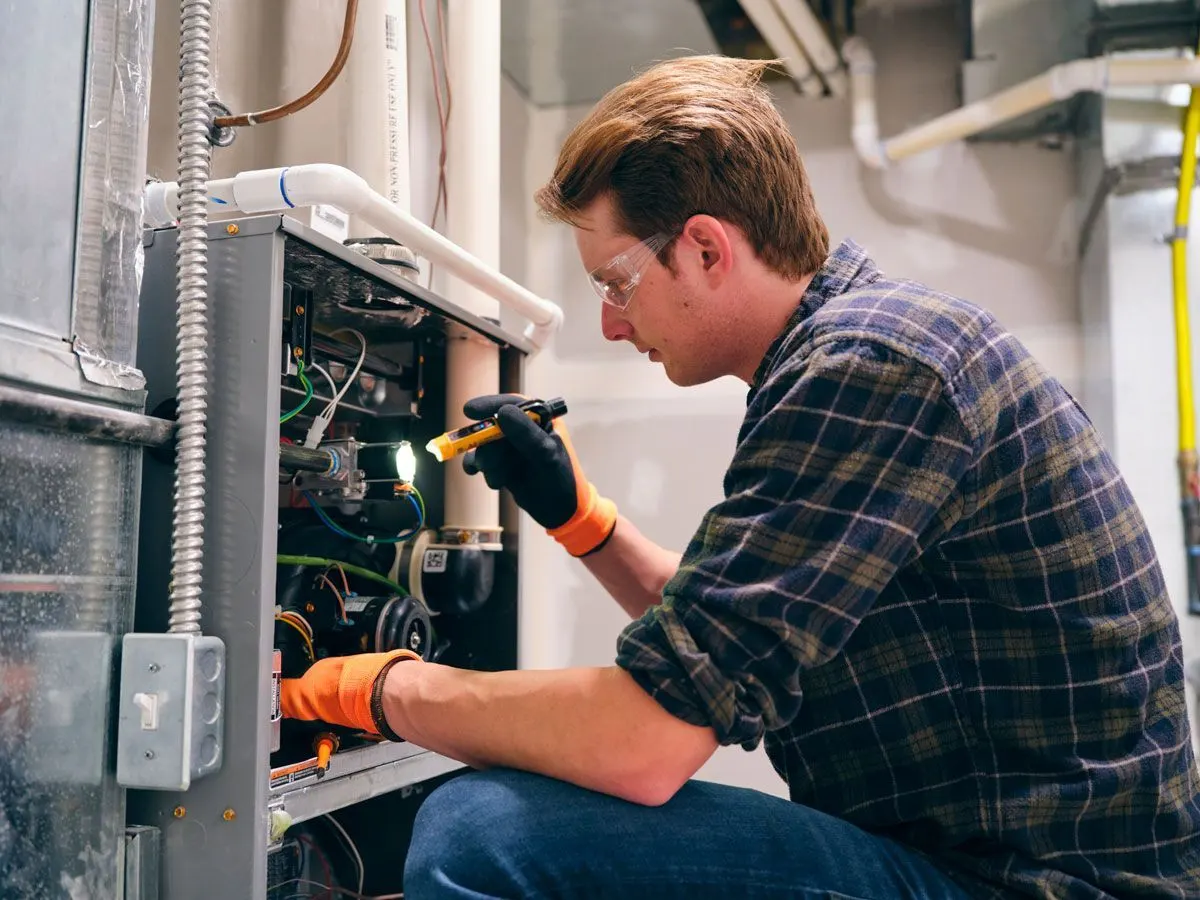
Recognizing the boundary between homeowner upkeep and professional intervention is essential. Any diagnostic work beyond basic filter replacements or verifying thermostat settings requires a licensed professional. Attempting DIY repairs on high-voltage electrical components or pressurized refrigerant lines is highly dangerous and illegal in many jurisdictions. When routine maintenance no longer keeps your home comfortable, it is time to have a professional evaluate the systemic health of your equipment.
How Regional Humidity Accelerates System Wear
Your local climate plays a massive role in how long your air conditioning system will actually last. In regions experiencing Mid-Atlantic and Tri-State summer humidity, the demands placed on a cooling system are vastly different than in dry, arid climates. High humidity requires optimal latent cooling, which, as discussed, degrades significantly in aging systems.
The Dehumidification Burden: Hot, humid summers force AC units to run longer, more frequent cycles strictly for dehumidification. The system has to run long enough for the indoor air to pass over the cold evaporator coil, allowing the moisture to condense and drain away. If the system is slightly undersized or aging, it will run almost continuously during peak summer months just to manage the moisture load.
Accelerated Component Wear: This increased workload accelerates wear on older compressors and fan motors. A compressor designed to cycle on and off three times an hour might end up running for 45 minutes straight during a humid heatwave. The excessive heat generated by this continuous operation breaks down the lubricating oils inside the compressor, leading to premature mechanical failure.
The Comfort Deficit: Poor latent cooling performance in aging systems leads to uncomfortable indoor environments despite the system running constantly. You might notice condensation on your windows or a generally heavy, damp feeling in the air. This climate-induced wear acts as a hidden multiplier on the cost of recurring temporary fixes. You aren't just paying for the repair; you are paying higher utility bills for a system that is fundamentally failing to handle the regional weather.
Diagnostic Checklist: Signs Your System is Beyond Repair
When you are trying to bypass endless troubleshooting and confidently seek a repair vs replace local service, having an objective set of criteria is invaluable. If your system exhibits multiple symptoms from the checklist below, it is likely entering its final stage of life.
- Frequent compressor lockouts or hard-starting behavior: If your lights dim when the AC kicks on, or if the system struggles to start (often making a loud buzzing noise before engaging), the compressor is drawing too much amperage. This is a primary indicator of impending motor failure.
- Persistent refrigerant leaks: Refrigerant operates in a closed loop; it is never "used up." If a technician tells you that your system needs a seasonal "top-off," you have a leak. In older systems, repairing these micro-leaks in corroded coils is often impossible or prohibitively expensive.
- Inability to maintain set temperatures: If your thermostat is set to 72 degrees, but the indoor temperature creeps up to 78 degrees during peak afternoon heat despite the system running constantly, the unit has lost its cooling capacity.
- Unusual grinding or squealing noises: While a gentle hum is normal, grinding, screeching, or metal-on-metal sounds indicate internal mechanical failure. This usually points to failing bearings in the blower motor or internal damage within the compressor shell.
- Excessive indoor humidity: As mentioned earlier, if your home feels damp and clammy even when the AC is running, the system is failing to perform vital latent cooling.

Analyzing the Cumulative Burden of Band-Aid Fixes
The Problem: The Sunk Cost Fallacy of HVAC Repair
It is incredibly common for homeowners to fall into a cycle of patching a failing system. You pay for a capacitor replacement in May, a refrigerant charge in July, and a new contactor in August. Individually, each repair seems more manageable than a full system replacement. However, this ignores the diminishing returns of patching a system that has surpassed its designed lifespan.
The Cause: Ignoring the Math of Cumulative Failure
The concept of cumulative repair costs is vital to understand. Multiple small fixes over two seasons often equate to a significant portion of a new system's value. When you factor in the cost of recurring temporary fixes, the financial logic of repairing an old unit quickly falls apart. Furthermore, this calculation rarely accounts for the secondary costs of inefficiency. Failing components cause the system to draw more electricity to produce less cooling, resulting in elevated monthly energy consumption that drains your wallet silently.
The Solution: Evaluating the Big Picture
The most financially sound approach is to evaluate the total cost of ownership. If your system is over 10 years old and the projected repair costs approach a third of the cost of a new unit, replacement is almost always the better long-term investment. To understand the full scope of what an upgrade entails, including timelines, equipment sizing, and efficiency ratings, you can review everything you need to know about AC installation in Hagerstown. Framing the decision conceptually around avoiding endless, unpredictable expenses allows you to regain control over your home's comfort and budget.
Making the Call: When to Proceed with AC Installation
Knowing exactly when to stop repairing and start replacing requires an honest framework. A common rule of thumb used by industry experts involves multiplying the age of the equipment by the estimated cost of the repair; if the resulting number exceeds a certain threshold relative to a new system, replacement is advised. However, a more practical approach is to look at age, repair frequency, and efficiency loss combined.
If your system is over 12 years old, requires repairs more than once a season, and struggles to keep your home comfortable on the hottest days, you have reached the end of the line. At this stage, you should advise property owners to request a comprehensive diagnostic report from a licensed technician before making a final decision. This report should detail the condition of the compressor, the state of the evaporator and condenser coils, and the integrity of the electrical components.
This is where the character of your service provider matters immensely. Working with a company rooted in honest, family-values-driven service ensures that technicians will transparently advise you when a repair is a waste of resources. Professionals who prioritize long-term system reliability over quick, repeated service calls will not push you to endlessly patch a dying machine. Finding an honest repair vs replace local service is critical to avoiding unnecessary expenditures and securing a system that will perform reliably for the next two decades.
Securing Long-Term Comfort and Reliability
Understanding the true cost of recurring temporary fixes empowers property owners to make informed, confident decisions about their home infrastructure. When you stop viewing your HVAC system as a black box and start evaluating it based on objective lifecycle data, the path forward becomes much clearer.
The goal is not simply to get the air conditioner running for another weekend; the goal is to secure uninterrupted comfort and predictable energy bills. Utilizing a clear, objective checklist of diagnostic criteria leads to the most cost-effective path forward, eliminating the stress of unexpected breakdowns. If your current system is exhibiting the warning signs we have discussed, take the time to explore professional assessment options to evaluate your equipment objectively. Making the right choice today ensures a cooler, more comfortable home for years to come.
Frequently Asked Questions
How do I know if my AC needs to be replaced?
The most reliable indicators are the age of the system, the frequency of breakdowns, and a noticeable drop in cooling performance. If your unit is over 10 to 15 years old and requires multiple repairs per season, it is likely nearing the end of its functional life. Additionally, if the system runs constantly but fails to maintain the set temperature on your thermostat, the internal components have likely degraded beyond repair. A professional diagnostic assessment can confirm if replacement is the most cost-effective route.
Why does my AC keep breaking down?
Recurring breakdowns usually stem from cumulative mechanical wear and tear that routine maintenance can no longer offset. As compressors age, they draw more electrical current, which can frequently blow fuses or damage capacitors. Furthermore, micro-leaks in older coils lead to low refrigerant levels, forcing the system to overwork and eventually overheat. When one aging component fails, it often places additional stress on the rest of the system, creating a domino effect of continuous failures.
What are the signs of a failing AC compressor?
A failing compressor often exhibits hard-starting behavior, where you might hear a loud buzzing or clicking noise before the unit finally turns on. You may also notice that the outdoor unit shakes violently upon startup or trips your home's circuit breaker frequently. Another major sign is a lack of cool air coming from your vents despite the outdoor fan running, indicating that the compressor is no longer successfully pumping refrigerant through the system.
Is it worth repairing a 10-year-old air conditioner?
Whether a 10-year-old system is worth repairing depends heavily on the nature of the failure and the system's overall maintenance history. If the issue is a minor electrical component like a contactor or capacitor, a repair is usually justified. However, if the system has a major refrigerant leak, a failed compressor, or severe coil corrosion, investing in a repair is often a poor financial choice. At the 10-year mark, replacing the unit with a modern, high-efficiency SEER2 model generally offers better long-term value.
How does high humidity affect the lifespan of my cooling system?
High humidity forces an air conditioning system to work significantly harder because it must remove moisture from the air before it can effectively lower the indoor temperature. This dual workload results in longer, more frequent operating cycles that accelerate the wear and tear on motors and compressors. Over several years, the constant demand for latent cooling in humid climates can shorten the overall lifespan of the equipment compared to systems operating in milder, drier regions.