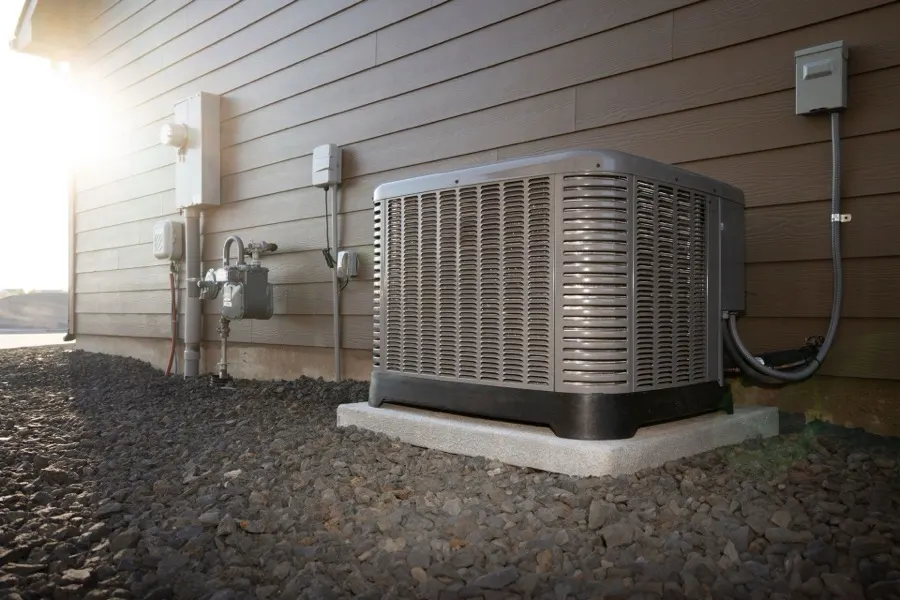
Ensure your Chambersburg, PA ductless mini-split runs efficiently with expert maintenance & tune-up.
Expert Ductless Maintenance & Tune-Up in Chambersburg, PA Is your
Chambersburg home's ductless mini-split struggling to keep up with the muggy humidity, leaving rooms feeling sticky, or perhaps you've noticed a drop in heating performance during a cold snap alongside an unexplained spike in your energy bills? These aren't just minor inconveniences; they are clear indicators that your system is losing efficiency, straining its internal components, and heading toward a costly breakdown if ignored. Comfort Central is ready to provide the professional ductless maintenance and tune-up you need to restore peak performance and reliable comfort to your home.
Warning Signs Your Ductless System Needs Attention
Reduced Airflow or Uneven Temperatures
You might feel weak air coming from your indoor unit, or notice that one room is significantly warmer or colder than others even when the system runs constantly. This usually points to restricted airflow inside the air handler. The system is physically struggling to push conditioned air into your living space. Often, this happens due to dirty air filters, clogged evaporator coils, or underlying issues with the blower fan itself. Reduced airflow forces your equipment to run longer cycles to achieve the desired temperature on your thermostat. Because the system is working overtime, it consumes far more electricity than necessary. In our local environment, where agricultural dust and seasonal pollen are heavy, these internal components can get choked up surprisingly fast. Ignoring this restriction puts unnecessary strain on the blower motor and compressor. Over time, this constant overexertion leads to premature mechanical failure.
Visible Mold or Mildew
You might see black or green spots developing on your indoor unit's vents and louvers, or you might notice a distinct musty odor when the system powers on. This is a clear sign of mold or mildew growth inside the air handler. It happens when excessive moisture accumulates on the evaporator coil or in the condensate drain pan. During Chambersburg's humid summers, your ductless unit pulls a massive amount of moisture out of the indoor air. If the system isn't draining properly or if dust has collected on the damp coils, it creates the perfect breeding ground for organic growth. The dark, damp interior of an unmaintained unit accelerates this process. Beyond the unpleasant smell, mold inside your HVAC equipment degrades your indoor air quality. It can circulate spores throughout your living space, potentially triggering allergies or respiratory issues for your family. It also creates a physical barrier on the coils, further reducing the unit's cooling efficiency.
Higher Energy Bills
Your monthly utility statements might show a noticeable increase in energy consumption, even if your daily usage habits haven't changed at all. An unmaintained ductless system simply has to work harder and longer to achieve the same level of comfort you are used to. Dirty coils, struggling motors, or slight refrigerant issues all contribute to this severe drop in efficiency. This is your system's way of telling you it is struggling to breathe and operate. When heat transfer is blocked by dirt, the inverter compressor ramps up its speed to compensate. You are literally paying more money for less comfort every single month. Ignoring rising energy costs means the underlying mechanical issue will continue to stress the system. What starts as a few extra dollars on your electric bill can quickly turn into a burned-out compressor. Routine maintenance restores that lost efficiency and keeps your operating costs manageable.
Unusual Noises Coming from the Unit
You might start hearing new, disruptive sounds like grinding, squealing, rattling, or bubbling coming from either your indoor air handler or the outdoor compressor. Ductless systems are designed to be whisper-quiet, so any new noise is a red flag. Grinding or squealing typically indicates a serious problem with the blower motor or the outdoor fan motor bearings. Rattling sounds often point to loose internal components, failing mounts, or debris trapped inside the housing. A bubbling or hissing sound is particularly concerning, as it almost always signals a refrigerant leak within the copper lines. None of these sounds will resolve themselves on their own. These noises are usually the final warning before a major component failure occurs. Ignoring a squealing motor can lead to a complete breakdown, leaving you without heating or cooling when you need it most. Addressing these sounds early during a tune-up prevents catastrophic damage to the most expensive parts of your system.
Water Leaks from the Indoor Unit
You may observe water dripping down your wall or pooling on the floor directly beneath your indoor ductless unit. This typically indicates a clogged condensate drain line, a cracked drain pan, or a frozen evaporator coil that is rapidly thawing. In a humid climate, condensate issues are incredibly prevalent because the system is constantly wringing water out of the air. As water collects in the internal drain pan, it relies on gravity to flow out through a narrow tube to the exterior of your home. If that tube becomes blocked by sludge or algae, the water has nowhere to go but over the edge of the pan and into your living space. A frozen coil, usually caused by poor airflow, will also overwhelm the drain pan when it eventually melts. Water leaks can cause significant, expensive damage to your drywall, flooring, and furnishings in a very short amount of time. It also creates a serious electrical hazard, as water and high-voltage HVAC components do not mix. This symptom requires immediate professional attention to clear the blockage and protect your property.
What is Causing Your Ductless System Problems
Clogged Filters and Dirty Coils
Over time, your indoor air filters become saturated with household dust, pet dander, and other airborne particles, severely restricting how much air can pass through. Once the filter is completely full, this debris begins bypassing the filter entirely and collects directly on the sensitive evaporator coils. The outdoor unit's condenser coils also gather dirt, leaves, and grass clippings from your yard. Chambersburg's environment, with its mix of residential neighborhoods and surrounding agricultural areas, contributes to higher levels of ambient dust and pollen. This causes filters and coils to get dirty much more rapidly than they might in cleaner, more isolated environments. When dirt coats these coils, it acts as an insulator, completely hindering the heat transfer process. The solution involves a deep, professional cleaning of both the indoor and outdoor units. We replace or wash the reusable filters and use specialized, non-corrosive foaming cleaners to safely strip the dirt away from the delicate aluminum fins on your coils. This restores the system's ability to absorb and reject heat efficiently.
Condensate Drain Line Obstructions
As your ductless system cools your home, it naturally removes heavy humidity from the indoor air, producing a steady stream of condensation. This water collects in an internal drain pan and flows outside through a narrow PVC or flexible condensate line. Over months of operation, algae, mold, and airborne dust can mix with this water to form a thick sludge. Our consistently high humidity levels during the summer months mean your ductless system is constantly pulling moisture from the air. This increases the overall volume of condensate water and creates a prime, constantly damp environment for organic growth inside those drain lines. Eventually, this sludge builds up enough to create a total blockage. To resolve this, we flush the entire condensate drain line using specialized cleaning solutions and high-pressure clearing tools. We ensure the line is completely free of obstructions and verify that water flows rapidly and safely away from your home's interior. We also treat the drain pan to inhibit future algae growth.
Low Refrigerant Levels
Refrigerant is the vital heat-transfer fluid moving through your ductless system, absorbing heat from inside your home and releasing it outside. A ductless system does not consume refrigerant like a car consumes gas. If your refrigerant levels are low, it is absolutely certain that you have a leak somewhere in the system. The frequent, rapid cycling of units due to our region's wide temperature swings can put immense physical stress on the pressurized refrigerant lines and their flared connections. Over time, this constant expansion and contraction can accelerate the development of microscopic leaks. Even a tiny drop in refrigerant charge will drastically reduce your system's heating and cooling capacity. A professional technician will use sensitive electronic leak detectors to locate the exact source of the escaping refrigerant. Once the leak is found and properly repaired, we evacuate the system and recharge it with the precise, factory-specified weight of refrigerant. This ensures your system operates at peak efficiency without freezing up or overheating.
Electrical Component Wear and Tear
Your ductless system relies on a complex network of electrical components, including capacitors, contactors, relays, and intricate control boards. These parts endure constant use, occasional power surges, and extreme heat stress throughout the year. Over time, electrical contacts become pitted, capacitors lose their ability to hold a charge, and wiring connections can vibrate loose. The heavy demand placed on ductless units to perform robustly in both our extreme summer heat and freezing winter cold means these components are frequently engaged under high loads. This leads to accelerated wear compared to systems operating in milder, more stable climates. A failing electrical component often forces the compressor or motors to draw excessive amperage. During a tune-up, we conduct a thorough inspection and testing of all electrical components using specialized multimeters. We tighten all wire connections, test capacitors for proper microfarad readings, and replace any parts that are showing signs of imminent failure. This proactive approach prevents sudden electrical breakdowns and protects the expensive inverter compressor.
What to Expect During Your Service Visit
When you schedule ductless maintenance with Comfort Central, you can expect a thorough, professional service designed to completely optimize your system's performance. Our licensed and insured technicians arrive promptly, ready to conduct a comprehensive, multi-point tune-up on your equipment. We respect your home and your time, ensuring our work area is kept clean and organized throughout the entire process. The service begins with a detailed inspection and cleaning of the indoor air handler, where we wash the filters, clean the blower wheel, and safely treat the evaporator coil to remove accumulated dust and organic growth. We then move to the outdoor compressor unit, clearing away any environmental debris and thoroughly washing the condenser coil to ensure maximum airflow. Our team will precisely verify your refrigerant levels, inspect all electrical connections for safety, and test the thermostat for accurate communication with the system. Finally, we flush and test the condensate drain line to guarantee it is clear, preventing any future water leaks inside your home. Because we are a family-owned business operating since 2006, we believe in straightforward, transparent pricing and clear communication. You will always understand exactly what work was performed, the current health of your system, and why any adjustments were necessary to keep your home comfortable.
Related Services You May Need
For homeowners who rely heavily on their mini-split systems, understanding related services can further enhance your comfort and long-term savings. If your system is frequently breaking down, making loud mechanical noises, or failing to heat and cool even after a thorough cleaning, it is time to consider Ductless Repair & Service. Our technicians can diagnose and fix complex mechanical or electronic failures to restore your system's functionality. Additionally, exploring Indoor Air Quality Services can perfectly complement your ductless system, providing whole-home air purifiers or advanced filtration options that work alongside your HVAC equipment to create a healthier, dust-free environment.
The Cost of Waiting on Ductless Maintenance
Delaying routine ductless maintenance might seem like an easy way to save a little money in the short term, but it almost always leads to significantly greater expenses down the road. Without a professional tune-up, your system's internal airflow becomes restricted, and its overall efficiency steadily declines. This causes your monthly energy bills to climb higher and higher as the unit struggles to maintain your set temperature. This constant struggle puts excessive, unnatural strain on critical internal components like the blower motor and the inverter compressor. What could have been a simple, inexpensive cleaning or adjustment during a routine tune-up can quickly escalate into a massive repair bill. In severe cases of neglect, the compressor can fail entirely, necessitating a premature and highly expensive system replacement. Beyond the strict financial impact, neglected systems directly compromise your family's daily comfort and health. A dirty unit will circulate accumulated dust, seasonal allergens, and potentially harmful mold spores throughout your living space. Investing in maintenance now protects your equipment, your wallet, and the quality of the air you breathe every day.
Ready to Restore Your Comfort?
Don't let a struggling, inefficient ductless system compromise your comfort or unnecessarily inflate your monthly utility budget. Comfort Central is dedicated to providing honest, professional, and highly effective HVAC service to homeowners across our local communities. Reach out through our website today to schedule your comprehensive ductless maintenance and ensure your home stays perfectly comfortable year-round.
Contact us today for a free estimate on your {title} needs.