Is your Hancock, MD heat pump struggling? Expert heat pump inspection & testing restores efficiency, prevents costly breakdowns. Request a free estimate!
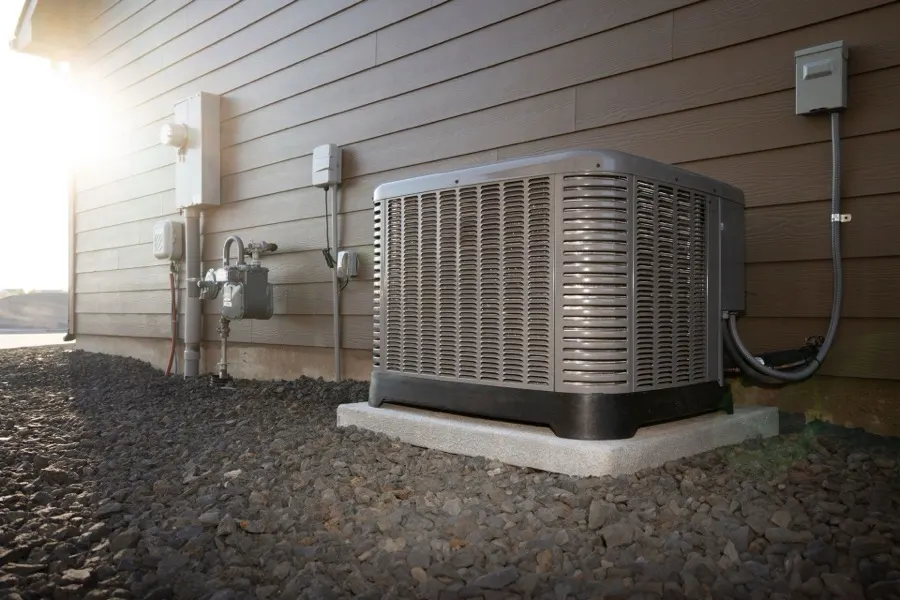
Is Your Hancock Heat Pump Struggling to Keep Pace?
Are you noticing your Hancock home isn't as comfortable as it used to be, with your heat pump running constantly but struggling to maintain temperature, or perhaps you are hearing strange new grinding noises from the outdoor unit? These are not just minor annoyances; they are clear indicators that your system is working harder than it should and could be developing a serious mechanical issue. Before small problems escalate into complete breakdowns, Comfort Central is ready to provide the thorough heat pump inspection and testing your system needs to restore efficiency.
Warning Signs That Your Heat Pump Needs Attention
Your Energy Bills Are Rising Unexpectedly
You might be seeing much higher numbers on your monthly utility statements, even though your thermostat settings have not changed and the weather has remained fairly typical. This is often the most direct symptom of a heat pump losing its efficiency and working overtime to condition your living space. When a system struggles, it often relies on energy-heavy auxiliary heat strips to make up the difference, which causes your electricity usage to skyrocket. Ignoring this financial warning sign means you continue to overpay for basic comfort every single day the unit operates. An inefficient system is a stressed system, and whatever is causing the efficiency drop will eventually lead to a more expensive repair. Getting a professional set of eyes on the equipment early can stop this financial drain and pinpoint the exact component that is lagging.
Uneven Heating or Cooling in Your Home
Some rooms in your house might feel noticeably too hot or too cold while others remain perfectly comfortable. You might also notice weak airflow coming from the vents in specific areas of the house, leaving you reaching for blankets in one room and shedding layers in another. This usually points to issues with the heat pump's ability to distribute air effectively, which is especially common in older properties with aging ductwork. Uneven temperatures force your system to run longer cycles to try and satisfy the thermostat, putting unnecessary wear and tear on internal components. It can also indicate severe airflow restrictions, such as a failing blower motor or a completely clogged filter. If left unaddressed, this constant strain will shorten the lifespan of your equipment and keep your home perpetually uncomfortable.
Strange Noises or Odors Coming from Your Unit
You might start hearing grinding, hissing, buzzing, or rattling sounds, or perhaps you detect a musty or burning electrical smell coming from the equipment. Heat pumps are designed to operate quietly, so any new, loud, or aggressive noise is an immediate red flag that something mechanical is failing. Each specific sound or smell indicates a unique problem, like a failing motor bearing, a refrigerant leak, or an overheating wire. A metal-on-metal grinding sound often means a fan motor is tearing itself apart, while a buzzing noise usually points to a failing electrical component like a contactor. Ignoring these sensory warnings can lead to total component failure, safety hazards, or extensive damage to the entire system. Catching these noises early allows us to replace a small, inexpensive part before it destroys a major one.
Your Heat Pump Cycles On and Off Frequently
Your unit might seem to turn on and off much more often than it used to, running for very short bursts rather than longer, consistent cycles. This phenomenon is known as short cycling, and it completely ruins the system's ability to properly condition and dehumidify your home. Short cycling can be caused by a severely dirty air filter, low refrigerant levels, or a malfunctioning thermostat that is misreading the room temperature. This constant starting and stopping puts immense, repeated stress on the compressor, which is the most critical and expensive component of your entire heat pump. Compressors draw the most power and endure the most wear during startup, meaning short cycling rapidly accelerates their degradation. If you do not have the system tested and corrected, you are likely looking at a premature compressor failure.
Ice Buildup on the Outdoor Unit
You might notice a significant, persistent layer of ice on the outdoor coil or base of your unit that does not clear away during the normal defrost cycle. While a light frost can occur during certain operating conditions, a thick block of ice indicates that the system's defrost control board or reversing valve is malfunctioning. Excessive ice acts as a thick insulator, severely reducing the heat pump's ability to absorb or release heat from the outside air. This completely cripples the overall efficiency of the system and forces it to run continuously without actually changing the indoor temperature. If you ignore this heavy buildup, the expanding ice can physically crush the delicate aluminum fins on the coil or damage the outdoor fan motor blades. A thorough inspection will identify why the defrost cycle is failing and prevent this ice from destroying the outdoor unit.
What Is Causing Your Heat Pump to Struggle
Dirty Coils and Air Filters
Over time, both the indoor evaporator coil and the outdoor condenser coil accumulate a thick layer of dust, dirt, pollen, and airborne particulates. In rural areas around Hancock, proximity to agricultural spaces means higher concentrations of these contaminants can clog your coils much faster than in highly urbanized zones. When a coil is covered in dirt, it cannot transfer heat effectively, forcing the compressor to work twice as hard to achieve the same result. A heavily soiled filter restricts the volume of air moving through the system, which can cause the indoor coil to freeze over or overheat. A professional inspection involves thoroughly evaluating these components to see how heavily impacted they are by local environmental debris. We will clean the necessary components and replace restrictive air filters to restore proper airflow and optimal heat exchange.
Low or Leaking Refrigerant
Refrigerant is the vital fluid that absorbs heat from one space and releases it into another, making the entire heat pump cycle possible. Unlike gas in a car, refrigerant is never used up during normal operation; if the levels are low, it means a leak has developed somewhere in the copper lines or coils. The constant temperature fluctuations and freeze-thaw cycles common in Western Maryland put extra physical stress on refrigerant connections over the years, causing them to expand and contract until microscopic cracks form. When the system is low on refrigerant, it loses its capacity to heat or cool, leading to long run times, high bills, and eventually a burned-out compressor. We use specialized electronic leak detectors to find these microscopic holes and evaluate the integrity of your copper lines. Once the source of the leak is addressed, we properly recharge the system with the exact amount of refrigerant specified by the manufacturer.
Electrical Component Malfunctions
Your system relies on a complex network of capacitors, contactors, relays, and wiring to start heavy motors and control daily operations safely. Age, standard wear and tear, power surges, or even local critters seeking shelter in the outdoor unit can cause these sensitive electrical parts to fail. A weak capacitor, for example, will fail to give the compressor the jolt of energy it needs to start, causing the motor to hum loudly and overheat. Pitted or burned contactors can cause the system to receive intermittent power, leading to erratic behavior and potential electrical shorts. We test and visually check all critical electrical components with specialized multimeters to measure their exact output and look for signs of corrosion. By identifying and replacing a weak electrical part during an inspection, we ensure safe operation and protect your expensive motors from electrical damage.
Fan Motor Issues
Both the indoor blower motor and the outdoor condenser fan motor are absolutely crucial for moving air across the coils to condition your home. The indoor motor pushes the treated air through your ductwork, while the outdoor motor pulls outside air across the condenser to reject or absorb heat. The constant operation required by our varying local climate, combined with exposure to airborne debris, can lead to accelerated wear on motor bearings and blades. If either of these motors begins to fail, airflow is immediately compromised, and the entire heat exchange process breaks down. Our inspection includes checking these motors for proper amperage draw, assessing them for any physical obstructions, and listening for the telltale sounds of failing bearings. Identifying a struggling motor early allows us to recommend a repair before it seizes up completely and leaves you without climate control.
What to Expect During the Service Visit
When you schedule a heat pump inspection and testing for your Hancock home, you can expect a thorough, professional experience focused on precision and transparency. Our licensed and insured technician will arrive promptly and conduct a detailed visual assessment of both your indoor and outdoor units. We begin by checking the connecting refrigerant lines, electrical conduits, and thermostat calibration to ensure the entire system is communicating accurately. Next, we meticulously inspect the air filter while examining the indoor evaporator and outdoor condenser coils for impacted dirt and debris. We attach specialized gauges to verify your system has the proper refrigerant pressures, ensuring it is neither overcharged nor undercharged. Comfort Central takes pride in testing all electrical components, including capacitors and contactors, looking for early signs of wear that could lead to unexpected, late-night breakdowns.
Comprehensive Performance Verification
Fan motors are checked for proper operation, correct electrical draw, and any unusual noises that might indicate failing internal bearings. We also inspect the condensate drain line for blockages to ensure it is draining moisture correctly and preventing potential water damage in your home. Finally, we perform comprehensive performance testing, measuring temperature differentials across the supply and return vents to confirm your heat pump is operating exactly within manufacturer specifications.
Related Services You May Need A comprehensive heat pump inspection and testing often highlights the importance of ongoing, proactive care for your HVAC system.
If our inspection reveals that your system simply needs routine attention and cleaning, consider our heat pump maintenance and tune-up service to keep your unit running at peak efficiency year-round. Should we uncover more significant mechanical problems during the visit, our heat pump repair and service team is fully equipped to diagnose and fix any issue immediately.
Why Prompt Action Matters and the Cost of Waiting
Delaying a professional heat pump inspection and testing can lead to a rapid cascade of negative consequences for your home and your wallet. Initially, you will likely continue to face inflated energy bills as your inefficient system works much harder to compensate for underlying issues like dirty coils or low refrigerant. Every day you wait is another day you are paying a premium for substandard heating and cooling performance. More critically, ignoring problems like failing electrical components significantly increases the risk of a major, catastrophic breakdown. These total system failures almost always happen during extreme weather when the unit is working its hardest, resulting in costly emergency repairs that could have been easily avoided. A struggling part places a heavy burden on the rest of the system, creating a domino effect of mechanical failure.
Protecting Your Equipment A struggling heat pump not only compromises your daily comfort but also permanently shortens the overall lifespan of the equipment itself.
Running a system with restricted airflow or improper refrigerant levels will eventually destroy the compressor, forcing you into an expensive replacement years earlier than expected. Regular, proactive inspections are a direct investment in your home's comfort, your system's efficiency, and the long-term reliability of your heating and cooling equipment.
Schedule Your Heat Pump Inspection Today
Do not let minor heat pump issues in your Hancock home escalate into major headaches or unexpected, out-of-pocket expenses. With Comfort Central, you are choosing a family-owned, local team of licensed and insured HVAC professionals dedicated to transparent pricing and your complete satisfaction. When your system needs expert attention, reach out through our website to schedule your inspection and testing right away.
Contact us today for a free estimate on your {title} needs.