
When Your HVAC Fails in the Tri-State Area: What to Do Right Now
The best emergency hvac repair tips for the tri state area homeowners to follow when your system fails are:
- Check the thermostat first – Verify settings, replace batteries, and make sure it’s set to the correct mode (Heat or Cool)
- Inspect your circuit breaker – Reset a tripped breaker once; if it trips again, stop and call a professional
- Replace a clogged air filter – A severely dirty filter can trigger an automatic system shutdown
- Check your outdoor unit – Clear away leaves, ice, or debris blocking airflow
- Evacuate immediately if you smell gas, see smoke, or hear a carbon monoxide alarm – call 911 from outside
- Call a licensed HVAC technician if the above steps don’t restore heat or cooling, especially when outdoor temperatures fall below 40°F
Your heating or cooling system picks the worst possible moments to fail. It’s 11 p.m. in January, the temperature in Hagerstown, MD has dropped into the single digits, and your furnace just went quiet. Or it’s a sweltering August afternoon in Martinsburg, WV, and your air conditioner stops pushing cold air. For homeowners across Maryland, West Virginia, and Pennsylvania, these situations aren’t just uncomfortable — they can become genuine safety emergencies fast.
The Tri-State region is no stranger to weather extremes. Polar vortex events push temperatures well below freezing in winter, while summer heat and humidity regularly stress cooling systems to their limits. When your HVAC system fails under those conditions, knowing what to do in the first few minutes can protect your family, prevent further damage to your system, and help you communicate clearly with a technician when you call for help.
Research consistently shows that homeowners who stay on top of preventive maintenance average 73% fewer emergency HVAC calls than those who skip it — but even well-maintained systems can fail. This guide gives you the practical steps you need, from immediate safety actions to smart troubleshooting, so you’re never left guessing.
I’m Merle Vaughn, a Master HVAC license holder in Maryland and West Virginia with 20 years of hands-on experience handling emergency hvac repair tips for the tri state area homeowners in exactly the kind of conditions this region throws at us. In the sections ahead, I’ll walk you through everything you need to know — from recognizing a true emergency to avoiding the next one.
Identifying a True HVAC Emergency in the Mid-Atlantic
Not every HVAC hiccup requires a 2 a.m. service call, but in the Mid-Atlantic, the line between an “inconvenience” and a “crisis” is often drawn by the thermometer. We consider a situation a true emergency when the loss of climate control poses a direct risk to the inhabitants or the structure of the home.
In our region, if the outdoor temperature drops below 40°F and your heating fails, it is an emergency. This isn’t just about comfort; it’s about preventing emergency heating repair in frederick md for frozen families where pipes might burst or vulnerable residents could suffer from hypothermia. Similarly, during a humid 95°F heatwave in Charles Town or Hagerstown, a lack of cooling can lead to heat exhaustion, particularly for the elderly or those with respiratory issues.
| Scenario | Emergency? | Action Required |
|---|---|---|
| Smell of Gas/Sulfur | YES | Evacuate immediately; call 911 and gas company. |
| No Heat (Below 40°F) | YES | Call for emergency service immediately. |
| No AC (During Heatwave) | YES | Call for emergency service; use fans/cooling centers. |
| Strange Loud Bangs/Grinding | YES | Shut off system to prevent catastrophic failure. |
| System Won’t Turn On (Mild Weather) | NO | Schedule standard same-day or next-day service. |
| Slightly Higher Energy Bill | NO | Schedule a routine maintenance inspection. |
When to Call for Immediate Professional Help
Life safety is always the priority. If you see sparks flying from your unit, smell burning plastic, or hear a high-pitched screeching sound, shut the power off at the breaker and call us. These are signs of electrical faults or mechanical seizures that could lead to a fire.
Furthermore, if your household includes infants, elderly family members, or individuals with chronic illnesses, a system failure is always more urgent. We prioritize these calls because we know how quickly indoor environments can become dangerous. If you are in a remote area like Berkeley Springs, knowing who provides the best heating repair in berkeley springs before the snow starts falling is a vital part of your winter readiness.
Impact of Tri-State Weather Patterns
Our geography plays a huge role in HVAC health. In cities like Hagerstown and Frederick, we deal with “The Squeeze” — extreme humidity in the summer that forces AC units to work overtime to dehumidify, and “Polar Vortex” dips in the winter that push heat pumps to their absolute limit.
When humidity levels are high, your AC’s evaporator coils are more likely to freeze if airflow is even slightly restricted. In winter, heavy ice accumulation on an outdoor unit can cause a heat pump to fail just when you need it most. This is why finding the best ac repair in hagerstown without breaking a sweat often depends on how well your system was prepared for these seasonal shifts.
Essential Emergency HVAC Repair Tips for the Tri-State Area Homeowners to Stay Safe
If your system fails and you suspect a safety hazard, your first move isn’t to grab a screwdriver — it’s to secure your family. If you smell the “rotten egg” odor of a gas leak or your carbon monoxide (CO) detector sounds its alarm, do not stop to open windows or turn off lights. Evacuate everyone, including pets, and call 911 from a safe distance.
For non-gas-related failures, your your frederick md heating repair survival kit should include the phone number of a trusted 24/7 technician, flashlights, and a plan for temporary climate control.
Safe Alternative Heating and Cooling Methods
While waiting for a technician in the dead of winter, you can keep the house habitable by:
- Closing off unused rooms: Keep the heat concentrated in one or two living areas.
- Using electric blankets: These are much safer than leaving a space heater running unattended.
- Layering up: Wear thermal layers and wool socks.
- Safety Warning: Never use a gas oven, charcoal grill, or outdoor propane heater inside. These produce deadly carbon monoxide.
In the summer:
- Shade the windows: Block out the sun on the south-facing side of the house.
- Stay hydrated: Drink plenty of water and avoid strenuous activity.
- Use fans wisely: Fans don’t cool the air, but they help moisture evaporate from your skin, making you feel cooler.
Troubleshooting Emergency HVAC Repair Tips for the Tri-State Area Homeowners
Before you pay for an emergency dispatch fee, perform these “Quick Five” checks. We often find that Dont freeze fast emergency heating repair in Martinsburg WV calls are sometimes solved by a simple battery change.
- Thermostat Power: If the screen is blank, replace the batteries. Ensure it is set to “Heat” or “Cool” and the temperature setting is actually calling for the system to run.
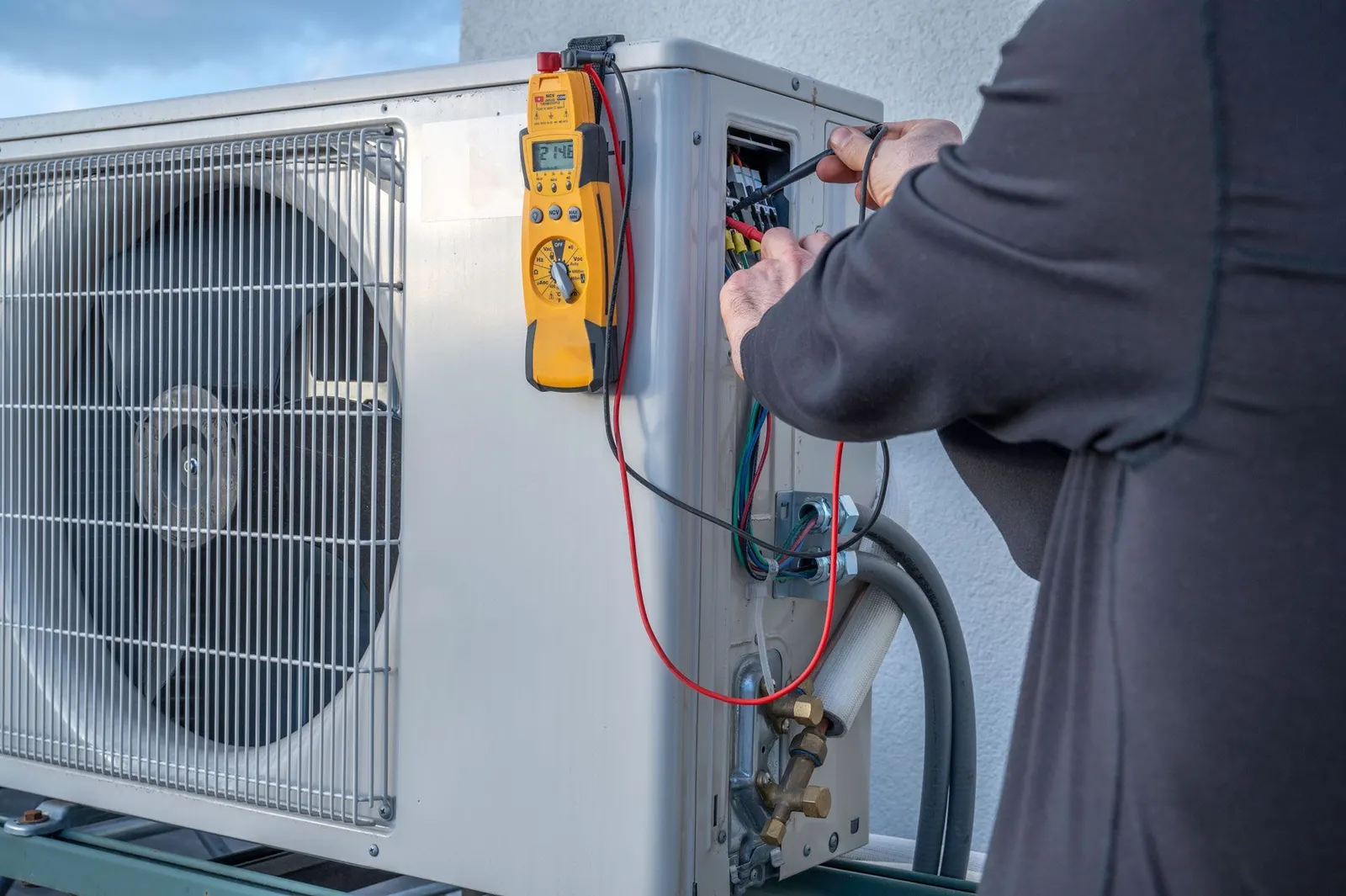
- The Circuit Breaker: Check your electrical panel. If the HVAC breaker has flipped to the middle position, turn it all the way “Off” and then back “On.” If it trips again immediately, do not reset it a second time — you have a short circuit that requires a pro.
- The Furnace Switch: Most furnaces have a switch that looks like a light switch nearby. Sometimes it gets bumped into the “Off” position by mistake.
- Air Filters: A clogged filter restricts airflow so much that the system’s internal safety sensors will shut it down to prevent the heat exchanger from cracking or the compressor from burning out.
- Outdoor Unit Obstructions: In winter, ensure snow isn’t burying the unit. In summer, make sure tall grass or debris isn’t choking the fan.
Common Causes and Warning Signs of System Failure
HVAC systems rarely die in total silence; they usually send out “S.O.S.” signals weeks before the final breakdown. One of the most common issues we see is short cycling, where the system turns on and off every few minutes. This puts immense strain on the starter components and is often a sign of an oversized system or a failing sensor.
Another red flag is frozen coils. If you see ice on your indoor or outdoor AC lines in the summer, shut the system off immediately. Running it with ice buildup can destroy the compressor, which is the most expensive part to replace. Our martinsburg ac repair guide for homeowners highlights that refrigerant leaks are often the culprit here.
Identifying Red Flags Before a Breakdown
Keep your ears and nose open.
- Squealing or Screeching: Usually indicates a failing belt or motor bearing.
- Banging or Clanking: Could mean a part has come loose inside the blower assembly.
- Musty Smells: Often points to biological growth in the drain pan or ductwork.
- Burning Odors: If it smells like electrical smoke, shut it down. If it’s just a dusty smell the first time you turn the heat on in October, that’s usually just dust burning off the heat exchanger.
If you notice your utility bills climbing despite no change in weather, your system is likely struggling with an internal mechanical issue. Addressing these early is key to staying stay warm everything you need to know about heating repair in martinsburg.
Seasonal HVAC Challenges in MD, PA, and WV
Each season brings a specific threat to Tri-State systems. In the spring, heavy pollen in the Cumberland Valley can coat outdoor coils like a blanket, causing systems to overheat. In winter, “flash freezes” can trap moisture in your high-efficiency furnace’s condensate line, causing a safety lockout.
Electrical surges during summer thunderstorms are also a major cause of board failures in Frederick and Chambersburg. Investing in a whole-home surge protector can save you from a very expensive “no-cool” emergency call. When looking for the who is the best heating repair expert in frederick md, ask if they provide surge protection audits during their visits.
Troubleshooting and Prevention: Avoiding Future Breakdowns
The best emergency is the one that never happens. While some component failures are inevitable due to age, the vast majority of “no-heat” or “no-cool” calls we receive could have been prevented with basic maintenance. In fact, keeping your outdoor unit clear of vegetation (at least two feet of clearance) and changing your filters every 30 to 90 days are the two most effective things you can do.
For a deeper dive into preventing local issues, check out our chambersburg heating repair complete guide.
The Role of Smart Technology and Maintenance
Modern technology has made preventing emergencies easier than ever. Smart thermostats don’t just save energy; they can send an alert to your phone if the temperature in your house drops below a certain point while you’re at work. This gives you a head start on calling for how to get affordable heating repair in frederick before you come home to a frozen house.
Some high-end systems now include sensors that monitor refrigerant pressure and electrical draw, allowing us to see a problem developing before the system actually stops working.
Importance of Regular Professional Inspections
We recommend a professional tune-up twice a year: once in the spring for your AC and once in the fall for your heating. During these visits, we check things a homeowner can’t easily see, like:
- Capacitor Strength: These are like batteries that start your motors. If they are weak, the motor will eventually fail.
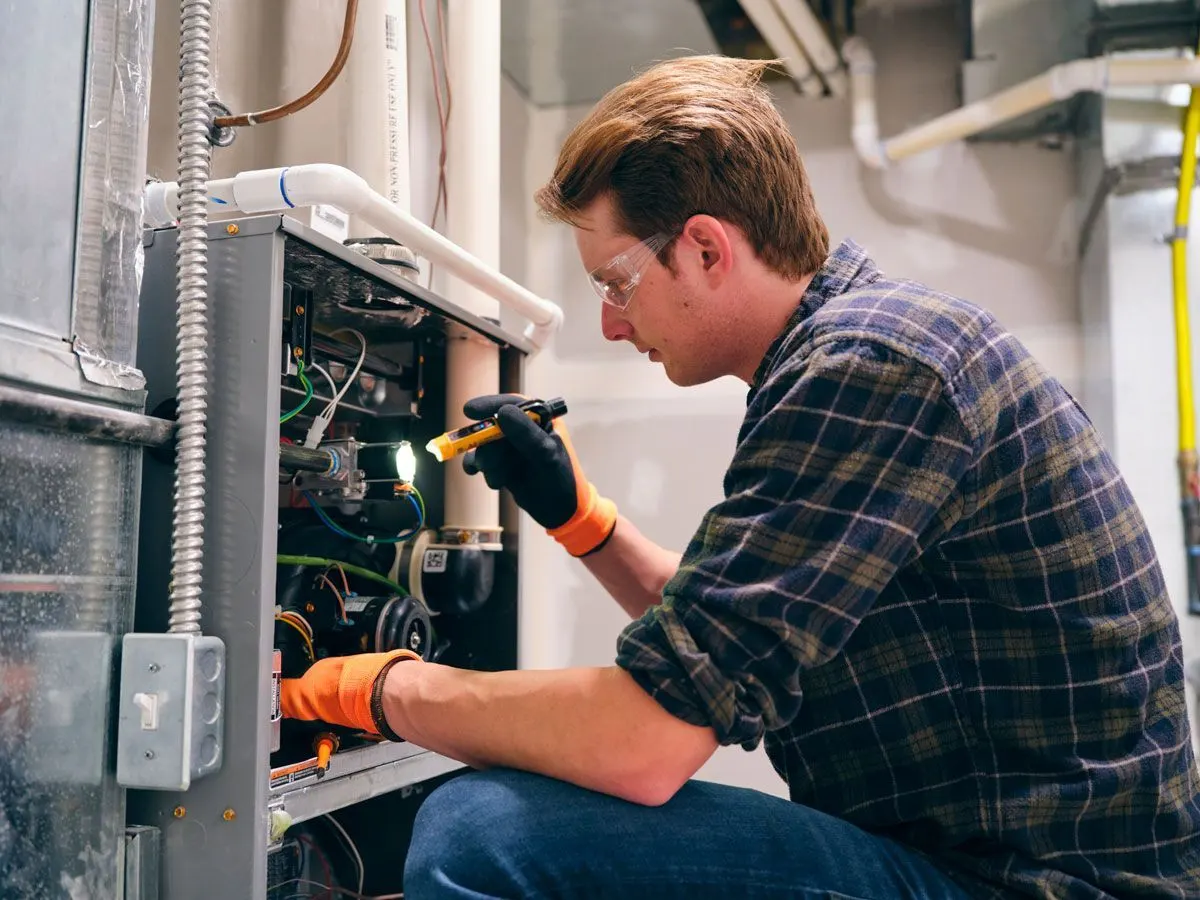
- Heat Exchanger Integrity: We look for tiny cracks that could leak carbon monoxide.
- Refrigerant Levels: Ensuring your system isn’t leaking “freon,” which kills efficiency and damages the environment.
Finding the right finding the right heating repair professional in chambersburg pa without getting burned means looking for a company that offers comprehensive maintenance plans that include priority service for members.
Navigating Costs and Professional Service Expectations
When you call for an emergency repair, it’s helpful to know what to expect. Most reputable companies will charge a diagnostic fee to send a technician to your home and identify the problem. Once the issue is found, they should provide you with a clear, upfront quote for the repair before any work begins.
Response times are critical. In the Tri-State area, we strive for same-day service, especially during extreme weather. If you’re wondering how to get same day heating repair in chambersburg pa, the secret is often calling as early in the morning as possible, as schedules fill up fast during heatwaves or cold snaps.
Understanding Costs and Emergency HVAC Repair Tips for the Tri-State Area Homeowners
Emergency service often carries a higher cost than a scheduled appointment. This is because companies have to pay technicians overtime rates to be available 24/7, on weekends, and on holidays. To keep costs manageable, look for smart savings your guide to affordable heating repair in chambersburg.
Factors that influence the final bill include:
- The time of day: After-hours and holiday calls usually have a surcharge.
- Part availability: If a proprietary part needs to be overnighted, costs go up.
- The complexity of the system: High-efficiency multi-stage systems may require more diagnostic time than a basic single-stage furnace.
Financial Assistance and Government Programs
We understand that an HVAC emergency can be a major financial blow. For low-income homeowners, elderly residents (60+), or those with disabilities in our service area, there are sometimes government grants or programs available to help with critical repairs.
Programs like the Emergency Repair Program (ERP) or LIHEAP (Low Income Home Energy Assistance Program) can provide funding for essential systems that pose a danger to health or safety. These grants often have specific income and residency requirements. Additionally, we offer flexible financing options to help you keep your wallet warm finding affordable residential heating repair in martinsburg without sacrificing your family’s safety.
Frequently Asked Questions about Tri-State HVAC Emergencies
What should I do if I smell gas near my furnace?
Stop what you are doing. Do not turn any lights on or off, and do not use your phone inside the house. Evacuate immediately and call 911 or your local gas utility from outside. Only after the gas company has cleared the home should you call an HVAC technician to repair the leak.
How long does an emergency repair visit typically take?
A standard diagnostic usually takes 30 to 60 minutes. Most common repairs — such as replacing a capacitor, a fan motor, or a flame sensor — can be completed within two hours if the technician has the part on their truck. More complex issues, like a cracked heat exchanger or a compressor replacement, may take longer or require a follow-up visit.
Can a dirty air filter cause my entire system to shut down?
Yes, absolutely. In the winter, a clogged filter causes the furnace to overheat, triggering a “limit switch” that shuts the burners off. In the summer, it causes the evaporator coil to freeze into a block of ice, eventually causing the system to stop cooling entirely. Changing your filter is the #1 way to avoid a service call.
Conclusion
Dealing with an HVAC failure is never fun, but being prepared can take the panic out of the situation. By following these emergency hvac repair tips for the tri state area homeowners, you can protect your home from damage and your family from the elements. Remember: check the basics like your thermostat and filters first, but never hesitate to call in the professionals when safety is at stake.
At Comfort Central HVAC & Plumbing, we’ve been keeping our neighbors in Maryland, West Virginia, and Pennsylvania comfortable since 2006. Whether you’re in Hagerstown, Martinsburg, or Chambersburg, our family-owned team is here to provide the expert, customer-focused service you deserve.
Don’t wait for the next polar vortex or heatwave to find out if your system is up to the task. Schedule your professional service today and give your family the peace of mind that comes with a reliable home comfort system.