
Why Learning How to Prevent HVAC Emergencies with Maintenance Could Save You a Lot of Stress
Knowing how to prevent HVAC emergencies with maintenance comes down to a handful of consistent habits:
- Change your air filter every 1–3 months to protect airflow and prevent overheating
- Schedule professional tune-ups twice a year — spring for your AC, fall for your furnace
- Keep outdoor units clear of debris, snow, and vegetation
- Watch for warning signs like unusual noises, odd smells, rising energy bills, or uneven temperatures
- Have coils, drains, and electrical connections inspected by a licensed technician at least once a year
Do these things regularly, and you dramatically cut your risk of a breakdown — research from ABM shows that consistent maintenance can reduce the chance of costly HVAC failures by up to 95%.
Most homeowners don’t think about their HVAC system until something goes wrong. Then it goes wrong on the hottest day in July or the coldest night in January — exactly when you need it most, and exactly when repair costs hurt the most. A survey by Hippo found that 42% of homeowners have already dealt with HVAC problems during a heat wave, and fewer than half report having their system serviced within the last year. Those two facts are not a coincidence.
The good news? The vast majority of HVAC emergencies are preventable. They don’t come out of nowhere. They build slowly — a clogged filter here, a neglected drain line there — until the system gives out at the worst possible time. Regular, simple maintenance is what stands between you and that moment.
If you live in Maryland, West Virginia, or Pennsylvania, you already know how hard the Mid-Atlantic climate can push an HVAC system. Humid summers in Frederick, icy winters in Shepherdstown, and everything in between means your equipment works hard year-round. Giving it the attention it needs isn’t optional — it’s how you protect your home and your family’s comfort.
I’m Merle Vaughn, a Master HVAC license holder in both Maryland and West Virginia with 20 years of hands-on experience helping homeowners prevent exactly the kind of emergencies we’ll cover in this guide on how to prevent HVAC emergencies with maintenance. Let’s walk through everything you need to know to keep your system running reliably, season after season.
How to Prevent HVAC Emergencies with Maintenance: A Proactive Approach
When we talk about maintenance, we aren’t just talking about a quick “look-over.” True preventive care is a comprehensive strategy designed to maximize system longevity and energy efficiency. Think of it like an oil change for your car; you wouldn’t drive 50,000 miles without one and expect the engine to survive. Your HVAC system is no different.
In our region—from the rolling hills of Martinsburg to the suburbs of Frederick—systems are often under immense strain. By focusing on Benefits of Regular HVAC Service: Prevent Breakdowns with Regular HVAC Service, you are essentially buying insurance for your home’s comfort. A well-maintained unit doesn’t just last longer; it runs more quietly and uses significantly less electricity, which is a major win for your monthly budget.
Defining a True HVAC Emergency
Not every weird noise is an emergency, but certain situations demand immediate professional attention. We define an HVAC emergency as any scenario that poses a direct threat to your health, safety, or the structural integrity of your home. These include:
- Gas Leaks: If you smell “rotten eggs,” shut off the gas and get out of the house immediately.
- Electrical Hazards: Burning smells, sparks, or a circuit breaker that keeps tripping could signal a fire risk.
- Complete System Failure in Extreme Weather: If it’s 10°F in Berkeley Springs and your furnace dies, your pipes could freeze, leading to a plumbing disaster. Similarly, extreme heat can be dangerous for the elderly or infants.
- Significant Water Leaks: A blocked condensate drain can send gallons of water into your drywall or flooring.
If you’re unsure if your situation qualifies, our FAQs page can help you distinguish between a routine repair and a critical failure.
The High Cost of Neglect in 2026
As we move through 2026, the costs of emergency services continue to rise. When a system fails due to neglect, you aren’t just paying for a part; you’re often paying for emergency after-hours labor and expedited shipping. In some cases, a neglected $200 repair turns into a $10,000 full-system replacement because a minor issue caused a “domino effect” that destroyed the compressor or heat exchanger.
While we offer Financing to help manage unexpected costs, the most affordable path is always prevention. Research shows that homeowners who invest in regular maintenance save significantly more over the life of the system than those who only call a technician when things break.
Recognizing the Signs of an Impending HVAC Emergency
Your HVAC system is usually very good at telling you it’s struggling—if you know how to listen. Most emergencies are preceded by “warning shots” that homeowners often ignore. If you notice any of the following, your system is likely crying out for Cooling Services or heating attention before a total shutdown occurs:
- Unusual Noises: Banging, screeching, or grinding sounds often indicate a loose belt, a failing motor bearing, or debris in the blower assembly.
- Acrid or Burning Smells: This often indicates electrical components are overheating or wires are melting.
- Short Cycling: If your unit turns on and off every few minutes without reaching the set temperature, it’s under extreme stress and could burn out the compressor.
- Weak Airflow: This is often a sign of a dangerously clogged filter or a failing blower motor.
How to Prevent HVAC Emergencies with Maintenance by Spotting Early Warning Signs
Learning how to prevent HVAC emergencies with maintenance also involves being a bit of a “system detective.” For instance, keep an eye on your utility bills. A sudden, unexplained spike in energy usage usually means a component is working twice as hard to do half the work.
Other subtle signs include:
- Refrigerant Leaks: If you see ice forming on the copper lines or the indoor coil during summer, you likely have a leak. This doesn’t just stop the cooling; it can permanently damage the compressor.
- Flickering Lights: If your lights flicker when the AC kicks on, it could mean your electrical connections are loose or the “start capacitor” is failing.
- Moisture Near the Unit: Pooling water around your furnace or indoor AC unit is a red flag for a clogged drain or a cracked heat exchanger.
Catching these early often qualifies you for Special Offers on seasonal tune-ups, saving you from the full-price sting of an emergency call.
When to Call for Professional Intervention
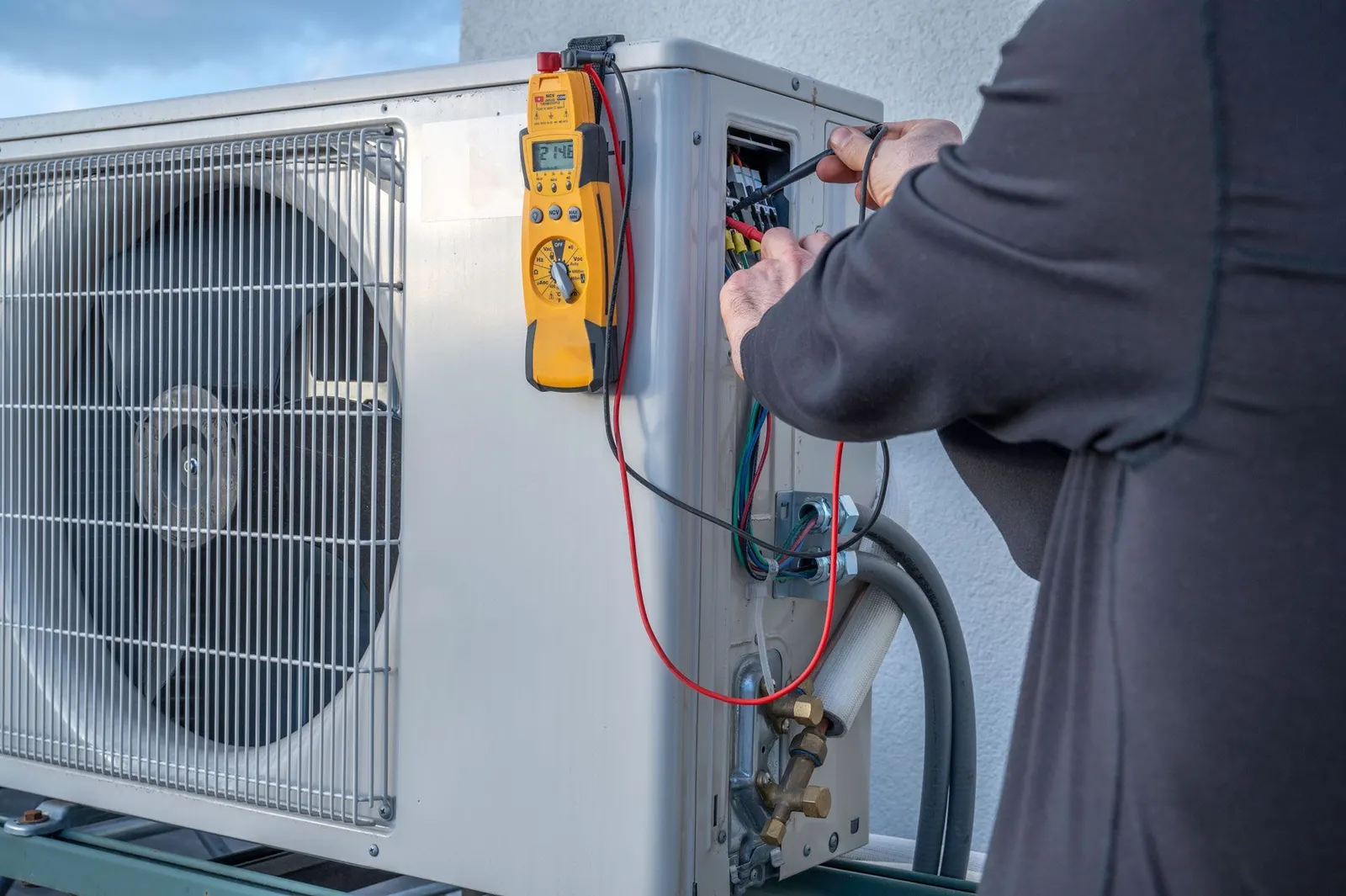
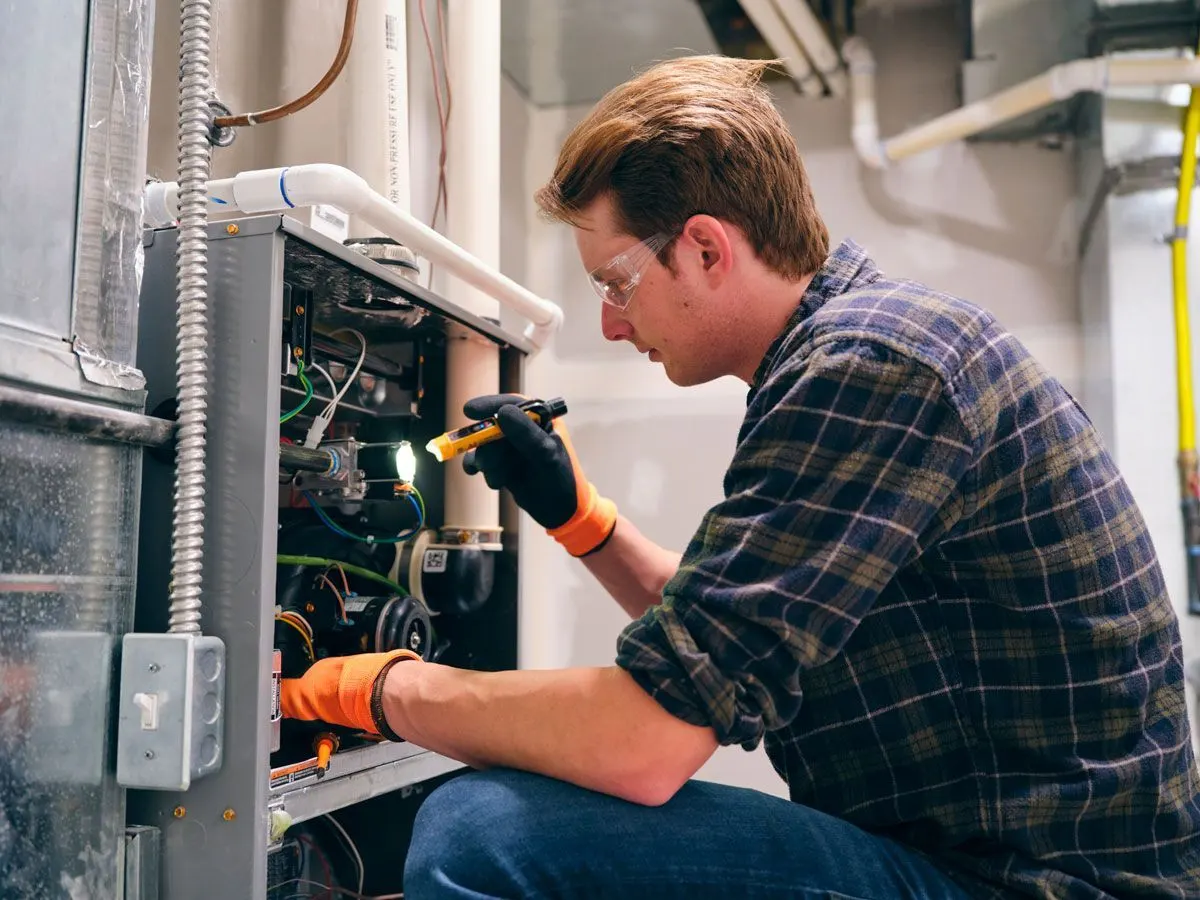
While DIY tasks are great, modern HVAC systems are complex machines that involve high-voltage electricity, flammable gases, and pressurized refrigerants. Professional technicians bring diagnostic expertise that a YouTube video simply can’t replace. We use specialized tools like multimeters to test electrical draw and thermal cameras to find duct leaks that are invisible to the eye.
When it comes to Heating Services, safety is the priority. Testing safety controls and checking for carbon monoxide leaks requires calibrated equipment and professional training. Don’t risk your family’s safety by trying to “handyman” a gas valve or a cracked heat exchanger.
The Essential Seasonal Maintenance Checklist for Mid-Atlantic Homeowners
The weather in Hagerstown and Chambersburg doesn’t play around. To keep your home comfortable, we recommend a “split” approach to maintenance.
| Spring AC Startup Tasks | Fall Furnace Preparation |
|---|---|
| Clean outdoor condenser coils | Inspect heat exchanger for cracks |
| Check refrigerant levels | Clean and adjust burner assembly |
| Inspect condensate drain lines | Test carbon monoxide detectors |
| Tighten electrical connections | Lubricate blower motor parts |
| Calibrate thermostat | Check gas pressure and pilot light |
By following this schedule, you ensure your system is ready for the specific demands of the upcoming season. You can find more details on these tasks in our guide on how to Prevent Breakdowns: Benefits of Regular HVAC Service.
How to Prevent HVAC Emergencies with Maintenance Through Monthly DIY Tasks
You don’t need a tool belt to be a maintenance hero. There are several simple tasks you can do every month to keep the “emergency monster” at bay:
- Filter Changes: This is the #1 thing you can do. A dirty filter restricts airflow, which makes the system overheat in winter and freeze up in summer. If you have pets in a place like Williamsport or Frederick, check your filter every 30 days.
- Clear the Perimeter: Ensure there are at least two feet of clear space around your outdoor unit. Trim back bushes and remove weeds. In winter, ensure snow isn’t burying the unit.
- Vent Check: Walk through your home and make sure furniture or curtains aren’t blocking supply or return vents. Restricted air leads to system strain.
- Drain Line Flush: Pouring a cup of vinegar down your condensate drain line every few months can prevent algae buildup that leads to clogs and water damage.
Professional Maintenance Milestones
While monthly checks are great, a professional should perform a deep dive at least twice a year. During these visits, we handle the “heavy lifting” that prevents major failures. This includes:
- Coil Cleaning: Dirty coils can reduce efficiency by up to 15%. We use specialized cleaners to remove the “Mid-Atlantic grime” that builds up over the season.
- Electrical Tightening: Vibrations from the unit can loosen wires over time, leading to sparks or component failure.
- Refrigerant Balancing: Too much or too little refrigerant can kill a compressor. We ensure it’s at the exact manufacturer-specified level.
- Drain Flushing: We use pressurized air or vacuums to ensure your drain lines are completely clear.
Many of our customers find that our Service Plans are the easiest way to ensure these milestones are never missed, providing peace of mind year-round.
Maximizing Efficiency and Reliability with Modern Technology
It’s April 2026, and the technology available to homeowners has never been better. Smart thermostats are no longer just about changing the temperature from your phone; they are powerful diagnostic tools. Many modern thermostats can monitor your system’s “run time” and alert you if it’s taking longer than usual to cool or heat your home—a classic sign of a developing problem.
Beyond thermostats, consider the impact of duct sealing. In a typical home, 20% to 30% of the air is lost through leaks and poorly connected ducts. This is like trying to blow air through a straw with holes in it. Sealing these leaks reduces the workload on your HVAC system, directly preventing HVAC emergencies with maintenance by reducing wear and tear.
Reducing System Strain in Extreme Weather
When the humidity hits in Charles Town or the deep freeze arrives in Shepherdstown, your HVAC system is at its most vulnerable. You can help it out by:
- Using Setbacks: Don’t ask your AC to maintain 68°F when it’s 100°F outside. Aim for a more reasonable 74-78°F to prevent the compressor from running 24/7.
- Insulation Checks: Ensure your attic is properly insulated. If heat is escaping through your roof in winter, your furnace has to work twice as hard to keep you warm.
- Heat Wave Protocols: During extreme heat, keep curtains closed on the sunny side of the house to reduce the “greenhouse effect.”
The Role of Professional Service Agreements
In cities like Chambersburg and Williamsport, the best technicians get booked up fast when the first heat wave hits. A professional service agreement is your “VIP pass.” Not only does it include your two annual maintenance visits, but it usually offers priority scheduling.
If your system does have an issue, having a documented history of maintenance makes the repair process much faster. It also protects your manufacturer’s warranty—most brands now require proof of professional maintenance to honor claims for major parts like compressors or heat exchangers.
Frequently Asked Questions About HVAC Maintenance
What constitutes an HVAC emergency that requires immediate attention?
An emergency is any situation that threatens your safety or your home. This includes gas smells (natural gas), burning odors (electrical), complete loss of heat during freezing temperatures, or major water leaks from the unit that could cause structural damage.
How much does regular HVAC maintenance cost compared to emergency repairs?
On average, a maintenance visit costs a fraction of an emergency repair. While a tune-up is a predictable, modest investment, emergency repairs can easily cost five to ten times as much, especially if major components like the blower motor or compressor fail due to neglect. Furthermore, regular maintenance can reduce energy bills by up to 20%, often paying for itself over the course of a season.
How can smart thermostats help prevent HVAC issues?
Smart thermostats track system performance and can send alerts to your phone if they detect unusual patterns, such as the system running for hours without the temperature changing. They also provide reminders for filter changes and can even be monitored remotely by your HVAC provider to catch issues before they lead to a total shutdown.
Conclusion
At Comfort Central Inc, we’ve been a family-owned staple since 2006, serving our neighbors across Maryland, West Virginia, and Pennsylvania. We know that your home is your sanctuary, and a broken HVAC system is a major disruption to that peace.
By understanding how to prevent HVAC emergencies with maintenance, you’re taking control of your home’s comfort and your financial well-being. Whether you’re in Hagerstown, Frederick, or Martinsburg, our team of licensed and insured experts is here to provide the customer-focused service you deserve. Don’t wait for the next weather extreme to find out if your system is up to the task.
Schedule your professional maintenance today and give your family the peace of mind that comes with a reliable, efficient home comfort system.