
Navigating Aging Equipment and Unexpected HVAC Failures
Your heating and cooling system is running constantly, yet certain rooms never seem to reach a comfortable temperature, leading you to search for reliable home maintenance tips and troubleshooting. That strange rattling noise from the utility closet isn’t going away on its own, and the frustration of recurring system issues only compounds as extreme weather approaches. You are facing a concrete problem: evaluating whether to repair or replace aging residential equipment before seasonal changes take full effect. The critical decision point is deciding if the cost of ongoing, frustrating repairs finally outweighs the investment of a full system replacement.
Objective troubleshooting provides the clarity required before making major financial decisions. Taking action during the pre-season maintenance window gives you the necessary time to weigh your options without the pressure of an active emergency. When equipment fails in the dead of winter or during a peak summer heatwave, the urgency often forces rushed, stressful decisions. By evaluating your system proactively, you gain leverage and peace of mind. This guide provides a roadmap for moving from basic homeowner checks to a structured, pressure-free repair-versus-replace framework.
For a comprehensive evaluation, explore our professional HVAC and plumbing services or contact our local experts to schedule a diagnostic visit.
First Steps: Safe Homeowner Checks Before Calling a Professional
Before assuming your system requires a major overhaul, there are several safe, preliminary troubleshooting steps a homeowner can take. It is crucial to maintain a strict boundary between safe homeowner observation and dangerous internal mechanical repairs. Never open electrical panels or handle refrigerant lines, as these tasks require a licensed professional. However, utilizing the pre-season maintenance window to check these basics can save you from unnecessary service calls.
- Verify thermostat settings: A surprising number of service calls originate from a thermostat that was accidentally bumped. Ensure the system is set to the correct mode (heat or cool) and that the fan is set to “auto” rather than “on.” If the screen is blank, replace the batteries before proceeding further.
- Inspect and replace air filters: A severely clogged air filter restricts airflow, which can cause an air conditioner’s evaporator coil to freeze solid or a furnace’s heat exchanger to overheat and shut down. Check your filter monthly and replace it if you can no longer see light passing through the media.
- Check for tripped circuit breakers: Power surges or temporary overloads can cause the dedicated breaker for your HVAC system to trip. Locate your main electrical panel and look for a switch that has moved to the middle position. You can safely reset it once. If it trips a second time, leave it off and call a professional, as this indicates a serious electrical short.
- Clear the outdoor unit perimeter: The outdoor condenser needs adequate airflow to exhaust heat. Ensure there is at least a two-foot clearance around the unit, free from overgrown shrubs, accumulated leaves, or heavy snowdrifts.
Listening to Your System
Unusual operational noises often precede mechanical failure. Paying attention to these sounds is a vital part of safe homeowner troubleshooting. A high-pitched squeal might indicate a failing blower motor belt, while a loud metallic banging could point to a broken internal component. Documenting these specific sounds—and noting exactly when they occur during the heating or cooling cycle—helps technicians diagnose the issue much faster when they arrive.
Identifying Common Component Failures in Aging Systems
As heating and cooling systems age, specific parts endure immense mechanical and electrical stress. Educating yourself on the typical components that fail provides a neutral, expert overview of what professional diagnostics actually uncover. Catching a weak component during the pre-season maintenance window often prevents a cascading failure that damages more expensive parts.
Electrical capacitors are among the most common failure points in an air conditioning system. These small, cylindrical devices act as heavy-duty batteries that store energy to jump-start the compressor and blower motors. Over time, heat and rapid cycling cause capacitors to bulge, leak fluid, or lose their ability to hold a charge. While a technician can replace a capacitor quickly if the part is in stock, a failing capacitor often indicates general system wear and tear. If you hear a distinct electrical humming or buzzing sound from the outdoor unit without the fan spinning, it might be a failing capacitor—a great example of decoding weird AC noises.
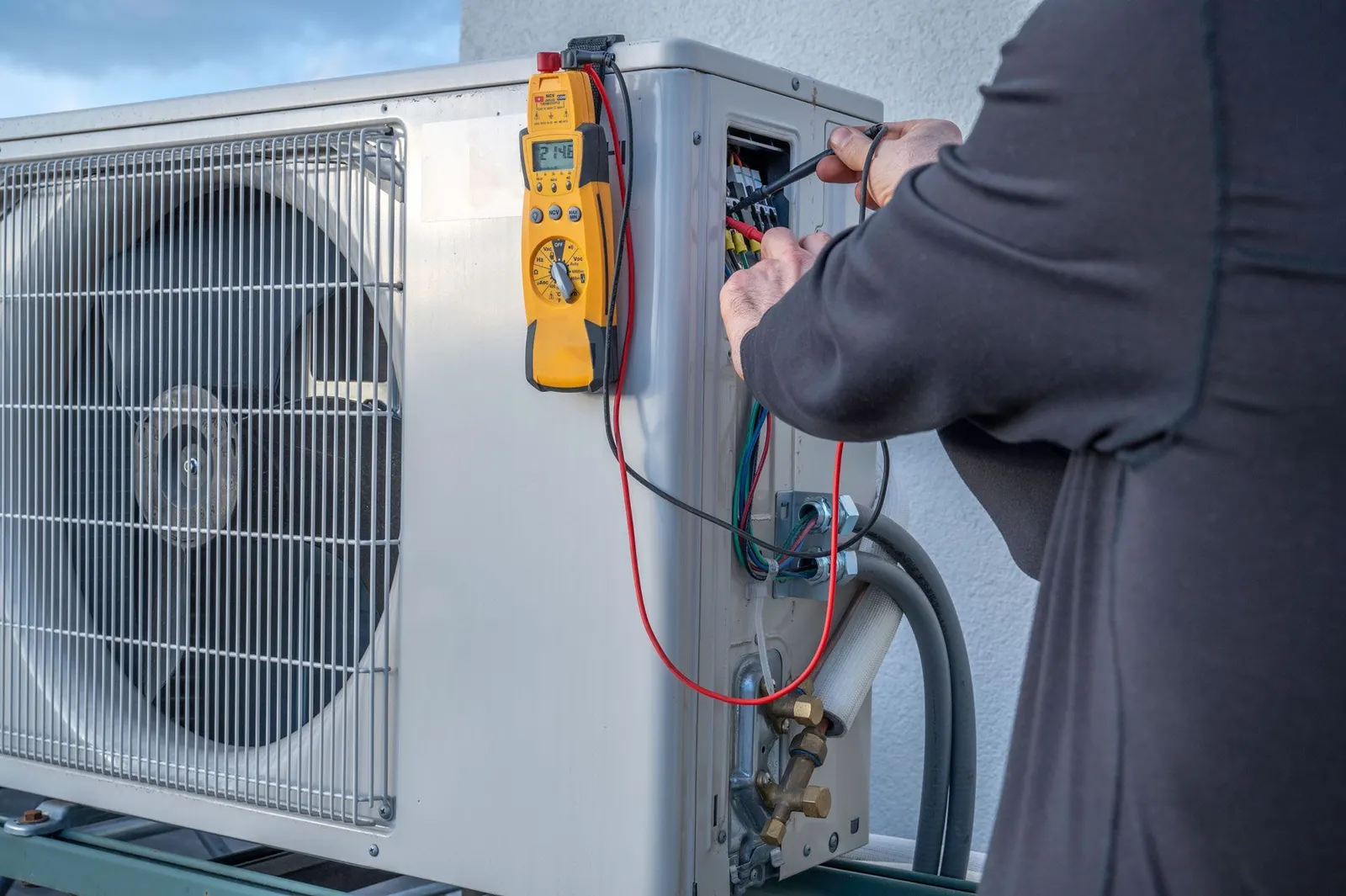
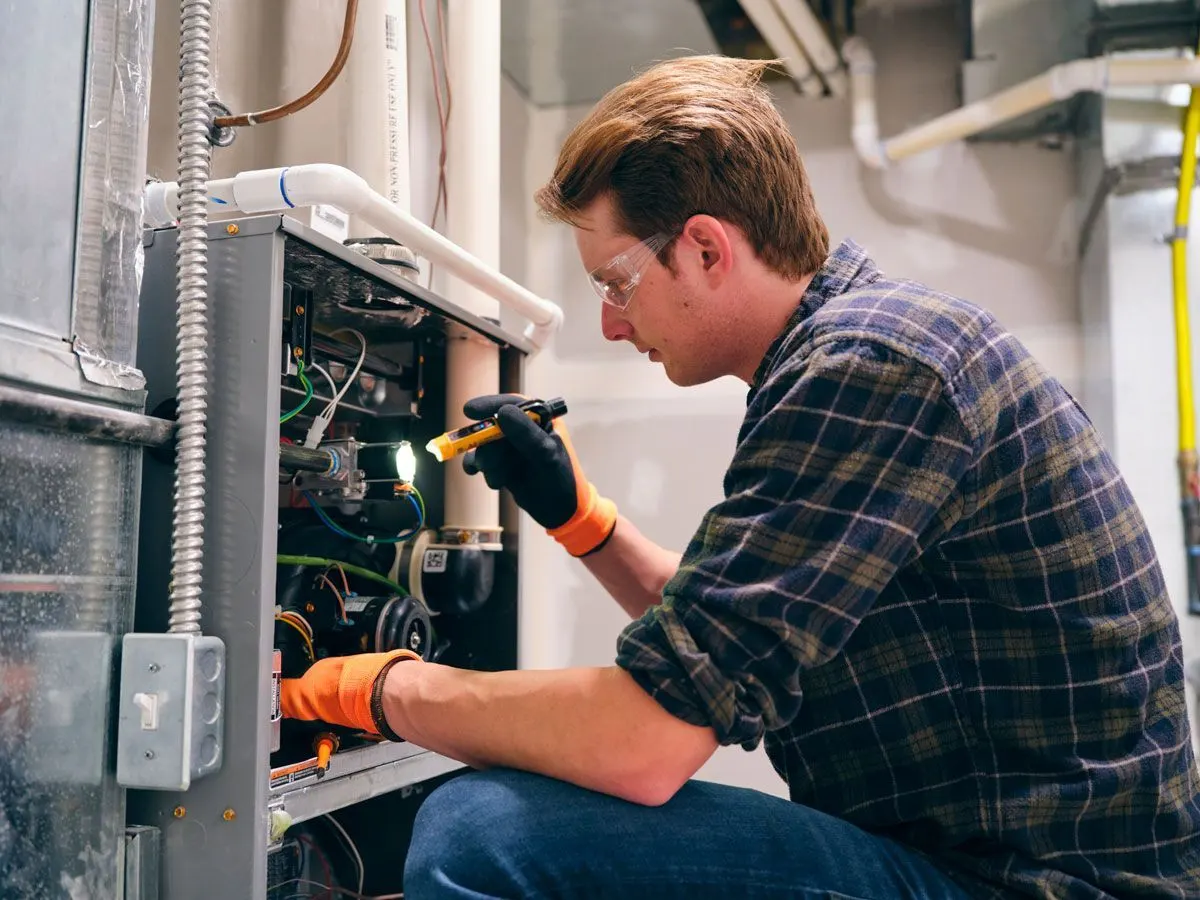
Flame sensors and pressure switches are frequent culprits in furnace failures. A flame sensor is a safety device designed to detect whether gas is actively burning; if it becomes coated in microscopic carbon deposits, it will shut the system down to prevent a dangerous gas buildup. Similarly, pressure switches monitor the exhaust draft to ensure toxic fumes are venting safely outdoors. If a vent pipe is partially blocked, the switch will intentionally disable the furnace. Diagnosing these specific component failures requires professional testing tools, such as digital multimeters and manometers, to measure electrical resistance and precise air pressure.
How the Mid-Atlantic Climate Accelerates HVAC Wear and Tear
National averages suggest that a standard residential furnace should last 15 to 20 years, while a central air conditioner typically lasts 10 to 15 years. However, these figures are often based on moderate, temperate climates. The reality for homeowners in the Mid-Atlantic and Tri-State area is significantly different due to the intense regional weather patterns.
The Problem: The Mid-Atlantic’s distinct four seasons force dual-season equipment to operate near peak capacity almost year-round. Unlike coastal regions where heating or cooling systems might sit dormant for months, local systems rarely get a break.
The Cause: Freezing winters plunge temperatures well below freezing, placing immense thermal stress on metal heat exchangers that must rapidly expand and contract. Conversely, the high-humidity summers mean air conditioners must run exceptionally long cycles not just to lower the air temperature, but to wring heavy moisture out of the indoor air. This continuous, heavy-duty workload accelerates mechanical wear on blower motors, compressors, and electrical relays.
The Solution: Because this regional workload actively shortens the standard lifespan of HVAC equipment, proactive evaluations are non-negotiable. Scheduling comprehensive evaluations during the pre-season maintenance window ensures your system is prepared for the most extreme temperature swings. For homeowners looking to prepare their systems for the harsh winter months, exploring specialized Hagerstown heating services provides the localized expertise necessary to combat this accelerated wear and tear.
The 50 Percent Rule: Evaluating Repair Costs Versus Replacement
When facing a significant system failure, the choice between authorizing a major repair or investing in a full replacement can feel overwhelming. Introducing an objective, pressure-free formula helps you decide the most cost-effective path forward without relying on guesswork.
The industry-standard metric is known as the 50 percent rule: if the cost of the proposed repair exceeds half the value of a new, comparable replacement system, replacement is generally the recommended financial decision. Applying this rule during the pre-season maintenance window gives you the time to gather multiple quotes and weigh the numbers logically.
- Assess the system’s age: Compare your unit’s current age against the Department of Energy lifespan averages (10-15 years for AC, 15-20 years for furnaces). If the unit is past 75 percent of its expected lifespan, extensive repairs rarely yield a good return on investment.
- Factor in frequency of breakdowns: Two minor repairs in a single season indicate a system that is beginning to nickel-and-dime you, shifting the math in favor of replacement.
- Evaluate warranty status: A major component failure, like a cracked heat exchanger or a seized compressor, is catastrophic if the manufacturer’s parts warranty has expired.
Calculating Long-Term Value
Beyond the immediate repair estimate, you must consider the hidden costs of ongoing inefficiency. Aging equipment naturally loses its energy efficiency over time. A 12-year-old air conditioner with a low SEER (Seasonal Energy Efficiency Ratio) rating consumes significantly more electricity to provide the same cooling output as a modern, high-efficiency unit. When calculating long-term value, you must weigh the out-of-pocket risks of keeping an old system alive against the utility savings and comprehensive warranty coverage provided by a new installation.
| System Age | Repair Cost vs. New System | Efficiency / Warranty Status | Objective Recommendation |
|---|---|---|---|
| Under 5 Years | Less than 20% | High efficiency / Under warranty | Proceed with Repair |
| 7 to 10 Years | 25% to 40% | Moderate efficiency / Warranty ending | Weigh Options Carefully |
| Over 12 Years | Greater than 50% | Low efficiency / Out of warranty | Plan for Replacement |
Why Transparent Professional Diagnostics Matter
Accurate diagnostics are the absolute foundation of the 50 percent rule evaluation. You cannot make an objective financial decision if the underlying mechanical data is flawed or rushed. This is why honest, pressure-free professional evaluations are critical for homeowners facing aging equipment.
A proper diagnostic visit should never be a five-minute glance followed by a high-pressure sales pitch. It involves significant time explaining the system’s exact condition. A skilled technician will use digital manifold gauges to check precise refrigerant pressures, utilize multimeters to test the microfarad readings of capacitors, and insert inspection cameras to check for hairline fractures in the heat exchanger. You deserve a transparent breakdown of these findings.
Working with a company grounded in strong family values and honest home repairs means you receive this data clearly and respectfully. Transparency builds trust. An honest technician will readily identify cost-effective repairs when a full replacement isn’t yet necessary, helping you extend the life of your equipment safely. If you are scheduling diagnostics during the pre-season maintenance window, you should expect the technician to walk you through the readings and explain exactly what they mean for your home’s comfort. For a deeper look at what this process entails locally, reviewing an AC repair in Martinsburg guide can help set the right expectations for your next service visit.
Frequently Asked Questions About HVAC Troubleshooting
When should I replace my HVAC instead of repairing it?
You should generally replace your HVAC system when repair costs exceed 50 percent of the cost of a new unit. Additionally, if your air conditioner is over 12 years old, requires frequent minor repairs, or uses outdated, phased-out refrigerant, replacement is the more cost-effective long-term choice. Upgrading also provides immediate benefits in energy efficiency and restores full warranty protection.
What are the first things to check when an HVAC system fails?
The very first things to check are your thermostat settings, your air filter, and your electrical panel. Ensure the thermostat has fresh batteries and is set to the correct mode. A severely clogged air filter can cause the entire system to shut down to prevent overheating, while a tripped circuit breaker will completely cut power to the unit.
How do I troubleshoot my HVAC system before calling a pro?
Troubleshoot your system by verifying the basics: check the breaker, inspect the filter, and ensure the outdoor unit is clear of debris. Listen closely for unusual grinding or squealing noises, and note whether the air coming from the vents matches the thermostat setting. Never attempt to open the system cabinet or handle electrical wiring yourself.
What are the most common HVAC problems in older homes?
Older homes frequently struggle with inadequate insulation, leaky ductwork, and aging HVAC components that have lost their original efficiency. Common mechanical problems include failing electrical capacitors, worn-out blower motors, and cracked heat exchangers. Utilizing the pre-season maintenance window is the best way to catch these age-related issues before they cause a total breakdown.
How does the 50 percent rule work for HVAC repairs?
The 50 percent rule is a financial guideline stating that if a repair estimate is more than half the cost of a brand-new system, you should replace the unit instead. This rule helps homeowners avoid pouring money into failing equipment. It is most effective when combined with an evaluation of the system’s age and current warranty status.
What should I expect during a professional HVAC diagnostic visit?
During a professional diagnostic visit, expect the technician to spend time thoroughly testing electrical components, measuring airflow, and checking refrigerant levels. They should provide a transparent, pressure-free explanation of their findings. You should receive a clear breakdown of repair options versus replacement costs, allowing you to make an informed decision based on objective data.
Next Steps for Your Home’s Climate Control System
Navigating the complexities of aging heating and cooling equipment does not have to be a stressful, rushed experience. By summarizing the value of using a structured formula—like the 50 percent rule—you can determine the most cost-effective path forward with confidence. Understanding the difference between a simple clogged filter and a failing compressor empowers you to make objective decisions regarding your property.
We strongly encourage homeowners to utilize the pre-season maintenance window for these evaluations, securing peace of mind before extreme weather arrives. Take the time to explore professional, transparent diagnostic options to get the precise data you need. Ultimately, having a clear, objective checklist or formula to determine the most cost-effective path forward for your equipment ensures your home remains comfortable and your budget remains protected.