
The Chill of the First Fall Cold Snap
Here at Comfort Central Inc., we see this every fall: your thermostat clicks to 'heat' for the first time, but instead of a steady flow of warm air, you get short, erratic cycles—a clear sign that executing a proper seasonal home maintenance checklist is necessary before winter fully arrives. The frustration of an October heating startup failure is a common experience for many homeowners we serve. After months of relying heavily on your cooling equipment to battle the summer heat, the sudden transition to heating operations often exposes underlying mechanical wear and tear that developed while the furnace sat idle.
Understanding exactly why a system struggles during this critical window is the key to making informed decisions about your home's comfort. Recognizing the difference between a simple airflow restriction and a complex mechanical failure helps you determine if a basic filter change will solve the problem, or if it is time to have our team start evaluating your long-term air conditioning systems and heating setups for future upgrades. By breaking down the mechanical realities of the startup process, you can protect your equipment and avoid unexpected breakdowns when the temperature drops.
How Summer Humidity Stresses Your System Before Winter
The Problem: Heavy summer usage leaves your HVAC components fatigued just as they are expected to completely switch their operational focus for the winter. In our years serving the Williamsport MD area, our technicians have seen firsthand how local systems endure a demanding, year-round workload. The region experiences both freezing, bitter winters and hot, intensely humid summers, meaning local equipment rarely gets a true break. This constant environmental strain significantly alters the expected lifespan of a heating and cooling system compared to national averages.
The Cause: While your air conditioner runs constantly throughout July and August, the internal heating components sit idle in damp, humid conditions for months. This extended downtime in a high-humidity environment leads to a host of silent issues. Dust builds up on critical sensors, oxidation forms on electrical contacts, and residual moisture can affect the ignition systems. When you finally demand heat in the fall, these dirty or oxidized components struggle to communicate with the control board, leading to restricted airflow or complete ignition failure.
The Solution: Proactive care during the cooling season directly impacts how well your equipment transitions into heating mode. Scheduling regular AC maintenance with our team not only keeps the summer cooling efficient but ensures the shared components—like the blower motor and indoor coil—remain clean and balanced. Keeping the indoor air handler pristine during the summer prevents a cascading effect of dust and debris from smothering your furnace burners and sensors come October.
Understanding the Furnace Startup Sequence
To understand why an October heating startup often reveals hidden issues, our technicians always explain what happens inside the cabinet when you adjust the thermostat. A modern furnace does not simply ignite all at once; it follows a strict, multi-stage safety sequence. If any step fails, the system locks itself out to protect your home.
- The Thermostat Call: The sequence begins when the indoor temperature drops below your setpoint. The thermostat sends a low-voltage electrical signal to the furnace's main control board, initiating the heating cycle.
- The Draft Inducer Motor: Before any gas is released, the control board energizes the draft inducer motor. This small fan pulls air through the heat exchanger, clearing out any residual, potentially dangerous gases from previous cycles. A pressure switch verifies that this exhaust draft is strong enough to safely vent combustion byproducts outdoors.
- The Ignitor and Gas Valve: Once the pressure switch confirms safe venting, the control board sends power to the ignitor. Depending on the model, this is either a hot surface ignitor that glows bright orange or a direct spark mechanism. After a precise timing delay to ensure the ignitor is ready, the gas valve opens, releasing fuel into the burners to be ignited.
- Flame Sensor Verification: The moment the gas ignites, a specialized flame sensor is bathed in the fire. This sensor detects the presence of a safe, steady flame. If the sensor does not detect a flame within a few seconds—often due to soot or oxidation buildup from summer humidity—it immediately shuts the gas valve down to prevent unburned fuel from pooling in your home.
- The Blower Motor: Finally, once the flame is established and the heat exchanger reaches the proper temperature, the main blower motor activates. This distributes the newly heated air through your ductwork and into your living spaces.
An interruption at any of these stages is a built-in safety mechanism, not just a nuisance. When we find a system repeatedly attempting this sequence and shutting down, it is doing exactly what it was designed to do: protecting you from carbon monoxide exposure or fire hazards.

Safe DIY Limits vs. Professional Heating Diagnostics
When your system fails its startup sequence, the immediate instinct is to try and fix it yourself. However, we always remind our Williamsport customers that modern heating equipment involves high-voltage electricity, combustible gases, and strict ventilation requirements. Setting a definitive threshold for what a homeowner can safely check versus when a licensed professional is required is crucial for your safety and the longevity of your equipment.
Safe Homeowner Tasks: There are several foundational checks you should perform before calling our experts. Start by checking your thermostat batteries; a weak battery can cause erratic signals. Next, ensure all supply and return vents in the home are fully open and unobstructed by furniture or rugs. Finally, and most importantly, inspect and replace dirty air filters. Restricted airflow from a clogged filter is a leading cause of furnace short-cycling and heat exchanger overheating.
The Danger Zone: Once you move past the thermostat, vents, and filters, you enter territory that requires specialized training. We strongly advise that you never attempt to bypass safety limit switches, manually clean delicate flame sensors, or adjust gas valve pressures without a proper license. These components are highly sensitive, and improper handling can lead to catastrophic damage or severe safety hazards.
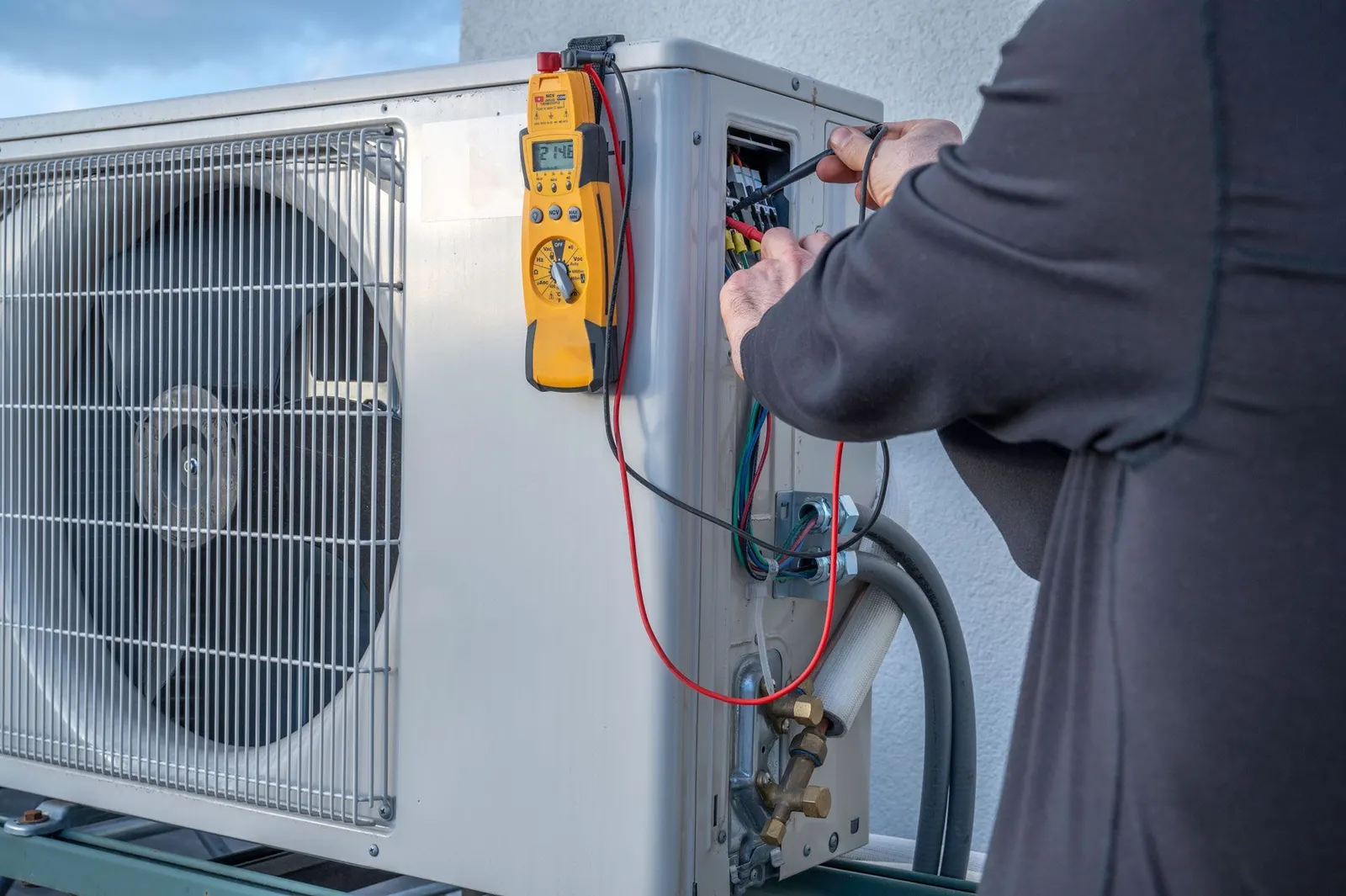
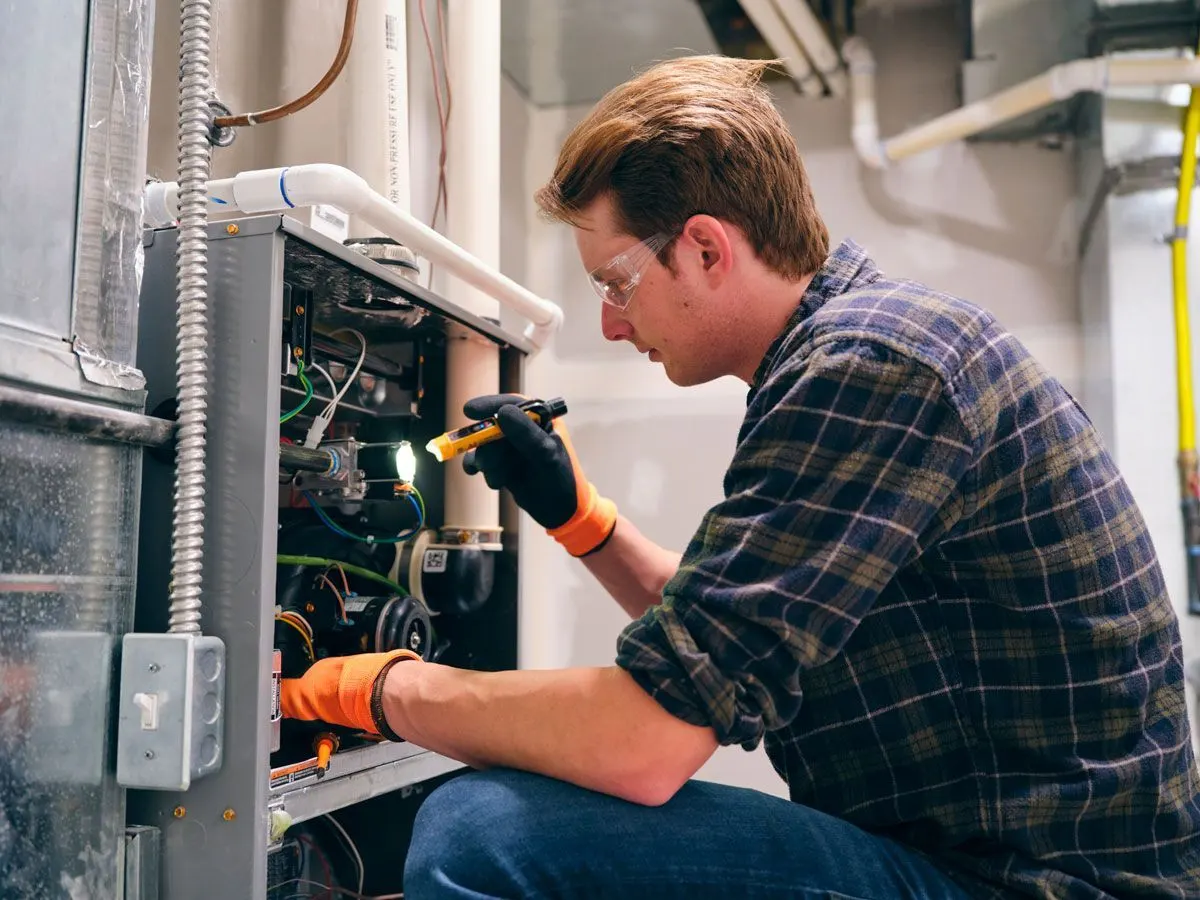
Just as complex cooling breakdowns during the peak of summer require professional AC repair services in Williamsport, winter ignition failures demand expert heating diagnostics. Our certified technicians use calibrated multimeters and combustion analyzers to pinpoint the exact point of failure within the startup sequence, ensuring the repair is handled safely and correctly the first time.
How Short-Cycling Drastically Reduces System Lifespan
The Problem: Short-cycling occurs when a heating system repeatedly turns on and off before completing a full, adequate heating cycle. During an October heating startup, you might hear the furnace ignite, run for two minutes, and abruptly shut down, only to try again shortly after. Our team frequently diagnoses this issue, and it is not just an annoying noise; it is a severe mechanical strain.
The Cause: Short-cycling is almost always triggered by a safety switch. Most commonly, a heavily soiled air filter restricts the blower from pulling enough cool air over the heat exchanger. The internal temperature spikes rapidly, and the high-limit safety switch forcefully shuts the burners off to prevent a fire. Once the metal cools down, the system tries again, creating an endless loop of thermal expansion and contraction.
The Solution: The mechanical toll short-cycling takes on the blower motor, heat exchanger, and ignition components is immense. The highest electrical draw and mechanical stress occur during the startup phase. By constantly starting and stopping, the motors overheat and the heat exchanger metal fatigues, which drastically reduces the overall lifespan of the unit. Routine maintenance helps HVAC systems retain up to 95 percent of their original efficiency, whereas ignoring short-cycling accelerates permanent wear. Addressing these early fall performance issues is a critical step in preventing unexpected HVAC emergencies during freezing weather later in the season.
Your Essential Seasonal Home Maintenance Checklist
To maximize the lifespan of your heating system and ensure a safe, efficient winter, our Comfort Central Inc. experts recommend following this structured, actionable seasonal home maintenance checklist every fall. Proactive care is always more effective than reactive emergency repairs.
- Document baseline age and history: Take a moment to record the age of your current HVAC unit and review its past maintenance history. Knowing whether your system is five years old or fifteen years old helps you set realistic expectations for its performance and helps our technicians diagnose recurring issues faster.
- Schedule a professional fall tune-up: Book a comprehensive inspection with our team before the first major freeze. A technician will clean the flame sensor, test the ignitor's electrical resistance, and verify that the gas pressure is safely calibrated for the upcoming winter workload.
- Inspect and replace all indoor air filters: Pull out your current filter and hold it up to a light. If you cannot see light passing through the media, it is time for a replacement. Guaranteeing proper airflow is the single most effective way to prevent overheating and short-cycling during an October heating startup.
- Clear debris from outdoor units and indoor vents: Rake away fallen leaves, twigs, and dirt from around your outdoor heat pump or AC condenser. Inside the home, vacuum the dust out of your supply registers and ensure no heavy drapes or furniture block the return air grilles.
- Test carbon monoxide detectors: Because gas furnaces produce combustion byproducts, functional carbon monoxide detectors are non-negotiable. Press the test button on every unit in your home, replace the batteries, and ensure you have detectors installed near every sleeping area to guarantee safe winter operation.
Honest Diagnostics: Maximizing Your Current System's Life
Homeowners often face significant anxiety when an aging system struggles during its first fall startup. The immediate fear is that a failure to ignite means the entire furnace is permanently broken and requires a massive investment. However, in our experience, there is a vast difference between a system that needs a simple, targeted repair—like replacing a worn ignitor—and one that has genuinely reached the end of its safe operational lifespan due to a cracked heat exchanger.
Providing honest, objective diagnostics helps homeowners maximize their current system's lifespan before a full replacement is ever recommended. For example, during an aging system inspection this past spring for a local resident, our lead technician conducted a thorough evaluation and revealed that the equipment simply needed precise, targeted adjustments rather than a complete overhaul. We pride ourselves on being upfront about what actually needs to be done, providing clear guidance and thorough explanations without unnecessary pressure.
This level of objective assessment provides immense peace of mind. By accurately diagnosing the exact stage where the startup sequence is failing, professionals can often extend the life of your current setup through precise maintenance. You should only replace equipment when it is genuinely necessary for safety, or when the cost of recurring repairs outweighs the efficiency benefits and potential utility incentives of installing a new unit.
Frequently Asked Questions About HVAC Lifespan and Startup
Why is my heating system short cycling in the fall?
When our customers ask why their heating system is short cycling in the fall, it is almost always caused by restricted airflow from dirty filters left over from the heavy summer cooling season. When the air filter is clogged, the heat exchanger cannot dissipate its heat fast enough, causing the high-limit safety switch to shut the system down to prevent a fire. It can also indicate a failing flame sensor that is covered in summer dust, or a more serious issue like an overheating heat exchanger. Replacing the filter is the first step; if the problem persists, professional diagnostics from our team are required.
What should I check before calling an HVAC technician?
Before calling for professional help, verify your thermostat settings are correctly switched to "heat" and check the batteries to ensure they are providing a strong signal. Inspect and replace the indoor air filter, as severe clogs mimic serious mechanical failures by restricting vital airflow. Finally, ensure the circuit breakers connected to your indoor and outdoor units are not tripped. If these basic homeowner checks do not resolve the issue, it is time to call a licensed expert.
How does a furnace startup sequence work?
The furnace startup sequence is a staged, sequential safety process involving the inducer motor, the ignitor, the gas valve, and the main blower. It is designed to ensure that volatile gases are safely vented and ignited before warm air is ever pushed into your living space. Failure at any individual stage safely locks the system out to prevent hazardous conditions like gas leaks or carbon monoxide buildup. Understanding this sequence helps explain why a furnace might click or hum without actually producing heat.
How do I know if my furnace ignitor is bad?
If your furnace ignitor is bad, the system may blow cold air, or you may hear the system click and the inducer motor run without the burners ever actually igniting. You might also notice the system repeatedly trying to start and then shutting down after a few minutes. Confirming a bad ignitor requires a professional multimeter test by a certified technician to safely measure electrical resistance and confirm the failure without risking exposure to high voltage or gas.
How does regular maintenance affect my HVAC system's lifespan?
Routine tune-ups drastically reduce mechanical strain, helping systems retain up to 95 percent of their original operating efficiency over their lifespan. By cleaning sensors, lubricating moving parts, and ensuring proper airflow, our maintenance services prevent minor wear and tear from cascading into catastrophic component failure. Regular inspections also catch small issues, like a failing capacitor or a dirty flame sensor, before they cause the system to short-cycle and damage the expensive heat exchanger.
Protect Your Comfort This Season
Understanding your system's startup sequence empowers you to recognize the critical difference between a dirty filter you can change yourself and a mechanical failure that requires immediate professional help. Addressing early fall performance issues, like an October heating startup failure or persistent short-cycling, protects the long-term lifespan of your equipment and keeps your home safe.
If your system is struggling to keep up with the changing weather, do not wait for a complete breakdown in the middle of a freezing night. Explore professional assessments with Comfort Central Inc. to safely diagnose startup failures, restore your system's efficiency, or discuss future AC replacement options and generic energy rebates when the time is right to upgrade your home's comfort.