Ensure your Inwood, WV heat pump runs efficiently with expert maintenance & tune-up services. Prevent costly breakdowns and high energy bills.
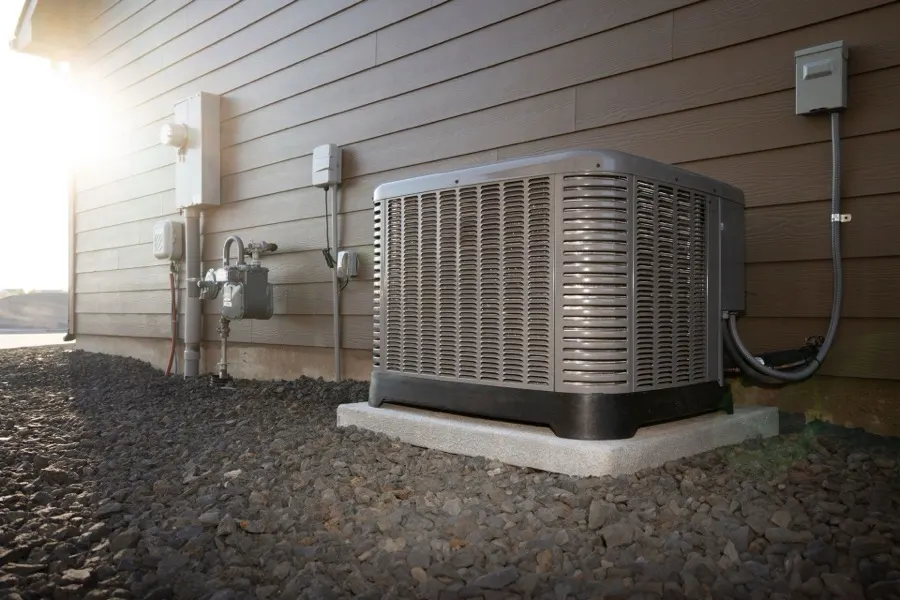
Heat Pump Maintenance & Tune-Up in Inwood, WV
Are you noticing your heat pump constantly running but failing to truly keep your Inwood home comfortable, or perhaps leaving the air feeling sticky and humid while your energy bills creep up? These aren't just minor annoyances; they are clear indicators your system is working much harder than it should be, potentially wasting energy and leading to expensive breakdowns. As a family-owned and operated HVAC specialist since 2006, Comfort Central is ready to provide the thorough maintenance and tune-up your system needs to run efficiently and reliably.
Warning Signs Your Heat Pump Needs Attention
Unexplained Spikes in Energy Bills
Your monthly utility statements might show a noticeable increase even though your thermostat settings have not changed at all. You might assume this is just normal fluctuation, but a sudden or steady climb in energy costs usually points directly to an inefficient HVAC system. When components are dirty or struggling, the system consumes significantly more electricity to achieve the same level of comfort. An inefficient heat pump has to work longer hours to reach and maintain your desired temperature. This increased energy consumption directly translates to higher operational costs that drain your wallet month after month. If ignored, the continuous strain on these components can lead to premature wear and tear, potentially resulting in costly breakdowns and a shortened lifespan for your entire system.
Uneven Heating or Cooling Across Rooms
Some rooms in your home might feel perfectly comfortable, while others are noticeably too hot, too cold, or just never seem to reach the temperature set on the thermostat. You might find yourself avoiding certain areas of the house or relying on portable fans and space heaters just to stay comfortable. This frustrating inconsistency is a major red flag that your system is not distributing conditioned air properly. This uneven airflow often indicates issues like clogged filters, dirty interior coils, or a system that is failing to operate at peak capacity. Beyond the immediate discomfort, uneven temperatures mean your system is likely running longer and less efficiently as it tries to compensate for the imbalance. This ongoing struggle puts excessive stress on the blower motor and compressor, accelerating the need for major repairs.
Strange Mechanical Noises or Musty Odors
You might start hearing unusual sounds like grinding, hissing, buzzing, or squealing coming from either your indoor air handler or the outdoor unit. Alternatively, you might detect musty, burning, or electrical smells circulating through your vents every time the system cycles on. A healthy heat pump should operate relatively quietly and should never introduce unpleasant odors into your living space. Grinding noises often point to failing motor bearings, hissing can indicate a refrigerant leak, and buzzing usually signals an electrical issue. Musty odors are particularly common when biological growth like mold or mildew takes hold on the indoor coil or within a backed-up drain pan. Ignoring these sounds and smells can lead to a complete system breakdown, potential safety hazards, and severely compromised indoor air quality.
Visible Ice or Excessive Water Around the Unit
You might walk outside and see ice building up on the exterior unit, even when the outdoor temperatures are not extremely cold. Indoors, you might notice excessive water leaking from the air handler's drain pan, pooling around the base of the unit, or leaving water stains on nearby walls and ceilings. Neither of these situations is normal, and both require immediate professional assessment. Ice on the outdoor unit usually indicates a malfunctioning defrost cycle or low refrigerant levels, which severely impacts the system's ability to transfer heat. Excessive water indoors points to a clogged condensate drain line or a backed-up drain pan that can no longer manage the moisture pulled from your home's air. An iced-up unit can quickly destroy the compressor, while indoor water leaks can cause extensive property damage and foster dangerous mold growth.
Frequent Short Cycling or Constant Running
Your system might turn on and off much more frequently than it used to, a problem known as short cycling in the HVAC industry. Conversely, it might seem to run almost non-stop, running continuously for hours without ever truly satisfying the thermostat setting. Both of these operational extremes indicate that the system is failing to correctly measure or manage the temperature in your home. Short cycling can be caused by thermostat miscalibration, electrical issues, or a system that is struggling with restricted airflow. Constant running often means the unit has dirty coils or is struggling to overcome poor insulation and air leaks. Both scenarios put excessive and unnecessary strain on the compressor, leading to accelerated mechanical wear, massive energy consumption, and a significantly reduced lifespan for the equipment.
What Is Actually Causing the Problem?
Neglected and Severely Clogged Air Filters
Over time, your system's air filters become packed with dust, pet dander, pollen, and other airborne particulates that circulate through your home. When a filter becomes completely saturated, it creates a physical barrier that severely restricts the amount of air the blower motor can pull through the system. This lack of airflow suffocates the equipment, forcing it to work twice as hard to push a fraction of the conditioned air into your living spaces. The presence of agricultural areas, natural foliage, and ongoing construction in the growing Inwood community contributes to higher levels of airborne dust and pollen. This local environment causes filters to clog much faster than they might in purely urban settings, making regular replacement critical. Routine maintenance includes inspecting the filtration system and ensuring you have the right type of filter installed to protect both your equipment and your indoor air quality.
Dirty Indoor and Outdoor Coils
The indoor evaporator coil can accumulate a thick layer of household dust and biological growth, while the outdoor condenser coil constantly collects leaves, grass clippings, and environmental debris. Your heat pump relies on these coils to absorb and release heat, and any layer of dirt acts as an insulator that blocks this vital thermal transfer. When the coils cannot transfer heat effectively, the entire system loses its ability to warm or cool your home efficiently. The local climate creates an ideal environment for mold and mildew to thrive on the indoor coil if it is not regularly cleaned and inspected. Meanwhile, the outdoor unit is constantly exposed to the area's prevalent pollen, dust, and natural debris from surrounding trees and gardens. Professional cleaning of both coils during a comprehensive tune-up restores proper heat exchange, immediately improving efficiency and preventing musty odors.
Low or Incorrect Refrigerant Levels
Your heat pump uses a specialized chemical refrigerant to absorb heat from one location and move it to another. If the refrigerant level drops below the manufacturer's specifications, usually due to a microscopic leak in the copper lines, the system loses its primary mechanism for temperature control. The equipment will continue to run, but it will fail to deliver the expected heating or cooling capacity. The constant operational cycling and significant temperature fluctuations in the region put immense physical stress on refrigerant lines and brazed connections over time. This ongoing expansion and contraction makes small leaks more likely to develop as the system ages. A qualified professional will inspect the lines for leaks, repair any compromised areas, and recharge the system with the exact amount of refrigerant required for optimal performance.
Clogged Condensate Drain Lines
As your system cools your home, it naturally removes excess moisture from the indoor air, which drips into a pan and drains away through a dedicated condensate line. Algae, mold, and airborne debris can easily build up inside this narrow PVC pipe, eventually creating a solid blockage that prevents water from escaping. When the water cannot drain outdoors, it backs up into the drain pan and eventually overflows into your home. The warm, humid conditions during the summer months create the perfect breeding ground for biological growth within the condensate system. This makes frequent blockages a common reality if the drain lines are not proactively treated and cleared out. During a maintenance visit, the technician will thoroughly flush the condensate drain line to remove any hidden blockages, ensuring proper drainage and protecting your property from water damage.
What to Expect During Your Service Visit
Thorough System Inspection and Cleaning
When you schedule a maintenance visit with Comfort Central, you can expect a comprehensive, professional service designed to optimize your equipment from the inside out. Our licensed and insured technicians arrive promptly, ready to conduct a meticulous inspection of both the indoor air handler and the outdoor compressor unit. We start by carefully cleaning the outdoor condenser coil, removing any impacted leaves, dirt, or pollen that might be suffocating the system. Next, we move indoors to inspect the evaporator coil, clean the condensate drain pan, and flush the drain line to prevent future water backups. We also check the condition of your air filters, replacing them if necessary, and clean the blower motor assembly to ensure unobstructed airflow throughout your ductwork. This deep cleaning process removes the hidden barriers that force your system to overwork, immediately improving its efficiency and output.
Performance Testing and Calibration
Cleaning the system is only the first half of a proper tune-up; the second half involves rigorous testing and mechanical calibration. We inspect all electrical components, tightening loose connections and testing capacitors to ensure the motors are receiving the correct voltage. We also measure the refrigerant pressures to verify the system is holding a proper charge and check all moving parts for signs of excessive friction or wear. Finally, we test the thermostat calibration and cycle the system through its heating and cooling modes to verify it responds correctly to temperature commands. We want to ensure that every component is working in perfect harmony before we consider the job complete. You will receive a clear, transparent summary of your system's health, giving you confidence that your equipment is prepared to handle whatever weather comes next.
Related Services You May Need
Maintaining your primary heat pump is crucial, but sometimes achieving total home comfort requires looking at the bigger picture. If you are consistently battling stubborn hot or cold spots in specific rooms, a Heat Pump Inspection & Testing service can help pinpoint underlying ductwork or airflow issues. Additionally, if you have recently added a room or have an area that your main system simply cannot reach, exploring Ductless Repair & Service or a new ductless installation can provide targeted, efficient temperature control exactly where you need it most.
The True Cost of Waiting
Accelerated Wear and Premature Failure
Delaying routine maintenance might seem like an easy way to save a little money today, but it invariably leads to a cascade of negative financial consequences tomorrow. What begins as a minor drop in efficiency can quickly escalate into a major mechanical failure, forcing the system to work harder just to maintain a baseline level of comfort. This excessive operational strain causes vital components like the compressor and blower motor to wear out years before they should. When these major components fail, you are often faced with emergency repair bills that far exceed the cost of years of proactive maintenance. In the worst-case scenarios, a neglected system can suffer a catastrophic breakdown that requires a complete, unexpected replacement of the entire unit. Routine tune-ups act as an insurance policy for your equipment, catching small issues while they are still inexpensive and easy to resolve.
Compromised Indoor Air Quality and Comfort
Beyond the financial risks, a neglected heat pump directly impacts the health and comfort of your living environment. When coils are dirty and drain pans are backed up, your system essentially becomes a distribution network for musty odors, mold spores, and accumulated dust. Every time the blower kicks on, these irritants are pushed through your vents and into the air your family breathes. Furthermore, a system that has not been properly tuned will struggle to maintain consistent temperatures, leaving you shivering in the winter and sweating in the summer. You deserve a home environment that feels perfectly balanced and smells fresh, regardless of the extreme weather outside. Investing in regular maintenance ensures your equipment can deliver that consistent, high-quality comfort year after year.
Schedule Your Heat Pump Tune-Up Today
Do not let a struggling heat pump disrupt your comfort or drive up your utility bills in Inwood any longer. Proactive, professional maintenance is the absolute best way to ensure a reliable, efficient system and total peace of mind for your household. Reach out to Comfort Central today through our website to schedule your comprehensive heat pump tune-up and experience the difference a properly maintained system makes.
Contact us today for a free estimate on your {title} needs.