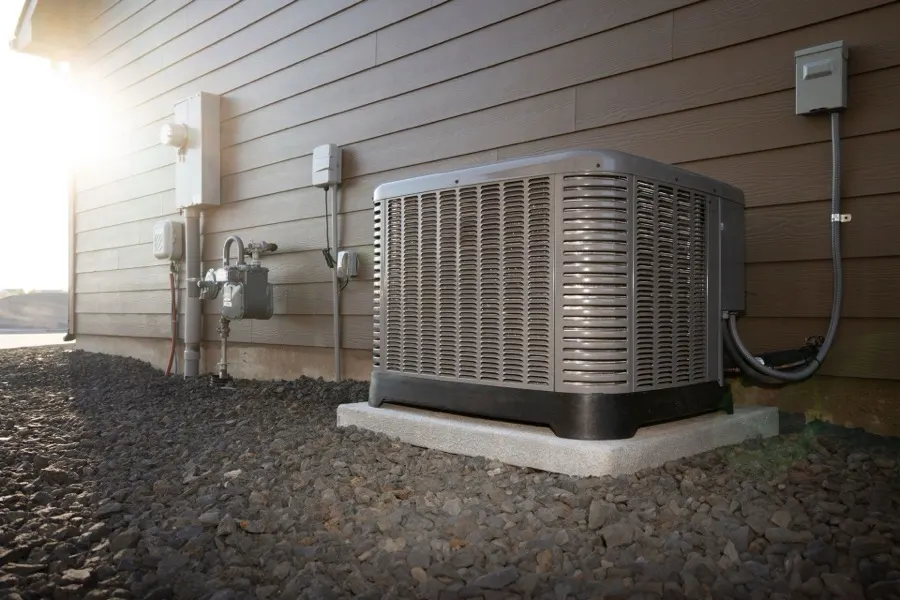
Heating inspection & testing in Ranson, WV. Ensure your furnace is safe, efficient, and prevents costly breakdowns. Request a free estimate today!
Comprehensive Heating Inspection & Testing in Ranson, WV
Are you noticing your Ranson home struggles to stay warm even with the thermostat cranked, or perhaps your furnace is making strange grinding noises and emitting unusual odors? Ignoring these early warning signs can lead to a complete system breakdown, costly emergency repairs, or even dangerous carbon monoxide leaks from an uninspected unit. As a family-owned business serving the area since 2006, Comfort Central is ready to provide the thorough heating inspection and testing your home needs right now.
Warning Signs You Need a Heating Inspection
Rising Monthly Energy Bills
Your monthly heating bill is noticeably higher than last year, even though you have not changed your thermostat settings or your daily routines. This usually means your heating equipment is working much harder to achieve the exact same level of comfort. Decreased efficiency often stems from dirty internal components, restricted airflow, or mechanical wear that forces the blower motor to run longer cycles. Continued inefficiency wastes your money every single month and puts immense extra strain on your equipment. This constant overworking leads to premature failure of critical parts and potentially a much larger repair bill down the road. A proper diagnostic check will pinpoint exactly where your system is losing its efficiency.
Uneven Heating and Cold Spots
Some rooms feel perfectly warm, while others remain stubbornly chilly no matter how high you set the temperature on the wall. This uneven distribution often points to hidden issues with your ductwork, such as leaks or blockages that prevent warm air from reaching specific zones. It can also indicate a struggling furnace that simply lacks the power to push air throughout the entire house effectively. Your system ends up overcompensating for these cold spots, which leads to higher energy consumption and accelerated wear on the blower motor. It can also indicate deeper issues with system sizing or airflow design that only a professional evaluation can uncover. Resolving this ensures every room in your house remains comfortable during the coldest months.
Strange Noises or Unusual Odors
You might hear grinding, squealing, banging, or persistent rattling sounds coming directly from your furnace cabinet or air handler. Odors can range from a musty smell indicating dirty filters to a metallic scent that points to a cracked heat exchanger. A burning smell often indicates an electrical issue or a failing motor that is overheating during operation. These sensory warnings are often the immediate precursors to major mechanical breakdowns and can pose serious safety risks to your household. Carbon monoxide poisoning from a faulty gas unit is a silent threat, but the metallic smells or booming sounds of delayed ignition are loud warnings. Having a professional test the system is the only way to ensure it is operating safely.
Frequent and Short Cycling Your furnace or
heat pump turns on and off much more frequently than it used to, running in short bursts rather than long, consistent cycles.
This short cycling can be caused by a severely clogged filter restricting return airflow, a faulty thermostat, or a malfunctioning flame sensor. The unit shuts down before it can properly heat the space, only to turn right back on minutes later. This erratic behavior wastes a tremendous amount of energy and prevents your living spaces from reaching a stable, comfortable temperature. It also drastically shortens the lifespan of your heating equipment because the startup phase is the most stressful part of the heating cycle. Identifying the root cause stops this damaging cycle and restores normal operation.
Pilot Light or Ignition Problems
For gas furnaces, you might notice the pilot light frequently goes out, or the electronic ignition struggles to light the burners consistently. This often indicates a faulty thermocouple, a dirty pilot orifice, or a weak ignitor that cannot generate enough heat to start the combustion process. It can also point to issues with the gas supply valve or the internal safety controls. An unreliable pilot light or ignitor means you will experience intermittent heat or wake up to a freezing house. More importantly, it can be a sign of a deeper, potentially unsafe gas flow problem that requires immediate professional attention. Testing these ignition sequences ensures your furnace fires up safely and reliably every time the thermostat calls for heat.
What is Causing Your Heating System Problems
Neglected Maintenance and Dirty Components
Over time, dust, pet dander, and debris accumulate on critical internal components like filters, blower wheels, and evaporator coils. Homes situated near agricultural areas or new construction zones often experience higher levels of airborne particulates drawn into the HVAC system. This buildup restricts vital airflow, forces the entire system to work harder, and significantly reduces heating efficiency. When a blower wheel becomes caked in dust, it loses its ability to move air effectively and can even become unbalanced. A professional inspection involves evaluating these key components to see how heavily they are impacted by debris. Identifying these blockages allows us to recommend the proper cleaning to restore optimal airflow and efficiency.
Wear and Tear from Heavy Winter Use
Moving parts like draft inducer motors, blower bearings, and fan belts naturally wear down over years of continuous operation. The consistently low temperatures put heating systems through their paces for months on end, accelerating the mechanical wear compared to milder climates. The constant expansion and contraction of metal parts during heating cycles also takes a toll on the equipment over time. An inspection identifies these worn, stressed parts before they snap, seize, or short out completely. By catching a failing capacitor or a worn bearing early, you prevent a sudden breakdown during a freezing night. This proactive approach saves you from the stress and expense of an emergency repair.
Age-Related Component Failure
Major components like heat exchangers, electronic control boards, and gas valves have a finite operational lifespan. As systems age past the decade mark, these parts become increasingly prone to intermittent malfunction or complete failure. Years of thermal stress can cause a heat exchanger to develop hairline cracks, which is a severe safety hazard. Our testing process assesses the exact condition of these aging components and provides an honest estimate of their remaining lifespan. We flag potential safety hazards immediately so you can make informed decisions about your property. Understanding the true age and condition of your system helps you plan for the future without unexpected surprises.
Improper Installation or System Sizing A heating system that was
improperly installed or is the wrong size for your home will constantly struggle to maintain comfort.
An oversized unit will heat the space too quickly and shut off, leading to short-cycling and poor humidity control. An undersized unit will run continuously without ever reaching the set temperature, driving up your utility costs. While an inspection will not completely redesign your current ductwork, it easily identifies the symptoms of improper sizing or bad airflow design. We measure static pressure and temperature rise to see exactly how the unit interacts with your home. We can then recommend corrective actions or adjustments to stabilize your comfort levels.
Electrical and Thermostat Complications
Faulty wiring, loose connections, tripped circuit breakers, or a malfunctioning thermostat can completely disrupt your heating system's operation. Older properties might have outdated electrical connections that vibrate loose over time, causing intermittent power drops to the furnace. Modern smart thermostats can also experience programming glitches or wiring complexities that prevent them from signaling the heating equipment. Technicians meticulously check all electrical connections, test the incoming power supply, and verify the thermostat functionality as part of a comprehensive evaluation. We measure voltage and amperage at the unit to ensure all motors and boards are receiving the correct electrical current. Ruling out these hidden electrical culprits is a critical step in restoring reliable heat.
What to Expect During Your Heating Inspection
When a licensed and insured Comfort Central technician arrives at your property, our priority is a thorough, transparent, and respectful service experience. We understand your time is valuable, and restoring your comfort is absolutely essential. Our comprehensive inspection process always starts with critical safety checks to protect your household from unseen dangers. We test for carbon monoxide leaks, carefully inspect gas lines and connections, and check all internal safety controls to ensure your system operates without hazard. This is a crucial step for gas furnaces, especially in older Ranson homes where ventilation might be a concern. Next, we evaluate overall performance by measuring airflow, temperature rise, and system static pressures.
Detailed Component Examination and Reporting
We meticulously inspect all major mechanical components, including the heat exchanger, burners, hot surface ignitor, blower motor, and electrical contactors. For heat pumps, we also examine the outdoor condenser coils, defrost controls, and refrigerant lines to ensure everything is functioning correctly in cold weather. We perform a visual check of your accessible ductwork to spot any obvious leaks or disconnected runs that are wasting your heat. After the inspection is complete, we provide a clear, easy-to-understand report of our findings directly to you. We highlight any potential issues, immediate safety concerns, or opportunities for improved energy efficiency. You will always receive transparent pricing and honest recommendations before any repair work is ever started.
Complementary Services for Your Home's Comfort A thorough inspection is just the first step toward a reliable and efficient HVAC system that lasts for years.
We often recommend scheduling regular Heating Maintenance & Tune-Up services to proactively prevent the issues we uncover during our testing phase. This annual service complements our inspections by cleaning, calibrating, and optimizing your equipment so it runs smoothly all season long.
Improving Your Indoor Air Quality
If your home suffers from excessive dust, lingering odors, or stale air, the issues identified during an inspection might point to ventilation problems. We provide comprehensive Indoor Air Quality Services to address these concerns, utilizing advanced air filtration, humidifiers, or UV purifiers. Upgrading your indoor air quality ensures you are breathing healthier air while enjoying perfectly comfortable temperatures.
The Real Cost of Delaying Your Heating Inspection
Putting off a heating inspection might seem like an easy way to save money today, but it routinely leads to much greater expenses down the line. Uninspected gas furnaces can develop dangerous carbon monoxide leaks, cracked heat exchangers, or serious fire hazards. These silent threats can have severe health consequences, making regular safety checks absolutely non-negotiable for any homeowner. Small, easily fixable issues identified during an inspection can quickly escalate into major breakdowns if left unaddressed for too long. A worn-out fan belt or a failing capacitor that could have been replaced for a modest cost might cause the entire blower motor to burn out. This chain reaction leads to a much larger repair bill or even premature system replacement.
Protecting Your Investment and Comfort A less efficient heating system consumes significantly more fuel to achieve the exact same comfort level in your living spaces.
This means you are literally burning money every month on inflated utility bills that could easily be avoided with proper diagnostics. Neglecting regular inspections and testing also severely shortens the overall lifespan of your expensive heating equipment. What could have reliably lasted for twenty years might fail in just ten or twelve, forcing you into a stressful replacement scenario. When your heating system fails during a cold Ranson winter, you are left with no heat, potential pipe freezing risks, and significant discomfort. Proactive inspection helps prevent these inconvenient, expensive, and often urgent situations entirely.
Ensure Your Home Stays Warm and Safe
Do not wait for a total breakdown in the middle of the night to realize the true importance of your heating equipment. For reliable, professional heating inspection and testing, trust the family-owned experts at Comfort Central to deliver honest and transparent service. Reach out through our website today to schedule your inspection and ensure your home remains comfortable and safe all year long.
Contact us today for a free estimate on your {title} needs.