
Why Regular HVAC Service Pays Off: Prevent Breakdowns and Save Money
Routine HVAC maintenance keeps your home comfortable and your system running efficiently. This guide explains the practical benefits of preventative care — how regular checkups help avoid costly breakdowns and stretch the life of your equipment. Many homeowners put off routine service and end up facing surprise repairs or higher bills. Understanding the value of scheduled maintenance helps you keep performance steady, reduce running costs, and breathe easier indoors. We’ll walk through why upkeep matters, how it extends equipment life, the energy savings you can expect, and the air-quality improvements that come with it.
Why Is Regular HVAC Maintenance Essential for Preventing Breakdowns?
Consistent HVAC maintenance is one of the simplest ways to avoid unexpected failures and keep your system performing well. Regular inspections let technicians spot small problems before they turn into expensive repairs. When maintenance is skipped, systems are more likely to fail — disrupting comfort and costing more to fix. Research shows routine service can cut the chance of breakdowns by as much as 30%, which is a clear reason to stay on top of maintenance.
How Does Preventative HVAC Care Detect Early System Issues?
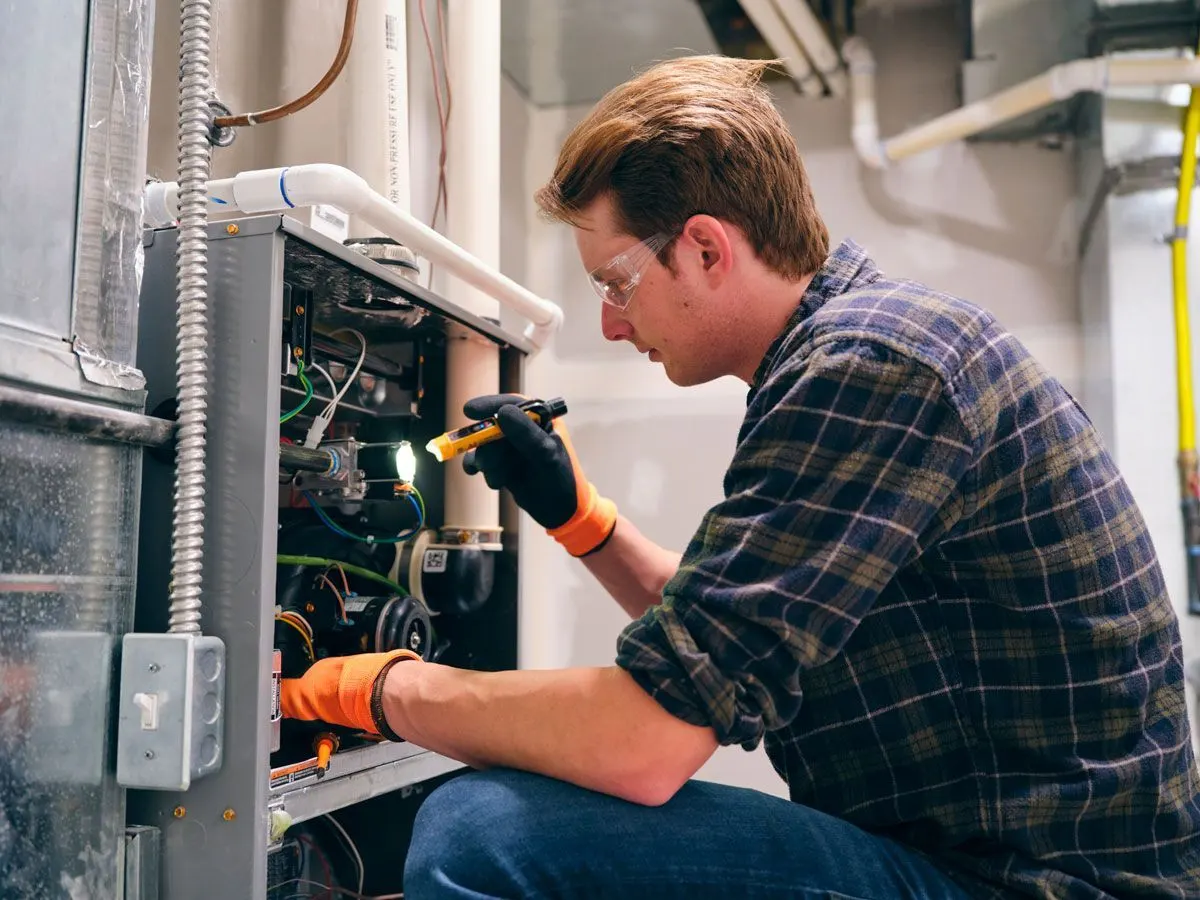
Preventative care is built around scheduled inspections that reveal early warning signs. Typical clues include odd noises, uneven temperatures, and rising energy bills. Addressing those signs quickly helps you avoid larger failures that require major repairs. During inspections, technicians will also clean parts and swap worn components so the system runs more reliably.
What Are the Common Causes of HVAC Breakdowns Avoided by Regular Service?
Many common failures are preventable with routine service. These include:
- Dirty Filters: Clogged filters choke airflow, forcing the system to work harder and increasing the risk of overheating.
- Refrigerant Leaks: Low refrigerant reduces cooling performance and puts extra strain on the compressor.
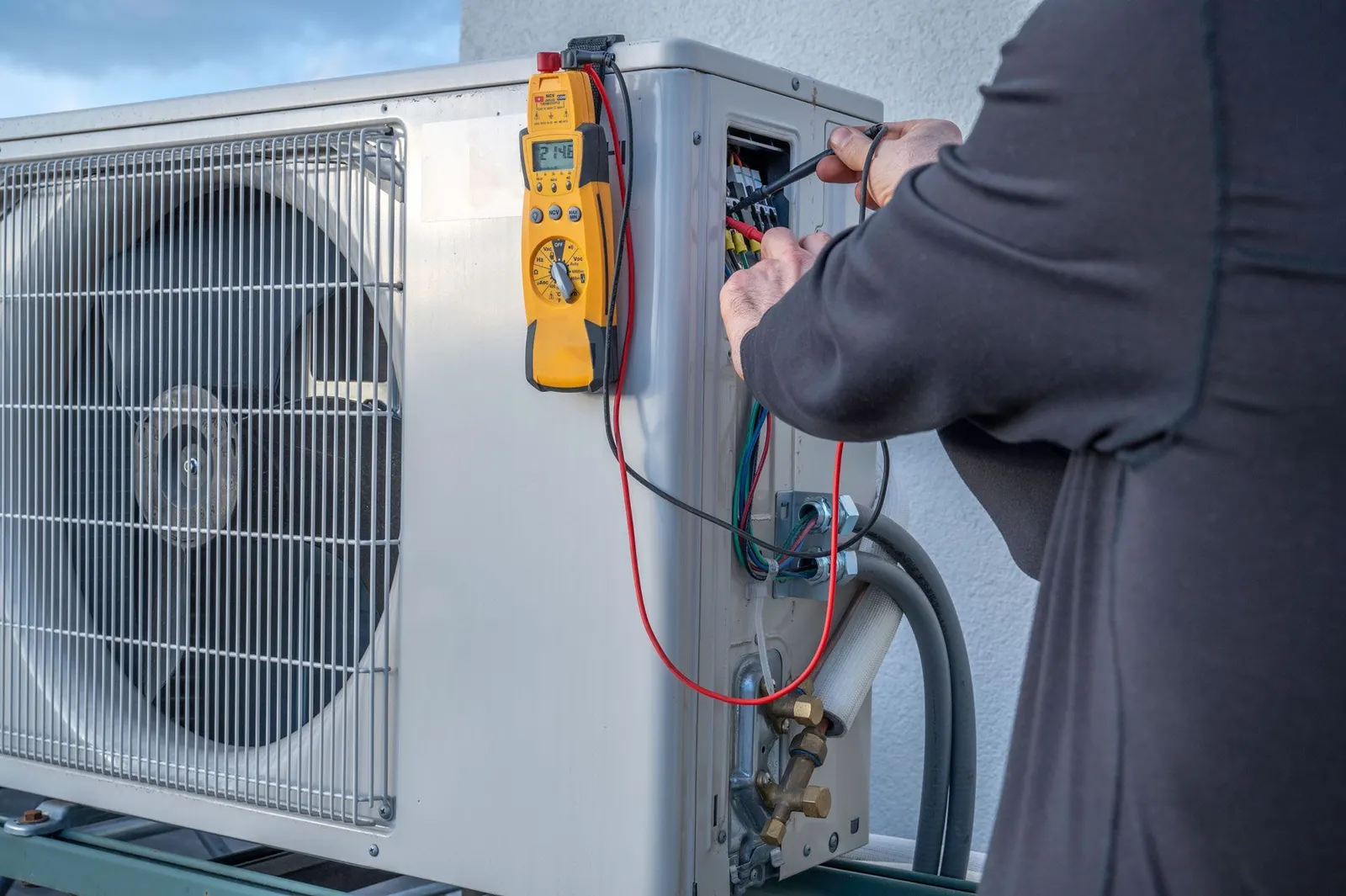
- Electrical Failures: Loose or damaged electrical connections can cause malfunctions and create safety hazards.
Tackling these issues during routine maintenance greatly lowers the chance of surprise breakdowns.
How Does Regular HVAC Service Extend Your System's Lifespan?
Routine service keeps components working smoothly and prevents premature wear, which helps your HVAC system last longer. Small, inexpensive maintenance tasks add up — saving you money on repairs now and delaying the need for a costly replacement later.
Which Maintenance Tasks Reduce Component Wear and Tear?
Key tasks that cut down on wear include:
- Filter Replacement: Fresh filters keep airflow steady and reduce stress on the system.
- Coil Cleaning: Clean coils improve heat transfer so the system won’t overwork.
- Lubrication: Properly lubricated moving parts reduce friction and extend component life.
When these tasks are done consistently, the system stays efficient and components last longer.
How Does Professional HVAC Tune-Up Protect Your Investment?
A professional tune-up is a proactive investment in your equipment. Technicians run complete checks, make adjustments, and replace worn parts so the system operates at peak performance. This approach reduces emergency repairs and saves on energy and service costs over the long run.
What Are the Energy Efficiency Benefits of Regular AC and HVAC Maintenance?
Keeping your HVAC system maintained improves energy efficiency and lowers utility bills. A well-tuned system uses less power — good for the environment and your wallet. With regular care, homeowners can see meaningful savings while keeping their home comfortable.
How Do Clean Filters and Coils Lower Energy Bills?
Clean filters and coils let air flow freely and improve heat exchange, so your system doesn’t have to work as hard. That efficiency can reduce energy use — often by as much as 15% — making routine maintenance a cost-effective choice.
What Is the Impact of HVAC Calibration on Utility Costs?
Proper calibration ensures the system runs at the settings it was designed for, which optimizes performance and cuts energy waste. When thermostats and controls are calibrated correctly, you’ll notice steadier temperatures and lower utility costs.
How Does Regular HVAC Service Improve Indoor Air Quality and Home Comfort?
Regular service helps your system filter out dust, pollen, and other pollutants so your home’s air is cleaner and healthier. That’s especially important for anyone with allergies or breathing sensitivities.
What Role Does HVAC Maintenance Play in Reducing Allergens and Pollutants?
Routine filter changes and system cleanings remove trapped dust, pollen, and other contaminants from your HVAC system. That reduces airborne irritants and contributes to a healthier indoor environment for everyone in the house.
How Does Consistent HVAC Performance Ensure Comfortable Indoor Temperatures?
When your HVAC system is well maintained, it delivers reliable heating and cooling with fewer temperature swings. Regular upkeep helps prevent sudden breakdowns or uneven comfort so you can count on steady indoor temperatures year-round.
| Maintenance Task | Frequency | Benefit |
|---|---|---|
| Filter Replacement | Every 1-3 months | Maintains proper airflow and system efficiency |
| Coil Cleaning | Annually | Improves heat exchange and overall performance |
| System Inspection | Bi-Annually | Finds problems before they become costly |
Regular HVAC service is more than a convenience — it’s a practical step homeowners can take to protect comfort, reduce energy costs, and improve indoor air quality. Investing in preventative maintenance helps prevent breakdowns, extends equipment life, and delivers long-term savings. Make maintenance a priority for a safer, more comfortable home.
Frequently Asked Questions
What are the signs that my HVAC system needs maintenance?
Watch for unusual noises, uneven heating or cooling, and rising energy bills — these are common signs your system needs attention. Other red flags include frequent short cycling and noticeable hot or cold spots in the house. If you see any of these, book a maintenance check to prevent bigger issues.
How often should I schedule HVAC maintenance?
We recommend service at least twice a year: once in the spring for your air conditioner and once in the fall for your heating system. That bi-annual rhythm keeps things running smoothly year-round. Homes with pets, heavy dust, or extreme weather may benefit from more frequent visits.
Can I perform HVAC maintenance myself?
You can handle some basic tasks like changing air filters and keeping vents clear. For thorough inspections, electrical checks, refrigerant service, and complex fixes, hire a qualified technician. Professionals have the training and tools to spot hidden issues and ensure safe, reliable operation.
What should I expect during a professional HVAC service visit?
On a service visit, a technician will inspect filters, coils, electrical connections, belts, and other components. They’ll clean and lubricate parts, replace filters as needed, and calibrate controls for optimal performance. You’ll also get recommendations for any repairs or efficiency improvements.
How does regular HVAC maintenance affect my home’s resale value?
Regular maintenance can boost resale value by showing prospective buyers the system has been well cared for. A documented service history reassures buyers that they’re less likely to face immediate repairs, and energy-efficient systems can be a strong selling point.
Are there any financial benefits to regular HVAC maintenance?
Yes — regular maintenance helps avoid expensive repairs and extends equipment life, which saves money over time. A well-maintained system also runs more efficiently and can lower energy bills by up to 15%, producing ongoing savings that add up.