
The Challenge of Evaluating Local Experts for Your Home
Your air conditioner is failing right when you need it most, and finding true local service expertise and area tips suddenly becomes an urgent priority. When a critical home system breaks down, the hardest part is often determining the exact criteria to evaluate and hire a reliable professional. You quickly reach a stressful decision point: do you simply accept the first standard quote that comes your way, or do you take a step back and seek alternative estimates based on foundational reliability metrics?
A typical pattern we see is a frustrated homeowner searching online for the "best local service business," hoping that a handful of five-star ratings will guarantee a flawless installation. But here is the thing: online reviews only scratch the surface of a contractor's true capability. Finding a genuine expert requires looking past glossy advertisements and focusing on objective, measurable evaluation criteria.
During an urgent maintenance situation, the pressure to make a fast decision is immense. However, rushing into a major mechanical upgrade without verifying a provider's technical competence can lead to years of discomfort and inefficiency. This guide walks you through exactly how to separate high-pressure salespeople from true HVAC technicians. By understanding the objective benchmarks of a professional evaluation, you can confidently navigate the hiring process and ensure your home cooling needs are met with precision, safety, and long-term reliability.
Why Diagnostic Benchmarks Matter More Than a Sales Pitch
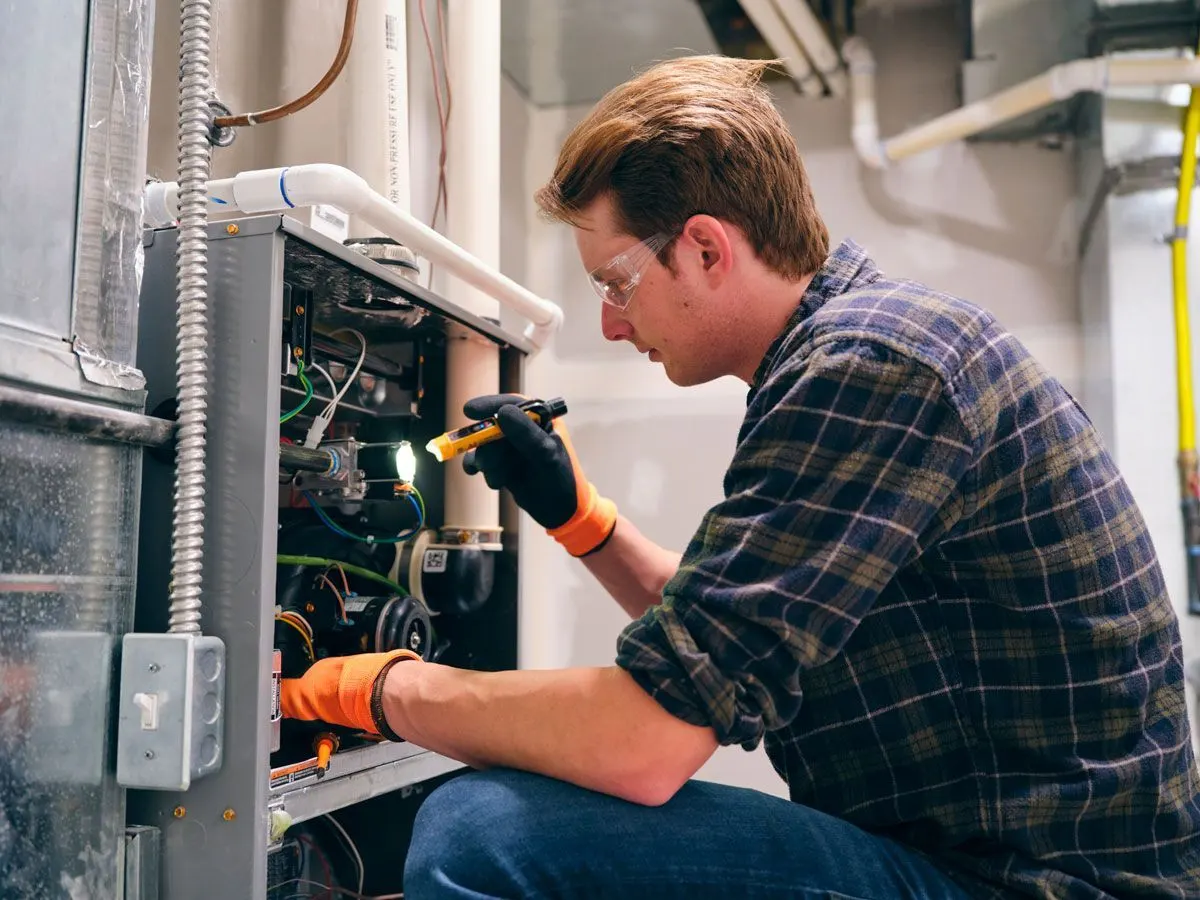
When you invite a contractor into your home to discuss a new cooling system, their approach to the initial evaluation tells you everything you need to know about their credibility. The most reliable professionals rely on diagnostic benchmarks rather than aggressive sales tactics. These benchmarks are the measurable, objective tests a technician runs to understand your home's unique thermal envelope.
The role of objective data: A credible provider evaluates your home as a complete system. They do not simply look at the data plate on your broken unit and offer to swap it for a box of the exact same size. Instead, they gather objective data about your home's current condition. This includes measuring square footage, noting window orientation, assessing insulation quality, and evaluating the condition of your existing ductwork. This data-driven approach ensures that any recommendation made is based on physics, not assumptions.
The Manual J load calculation: The gold standard of these diagnostic benchmarks is the Manual J load calculation. This is the industry-standard protocol for determining the exact air conditioning capacity your specific home requires. A technician performing a Manual J calculation takes the guesswork out of the equation. They use specialized software to calculate exactly how much heat your home gains during the day and how much cooling power is required to counteract it.
Education over pressure: A trustworthy technician uses these diagnostic benchmarks to educate you. They will sit down and explain the math behind their recommendations, showing you exactly why a specific system is the right fit for your home. If a provider skips these foundational reliability metrics and immediately pushes you toward a signature on a contract, that is a clear signal to pause and seek alternative estimates.
Navigating System Sizing and Local Climate Demands
One of the most critical reasons diagnostic benchmarks matter is because local climate factors dictate precise system sizing. With summer temperatures regularly driving up peak heat and heavy humidity in the local area, your air conditioning system must be perfectly calibrated to handle the specific environmental demands of the region.
According to data from the Department of Energy, improperly sized air conditioning units fail to dehumidify homes adequately. An AC unit does not just lower the temperature; it also pulls moisture out of the air. To do this effectively, the system must run in consistent, steady cycles.
The Physics of Dehumidification and Sizing
If a contractor guesses your system size based on square footage alone and installs an oversized unit, the system will cool the house too quickly and shut off before it has a chance to remove the humidity. This is known as short-cycling. Not only does short-cycling leave your home feeling cold and clammy, but the constant starting and stopping causes severe wear and tear on the compressor, drastically reducing the lifespan of the equipment.
Conversely, an undersized system will run nonstop during peak summer heat, driving up your energy bills while still failing to keep the house comfortable.
| System Sizing Error | Immediate Symptoms | Long-Term Consequences |
|---|---|---|
| Oversized System | Rapid cooling, high indoor humidity, clammy air. | Short-cycling, premature compressor failure, higher utility bills. |
| Undersized System | Continuous running, inability to reach thermostat setting. | Overworked components, excessive energy consumption, poor comfort. |
| Correctly Sized (Manual J) | Even temperatures, balanced indoor humidity. | Maximum equipment lifespan, optimal energy efficiency. |
Connecting a provider's ability to calculate precise sizing to their understanding of regional climate demands is crucial. A true local expert knows that beating the local summer humidity requires a perfectly sized system that runs long enough to wring the moisture out of the air, ensuring your home stays safe, dry, and comfortable even on the hottest days.
Steps to Verify Your AC Installation Provider's Credibility
Knowing that diagnostic benchmarks and precise sizing are critical, how do you actually verify that a local provider is up to the task? Use this structured, objective breakdown to assess a contractor's reliability before you agree to any installation work.
- Confirm they perform comprehensive load calculations: Before a technician makes any equipment recommendations, ask them directly how they determine the correct size for the new unit. If they say they base it strictly on the size of your old unit or a simple square-footage rule of thumb, look elsewhere. You want to hear them explicitly mention performing a Manual J load calculation.
- Verify their knowledge of local building codes: A reliable professional never cuts corners on safety or legal compliance. Ask the provider about their process for pulling HVAC permits. They should be deeply familiar with local building code requirements and proactively explain how they will arrange for the mandatory post-installation municipal inspections.
- Assess their transparency during the diagnostic process: Pay attention to how the technician communicates. Are they rushing through the evaluation, or are they taking the time to explain their findings? A credible provider will walk you through their diagnostic process step-by-step, showing you the data they collected and explaining why they are recommending a specific solution.
- Look for deep local climate expertise and core values: The best contractors weave their technical knowledge with a commitment to the community. You can spot honest, family-valued service when a provider prioritizes transparent diagnostic benchmarks over a quick sale. They will take the time to discuss how the specific regional humidity and peak heat patterns influence their system recommendations, proving they care about your long-term comfort rather than just closing a deal.

What to Expect During the Installation Process
Once you have evaluated your quotes based on foundational reliability metrics and chosen a credible professional, understanding the actual installation day helps eliminate anxiety. A proper installation is a complex, multi-step process that requires time, precision, and specialized tools. Here is exactly what happens during a professional service call.
Pre-Installation Inspection and Preparation
The day begins with a thorough pre-installation ductwork inspection. Even the most advanced air conditioner cannot perform well if it is connected to leaky, undersized, or damaged ductwork. The installation team will assess your existing ventilation to ensure it can handle the airflow requirements of the new system. If they find static pressure issues or significant leaks, they will address these structural needs before the new equipment is connected.
Safe Removal and Disposal Timeline
Next comes the careful dismantling of your old system. This is not a rushed process. Federal environmental regulations require the safe recovery of all old refrigerant. Technicians use specialized recovery machines to capture the old coolant, ensuring nothing vents into the atmosphere. Once the lines are cleared, the old condenser, evaporator coil, and heavy materials are safely removed and hauled away for proper recycling and disposal.
System Setup and Airflow Balancing
With the space cleared, the process of installing the new unit begins. This involves setting the new outdoor condenser on a level pad, installing the new indoor evaporator coil, and brazing the copper refrigerant lines. A crucial part of this phase is ensuring proper airflow and balancing. Technicians will pull a deep vacuum on the refrigerant lines to remove all microscopic moisture and contaminants before charging the system with new refrigerant. If you are researching AC installation in Hagerstown or the surrounding areas, this meticulous attention to the refrigeration cycle is exactly what separates a professional job from a hasty swap.
Post-Installation Inspections
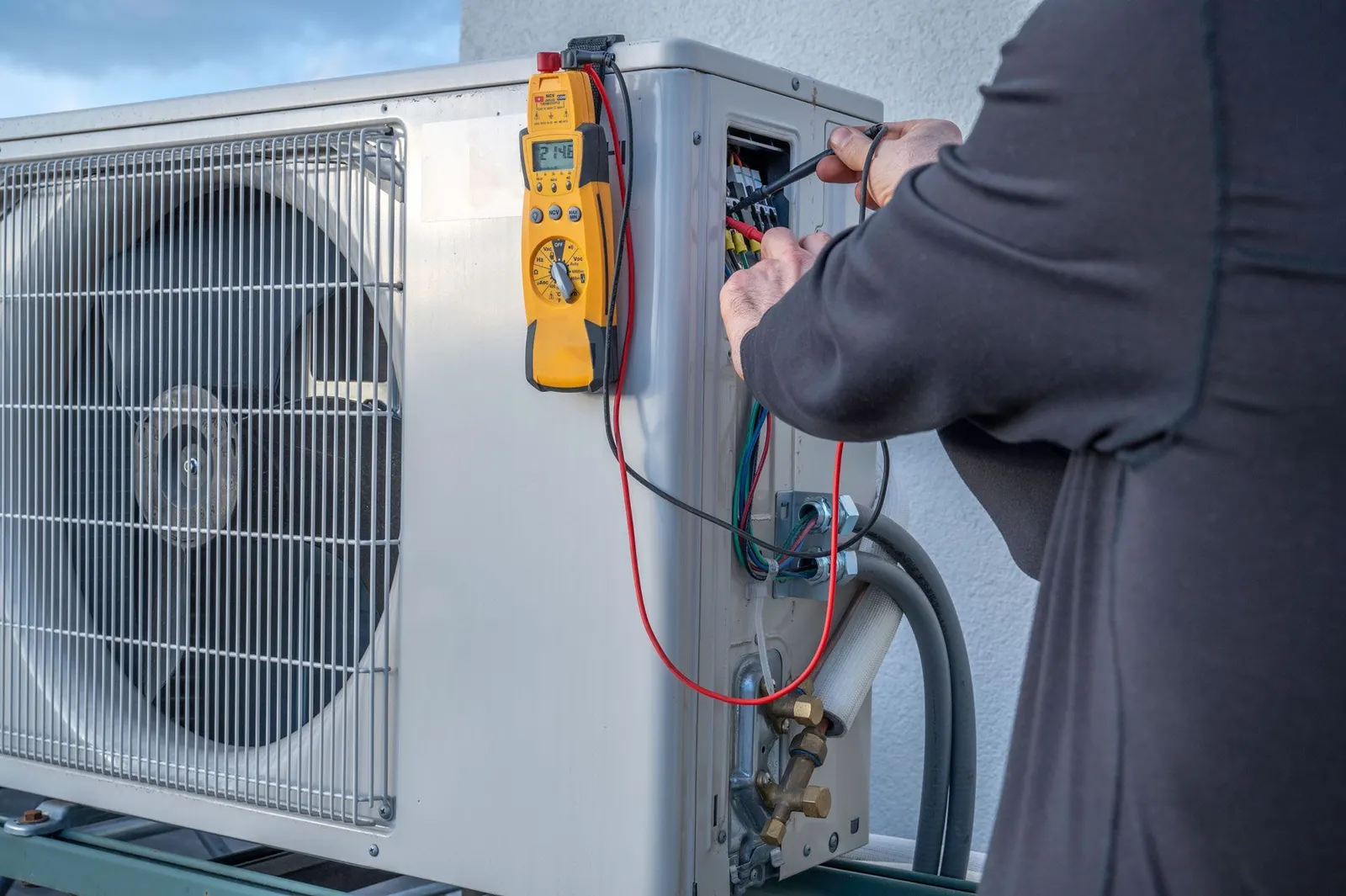
The job is not finished when the air turns cold. The final phase involves rigorous post-installation inspections. The lead technician will test the system's electrical draw, measure the temperature drop across the coil, and verify that the thermostat is communicating correctly. Finally, they will ensure all work meets local building codes, preparing the site for the official municipal permit inspection.
Avoiding Common Pitfalls in the Evaluation Phase
Even armed with the right knowledge, it is easy to make missteps during the evaluation phase. The HVAC industry is highly competitive, and some contractors rely on the fact that homeowners are often in a rush to restore their cooling. To protect your home, you must actively avoid these common pitfalls.
Do not rely solely on online reviews: While a high star rating is a good starting point, it does not verify technical competence. Many homeowners leave five-star reviews simply because the technician was polite and the air turned cold that afternoon. However, poor sizing and sloppy duct connections often take months or years to manifest as major problems. Always verify the technical benchmarks behind the friendly service.
Look beyond the baseline estimate: It is incredibly tempting to evaluate quotes based strictly on the bottom line. But a quote that is significantly lower than the others often indicates that the contractor is skipping critical steps. They might be omitting the load calculation, reusing old, degraded refrigerant lines, or skipping the municipal permitting process. Quotes must be evaluated on foundational reliability metrics, not just the initial estimate.
Beware of skipped diagnostic benchmarks: If a provider walks through your home for five minutes, looks at your old unit, and immediately hands you a brochure with a quote, that is a major red flag. A proper evaluation takes time. If a provider cannot explain their sizing rationale or refuses to perform a Manual J calculation, you should immediately seek alternative estimates from a more rigorous professional.
Frequently Asked Questions About AC Upgrades
How do I choose an AC installer?
The most important step is to look for professionals who perform comprehensive Manual J load calculations before making any recommendations. You should also verify their understanding of local building codes, permitting requirements, and regional climate needs. A trustworthy installer will gladly explain their diagnostic process and provide objective data to back up their proposed solutions.
What happens during an AC installation?
A professional installation begins with a thorough ductwork inspection to ensure your home can support the new system's airflow. Next, technicians safely recover the old refrigerant and remove the existing unit before meticulously setting up the new condenser, coil, and copper lines. The process concludes with rigorous performance testing and a post-installation code inspection to guarantee safety and efficiency.
How long does it take to install a new AC unit?
A standard replacement typically takes a full day, usually ranging from six to ten hours depending on the complexity of the job. Factors like ductwork modifications, difficult access to the indoor coil, or upgrading electrical components can extend this timeline. Proper installation should never be rushed, as taking the time to pull a deep vacuum and balance the airflow ensures long-term reliability.
What questions should I ask before AC installation?
Always ask the contractor exactly how they determine the correct size for the new unit, listening specifically for the mention of load calculations. You should also inquire about their process for handling local permits and post-installation municipal inspections. Finally, ask them to explain how they will test the system's airflow and refrigerant charge once the installation is complete.
Why is system sizing so critical for a new AC?
Proper sizing ensures the system runs in cycles that are long enough to efficiently cool and dehumidify your home's air. If a unit is oversized, it will cool the space too quickly and shut off before removing the humidity, leading to a clammy environment and premature wear from short-cycling. An accurately sized unit maximizes both your daily comfort and the long-term lifespan of the equipment.
Making Your Final Choice with Confidence
Upgrading your home's cooling system is a significant decision, but it does not have to be an overwhelming one. A clear understanding of what to expect during a service call empowers you to take control of the process. By shifting your focus away from high-pressure sales pitches and toward objective diagnostic benchmarks, you can easily separate the reliable technicians from those who cut corners.
Remember that verifying professional credibility through objective metrics—like Manual J load calculations, code compliance, and proper sizing—is the only way to ensure your new system will handle the local summer heat efficiently. When you are ready to address your home cooling needs, seek out professionals who prioritize true local service expertise and area tips over a quick sale. By demanding transparent, diagnostic-led evaluations, you guarantee that your home will remain a cool, comfortable, and safe haven for years to come.