
That First Fall Heating Cycle: Is Your System Failing or Just Waking Up?
Here at Comfort Central Inc., our phones always start ringing the morning after that first chilly October night in Williamsport. You turn on the thermostat, and instead of just comfortable warm air, you are greeted by a harsh burning smell that makes getting common homeowner questions answered an immediate priority. That sudden odor, often accompanied by unfamiliar clicks and rattles from the vents, is enough to make anyone panic. You immediately start wondering if the furnace is dying, if the house is safe, and just how many years you have left before facing a massive replacement project.
Questioning the remaining lifespan of your equipment is a completely natural response to these unexpected symptoms. When a machine you rely on every day suddenly behaves differently, it feels like a warning sign. However, our technicians find that the vast majority of the time, that initial autumn startup smell is just temporary seasonal dust burning off, not an actual mechanical failure. By understanding how your equipment operates and knowing the baseline lifespan expectations for your heating and cooling setup, you can approach the change of seasons with confidence rather than anxiety.
Ready to evaluate your home's comfort setup? Learn more about our comprehensive air conditioning systems and heating solutions to ensure your equipment is prepared for the season ahead.
The Baseline: Average Life Expectancy of Heating and Cooling Equipment
In our experience evaluating local HVAC systems, before you can determine if your system is failing prematurely, you need to know exactly how long these complex machines are engineered to operate. The Department of Energy (DOE) and the American Society of Heating, Refrigerating and Air-Conditioning Engineers (ASHRAE) have established clear baseline averages based on decades of mechanical data. For standard residential furnaces, the average life expectancy falls between 15 and 20 years. Air conditioners and heat pumps typically have a slightly shorter operational window, averaging 10 to 15 years.
It is important to note that these averages assume the equipment receives consistent, professional upkeep. Neglected systems that run with clogged filters and uncalibrated motors will burn out long before they reach the decade mark. Furthermore, because modern split systems are highly interconnected, the failure of one major component often prompts a full system evaluation. If you are considering AC installation and replacement because the outdoor compressor has failed, you will frequently need to evaluate the indoor coil and blower motor to ensure the new equipment operates efficiently.
Furnaces vs. Air Conditioners
You might wonder why a gas furnace typically outlasts an air conditioning unit by half a decade. Our team often explains that the answer comes down to placement and operational stress. Furnaces are installed indoors—usually in a basement, utility closet, or attic. They are protected from rain, snow, freezing ice, and direct ultraviolet sunlight. They also have fewer heavy moving parts compared to an outdoor cooling unit.
Air conditioners and heat pumps, on the other hand, house their most critical component—the compressor—outside. This equipment battles the elements year-round. Heat pumps face an even greater challenge because they do not get a seasonal break; they run continuously through the summer to cool your home and reverse their cycle in the winter to provide heat. This continuous mechanical wear naturally impacts their overall longevity.
| Equipment Type | Average Lifespan | Primary Wear Factors |
|---|---|---|
| Gas Furnace | 15 - 20 Years | Heat exchanger metal fatigue, blower motor wear |
| Central Air Conditioner | 10 - 15 Years | Compressor strain, outdoor coil corrosion, weather exposure |
| Air-Source Heat Pump | 10 - 15 Years | Year-round continuous operation, reversing valve wear |
Decoding the October Startup: Why Burning Dust Smells Happen
If the average furnace lasts up to twenty years, why does it smell like it is catching fire on year four? We see this pattern every single fall at Comfort Central Inc. The answer lies in the dormant summer months. In the Williamsport MD area, homes often remain closed up tightly during the humid summer, relying heavily on indoor air circulation. Over these months, household dust, pet dander, and microscopic airborne particles are pulled through the ductwork and settle undisturbed on the inactive heating elements, burners, and the surface of the heat exchanger.
The physical process: When the thermostat triggers the first heating cycle of the fall, the furnace burners ignite, and the heat exchanger's surface temperature spikes rapidly. The thin layer of accumulated debris is instantly incinerated. This physical burn-off is what produces that startling, smoky odor spreading through your vents. It is a completely normal mechanical consequence of seasonal inactivity.
The solution: This harmless smell should be temporary. Typically, it lasts anywhere from a few hours to one full day of intermittent heating cycles. You can manage the situation by opening a few windows to ensure the area is well-ventilated while the system runs. If you find yourself wondering why your AC cools then stops cooling during the summer, you know that airflow is critical; similarly, proper ventilation during the fall startup helps clear out the stale air quickly. Just monitor the system closely. If the smell changes from burning dust to burning plastic, or if it persists into the second day, you are no longer dealing with simple dust burn-off.
Normal Fall Symptoms vs. Critical Signs of System Failure
Differentiating between a harmless seasonal quirk and a dangerous malfunction is the key to protecting your home and extending the life of your equipment. Homeowners often jump to the worst-case scenario, but our technicians recommend a simple safety-first checklist that can help you evaluate the situation calmly.
Normal Startup Symptoms:
- Brief burning dust smell: As discussed, this is the incineration of settled summer debris and should fade quickly.
- Minor clicking noises: You will hear the thermostat relay clicking, followed by the gas valve opening or the igniter engaging.
- Initial fan surges: The blower motor may sound slightly louder for the first few seconds as it overcomes months of inertia to push air through the cold ductwork.
Critical Warning Signs:
- Persistent electrical odors: If you smell melting plastic, burning wires, or ozone, a motor may be overheating or a wire may be shorting out.
- Loud banging or rattling: A heavy, metallic banging (often called "roll-out") can indicate delayed gas ignition, while rattling usually points to a failing blower motor bearing or a loose internal component.
- Frequent short-cycling: If the furnace turns on, runs for two minutes, and shuts down before heating the house, the system is overheating and the internal safety switches are triggering an emergency shutdown.
One of the most dangerous critical failures we encounter is a cracked heat exchanger. The heat exchanger is the metal shield that separates the toxic combustion gases from the clean air blowing into your living space. Over thousands of heating cycles, the metal expands and contracts, eventually leading to microscopic cracks. If this component fails, carbon monoxide can leak into your home. This is why unusual symptoms require professional AC repair and heating diagnostics rather than a DIY attempt.
When to Shut Down the System Immediately
Safety must always override comfort during the initial startup phase. You should turn the system off immediately at the thermostat if you smell raw gas (often described as a rotten egg odor), if you see visible soot gathering around your supply registers, or if your carbon monoxide detectors sound an alarm. In these scenarios, evacuate the house and contact a professional immediately.

How the Mid-Atlantic Climate Impacts HVAC Longevity
As local Williamsport HVAC professionals, we know that the general lifespan data provided by the DOE is a national average, but regional climate realities play a massive role in how long your specific system will survive. In a true four-season climate, your equipment faces unique wear and tear that systems in milder regions simply do not experience.
The transition from hot, humid Maryland summers to freezing winters puts immense strain on your ductwork, motors, and coils. During July and August, your air conditioner works overtime not just to lower the temperature, but to wring heavy humidity out of the indoor air. This constant moisture exposure can contribute to the faster degradation of outdoor coils and indoor drain lines if they are neglected. Then, just a few weeks later, the system must pivot to heavy winter heating.
During the shoulder seasons of early fall and late spring, temperature fluctuations cause systems to cycle on and off frequently. It is not uncommon for overnight temperatures to drop into the 40s, triggering the furnace, only for the afternoon sun to push the house into the 70s, leaving the system idle. This frequent starting and stopping—known as short-cycling—draws more electrical current and puts more physical torque on the blower motor than running continuously for hours. Because local systems rarely get a long dormant period, bi-annual maintenance becomes critical to combat this accelerated component wear.
Honest Diagnostics for Aging Equipment
When a system crosses the ten-year mark, any new symptom naturally causes replacement anxiety. You hear a loud hum or smell a strange odor, and you immediately assume you are facing a massive installation project. Unfortunately, some technicians use these normal startup quirks as scare tactics, leveraging a temporary burning dust smell to push a premature replacement on a panicked homeowner.
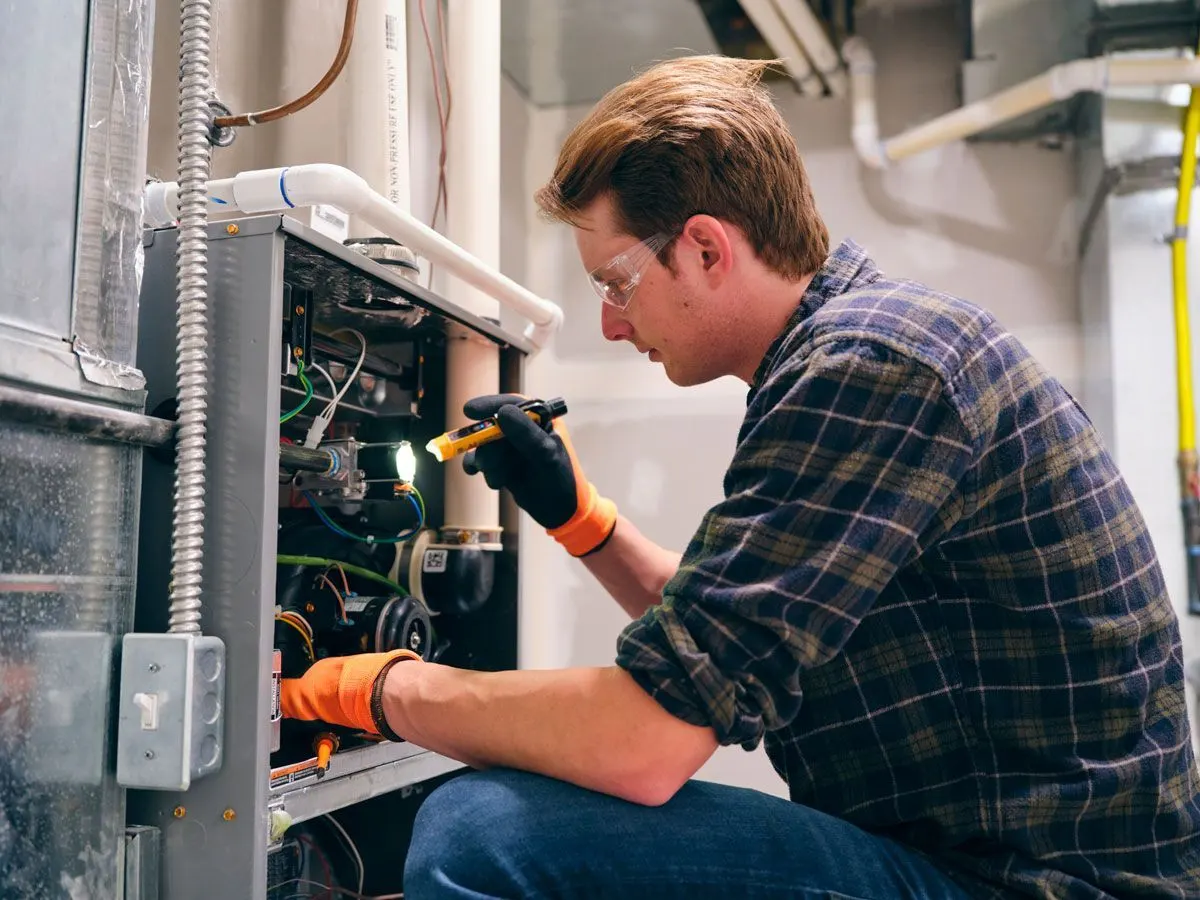
At Comfort Central Inc., we believe a true professional assessment focuses on honest, transparent evaluations that prioritize the safety, efficiency, and repair history of your existing equipment. The goal should always be to maximize the remaining lifespan of the unit safely, not to force an upgrade before it is truly necessary. A thorough diagnostic process involves testing the static pressure, measuring the electrical draw of the motors, and inspecting the heat exchanger with a specialized camera. You deserve to see the evidence before making a major financial decision.
This commitment to transparency makes a real difference when time is of the essence. Recently, one of our local customers reached out needing an estimate and full installation for a new unit with a very quick turnaround requested. By providing a prompt, honest evaluation and a clear proposal, our team finished the complete installation successfully within a single week. When you remove the pressure tactics and focus on factual diagnostics, you can navigate the repair-versus-replace decision with total clarity.
Proactive Steps to Maximize Your System's Lifespan
While you cannot control the weather or stop time, our service team frequently reminds homeowners that they have significant influence over how gracefully their heating and cooling equipment ages. Taking proactive, non-technical steps will reduce unnecessary strain on the internal components and ensure a safe, predictable fall startup.
- Replace air filters regularly: This is the single most important action you can take. A clogged filter severely restricts airflow, forcing the blower motor to work twice as hard to push air through the house. This leads to overheating, short-cycling, and premature motor failure. Check your filter monthly and replace it at least every 90 days.
- Schedule seasonal tune-ups: Professional routine HVAC maintenance before the heavy heating season begins allows a technician to clean the flame sensor, calibrate the thermostat, and lubricate moving parts. This preventative care catches minor friction before it turns into a major mechanical breakdown.
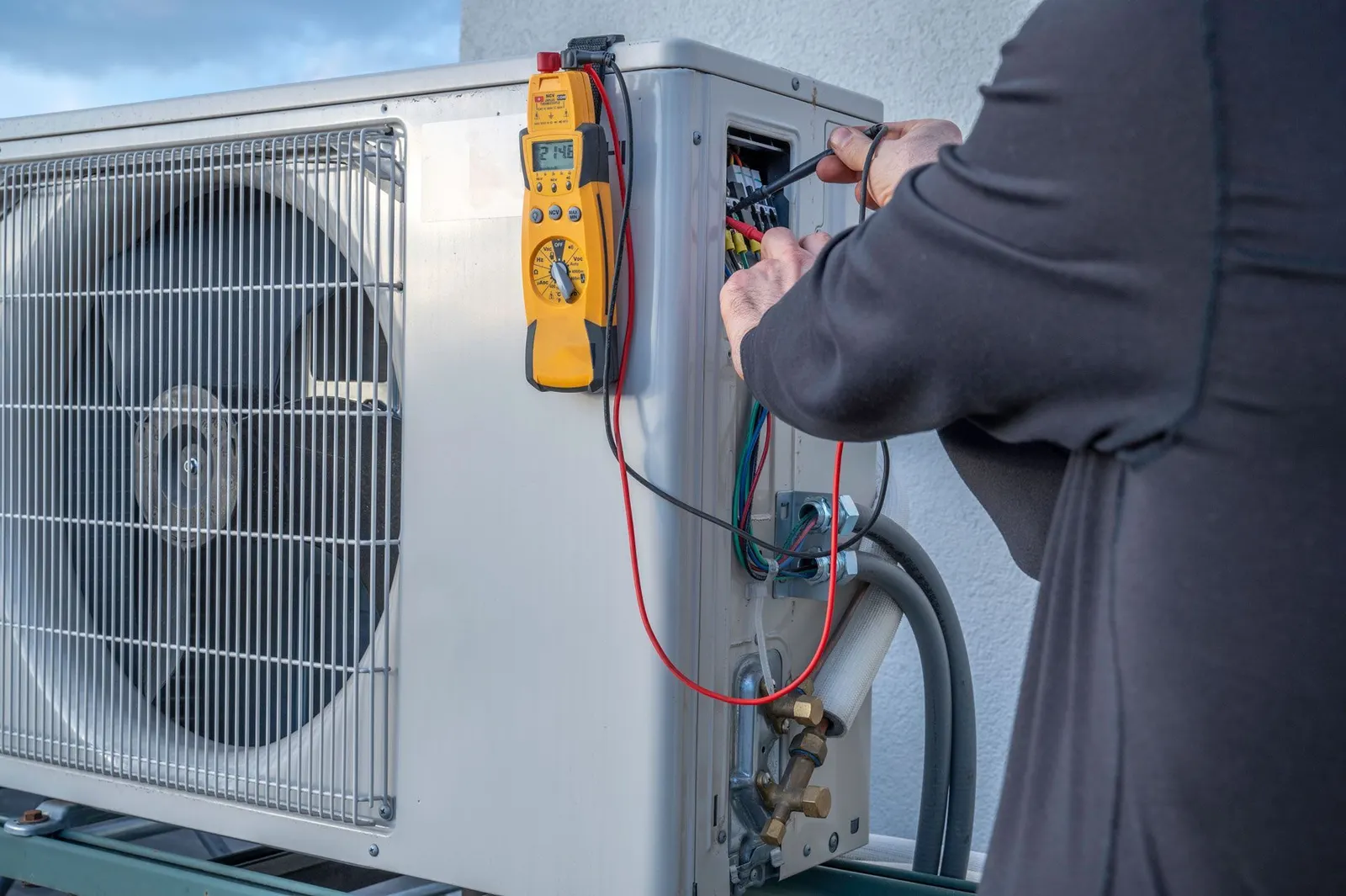
- Keep outdoor units clear of debris: During the fall, falling leaves, twigs, and overgrown bushes can easily choke the airflow around your outdoor heat pump or AC condenser. Maintain a two-foot clearance around the entire unit to ensure it can pull in the air it needs to operate efficiently.
- Inspect your insulation and ductwork: If your attic lacks proper insulation or your ductwork has leaks, your heated air is escaping before it ever reaches your living room. This forces the furnace to run longer cycles to reach the target temperature, adding hundreds of hours of unnecessary wear to the system every winter.
Navigating Your System's Lifespan and Getting Common Homeowner Questions Answered
When our team at Comfort Central Inc. is getting common homeowner questions answered, we always emphasize that while every piece of heating and cooling equipment has a finite operational lifespan, not every strange noise or sudden odor signals the end of the line. The brief burning dust smell on a chilly October night is simply your furnace waking up from its summer slumber. By learning to distinguish between harmless seasonal quirks and genuine mechanical hazards, you can protect your home and avoid unnecessary panic.
If you are dealing with persistent odors, loud banging, or an aging unit that struggles to keep up with the changing weather, getting common homeowner questions answered by a qualified professional is the smartest move. Seek an honest, transparent evaluation from our team to ensure your system is safe, efficient, and fully prepared to keep your family comfortable all winter long.
Frequently Asked Questions
Is a burning smell normal when I turn on my heater for the first time?
Yes, our technicians confirm that a brief burning dust smell is a completely normal part of the fall startup process. Over the summer, household dust and airborne particles settle on the dormant heat exchanger and burners. When the system ignites for the first time, it incinerates this accumulated layer, creating a distinct odor that should dissipate entirely within a few hours of operation.
How do I know if my furnace heat exchanger is cracked?
A cracked heat exchanger often reveals itself through persistent strange odors, soot buildup around the supply registers, or a carbon monoxide detector sounding an alarm. You might also notice the furnace flame burning yellow or orange instead of a steady, clean blue. Because this is a severe safety hazard that can allow toxic gases into your home, only a professional technician can definitively diagnose a crack using specialized inspection cameras.
How long does an HVAC system last on average?
On average, a standard residential gas furnace will last between 15 and 20 years with consistent, professional maintenance. Air conditioners and heat pumps typically have a slightly shorter lifespan of 10 to 15 years due to their continuous exposure to harsh outdoor weather conditions. Regular seasonal tune-ups are the most effective way to help your equipment reach the upper end of these life expectancy ranges.
What are the most common signs a furnace needs replacing?
The most frequent indicators that a furnace is nearing the end of its operational life include steadily rising energy bills, frequent repair requirements, and uneven heating throughout different rooms in the house. You may also hear loud rattling or banging noises indicating failing blower motors or structurally compromised components. If the unit is over 15 years old and requires a repair that costs more than half its remaining value, replacement is usually the smarter long-term investment.
Why does my heater smell like burning dust, and how long will it last?
The burning dust smell occurs because microscopic airborne particles settle on the inactive heating elements during the long summer cooling season. When the furnace finally fires up, those high surface temperatures burn off the dust layer instantly. This harmless odor typically fades completely within one to three hours of continuous operation as long as the home is properly ventilated.
Can skipping fall maintenance shorten the lifespan of my HVAC system?
Yes, neglecting seasonal maintenance forces your system to work significantly harder to overcome dirty filters, uncalibrated thermostats, and worn mechanical parts. This added strain accelerates mechanical wear and tear, significantly reducing the overall lifespan of the equipment. Routine preventative tune-ups keep the system running efficiently and catch minor friction issues before they cause catastrophic and expensive breakdowns.