
The Mid-Fall Transition: Why October is the True Test of Your HVAC Lifespan
If you are staring at your thermostat this season, you likely want your most common homeowner questions answered before flipping the switch to "heat" and hoping for the best. You turn the system on for the first time in months, hold your breath, and wait to see if warm air actually comes out—or if you just hear a strange humming sound from the basement. This anxiety is incredibly common, and it stems from a very real concrete problem: safely starting up a residential heating system for the first time in mid-fall without risking sudden failure or safety hazards.
The mid-fall heating startup (October) is the most critical period for determining whether a system will last through the winter or suffer a sudden breakdown. After sitting completely idle all summer, your furnace or heat pump components are cold, stiff, and often covered in a layer of household dust. The decision point for most homeowners is understanding the precise boundary between safe DIY fall preparation—like swapping out a basic air filter—and the mandatory maintenance that requires a licensed professional. Transitioning smoothly from summer cooling concerns to winter heating readiness requires a proactive approach, rather than waiting for an emergency on the coldest night of the year.
For expert help with your air conditioning systems or to discuss an AC replacement in Williamsport, reaching out to a licensed professional at Comfort Central Inc. is always the safest move.
How Long Should Your Furnace or Heat Pump Actually Last?
When planning for the future of your home, understanding the true life expectancy of your heating and cooling equipment is essential. According to data from the American Society of Heating, Refrigerating and Air-Conditioning Engineers (ASHRAE) and the U.S. Department of Energy, a standard residential gas furnace typically lasts between 15 and 20 years. Heat pumps, because they operate year-round to provide both heating and cooling, generally have a slightly shorter average lifespan of 10 to 15 years. However, these numbers represent a best-case scenario assuming consistent, professional maintenance and prompt repairs over the life of the unit.
In our years serving Williamsport MD residential areas, the team at Comfort Central Inc. has found that reaching the upper end of these lifespan ranges requires proactive, rather than reactive, care. A pattern we see often is that ignoring early warning signs during the fall transition drastically reduces these expected lifespans. A system does not simply run perfectly for 19 years and then suddenly break on its 20th birthday. Instead, it experiences a gradual decline in efficiency and mechanical integrity. When a system is neglected, minor issues compound over time, forcing the equipment to work harder to produce the same amount of heat. This extra strain accelerates wear and tear, turning what should be a 20-year investment into a 12-year disappointment.
Factors That Accelerate System Wear and Tear
Several common issues can prematurely age your heating system if left unaddressed before the winter season begins:
- Restricted airflow from neglected filters: A clogged filter forces the blower motor to work against high static pressure, increasing electrical draw and running the risk of overheating the heat exchanger.
- Mechanical stress from uncalibrated components: When belts, bearings, or blower wheels operate out of balance, the resulting vibration causes excessive wear on surrounding mechanical parts.
- Corrosion and dust buildup: During the idle summer months, moisture and household dust settle on critical heating components, which can cause premature rusting or foul electrical contacts.
- Short-cycling: If a system turns on and off too frequently due to improper sizing or thermostat issues, the constant starting and stopping puts immense stress on the compressor and ignition systems.
The Toll of Year-Round Weather on Local HVAC Systems
To truly understand how long your system will survive, you have to look outside. The specific climate of a region plays a massive role in the mechanical degradation of heating and cooling equipment. In Williamsport MD residential areas, our technicians know that the weather patterns are characterized by severe temperature swings. The region transitions from hot, highly humid summers directly into freezing, dry winters. This dual extreme forces HVAC equipment to run heavily year-round, offering very little downtime for the system to rest and recover.
During the summer, the high humidity forces the air conditioner or heat pump to work overtime just to remove moisture from the indoor air before it can even begin to lower the temperature. This heavy summer workload directly impacts the system's readiness for winter, making the transition period exceptionally vulnerable. By the time October rolls around, the equipment has already endured months of peak-capacity operation. Transitioning immediately into heating mode without a thorough inspection is like running a marathon and then immediately starting a second one without taking a breath.
Because the local climate requires systems to operate at peak capacity almost constantly, our team highly recommends scheduling routine AC maintenance at the end of the cooling season—and heating maintenance before winter—as a critical step for longevity.
| Season | Primary Climate Stressor | Impact on HVAC Equipment Lifespan |
|---|---|---|
| Summer | High Heat & Heavy Humidity | Continuous compressor operation, heavy condensation, electrical strain on capacitors. |
| Mid-Fall Transition | Fluctuating Daily Temperatures | System confusion, frequent switching between heating and cooling modes, idle dust buildup. |
| Winter | Freezing Temperatures & Dry Air | Maximum thermal stress on heat exchangers, continuous burner operation, frozen outdoor coils. |
Safe DIY Fall Preparation: Maximizing Lifespan Without Risk
While much of your system's health relies on professional care, there is a clear, safe boundary of homeowner-approved tasks that protect the equipment's lifespan. Taking ownership of these simple steps during the mid-fall heating startup (October) is the best way to ensure your system operates efficiently without risking your safety or damaging sensitive components.
Dirty filters are a leading cause of premature system failure. When a filter is clogged with pet dander, dust, and summer pollen, it restricts the airflow. The system then has to run longer cycles to heat the home, which increases mechanical strain and drives up energy consumption. Checking and replacing your air filter before the first major cold snap is the single most important DIY task you can perform.
Here is a safe checklist for homeowner fall preparation:
- Replace the air filter: Check your filter monthly and replace it at least every 90 days. If you have pets or allergies, consider changing it every 30 to 60 days.
- Clear outdoor debris: If you have a heat pump, safely clear fallen leaves, branches, and overgrown vegetation from around the outdoor unit to ensure at least two feet of unobstructed airflow.
- Open all indoor vents: Closing vents in unused rooms does not save energy; it actually increases pressure inside the ductwork and strains the blower motor. Ensure all supply and return registers are fully open and unblocked by furniture.
- Test the thermostat: Turn the thermostat to "heat" on a mild day in early fall to ensure the system responds, rather than waiting for freezing temperatures to discover a problem.
These DIY tasks are essential for efficiency, but they are only the first step in a complete fall startup. They go a long way toward preventing unexpected HVAC emergencies, but they do not replace the need for professional mechanical and safety checks.

Why Professional Diagnostics Are Functionally Required Before Winter
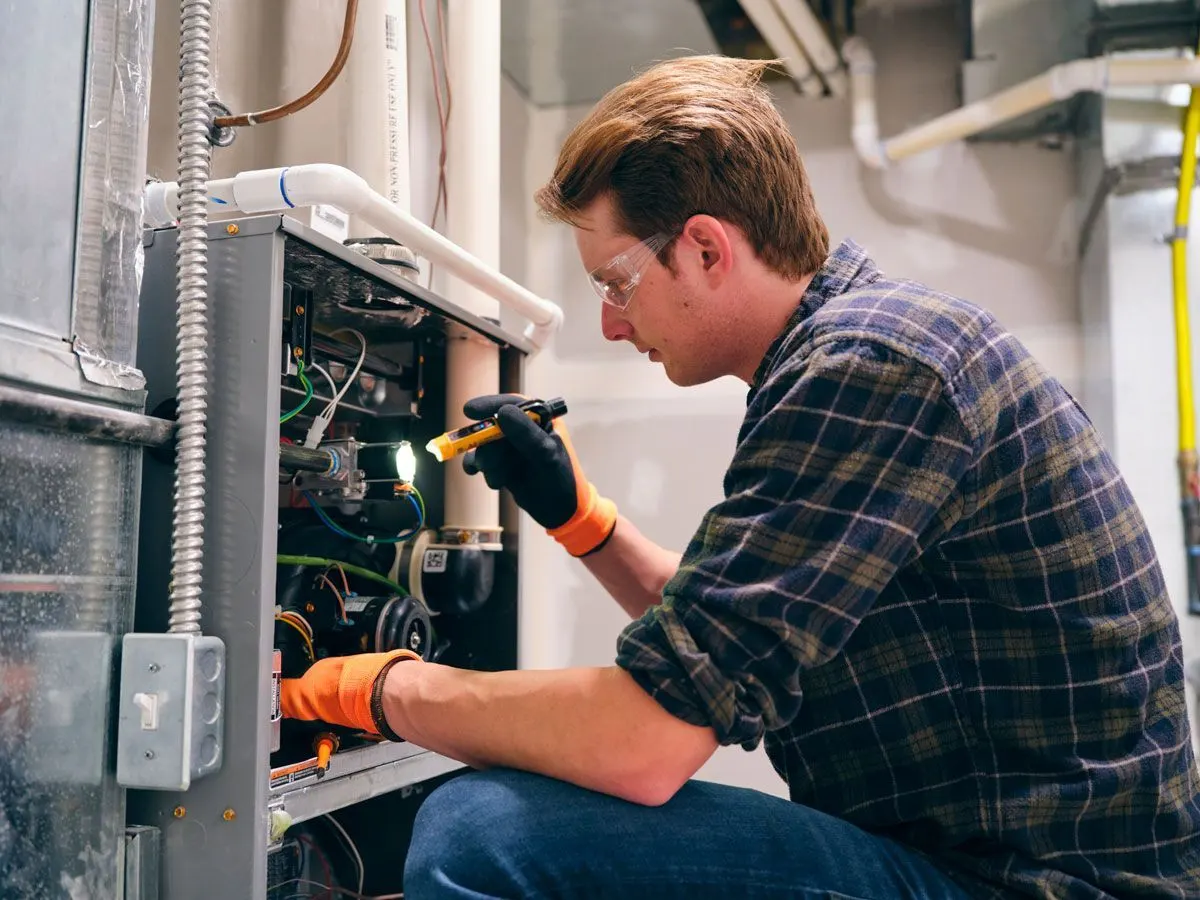
There is a hard boundary where DIY ends and professional expertise is legally and mechanically required. Heating systems face immense mechanical stress after sitting idle all summer. Dust settles on heat exchangers, electrical connections undergo thermal expansion and contraction, and moving parts lose their lubrication. Addressing these issues requires specialized tools, training, and a deep understanding of combustion safety.
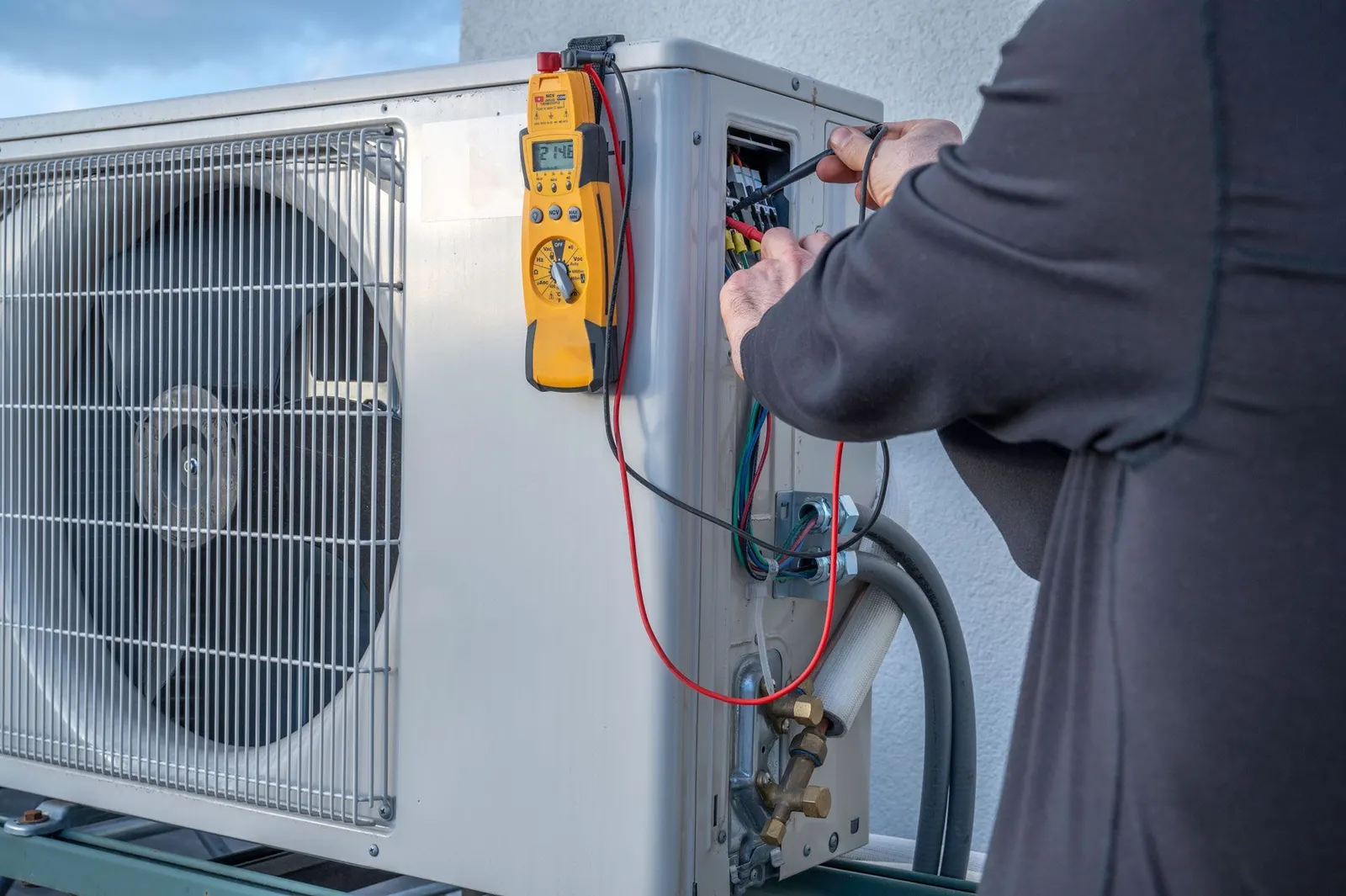
When our Comfort Central Inc. technicians perform a professional HVAC inspection, it involves critical safety checks that cannot be safely performed by a homeowner. Combustion checks ensure that the fuel is burning cleanly and efficiently. Gas pressure testing verifies that the manifold pressure is set exactly to the manufacturer's specifications, preventing delayed ignition or incomplete combustion. Electrical load verifications ensure that motors and capacitors are drawing the correct amperage, preventing sudden electrical failures.
Skipping these professional steps risks not only the lifespan of the equipment but also the safety of the household. A commitment to honest, objective diagnostics prioritizes extending the current system's life safely through smart fall maintenance, rather than pushing immediate replacement. The goal of a professional tune-up is to find small adjustments that keep the system running efficiently for years to come.
The Hidden Dangers of the First Startup
When you start a heating system for the first time in Williamsport MD residential areas, our team frequently encounters several hidden dangers that can emerge if the system hasn't been professionally inspected:
- Dust burning off heat exchangers: While a slight burning smell is normal for the first few minutes as summer dust burns off, persistent odors can indicate restricted airflow or electrical issues.
- Cracked heat exchangers: This is a severe safety hazard. A microscopic crack in the heat exchanger can leak odorless, colorless carbon monoxide into the living space. Only a professional can properly inspect this component.
- Loose electrical connections: The vibration from summer cooling cycles can loosen wire nuts and terminal connections. Loose wires create electrical resistance, which generates heat and can lead to tripped breakers or damaged circuit boards.
Navigating Energy Efficiency Upgrades and Incentives
As systems near the end of their 15- to 20-year lifespan, their energy efficiency drops significantly. Even a system that has been meticulously maintained will eventually lose its ability to heat a home as effectively as a newer model. When the cost of repairs begins to outweigh the value of the system, or when the monthly energy bills become consistently elevated, it is time to consider an upgrade.
Fortunately, upgrading to high-efficiency heat pumps or furnaces is often supported by various financial incentives. General federal tax credits and local utility incentive programs frequently exist to help offset the initial investment of installing energy-efficient equipment. These programs are designed to encourage homeowners to adopt technology that consumes less energy and reduces overall grid strain.
Because these programs change frequently and have specific qualification requirements, it is highly recommended to consult with your utility provider or a tax professional to verify current programs and eligibility before making a purchase. Regardless of whether you choose to upgrade or maintain your current unit, remember that a well-maintained system will always run more efficiently, no matter its age. Proper care during the mid-fall heating startup (October) ensures you get the absolute most out of the energy you pay for.
Common Homeowner Questions About HVAC Lifespans and Fall Maintenance
When preparing for the winter season in Williamsport MD residential areas, homeowners frequently ask us the same recurring questions. Here are clear, direct answers from our experts to help you navigate your fall maintenance safely.
How long does a heating system last?
A standard residential gas furnace typically lasts between 15 and 20 years, provided it receives annual professional maintenance. Heat pumps generally last between 10 and 15 years because they operate year-round for both heating and cooling. Reaching these maximum lifespans requires prompt repairs, regular filter changes, and consistent professional tune-ups to minimize mechanical wear and tear.
What HVAC maintenance can I safely do myself?
Homeowners can safely handle basic airflow and cleanliness tasks. You should regularly check and replace your indoor air filters, ensure all supply and return vents are open and unblocked, and clear leaves or debris from around your outdoor heat pump unit. Any task involving opening the furnace cabinet, adjusting electrical components, or inspecting combustion systems must be left to a licensed professional.
Why is a professional inspection required before winter?
A professional inspection ensures that the system is mechanically sound and safe to operate after sitting idle for months. Technicians perform critical safety tasks like checking for cracked heat exchangers that could leak carbon monoxide, testing gas manifold pressures, and verifying electrical loads. Skipping this inspection leaves your home vulnerable to sudden breakdowns and severe safety hazards during the first major cold snap.
How often should an HVAC system be replaced?
You should consider replacing your HVAC system when it is nearing the end of its expected lifespan (15-20 years for furnaces, 10-15 for heat pumps) and requires frequent or expensive repairs. Additionally, if you notice a steady, unexplained increase in your monthly energy bills, the system's efficiency has likely degraded to the point where a replacement is more cost-effective than continued operation.
What is the life expectancy of a heat pump?
The average life expectancy of a heat pump is 10 to 15 years. Because heat pumps do not get a dedicated "off-season"—they provide air conditioning in the summer and heating in the winter—they endure more continuous wear than a standalone furnace or AC unit. Regular bi-annual maintenance is the best way to help a heat pump reach or exceed the 15-year mark.
How does a dirty filter impact my furnace's lifespan?
A dirty filter severely restricts the flow of air through your heating system, forcing the blower motor to work significantly harder to push air through the home. This increased static pressure causes the motor to run hotter and draw more electrical current, which can lead to premature motor failure. Furthermore, restricted airflow can cause the heat exchanger to overheat, leading to stress cracks and a drastically shortened system lifespan.
Can skipping an October startup check void my manufacturer warranty?
Yes, in many cases, neglecting annual professional maintenance can void the manufacturer's warranty on your HVAC equipment. Most major manufacturers stipulate in their warranty terms that the system must be installed and regularly maintained by a licensed professional. If a part fails due to a lack of basic maintenance—such as a motor burning out due to a clogged filter—the manufacturer may deny the warranty claim.
Take the Next Step for a Safe and Reliable Winter Season
An HVAC system's lifespan is directly tied to how it is treated during critical transition periods, especially the mid-fall heating startup (October). Understanding the boundary between safe DIY preparation, like changing your filters, and the necessary professional diagnostics, like combustion and electrical testing, is the key to maximizing your investment. By taking a proactive approach, you protect your equipment from the severe wear and tear that leads to premature failure.
At Comfort Central Inc., we urge you not to wait for the first freezing night to discover that your heating system is struggling. Take action before the severe winter temperatures arrive to ensure uninterrupted comfort and safety for your home. A clear, safe, non-technical approach to your fall HVAC prep ensures you know exactly what you can handle yourself, and when it is time to call in our professionals to keep your system running strong for years to come.