
Is Your AC Trying to Tell You Something? Here’s What Those Strange Noises Mean
AC making strange noises what they mean is one of the most common questions homeowners ask — and for good reason. Your air conditioner is one of the hardest-working systems in your home, and when it starts sounding different, it’s usually trying to get your attention.
Here’s a quick-reference guide to the most common AC noises and what they typically indicate:
| Noise | Likely Cause | Urgency |
|---|---|---|
| Banging or clanking | Loose or broken parts, compressor issue | High — turn off unit |
| Hissing | Refrigerant leak or high pressure | High — call a pro |
| Screeching or squealing | Worn motor bearings, failing belt | High — shut down immediately |
| Grinding | Metal-on-metal friction, failing bearings | High — stop running unit |
| Buzzing | Electrical issue, frozen coils, loose wiring | Medium-High — inspect soon |
| Rattling | Loose screws, debris, loose panels | Medium — check and tighten |
| Clicking (repeated) | Thermostat or electrical problem | Medium — have it inspected |
| Whistling | Clogged filter, duct leak, blocked vent | Low-Medium — check filter first |
| Gurgling or bubbling | Refrigerant leak or clogged drain line | Medium — call a pro |
| Soft hum or air whoosh | Normal operation | None |
Most of these noises are early warning signs — not immediate emergencies — but a few (banging, hissing, screeching) mean you should shut the system off right away and call a professional.
I’m Merle Vaughn, a Master HVAC license holder in Maryland and West Virginia with 20 years of hands-on experience diagnosing exactly these kinds of issues — ac making strange noises what they mean is something I help homeowners decode every single week. Let’s walk through each sound in detail so you know exactly what’s going on and what to do next.
What are the normal sounds my AC should make in Hagerstown?
Before we dive into the “scary” sounds, it is important to know what a healthy system sounds like. In April 2026, air conditioning technology has reached a point where many units are nearly silent. If you have a modern system, like a variable-speed unit, it might operate at decibel levels as low as 19dB. To put that in perspective, that is quieter than a library and softer than a whisper!
Most standard AC systems in our area — from Frederick, MD to Martinsburg, WV — typically operate between 25 and 55 decibels. This is roughly the volume of a quiet conversation or a steady hum. When your system kicks on, you should hear:
- A steady hum: This is the sound of the compressor and the outdoor fan motor doing their jobs.
- An air “whoosh”: This is simply the sound of treated air moving through your ductwork.
- A single startup click: This is the electrical relay (the contactor) engaging to send power to the unit.
If your system stays within these boundaries, you are likely in the clear. However, if the hum turns into a growl or the click becomes a chatter, it’s time to start investigating ac making strange noises what they mean.
AC Making Strange Noises What They Mean: A Homeowner’s Guide
Think of your HVAC system as having its own language. It doesn’t have a check engine light like your car, so it uses sound to tell you when a component is under stress. To figure out the “audio clues,” you first need to identify where the sound is coming from. Is it the indoor air handler in your basement or closet, the outdoor condenser unit, or the vents themselves?
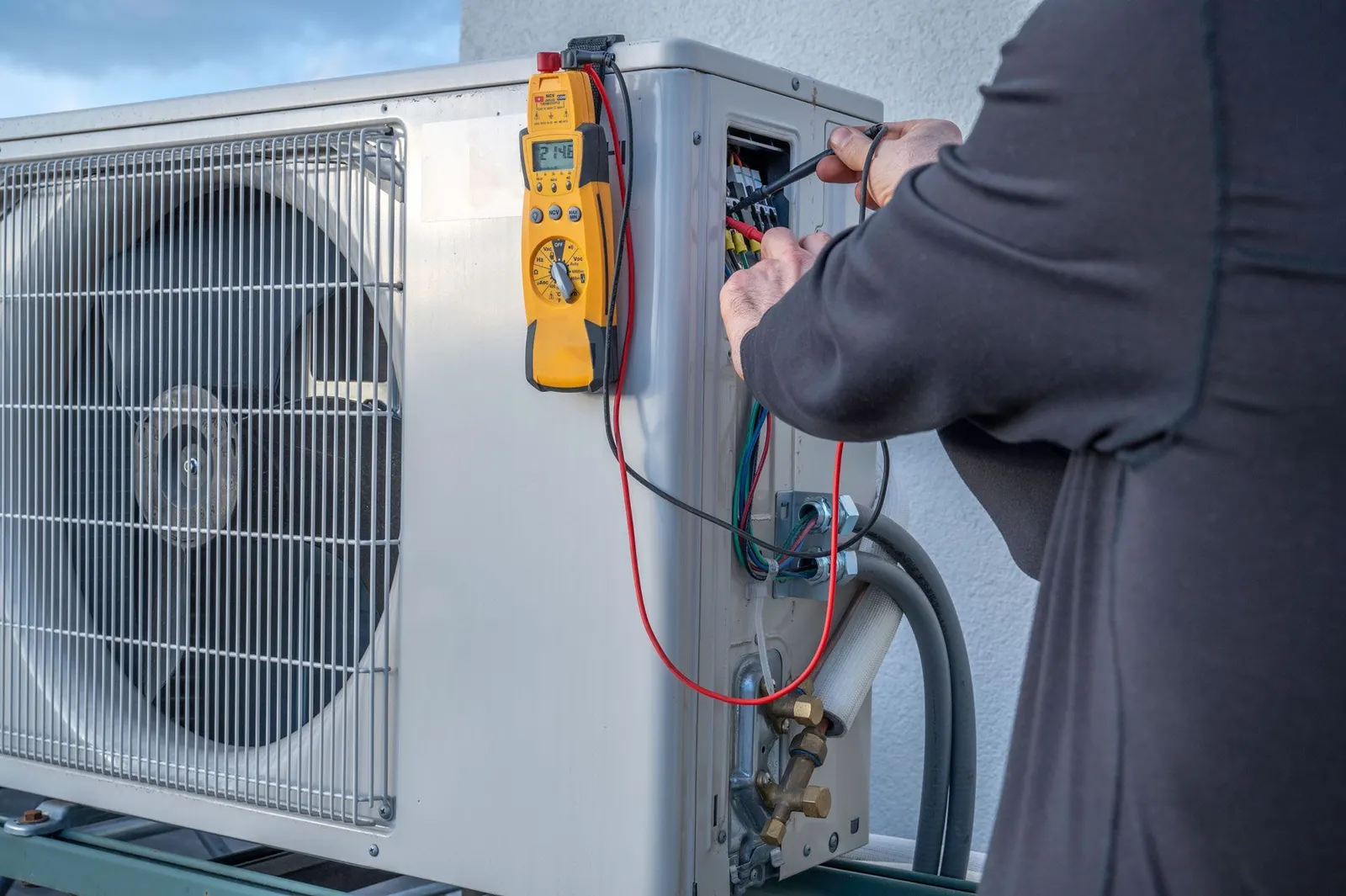
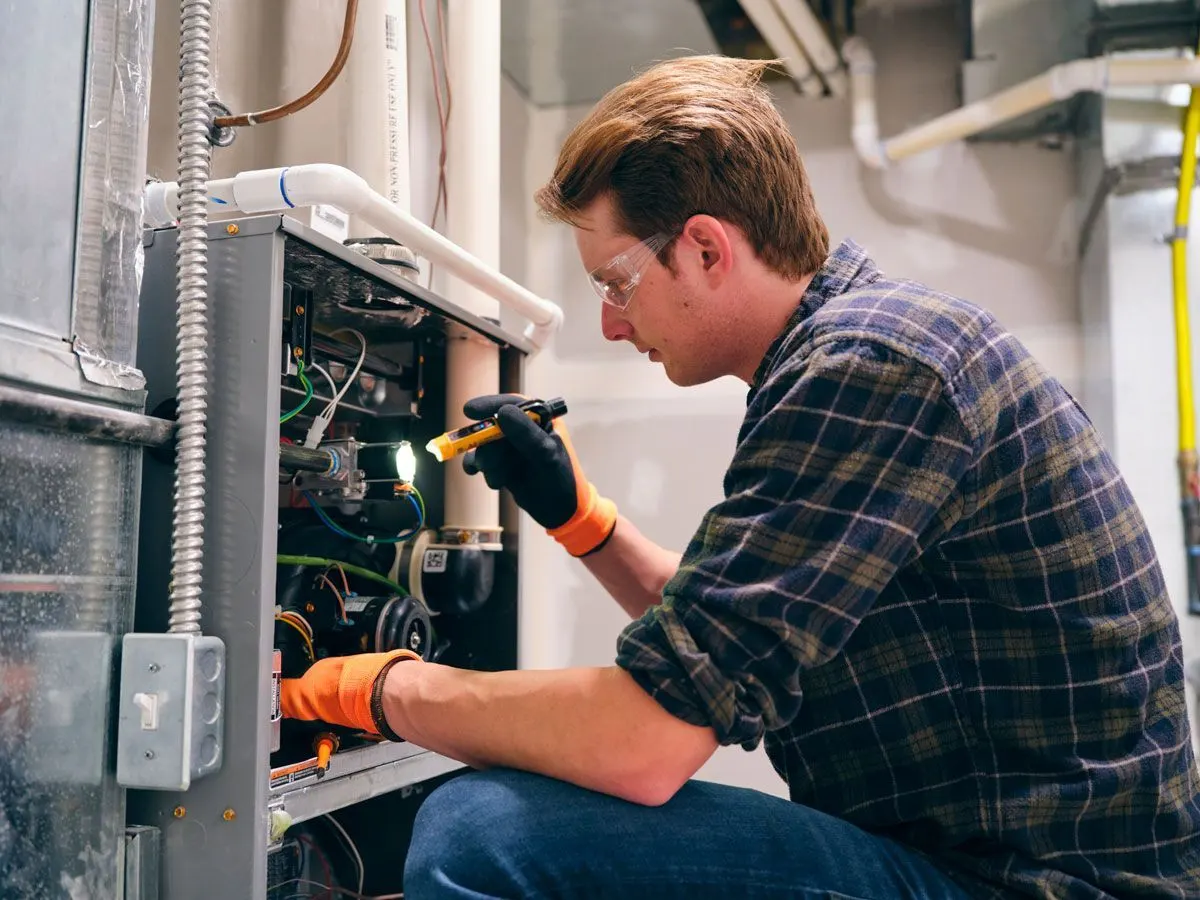
By narrowing down the location, you can often pinpoint the culprit. For example, a buzzing sound from the outdoor unit often points to an electrical capacitor, while a buzzing sound from the indoor unit usually suggests frozen evaporator coils.
If you are in Pennsylvania and hear something that sounds like a drum solo coming from your backyard, you might need a Professional Ac Repair In Chambersburg Pa A Locals Guide to help you navigate the repair process.
Why is my AC making strange noises what they mean when it bangs?
A banging or clanking sound is rarely a good sign. It almost always indicates that something has come loose or has already broken.
- Loose Blower Parts: Inside your indoor unit, the blower fan assembly might have a loose blade or an unbalanced wheel. As it spins at high speeds, it hits the surrounding housing, creating a rhythmic banging.
- Compressor Failure: This is the most serious cause. If the internal components of your outdoor compressor — like a piston pin or a connecting rod — break, they will knock against the inside of the sealed compressor shell.
- Broken Isolation Feet: The compressor sits on small rubber “feet” designed to absorb vibration. If these crack or disintegrate, the compressor will rattle and bang against the metal base of the unit.
Urgency: High. Running a system with internal mechanical banging is like driving a car with a broken engine rod. It will eventually lead to a catastrophic failure that could require a full system replacement.
Identifying ac making strange noises what they mean: Hissing and Whistling
Hissing and whistling are often related to the “fluids” of your system — either the air or the refrigerant.
- Refrigerant Leaks: A distinct hissing sound, often accompanied by a bubbling or gurgling noise, usually points to a refrigerant leak. Because refrigerant is under high pressure, it makes a “hiss” as it escapes through small cracks in the copper lines. This is a job for a pro, as handling refrigerant requires an EPA license.
- Internal Compressor Pressure: If you hear a high-pitched hiss that turns into a screech, your compressor may be experiencing dangerously high internal pressure. Shut the system off immediately.
- The “Tea Kettle” Effect: If your vents are whistling, it’s usually an airflow issue. This happens when your system is “suffocating.” A dirty air filter or closed dampers can force air through tiny gaps at high velocity, creating a whistle.
For our neighbors in West Virginia, our Martinsburg Ac Repair Guide For Homeowners offers more localized tips on handling these specific pressure-related issues.
When should I worry about loud screeching or grinding in Martinsburg?
Screeching and grinding are the “fingernails on a chalkboard” of the HVAC world. They almost always indicate metal-on-metal friction.
Screeching or Squealing In older units, this is often a failing fan belt that has slipped or frayed. In newer, beltless units, it typically means the bearings in your fan motor or blower motor have dried out or failed. If the screeching is coming from the compressor, it is a sign of high-pressure distress.
Grinding Grinding is the sound of motor bearings that have completely given up. When the lubrication is gone, the metal components rub together, creating heat and friction. If you don’t address this quickly, the motor will burn out entirely, and in some cases, the electrical strain can even lead to a fire hazard.
Electrical Buzzing Don’t ignore a loud electrical hum or buzz. This often means a capacitor is failing or a contactor relay is stuck. These components provide the “kick” needed to start your motors. If they fail, your motors can overheat trying to start, leading to more expensive repairs.
If you find yourself in this situation, it’s best to know Dont Sweat The Tech What Happens During An Emergency Hvac Visit so you are prepared when the pro arrives.
I need to quiet my noisy air conditioner. What DIY steps can I take?
Not every noise requires a service call! There are several things you can do right now to troubleshoot and potentially quiet your system.
- The Filter Check: A dirty filter is the root of many HVAC evils. If your filter looks like a “dust bunny convention,” replace it immediately. This can solve whistling, buzzing (from frozen coils), and even some thumping sounds.
- Clear the Debris: Go outside to your condenser unit. If you hear a “thwapping” sound (like playing cards in bicycle spokes), a twig or leaf is likely hitting the fan blades. Turn off the power at the breaker and carefully remove any sticks or debris.
- Tighten the Screws: Sometimes a “rattle” is just a loose metal panel. Use a screwdriver to ensure all the exterior screws on your outdoor unit are snug.
- Clear the Drain Line: If you hear gurgling, your condensate drain line might be partially clogged. You can use a wet/dry vac on the outdoor end of the PVC pipe to suck out any algae or sludge.
- Check Your Vents: Ensure that at least 80% of your supply vents are open and that no furniture is blocking the large return air grilles.
For more detailed maintenance tips, check out our guide on Chambersburg Ac Maintenance Dont Let Your Unit Lose Its Chill.
How can regular maintenance prevent weird sounds in Chambersburg?
The best way to deal with ac making strange noises what they mean is to prevent them from happening in the first place. Most of the sounds we’ve discussed — grinding, squealing, and even some banging — are the result of neglected maintenance.
When we perform a seasonal tune-up, we do more than just look at the unit. We:
- Lubricate moving parts: This prevents the metal-on-metal friction that causes grinding and screeching.
- Tighten electrical connections: This eliminates the buzzing caused by loose wiring.
- Clean the coils: This ensures proper heat transfer and prevents the “indoor buzzing” caused by frozen evaporator coils.
- Balance fan blades: This prevents the vibration that leads to clanking and rattling.
Regular service doesn’t just keep things quiet; it keeps your bills lower and your system’s lifespan longer. Understanding the Prevent Breakdowns Benefits Of Regular Hvac Service is the first step toward a worry-free summer.
Frequently Asked Questions About Unusual AC Sounds
Is it safe to run my AC if it is making a loud noise?
It depends on the sound. A light rattle from a loose screw is usually safe for a day or two. However, banging, screeching, grinding, or hissing are “red flag” noises. Running the system with these sounds can cause catastrophic failure or even electrical fires. When in doubt, turn it off.
Why does my air conditioner make noise after it shuts off?
It is normal to hear clicking or hissing for a minute or two after the cycle ends as refrigerant pressures equalize. However, if you hear a loud electrical buzz or persistent banging long after the fans stop, you may have a faulty relay or a compressor mounting issue that needs professional attention.
Can a dirty air filter cause my AC to make strange sounds?
Absolutely. A dirty filter restricts airflow, which can lead to whistling (the tea kettle effect). It can also cause your evaporator coils to freeze over, which often results in a loud buzzing or thumping sound from the indoor unit.
Conclusion
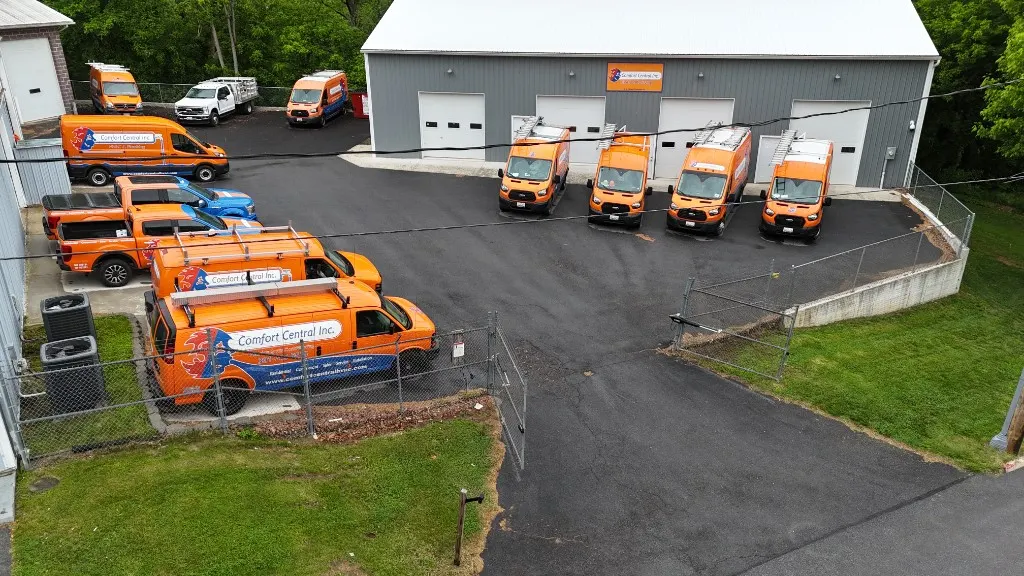
At Comfort Central Inc, we know that your home is your sanctuary. Since 2006, our family-owned business has been dedicated to keeping families across the Mid-Atlantic climate comfortable. Whether you are in Charles Town, Shippensburg, Harpers Ferry, or right here in Hagerstown, we are your local experts in decoding the language of your HVAC system.
Don’t let a small noise turn into a major headache. If your AC is trying to tell you something, we are here to listen and provide the expert, customer-focused service you deserve. If you’re tired of the noise and ready for some peace and quiet, explore our Cooling Services today. We serve communities across Maryland, West Virginia, and Pennsylvania, including Berkeley Springs, Shepherdstown, Williamsport, Frederick, Martinsburg, and Chambersburg. Let us bring the quiet comfort back to your home!