
Why That First Fall Heating Cycle Causes Concern
The first cold October night hits, you switch your thermostat to "heat," and suddenly, a distinct burning odor fills your living room. In our years serving the community, the team at Comfort Central Inc. has seen this exact moment cause immediate panic for countless homeowners. Finding reliable home maintenance tips and troubleshooting strategies for this scenario is critical before you assume the worst. When a dormant furnace or heat pump emits an unfamiliar smell upon its first use of the season, your first instinct might be to shut everything down and brace for a massive repair bill.
Here is the thing our technicians always explain: a mid-fall heating startup is a stressful event for your HVAC equipment. In the Mid-Atlantic region, the sudden temperature drops typical of October force heating systems to wake up from months of inactivity and immediately operate under high initial loads. As the outside air plunges into the 40s, your equipment is asked to rapidly heat a home that has been coasting on mild autumn breezes. This sudden demand highlights the primary decision point every homeowner faces: distinguishing between a harmless, temporary dust burn-off and a critical mechanical or electrical hazard.
Modern climate control systems are complex. Heat pumps, which act as both heating and comprehensive air conditioning solutions, require specific transition care because the same internal components are shifting their operational flow. In our field experience, ignoring serious warning signs during this transition period is dangerous. What might seem like a minor electrical odor or a faint grinding noise can quickly escalate into a catastrophic failure. If a dual-purpose system burns out its shared blower motor or compressor because early warning signs were ignored, you could be looking at the sudden need for complete AC installation and replacement long before the unit's expected lifespan is up.
Understanding the Science Behind the Burning Dust Smell
The Problem: You turn on your heating system for the first time in months, and within minutes, the air vents start blasting a smell that resembles singed hair or scorching earth. It is alarming, pervasive, and often sets off smoke detectors if the concentration is high enough.
The Cause: To understand this, we have to look at what happens inside your ductwork and heating equipment during the summer. While your system is either sitting idle or pushing chilled air, microscopic debris—pet dander, skin cells, fabric fibers, and everyday household dust—settles on the internal heat exchangers and electric heating elements. When you initiate that first mid-fall heating cycle in Williamsport MD area homes, those internal components heat up to several hundred degrees almost instantly. The settled dust does not just blow away; it is instantly incinerated. The smell you are experiencing is the literal combustion of months of accumulated microscopic debris.
The Solution: The most effective way to handle this harmless occurrence is proactive ventilation. Before you turn the system on for the first time, open a few windows to create a cross-breeze. This allows the incinerated particulate matter to escape your home rather than lingering in your living spaces. At Comfort Central Inc., our local expertise allows us to evaluate these systems non-invasively, and we constantly advise our customers to plan their first heating cycle on a mild afternoon when opening windows is comfortable, rather than waiting for a freezing midnight emergency.
The 30-Minute Safety Window
If you are wondering how long this odor should last, the industry standard we follow is the 30-minute safety window. When you start the system, monitor the air quality closely for the first half-hour of continuous operation.
- 0 to 15 minutes: The smell will likely peak during this time as the heaviest layer of dust is burned away from the heat exchanger.
- 15 to 30 minutes: The odor should noticeably dissipate, becoming fainter until it vanishes completely.
- Beyond 30 minutes: If the smell persists, intensifies, or changes from a dusty odor to an acrid chemical smell, the system has crossed the threshold from normal operation into emergency troubleshooting territory. Shut the unit down at the thermostat immediately.
Electrical Odors: Recognizing When Immediate Action is Required
While burning dust is harmless, our technicians warn that other odors are urgent warning signs. Differentiating between a dusty smell and a dangerous electrical odor is a vital skill for any homeowner navigating a mid-fall heating startup. Electrical failures produce a distinct, acrid scent that is often described as metallic, fishy, or resembling melting plastic. This is the smell of wire insulation overheating, circuit boards scorching, or failing electrical components drawing too much amperage.
During the initial heavy load of the season, internal components like blower motors and capacitors are tested to their limits. A capacitor acts as a massive battery that gives the blower motor the jolt of energy it needs to start spinning. If that capacitor is failing, the motor struggles to turn, draws excessive electricity, and begins to overheat. The resulting melting plastic smell is your warning that a component is actively burning out. If you detect this acrid odor, the critical safety step is to immediately turn off the system at the thermostat and flip the dedicated breaker switch in your electrical panel to cut the power supply entirely.
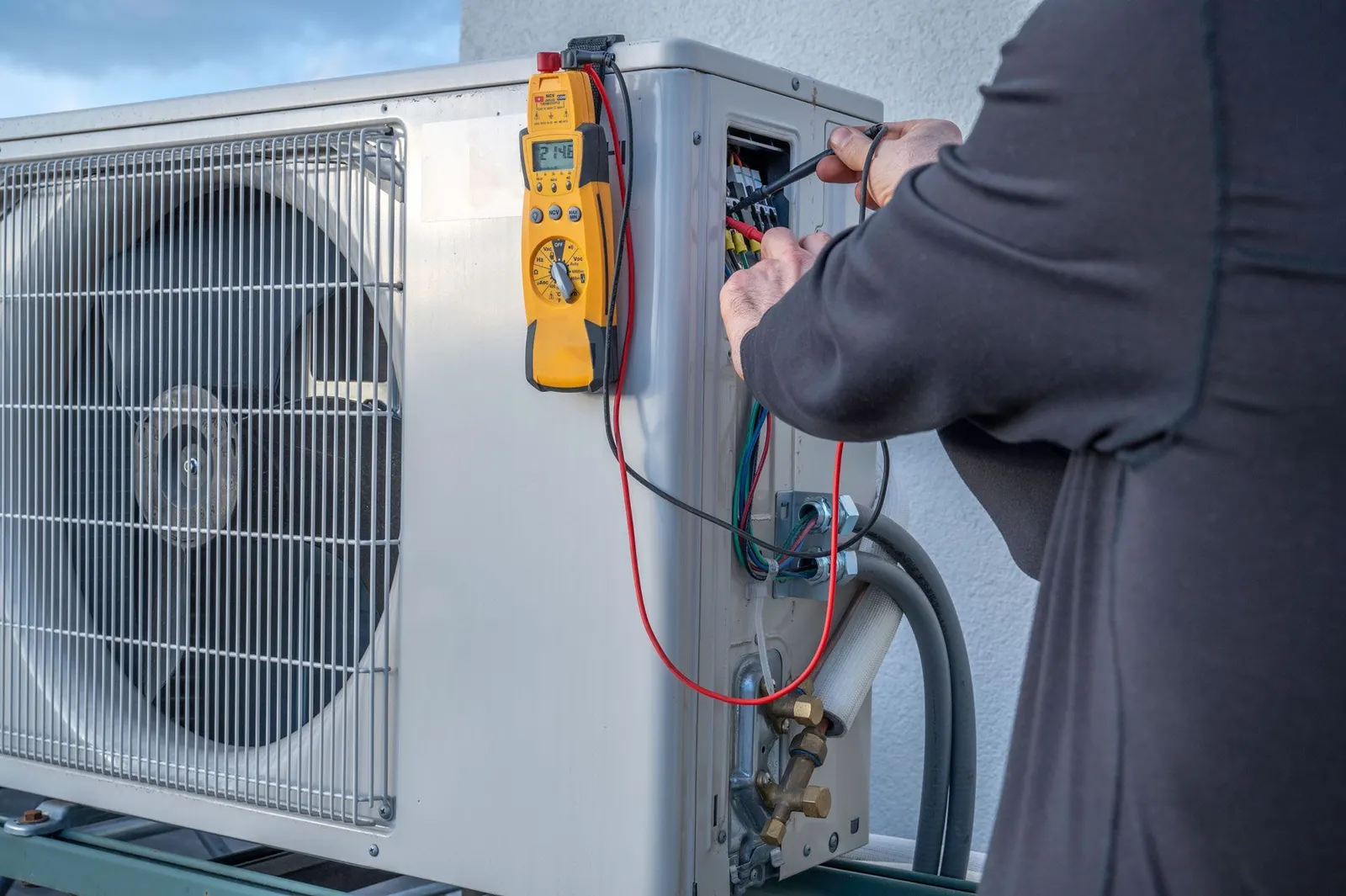
Because many modern homes use dual-purpose systems like heat pumps, an electrical failure in the fall impacts your cooling capabilities for the following spring. These systems share vital electrical components. Just last October, our team helped a Williamsport homeowner who experienced an aging system that was struggling during seasonal transitions. One of our expert technicians thoroughly assessed the equipment, testing the shared electrical components, and provided honest, clear information about the failing parts before a total breakdown occurred. This kind of proactive AC inspection and testing is crucial, as it diagnoses the health of the shared blower motors and control boards that run year-round.
Decoding Unusual Noises During the Initial Heating Load
Smell is not the only sense you need to rely on during the first heating cycle; sound is equally important. When dormant equipment fires up, it is going to make noise. A common challenge we see for homeowners in Williamsport MD area homes is categorizing those noises into normal operational sounds versus clear indicators of mechanical failure. In our experience, running a compromised system while it grinds or squeals will rapidly exacerbate the internal damage, turning a simple part replacement into a catastrophic system failure.
Thermal expansion is responsible for many of the harmless sounds you hear. As hot air rushes into cold metal ductwork, the metal expands, causing pops and bangs. However, continuous mechanical noises from the indoor air handler or the outdoor heat pump unit demand immediate attention.
| Sound Profile | Likely Source / Cause | Normal or Abnormal? | Required Action |
|---|---|---|---|
| Clicking at Startup | Thermostat relays engaging and gas valves opening. | Normal | None. This is the standard sequence of operations. |
| Initial Rush of Air | The blower motor ramping up to full speed. | Normal | None. Expected as static pressure builds in ducts. |
| Intermittent Popping | Metal ductwork expanding as hot air hits cold steel. | Normal | None, though excessive popping may indicate restricted airflow. |
| Loud Grinding | Worn bearings inside the blower motor assembly. | Abnormal (Danger) | Shut off system immediately. Motor replacement likely needed. |
| High-Pitched Squealing | Loose or frayed blower belts (in older models) or failing fan motors. | Abnormal (Danger) | Shut off system. Requires professional tensioning or replacement. |
| Persistent Humming | A failing capacitor or a seized motor struggling to start. | Abnormal (Danger) | Shut off power at the breaker to prevent electrical fire. |
The takeaway on noise from our pros: If a sound is brief and happens only during the startup sequence, it is usually harmless thermal expansion or electrical relays doing their job. If the sound is continuous, rotational, and metallic (like grinding or squealing), you have a mechanical failure in progress. Do not let the system run "just to see if it goes away." It will not.

Essential Home Maintenance Tips and Troubleshooting Steps
Before the first freeze sets in, there are several actionable, safe maintenance tasks you can perform to ensure your mid-fall heating startup goes smoothly. These steps keep you safely within the boundaries of homeowner maintenance without crossing into unlicensed professional territory. Here is what we tell every Comfort Central Inc. customer to proactively reduce the severity of startup smells and prevent unnecessary strain on equipment.
- Change the HVAC Air Filter Before the First Cycle: This is the most critical step. The high humidity of the preceding Mid-Atlantic summer accelerates how quickly dust and airborne particulates cake onto your air filter. A clogged filter severely restricts airflow. When airflow is restricted, the heat exchanger runs hotter than designed, which intensifies the burning dust smell and can even trigger the system's high-limit safety switch to shut the furnace down. Start the season with a fresh, clean filter.
- Clear Debris from the Outdoor Heat Pump Unit: If you use a heat pump, the outdoor unit is just as important in the winter as it is in the summer. During the fall, falling leaves, twigs, and storm debris can easily get sucked into the condenser fins. Safely clear a two-foot perimeter around the entire unit. Gently brush away any leaves stuck to the outside grilles to ensure maximum airflow, which is required for the system to extract ambient heat from the outdoor air.
- Test the Thermostat Settings Early in the Day: Do not wait for a freezing night to discover your heater is malfunctioning. Pick a mild October afternoon, switch the thermostat from "cool" to "heat," and raise the temperature a few degrees above the current room temperature. This allows you to monitor the 30-minute dust burn-off window safely, open windows for ventilation, and listen for abnormal noises without the pressure of a freezing house.
- Inspect All Supply and Return Vents: Walk through your home and ensure that no furniture, rugs, or heavy drapes have been moved over your floor or wall registers during the summer. Blocking vents disrupts the system's static pressure, forcing the blower motor to work harder and increasing the risk of overheating.
If you follow these basic troubleshooting steps and your older system repeatedly fails to initiate, trips the breaker, or continues to emit dangerous odors, it may be reaching the end of its operational life. In these cases, looking into a new Williamsport AC installation—specifically a modern, high-efficiency heat pump system that handles both your heating and cooling needs—might be the most financially sound next step. Keep in mind that generic federal tax credits or utility incentive programs may apply to qualifying high-efficiency heat pump installations, so we always advise readers to verify current programs with their utility or a tax professional.
When to Call a Professional for a Pre-Season Inspection
While changing filters and clearing leaves are excellent proactive measures, they do not replace the need for licensed professional oversight. The Environmental Protection Agency (EPA) strongly recommends annual pre-season inspections for all heating equipment, and our team echoes this to ensure safe combustion, proper venting of exhaust gases, and overall electrical safety before heavy winter usage begins.
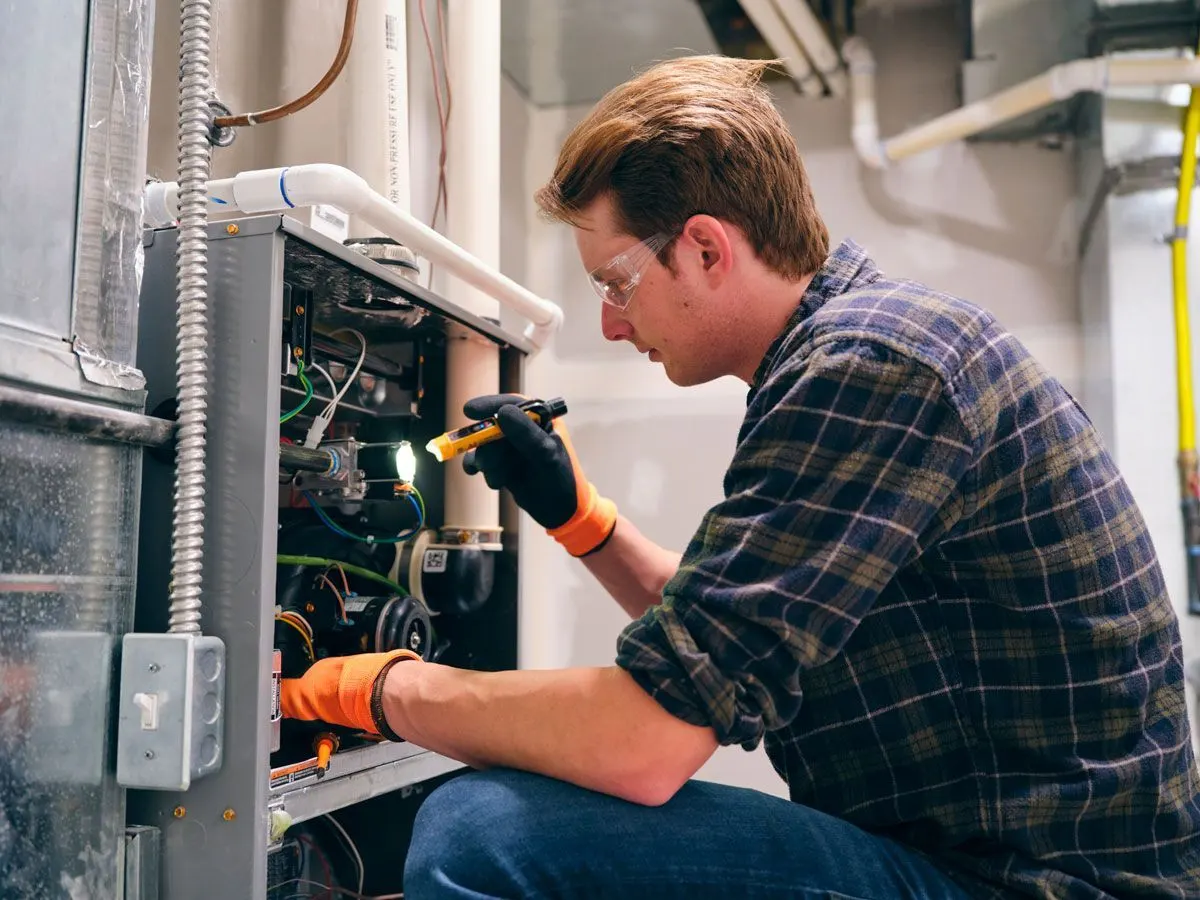
Professional intervention becomes mandatory when you encounter persistent smells that outlast the 30-minute window, loud grinding noises, or a complete failure to produce warm air. During a comprehensive fall tune-up, our licensed technicians go far beyond basic cleaning. We perform rigorous safety checks, including inspecting the heat exchanger for microscopic cracks that could leak carbon monoxide into your home. We test the microfarad readings on all capacitors to ensure they are delivering the correct voltage to the motors. For heat pumps, we verify refrigerant levels, as an undercharged system will struggle to heat your home efficiently and will eventually freeze into a solid block of ice.
Shared electrical components are a frequent point of failure during seasonal transitions. In one recent service call, a local homeowner was dealing with a sudden system failure caused by a burned-up capacitor on the indoor blower motor. Because they recognized the warning signs and shut the system down, our technician was able to arrive quickly with the necessary part and complete the repair in under 30 minutes, restoring airflow before the motor itself was damaged. This highlights why prompt action is so critical.
A pre-season inspection also provides clarity for homeowners in Williamsport MD area homes who are unsure whether to keep repairing an aging unit. Our technicians can give you an objective assessment of the equipment's health. If the heat exchanger is compromised or the compressor is failing, pouring money into temporary fixes is a poor investment. Instead, your technician can guide you in evaluating whether to proceed with a complex repair or start comparing AC installation options for a more efficient, reliable dual-system upgrade.
Ensure a Safe and Comfortable Transition into Winter
Navigating a mid-fall heating startup does not have to be a source of anxiety. The main takeaway from our team is simple: brief, dusty smells lasting less than 30 minutes are a normal part of the seasonal transition as your system burns off summer debris. However, persistent odors, acrid electrical smells, and loud grinding noises are clear indicators of mechanical distress.
By acting quickly on these warning signs, you prevent minor part failures from cascading into mid-winter breakdowns. Change your filters, test your system early in the season, and never ignore a strange noise. If you have any doubts about your system's safety or if it fails the basic troubleshooting tests, the safest course of action is to shut it off and schedule a professional evaluation with Comfort Central Inc. to ensure your home remains safe and comfortable all winter long.
Frequently Asked Questions
Is it normal for a furnace to smell when first turned on?
Yes, a brief burning smell is entirely normal during the first use of the season. This occurs because dust, pet dander, and other microscopic debris settle on the internal heating elements during the summer months. When the system heats up, this debris is instantly incinerated, creating a temporary odor.
How long should a burning smell last during the first fall heating cycle?
A normal dust burn-off smell should dissipate within 15 to 30 minutes of continuous operation. The odor will typically peak in the first few minutes and gradually fade. If the smell lasts longer than half an hour, it may indicate a more serious issue requiring attention from a professional.
How do I know if my furnace smell is dangerous?
Dangerous smells are distinct from the scent of burning dust; they often smell like melting plastic, ozone, or acrid chemicals. These odors indicate electrical components, such as wiring insulation or blower motors, are actively overheating. If you detect an electrical or chemical smell, turn off the system immediately at the thermostat and breaker.
What to do if a heat pump makes a loud noise on startup?
While minor popping from expanding ductwork is normal, loud grinding, squealing, or persistent humming are signs of mechanical failure. Grinding usually points to failing motor bearings, while squealing can indicate belt or fan issues. Shut the system down immediately to prevent further internal damage and call a licensed technician.
Why does my heater smell like burning dust?
Your heater smells like burning dust because the heat exchanger and internal elements reach very high temperatures almost instantly upon startup. Any particulate matter that has settled on these components during their dormant summer period is burned away. Opening windows for ventilation during the first cycle helps clear the smell quickly.
Can I perform home maintenance on my heat pump to prevent startup smells?
Yes, you can minimize startup smells by replacing your HVAC air filter before turning the system on for the first time. A clean filter ensures proper airflow, which keeps the system from overheating and intensifying the burn-off odor. Additionally, safely clearing leaves and debris from the outdoor condenser unit helps the system run efficiently.