
What to Do When Your HVAC Breaks Down Unexpectedly: Your 5-Minute Emergency Response
Knowing what to do when your hvac breaks down unexpectedly can mean the difference between a quick fix and a costly disaster. Here’s what to do right now:
- Check the thermostat – Make sure it’s set to the correct mode, the temperature is set properly, and the batteries aren’t dead.
- Inspect the circuit breaker – Look for a tripped breaker labeled “HVAC,” “Furnace,” or “AC” and reset it once if needed.
- Check the air filter – A clogged filter is one of the most common causes of sudden shutdowns. Replace it if it’s dirty.
- Look for warning signs – Smell gas or burning? See sparks or water leaking near electrical components? Shut the system off immediately and call a professional.
- Check the outdoor unit – Clear any leaves, debris, or obstructions blocking airflow.
- Call a licensed HVAC technician – If basic checks don’t restore operation, or if there are any safety concerns, stop troubleshooting and get professional help.
It’s a scenario nobody wants to face: temperatures outside are pushing toward extremes, and your heating or cooling system has just gone silent. No airflow. No response from the thermostat. Just that sinking feeling that something has gone seriously wrong. If you’re a homeowner in Maryland, West Virginia, or Pennsylvania, you know the Mid-Atlantic climate doesn’t give you much wiggle room — summers can be brutal, and winters in places like Hagerstown, Martinsburg, or Chambersburg can turn dangerously cold in a matter of hours.
The stress of an unexpected HVAC failure is real, and it’s more common than you might think. Research shows that roughly 70% of homeowners experience an HVAC breakdown during peak seasons — exactly when they need their systems the most. And while some failures give warning signs ahead of time, many seem to come out of nowhere, leaving families scrambling to figure out their next move.
The good news? Most situations are manageable if you know the right steps to take. Whether the fix turns out to be as simple as a tripped breaker or as serious as a refrigerant leak, staying calm and following a clear plan protects both your family and your home while you sort things out.
I’m Merle Vaughn, a Master HVAC license holder with over 20 years of hands-on experience helping homeowners navigate exactly this kind of situation — including countless middle-of-the-night calls where knowing what to do when your hvac breaks down unexpectedly made all the difference. In the sections ahead, I’ll walk you through everything from immediate troubleshooting steps to identifying true emergencies, staying comfortable during a failure, and preventing the next one from ever happening.
What to Do When Your HVAC Breaks Down Unexpectedly: Signs and Troubleshooting
Before a system completely quits, it often sends out “SOS” signals. In our experience serving areas from Frederick, MD to Martinsburg, WV, we’ve found that many emergencies could have been caught earlier if the homeowner knew what to look for. Common signs of an impending failure include unusual grinding or screeching noises, weak airflow from your vents, or a system that “short cycles” (turning on and off every few minutes).
If you notice your energy bills spiking for no apparent reason in April 2026, your system is likely overworking to compensate for a failing component. Statistics show that about 40% of HVAC emergencies actually start with thermostat malfunctions. If your screen is blank or the temperature reading seems wildly inaccurate, the “breakdown” might just be a communication error between your wall unit and the furnace.
What is the first step for what to do when your hvac breaks down unexpectedly?
The very first thing we recommend is a thorough check of your thermostat settings. It sounds simple, but you’d be surprised how often a system is accidentally switched to “Heat” during a warm spell or “Cool” during a freeze. Check the batteries; if the display is dim or flickering, fresh AA batteries might be the only “repair” you need.
Next, verify your power supply. Check your home’s main electrical panel for any tripped breakers labeled “AC,” “Furnace,” or “Air Handler.” If you find a tripped breaker, reset it once. However, if it trips again immediately, do not try a third time. This indicates a serious electrical fault that requires professional attention to prevent a fire. You should also ensure that the emergency shut-off switches (which look like light switches) near your indoor and outdoor units haven’t been bumped into the “Off” position.
Is it safe to troubleshoot what to do when your hvac breaks down unexpectedly by myself?
Yes, but only to a point. Homeowners can safely handle basic maintenance tasks like replacing air filters and clearing debris from the outdoor condenser unit. A clogged filter restricts airflow, which can cause an AC coil to freeze or a furnace to overheat and shut down as a safety precaution. You can discover common causes now to see why your furnace might be acting up.
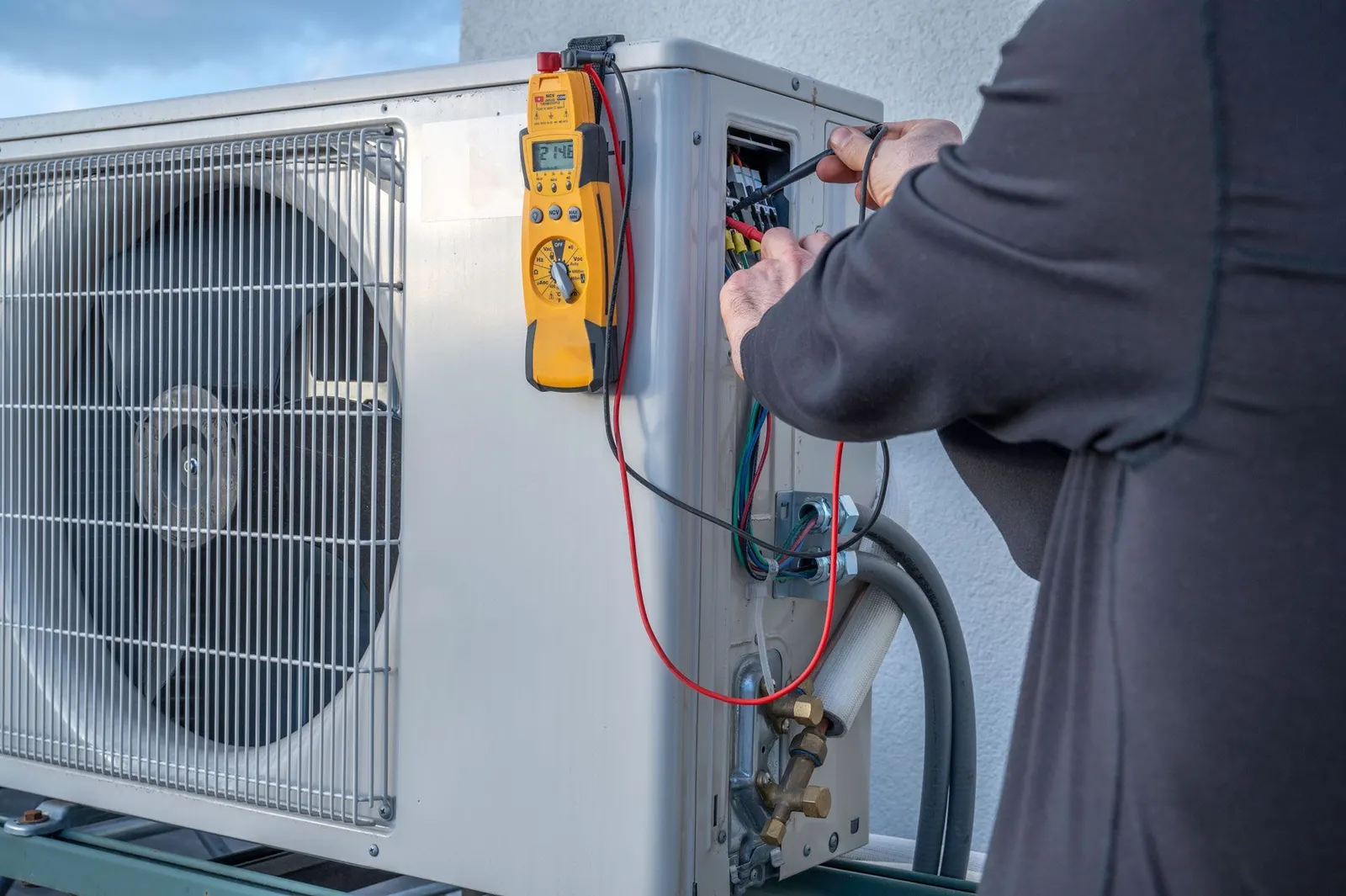
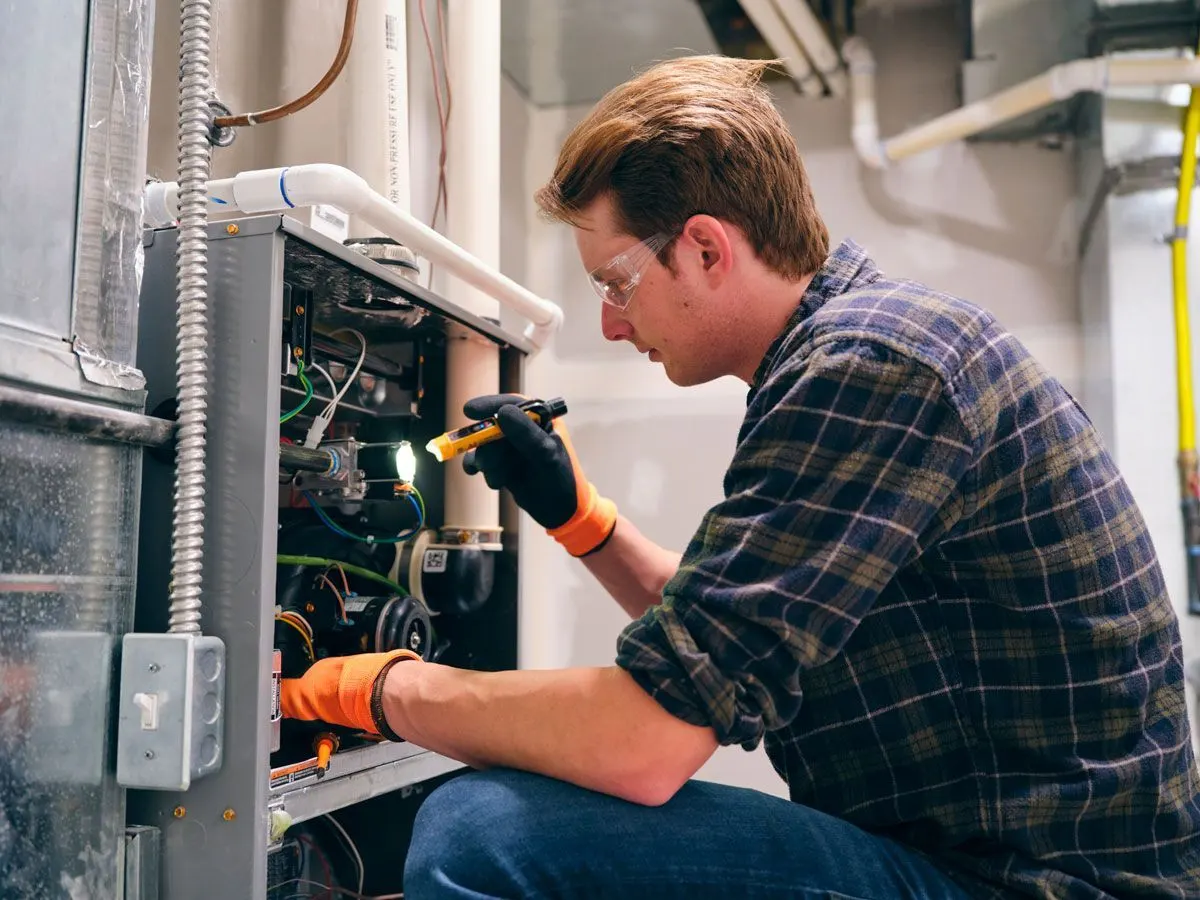
However, you should never attempt to open the cabinet of your furnace or air handler if you aren’t trained. These systems contain high-voltage electricity and sharp metal components. Furthermore, handling refrigerant is strictly regulated; only EPA-certified technicians can safely manage leaks. If you’ve checked the batteries, the breaker, and the filter, and the system still won’t budge, it’s time to consult a Chambersburg heating repair complete guide or call in the pros.
Identifying True HVAC Emergencies and Safety Risks
Not every breakdown is an emergency, but when the safety of your home or family is at risk, you need immediate help. We consider it a true emergency when:
- Temperatures are extreme: If it is below 50°F or above 95°F indoors, the risk of hypothermia or heat exhaustion is high, especially for children, seniors, and pets.
- You smell gas: A “rotten egg” smell indicates a natural gas leak. Evacuate immediately and call your gas provider from outside.
- You smell burning: A persistent electrical or “burning plastic” smell suggests components are melting or sparking.
- There is a Carbon Monoxide (CO) alarm: If your CO detector goes off, get everyone out into the fresh air immediately.
| Situation | Urgency Level | Recommended Action |
|---|---|---|
| System won’t turn on (Mild weather) | Standard | Schedule service for next business day |
| Strange grinding noises | Urgent | Turn off system and call for repair |
| No heat in freezing weather | Emergency | Call 24/7 service immediately |
| Smell of gas or smoke | Critical | Evacuate and call 911/Gas Co. |
For families in our service area, we offer emergency heating repair in Frederick, MD to ensure no one has to suffer through a dangerous cold snap. If you are in West Virginia, don’t wait until the pipes freeze; seek emergency heating repair in Martinsburg, WV the moment you realize the heat is gone.
Safety and Comfort Strategies During a System Failure
While you wait for a technician to arrive at your home in Shippensburg or Shepherdstown, your priority is maintaining a safe environment.
In Summer Heat:
- Close the blinds: Block out the sun to prevent the “greenhouse effect.”
- Hydrate: Drink plenty of water and stay on the lowest level of your home, as heat rises.
- Use fans: While they don’t lower the room temperature, they help with sweat evaporation to keep you feeling cooler.
In Winter Cold:
- Seal the drafts: Use towels or “draft dodgers” at the base of doors and windows.
- Gather in one room: It’s easier to keep one small space warm than the whole house.
- Protect your pipes: Open cabinet doors under sinks to let room air reach the plumbing, and allow faucets to drip slightly to prevent freezing.
- Safe heat only: Never use a gas oven or a grill for indoor heat, as this creates a deadly carbon monoxide risk.
If you need a fast response to get your home back to normal, knowing how to get same day heating repair in Chambersburg, PA can save you from a very long, uncomfortable night.
Preventing Future Failures with Professional Maintenance
The best way to handle an HVAC emergency is to make sure it never happens. Statistics show that homeowners who invest in regular maintenance are 50% less likely to face an unexpected breakdown. Most HVAC systems are designed to last 15–20 years, but without care, that lifespan can be cut in half.
Regular service includes cleaning the coils (which improves efficiency by 15-20%), checking the condensate drain line for clogs that cause water damage, and inspecting electrical connections. You can learn more about the benefits of regular hvac service and how it keeps your system running smoothly through the harshest Mid-Atlantic seasons.
We recommend a “bi-annual” approach: a heating tune-up in the fall and a cooling tune-up in the spring. This ensures that when the first 90-degree day of summer or the first frost of winter hits, your system is ready for the load. For comprehensive care, explore our full range of heating services designed to keep your family comfortable year-round.
Conclusion
At Comfort Central Inc, we’ve been a family-owned and operated business since 2006. We understand that your home is your sanctuary, and when your HVAC fails, that sanctuary is compromised. Whether you’re in Charles Town, WV, Williamsport, MD, or Berkeley Springs, WV, our team of licensed and insured technicians is dedicated to providing expert, customer-focused service with fair pricing and flexible financing options.
Don’t let a breakdown ruin your week. If you’re currently wondering what to do when your hvac breaks down unexpectedly, follow the troubleshooting steps above, and if the air stays still, contact us immediately. We’re here to restore your comfort and your peace of mind. To see a full list of how we can help, visit our services page.
What are the typical costs for emergency HVAC repairs in 2026?
In 2026, emergency repairs typically involve a diagnostic fee plus the cost of parts and labor. Most companies charge an “after-hours” or “emergency” surcharge, which can range from a modest flat fee to a higher hourly rate. Pricing varies based on your specific location in the Mid-Atlantic and the complexity of the component being replaced (like a blower motor versus a simple capacitor).
How do I prepare an emergency plan for HVAC failures in advance?
Preparation is key. Keep our contact information programmed into your phone and posted on your refrigerator. Educate everyone in the household on how to shut off the gas and where the circuit breaker is located. Keep an “emergency kit” that includes extra blankets, a few portable fans, and perhaps a high-quality space heater (with tip-over protection) for winter emergencies. Most importantly, keep your maintenance records organized so your technician can see the system’s history.
When should I consider replacing my system instead of repairing it?
If your system is over 15 years old and requires a repair that costs more than half the value of a new unit, replacement is usually the smarter financial move. Newer systems in 2026 are significantly more energy-efficient, often paying for themselves through lower monthly bills. If you find yourself calling for “emergency” repairs more than once a season, it’s a clear sign that the system’s reliability has reached its end. You can read more about the benefits of regular hvac service to see if your current unit is worth saving.