
That First Chilly Night: Decoding Strange Smells and Sounds
That first chilly night of the season usually prompts homeowners to start ticking items off their seasonal home maintenance checklist, but flipping the thermostat to "heat" can quickly turn into a moment of anxiety. You expect a quiet rush of warm air, but instead, you are greeted by a faint burning smell and a loud clunking noise from the vents. If your system has been sitting idle since last spring, this mid-fall October heating startup can be stressful for both you and your equipment.
The immediate decision point for any homeowner is figuring out whether these quirks are simply harmless seasonal burn-off or the early warning signs of a failing component. A dusty smell that vanishes in an hour is usually nothing to worry about, but grinding sounds or persistent electrical odors demand closer attention. Understanding how long an HVAC system typically lasts is the key to interpreting these early warning signs accurately. If your equipment is nearing the end of its life, those strange noises might mean it is time to evaluate your options for AC installation and replacement rather than repeatedly paying for temporary fixes.
How Long Does an HVAC System Last? Component Benchmarks
When evaluating the health of your heating and cooling equipment, it helps to know the objective lifespan benchmarks established by industry authorities like the Department of Energy and ASHRAE. However, these national averages assume regular professional upkeep and relatively mild operating conditions. In the Williamsport MD area, the distinct four-season climate requires dual-season readiness. Because the region experiences both hot, humid summers and freezing winters, heating and cooling systems rarely get an off-season to rest. This constant, year-round operation accelerates overall wear and tear, often pushing realistic lifespans toward the lower end of the national averages.
| HVAC Component | Average Lifespan | Impact of a Four-Season Climate |
|---|---|---|
| Air Conditioners | 10 to 15 Years | Heavy summer humidity forces the compressor to run longer cycles, increasing mechanical fatigue. |
| Heat Pumps | 10 to 15 Years | Because they handle both heating and cooling year-round, they accumulate operating hours twice as fast as standalone units. |
| Gas Furnaces | 15 to 20 Years | Intense winter freezes require the heat exchanger to undergo extreme thermal expansion and contraction daily. |
These benchmarks serve as a baseline. If your heat pump is twelve years old and struggling through its first fall startup, it is likely reaching the natural end of its mechanical life. Conversely, a five-year-old furnace making a strange noise is much more likely to need a simple adjustment or a replacement part rather than a full system overhaul.

The Shoulder Season Stress Test: Why October is Hard on Your System
Mid-fall is notoriously difficult on climate control equipment. During this "shoulder season," the weather is in transition, meaning temperature swings can be drastic. In Maryland, October weather often brings afternoons warm enough to require air conditioning, followed by nights cold enough to demand the furnace. This constant switching back and forth creates a unique mechanical stress test for your entire system.
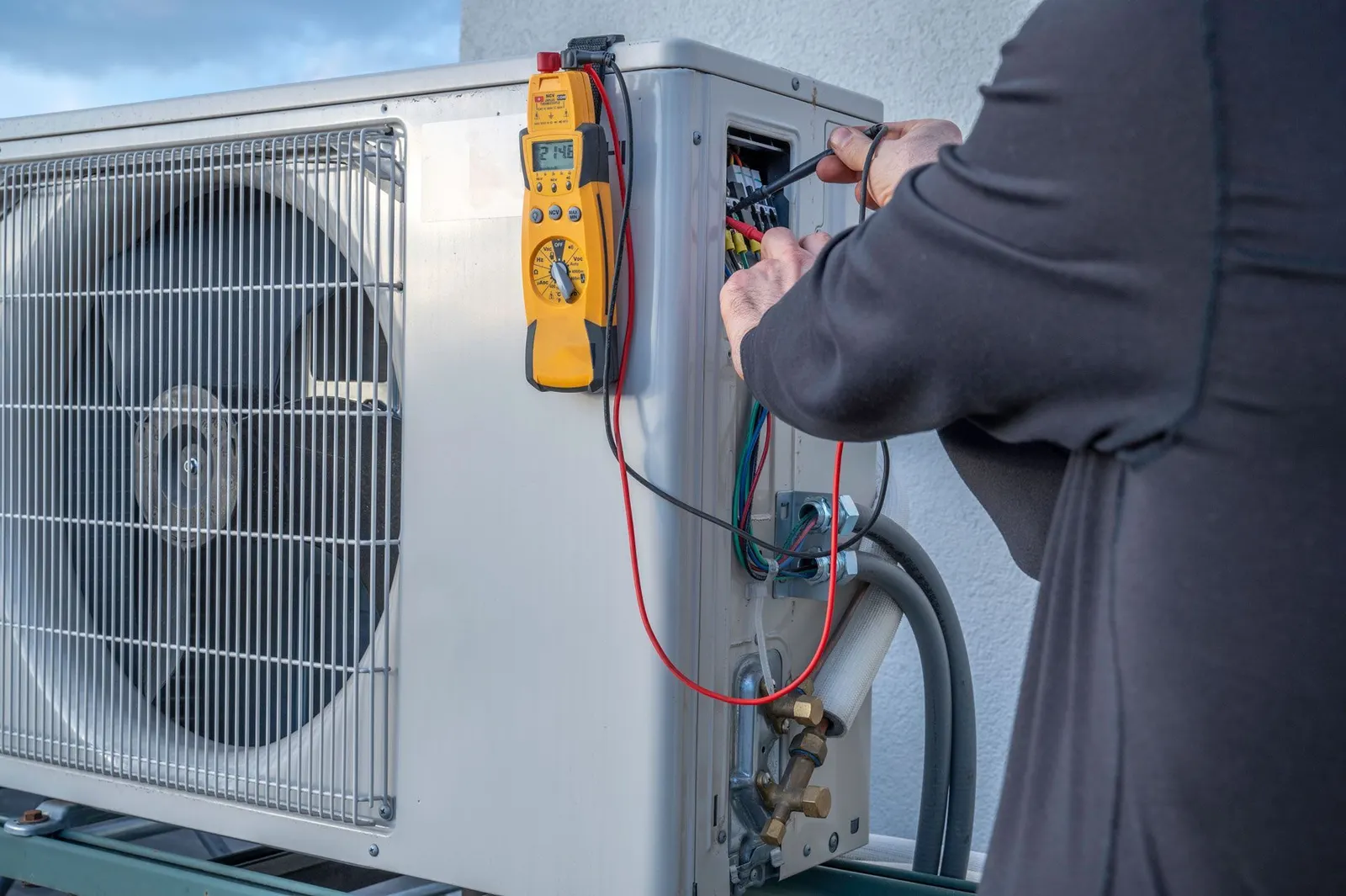
For homes equipped with a heat pump, this alternating demand takes a heavy toll on the reversing valve. The reversing valve is the mechanical component responsible for physically changing the direction of the refrigerant flow, allowing the system to switch from cooling your home to heating it. When the weather forces this valve to shift multiple times in a single week, an older, worn valve can easily get stuck. This mechanical fatigue is a leading factor when diagnosing why your AC cools then stops cooling during an unseasonably warm fall afternoon.
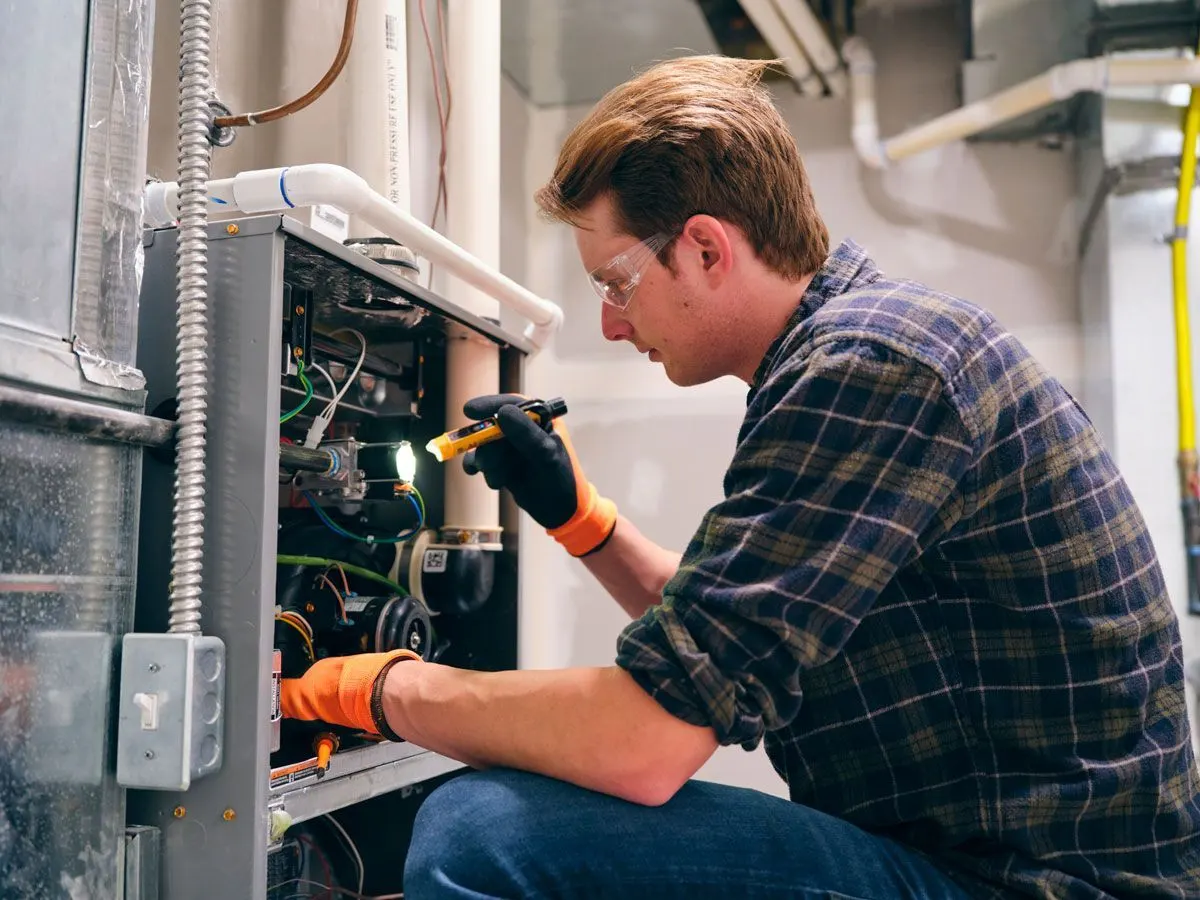
Similarly, gas furnaces face their own shoulder season challenges. Ignition sensors, burners, and inducer motors sit completely dormant for months during the summer. When they are suddenly forced into action on a chilly October night, any microscopic rust, settled dust, or minor corrosion that developed over the summer creates immediate friction. A sensor coated in a thin layer of summer dust may fail to read the flame correctly, causing the system to shut down safety protocols just minutes after you turn it on.
Normal vs. Abnormal Signs During Your Heating Startup
When you turn your heating system on for the first time in months, it rarely starts up in perfect silence. Knowing the difference between a harmless quirk and a serious mechanical failure can save you from a freezing night without heat. Here is a clear guide to diagnosing your system's behavior during that initial startup.
- Normal: A temporary burning dust smell. Over the summer, dust and airborne particles settle on your furnace's heat exchanger or your heat pump's heating coils. When the system ignites for the first time, this dust burns off. The smell can be strong, but it is harmless and should dissipate entirely within two to three hours.
- Normal: Initial clicking sounds. As the thermostat communicates with the control board, you will likely hear a few clicks. This is simply the sound of electrical relays closing and gas valves opening to initiate the heating cycle.
- Abnormal: Persistent electrical burning smells. If the burning odor smells like melting plastic or hot wire insulation, and it does not go away after a few hours, turn the system off immediately. This indicates an overheating blower motor or a failing electrical component.
- Abnormal: Loud grinding or screeching noises. A smooth hum is normal; a metallic screech is not. High-pitched squeals usually point to a failing blower motor bearing or a worn-out fan belt that is dangerously close to snapping.
- Abnormal: Rapid short-cycling. If your system turns on, runs for two minutes, and then abruptly shuts off before the house is warm, it is short-cycling. This is a major red flag. It usually means an aging compressor is overheating, a flame sensor is dirty, or an internal safety limit switch is tripping to prevent a fire.
If you experience any of the abnormal signs, the safest course of action is to turn the thermostat off. Forcing a struggling system to keep running will only cause further damage to the internal components.
Factors That Accelerate System Wear and Tear
While industry benchmarks suggest a system should last fifteen years, many units fail long before they reach that milestone. The most significant variable in an HVAC system's lifespan is how well it is maintained. Skipping routine HVAC maintenance allows minor friction and dirt buildup to compound over time, eventually causing major mechanical strain.
One of the most common culprits of premature failure is a clogged air filter. When a filter becomes completely saturated with dust, pet dander, and debris, it acts like a wall, severely restricting airflow. The blower motor is then forced to work twice as hard to pull air through the return vents. This extra workload causes the motor to draw more electrical current, overheat, and eventually burn out. Environmental factors also play a critical role. Poor ventilation around the indoor unit or improper initial sizing of the equipment (a unit that is too large or too small for the square footage of the home) forces the system to cycle on and off improperly, wearing out the contactors and capacitors years ahead of schedule.
The Cost of Neglecting Fall Upkeep
Proactive care during the fall is the best defense against premature failure. When fall upkeep is neglected, dirty evaporator coils and fouled sensors lead to highly inefficient operation. The system has to run longer cycles just to maintain the temperature on the thermostat, driving up energy usage and putting unnecessary miles on the compressor. Minor tune-ups in the autumn clear away this buildup, calibrate the sensors, and lubricate the moving parts. Addressing these small issues early prevents catastrophic, total-system breakdowns from occurring in the dead of winter when you rely on your heat the most.
Repair vs. Replace: Making the Right Call for an Aging Unit
When an older system begins to exhibit abnormal startup signs or requires frequent service calls, homeowners face a difficult choice: keep repairing the unit, or invest in a full replacement. A helpful industry guideline for this decision is the 5,000 rule. To use this rule, multiply the age of your equipment by the estimated repair cost. If the resulting number exceeds 5,000, replacement is typically the smarter long-term choice. For example, spending a large amount to fix a twelve-year-old system is risky, because another major component could fail the very next month.
The decision often comes down to the peace of mind provided by professional AC repair versus the long-term reliability of a brand-new system. Modern energy-efficiency standards have improved drastically over the last decade. Newer units feature higher SEER2 (cooling) and AFUE (heating) ratings, meaning they require significantly less energy to operate. Upgrading an aging, inefficient unit often results in a more comfortable home and a system that is far more cost-effective to run.
Receiving an honest, objective assessment is critical when navigating this choice. For instance, one local homeowner was recently operating an aging system with ongoing performance concerns and scheduled an inspection. The diagnostic technician, Sean, provided an honest and upfront assessment about what actually needed to be done. The customer received clear guidance on their aging system rather than a high-pressure sales pitch, empowering them to make the right choice for their home's specific needs.
Maximizing the Remaining Years of Your System
If your system is aging but still functional, there are specific, non-technical steps you can take to extend its lifespan and get through the upcoming deep winter freeze safely.
- Keep the outdoor unit clear of fall debris. As leaves drop in the Williamsport MD area, they easily get sucked against the fins of the outdoor heat pump. Overgrown vegetation and piled leaves choke the airflow, forcing the compressor to work harder. Keep a two-foot clearance around the entire unit.
- Maintain a consistent thermostat schedule. Drastically altering the temperature—such as dropping it ten degrees when you leave for work and cranking it up when you return—forces the system to run at maximum capacity to catch up. A consistent schedule reduces mechanical strain.
- Check your vents and registers. Ensure that heavy winter furniture or thick rugs are not blocking your supply or return vents. Closing vents in unused rooms actually increases static pressure inside the ductwork, which damages the blower motor over time.
- Schedule a professional pre-winter inspection. A trained technician can catch failing dual-run capacitors, loose electrical connections, or worn belts before they snap. This proactive step ensures the system is operating within safe parameters.
It is important to acknowledge that even with perfect care, a unit that has served for over a decade will eventually need a planned replacement. A loyal Williamsport-area customer of over ten years recently faced this reality when their aging HVAC system finally needed to be replaced. By planning ahead, they secured a new system installation with professional expertise on their own timeline, leaving them extremely happy and comfortably prepared for the changing seasons.
Frequently Asked Questions About HVAC Lifespans
What is the life expectancy of an HVAC system?
Most central air conditioners and heat pumps have a life expectancy of 10 to 15 years, while gas furnaces typically last 15 to 20 years. These averages depend heavily on consistent maintenance and the local climate. Systems that run heavily year-round will generally fall toward the shorter end of that lifespan spectrum.
How do I know when my HVAC needs replacing?
You should consider replacing your HVAC system when it is over 10 years old, requires frequent repairs, or struggles to maintain a comfortable temperature. A sudden spike in your energy usage or loud, persistent grinding noises are also strong indicators of end-of-life mechanical failure. Applying the 5,000 rule (multiplying the system's age by the estimated repair cost) can help clarify if replacement is the better option.
Is a burning smell normal when turning on the heater for the first time?
Yes, a temporary burning smell is completely normal during the first heating startup of the fall. This is simply the dust that settled on the heat exchanger over the summer burning off as the unit heats up. However, the smell should dissipate within a few hours; if it smells like melting plastic or persists for days, turn the system off and call a professional.
Should I replace my 20 year old HVAC?
Yes, replacing a 20-year-old HVAC system is highly recommended, even if it is still technically running. Systems of this age are highly inefficient by modern standards and are at a high risk for sudden, catastrophic failure during extreme weather. A modern replacement will provide vastly improved energy efficiency, better airflow, and reliable peace of mind.
Does running my heat pump year-round shorten its lifespan?
Because a heat pump provides both heating and cooling, it naturally accumulates more operating hours per year than a standalone air conditioner or furnace. This year-round usage does mean its overall lifespan is typically shorter, averaging 10 to 15 years. Regular biannual maintenance is essential to help a heat pump reach the 15-year mark.
What is the most common cause of premature HVAC failure?
The most common cause of premature HVAC failure is a lack of routine maintenance, specifically operating the system with a clogged air filter. A dirty filter restricts airflow, which forces the blower motor to overheat and causes the compressor to undergo immense mechanical strain. Keeping the filter clean is the single most effective way a homeowner can protect their system.
Ensure Your System is Ready for Winter
Distinguishing between harmless dust burn-off and actual mechanical issues is vital during your initial fall startup. While a faint burning smell on that first chilly night is usually nothing to worry about, persistent noises and rapid short-cycling are warning signs you cannot afford to ignore. Understanding your system's age and overall health helps set realistic expectations for its performance as the weather continues to cool down.
If your equipment is over a decade old or exhibiting signs of severe shoulder-season stress, do not wait for a breakdown in the middle of a winter freeze. Seek a professional evaluation to determine whether a simple tune-up or a planned replacement is the best path forward. For expert guidance and comprehensive Air Conditioning Services, ensuring your home stays comfortable and safe all season long is just a phone call away.