
Facing the Cold: When the Thermostat Calls for Heat but the System Fails
You walk over to the thermostat, bump the temperature up, and wait for that familiar rush of warm air to fill the room. Instead, you hear a distinct, repetitive clicking sound coming from the basement or utility closet, followed by complete silence. If you are trying to figure out why your furnace clicks but no heat comes out, you are dealing with a classic mechanical ignition failure. This scenario almost always happens at the most inconvenient time, typically during the first November freeze when your home's indoor temperature begins dropping rapidly.
Mid-Atlantic winter demands require heating systems to transition from months of complete summer dormancy to heavy, daily usage practically overnight. That sudden demand places immense stress on sensitive internal components that have been sitting idle in dark, humid basements. The immediate frustration of a freezing house often tempts homeowners to open the cabinet and start tinkering to force the system to work.
However, the core decision point you face right now is determining whether this is a simple external issue you can fix safely, or an internal component failure that requires a licensed professional. Safety must always take priority over trial-and-error fixes. The clicking sound is actually a helpful diagnostic clue. Understanding exactly what that noise means, and the sequence of events happening inside your equipment, is the essential first step to diagnosing the problem properly and restoring your comfort safely.
Decoding the Sound: The Mechanical Ignition Sequence Explained
To understand why your system is struggling, it helps to know what is happening behind the metal access panel. That repetitive clicking sound is not random, and it does not mean your equipment is broken beyond repair. It is the sound of the mechanical ignition sequence actively trying to do its job. Specifically, the click is typically the spark ignitor attempting to light the gas burners.
When you understand this highly automated sequence, you know exactly where the system is failing without ever needing to open the cabinet yourself. Here is the standard, step-by-step process your heating equipment follows every single time it starts up:
- The thermostat sends the call: Your wall unit detects the temperature drop and sends a low-voltage electrical signal to the furnace control board, which acts as the "brain" of the operation.
- The draft inducer motor starts: Before any gas is allowed to flow, this small exhaust fan turns on. Its job is to clear residual gases out of the heat exchanger and ensure the exhaust flue is completely clear. You will usually hear this as a low, steady hum before any clicking begins.
- The pressure switch verifies airflow: If the inducer fan is working properly and the venting is clear, a safety switch closes. This tells the control board that there is sufficient draft to safely vent combustion gases outside.
- The gas valve opens: Once airflow is confirmed, the system releases fuel into the internal burner assembly.
- The spark ignitor engages: This is the distinct clicking sound you hear. The ignitor generates a rapid series of high-voltage sparks to light the incoming gas.
If you hear the click, it means your system is receiving electrical power, the control board is functioning, and the equipment has successfully completed the first four steps. The failure is happening right at the final combustion phase. Your equipment is trying to start, but when it clicks but no heat follows, the sequence is interrupted. This entire process is completely automated for your safety, ensuring fuel only flows when conditions are absolutely perfect.
Three Common Culprits Behind the Clicking Noise
Since the clicking happens during the combustion phase, we can narrow down the root causes. There are three primary mechanical failures that cause a heating system to click repeatedly without actually producing warm air. All three of these issues occur deep inside the internal combustion chamber, which is why they require professional attention.
1. Spark Ignitor Degradation
Just like the spark plugs in a vehicle engine, your furnace's spark ignitor experiences significant wear and tear over time. It is subjected to intense thermal cycling, going from room temperature to hundreds of degrees in a matter of seconds, multiple times a day. Over years of use, the ceramic base can crack, or the metal electrodes can wear down and widen the gap between them. The component may be receiving the correct electrical power from the control board—which is why you still hear it clicking—but it fails to create a strong, hot enough spark to ignite the gas. The electrical charge simply cannot bridge the widened gap effectively.
2. Dirty Flame Sensor
This is an incredibly common issue for homeowners in Williamsport MD, where heating systems sit dormant through long, humid summers. A flame sensor is a thin, metallic rod positioned directly in the path of the gas burners. It uses a process called flame rectification to detect fire. Dust, moisture, and airborne particles settle on this delicate metal rod over the summer. When the furnace tries to start, the gas might actually ignite for a split second. However, the microscopic coating of dust insulates the sensor, preventing the tiny electrical current from flowing. When the sensor fails to register the fire, it immediately shuts the whole system down.
3. Gas Supply Interruptions
If the spark is strong and the sensor is perfectly clean, the missing ingredient is the fuel itself. The internal gas valve relies on electrical solenoids to open and close. If a solenoid burns out, the valve stays shut permanently. Alternatively, the issue could be a disruption in the gas supply line. If the internal gas valve fails to open mechanically, or if there is no gas pressure reaching the unit, the ignitor will just click fruitlessly into an empty burner chamber.
| What You Observe | What It Means Mechanically | Most Likely Culprit |
|---|---|---|
| Clicks repeatedly, but no whoosh of flames is heard. | The gas is not lighting at all. | Worn spark ignitor or a failed gas valve. |
| Clicks, flames ignite for 2-3 seconds, then shut off. | The system lights but fails to register the flame. | Dirty or insulated flame sensor. |
| No click at all, just a steady humming sound. | The sequence stalled before the ignition phase. | Failed draft inducer or blocked pressure switch. |
Understanding Your System's Sequential Safety Lockout
When your equipment repeatedly tries to start and fails, it does not just keep trying indefinitely. Modern HVAC equipment is designed with a strict sequential safety lockout feature. These protocols are built directly into the control board to adhere to rigorous AHRI (Air-Conditioning, Heating, and Refrigeration Institute) safety guidelines.
If your flame sensor does not detect a stable, burning flame within roughly three to four seconds of that initial click, the control board immediately kills the electrical power to the gas valve. This is a highly critical safety mechanism. If the gas valve were allowed to stay open while the ignitor failed to light the fuel, your home's ductwork and basement would quickly fill with raw, unburned gas, creating a severe explosive hazard.
After a failed attempt, the system will usually purge the chamber by running the inducer fan for a minute, and then try the sequence again. Most modern systems will attempt this cycle three to five times. If it still clicks but no heat is produced after those attempts, the control board enters a "hard lockout." You will often see a flashing LED light on the control board indicating this locked state.
The danger of manual resets: Many homeowners try to bypass this lockout by flipping the electrical breaker off and on to force the system to try again. You should never do this. Repeatedly resetting a locked-out system overrides the built-in safety protocols and can lead to dangerous gas buildup inside the heat exchanger.
Expert Rule of Thumb: A safety lockout is a protective measure, not a catastrophic failure. It is your system doing exactly what it was designed to do in order to keep your family and your home safe.
Safe External Checks You Can Perform Yourself
While internal combustion issues require professional handling, there are several troubleshooting steps you can take safely outside the furnace cabinet. Before you call for professional help during that first November freeze, run through this specific checklist to rule out simple external disruptions that might be preventing your system from running.
- Verify your thermostat settings: It sounds overly simple, but double-check that the system switch is explicitly set to "Heat" and not "Auto" or "Cool." Ensure the temperature setting is at least five degrees higher than the current room temperature to force a strong, undeniable call for heat. If the screen is blank, replace the batteries before doing anything else.
- Check the air filter condition: A severely clogged, dirty air filter restricts airflow so badly that it can trigger internal high-limit safety switches. If the system overheats because air cannot flow through the heat exchanger, it will shut down the burners to prevent a fire. Pull the filter out; if it is caked in gray dust and you cannot see light through it, replace it immediately.
- Inspect external exhaust vents: High-efficiency heating systems vent their exhaust gases through white PVC pipes that exit the side or back of your house. Walk outside and check these pipes. Ensure no late autumn leaves, snowdrifts, or debris are blocking the opening. If the system cannot vent properly, the pressure switch will prevent the ignition sequence from starting.
- Confirm the external gas valve position: Look at the physical gas pipe leading into your heating equipment. There is a manual shutoff valve on this pipe. The handle should be parallel (in line) with the pipe. If the handle has been bumped and is perpendicular to the pipe, the gas supply is shut off.
- Check the electrical breaker panel: Even if you hear clicking, a partial trip in your main electrical panel might disrupt the proper voltage needed for the heavy-duty blower motor or the gas valve to operate fully. Locate the dedicated furnace breaker, switch it completely and firmly to the "Off" position, wait ten seconds, and then push it firmly back to the "On" position.

The Diagnostic Boundary: When to Call a Licensed Professional
If you have completed all the safe external checks and the system still will not produce warm air, you have officially reached the diagnostic boundary. This is the strict line between safe, routine homeowner maintenance and dangerous DIY repairs. You must explicitly avoid opening the furnace cabinet to tinker with internal components.
Cleaning a flame sensor or replacing a spark ignitor might look simple on internet video tutorials, but performing this work without a professional license carries severe, real-world risks. Modern heating equipment operates on precise mixtures of high-voltage electricity and combustible natural gas or propane. One small mistake—such as dropping a screw into the burner assembly or failing to tighten a gas fitting properly—can create a severe fire hazard, cause a slow gas leak, or permanently short out an expensive control board. Furthermore, unauthorized internal tampering immediately voids most manufacturer warranties, leaving you fully responsible for the cost of replacement parts.
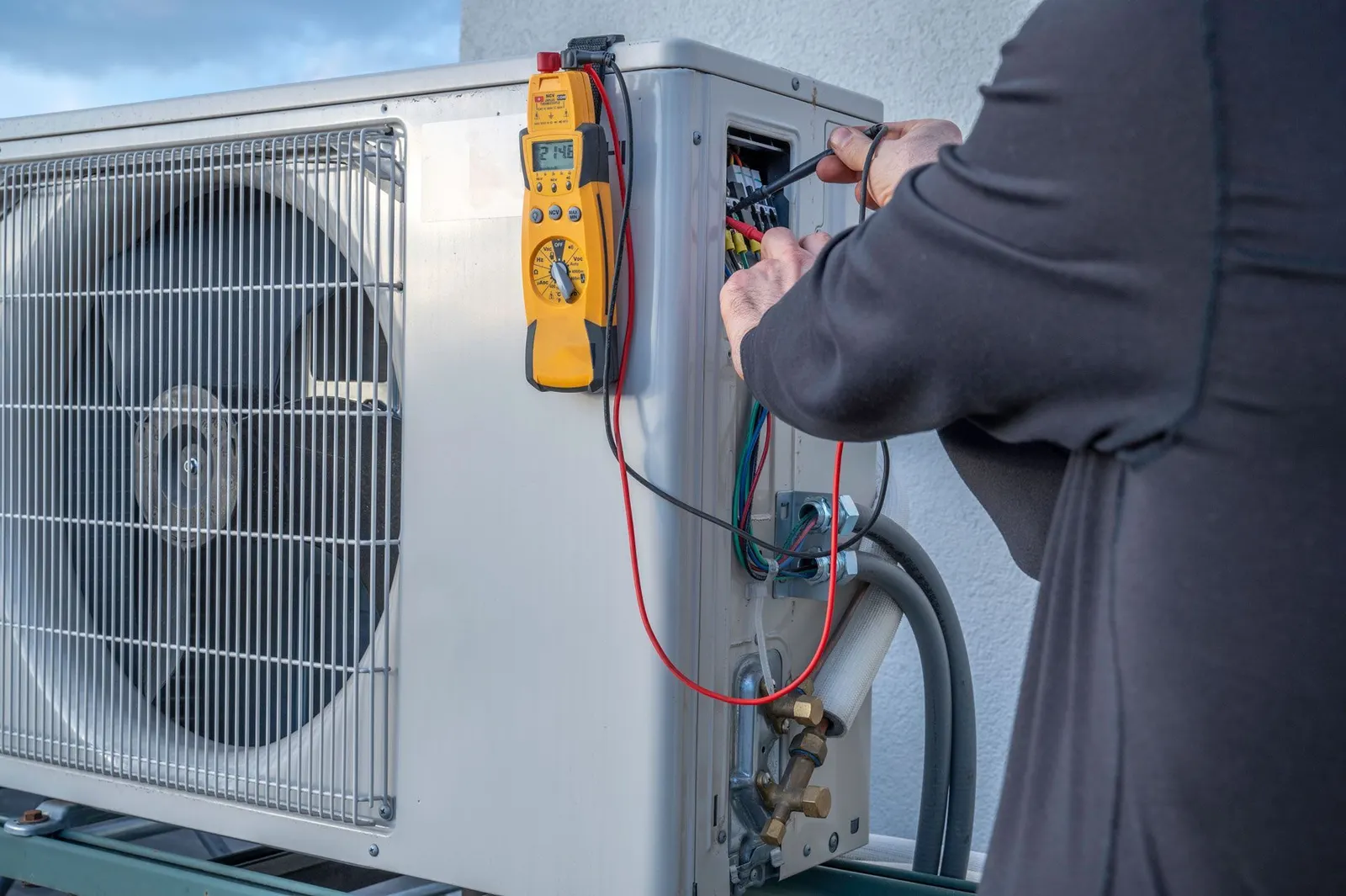
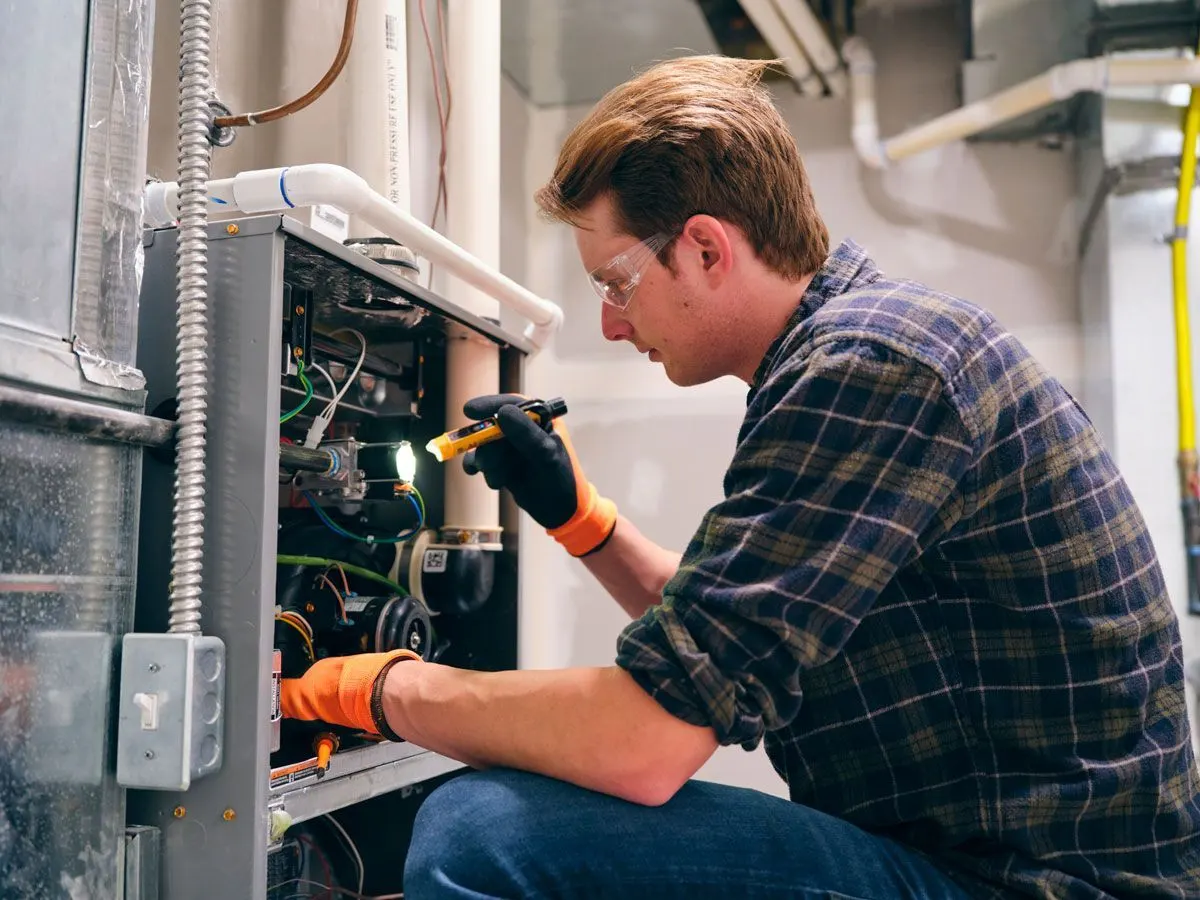
When you call a licensed professional in Williamsport MD, you are paying for certainty, safety, and deep technical knowledge. A professional diagnostic visit entails far more than just swapping a part and hoping for the best. A certified technician will test the electrical loads coming from the control board using a multimeter to ensure the voltage is exactly correct. They will measure the incoming and manifold gas pressure using specialized manometers to ensure fuel is flowing safely. If the flame sensor is indeed the issue, they know how to safely remove and clean the delicate metal rod with specialized materials; using the wrong abrasive can score the metal and ruin the sensor entirely.
Guessing is dangerous, but professional diagnostics provide absolute certainty. Comfort Central Inc. brings reliable diagnostic expertise to every call, ensuring your system is evaluated safely and thoroughly. A professional evaluation can also reveal broader system health issues that might leave you stranded later in the season. For more insights on what certain symptoms mean for your equipment's future reliability, you can learn about fall heating odors and system lifespan.
Frequently Asked Questions About Clicking Heating Systems
Why is my furnace clicking but not igniting?
The clicking sound means the spark ignitor is functioning and attempting to light the fuel, but the combustion process is failing. Either gas is not reaching the burners due to a valve issue, or a dirty flame sensor is failing to detect the flame and immediately shutting the system down. Both of these scenarios require professional internal diagnostics to resolve safely.
Is a clicking furnace dangerous?
The clicking itself is not dangerous; it is simply the normal sound of the mechanical ignition sequence attempting to start. The real danger arises if a homeowner tries to bypass the safety lockout by repeatedly resetting the power. Forcing the system to cycle over and over without igniting can create a severe, explosive gas buildup hazard inside the ductwork.
How do you fix a furnace that clicks but won't turn on?
After verifying your thermostat is set correctly and changing a dirty air filter, fixing this issue requires accessing the internal combustion chamber. A licensed technician must safely clean the flame sensor, replace a degraded spark ignitor, or correct internal gas flow issues. You should never attempt to open the cabinet and perform these repairs yourself.
How many times will a furnace click before locking out?
Most modern heating systems will attempt to ignite three to five times before entering a hard safety lockout. Once it locks out, the system shuts down the gas valve completely to prevent raw gas from flooding the heat exchanger. This lockout state requires a manual reset or a professional diagnostic visit to clear the error code.
Can a bad thermostat cause a furnace to click?
Yes, a failing thermostat can absolutely cause a clicking noise from the control board. If the thermostat is sending weak, intermittent signals or has a failing internal relay, it can cause the furnace control board to click rapidly without ever initiating the full, proper heating cycle. Replacing the thermostat batteries is the best first step to rule this out.
Restoring Your Comfort Safely and Effectively
Hearing a clicking sound when you desperately need warmth is stressful, but it is a clear mechanical signal that your system's ignition sequence has been interrupted. Your equipment is designed with strict protocols to protect you, and that click is actual proof that the safety mechanisms are doing their job by halting the process when combustion conditions are not perfect.
While external checks like swapping the air filter, checking exhaust pipes, and verifying thermostat settings are perfectly safe for you to handle, internal combustion components require professional handling. As you face that first November freeze, do not risk your family's safety or your equipment's warranty with dangerous trial-and-error fixes. Rely on local experts who understand the rigorous demands of mid-Atlantic winters to evaluate your system, restore your heat safely, and ensure your home stays comfortable and secure all season long.