
That First Chilly Evening: Transitioning Your Home's Climate Control
You walk over to the thermostat, switch off the cooling setting, and dial up the heat. Within minutes, instead of enjoying a warm room, you notice a distinct, alarming burning smell pouring out of the vents. Getting reliable, common homeowner questions answered is critical at this exact moment. You need to know whether to simply wait it out or shut the system down immediately to prevent a fire hazard.
For more comprehensive guidance on managing your home's climate control transitions, explore our resources on air conditioning systems and professional AC installation and replacement.
The annual October heating startup often brings this exact scenario into living rooms across the region. After sitting idle for months, your heating equipment is suddenly called into action. The resulting odors can easily cause panic, but understanding the mechanical processes at work helps you make safe, informed decisions. Neutral, expert diagnostics are the key to keeping your home safe without unnecessary anxiety. By learning the clear boundaries between normal seasonal symptoms and genuine mechanical emergencies, you can protect your property and extend the life of your equipment.
Why Does My Heater Smell Like Burning Dust?
To understand why your vents are producing a burning odor, you have to look at what happens inside the furnace cabinet during the off-season. Your heating equipment contains a critical component called a heat exchanger. This metal chamber is responsible for safely transferring heat into the air that circulates throughout your home. From late spring through early fall, this component sits completely unused in the dark.
The Accumulation Problem: During those idle months, the air circulating through your home still carries microscopic particles. Even with a high-quality air filter in place, trace amounts of household dust, pet dander, pollen, and skin cells inevitably bypass the filtration system and settle directly onto the cold metal surface of the heat exchanger. Over several months, this creates a fine, even layer of debris.
The Ignition Phase: When you finally trigger the October heating startup, the burners ignite, and the heat exchanger rapidly heats up to several hundred degrees. The accumulated layer of dust and dander has nowhere to go. It is instantly incinerated by the rising surface temperature. The blower fan then pushes the resulting harmless smoke and odor directly into your ductwork, distributing that distinct "burning dust" smell into every room of the house.
The Resolution: This specific dust odor is a completely standard part of the seasonal transition. It is the mechanical equivalent of burning off the dust that settles on a toaster element that hasn't been used in a while. However, the intensity of this smell can vary significantly based on your local climate and indoor environment.
The Role of Summer Humidity in Accumulation
The severity of the fall burn-off is heavily influenced by the weather conditions during the preceding summer. With summer temperatures and heavy moisture levels common in the mid-Atlantic, the indoor environment changes. Williamsport's humid mid-Atlantic summers cause particulate matter to stick much more stubbornly to idle heat exchangers, making the eventual fall burn-off noticeably more pronounced.
- Moisture acts as a binding agent: High humidity levels in the air cause dry dust particles to clump together and adhere tightly to cold metal components.
- Lack of active heating airflow: Because the heating elements are bypassed during the cooling season, there is no thermal expansion or contraction to shake this debris loose.
- The seasonal contrast: The sharp transition from a cool, damp summer air conditioning cycle to a sudden, high-heat autumn furnace cycle creates the perfect environment for a rapid, highly noticeable burn-off event.
The Safety Window: How Long Should the Smell Last?
Knowing that dust burn-off is normal is only helpful if you know exactly when it stops being normal. Establishing a clear diagnostic boundary is the best way to calm homeowner anxiety and ensure proper safety protocols are followed.
The exact safety window for normal dissipation is 20 to 30 minutes (normal dissipation time for dust odors). From the moment the blower fan engages and pushes the first wave of warm air into your rooms, you should start a timer. Within that half-hour window, the accumulated dust on the heat exchanger will be completely incinerated, and the fresh air circulating through the system will begin to clear the odor from the house.
Proper Ventilation Techniques: To help clear the harmless odor faster, you can take a few proactive steps during this initial window. Opening a few windows on opposite sides of the house creates a cross-breeze. Turning on ceiling fans or running bathroom exhaust fans will also help pull the dusty air out of the living spaces.
Active Monitoring: It is highly advised to monitor the system closely during this initial timeframe. Stay near a supply register and pay attention to the character of the smell. As the minutes tick by, the earthy, dusty odor should steadily weaken. If the smell persists beyond the 30-minute mark, or if the character of the odor suddenly changes, the situation transitions from "normal seasonal operation" to "concerning mechanical issue."
Red Flags: When to Shut Down the System Immediately
While dust burn-off is harmless, other odors indicate severe, potentially dangerous failures within the HVAC cabinet. A safety-first approach requires knowing exactly what these dangerous odors smell like and taking immediate action when they are detected.
If you detect the distinct smell of melting plastic, burning rubber, or scorching electrical wires, you are no longer dealing with seasonal dust. These odors indicate that wiring insulation is melting, a motor is overheating, or an electrical component is actively short-circuiting. At this point, you must act quickly.
- Step 1: Shut off the thermostat. Immediately walk to your thermostat and switch the system from "Heat" to "Off." Do not wait to see if the smell clears.
- Step 2: Cut the power. If the blower fan continues to run or the smell intensifies, locate the breaker panel and flip the switch dedicated to the furnace to the "Off" position.
- Step 3: Call for emergency service. Electrical odors indicate severe component failure that requires licensed intervention.
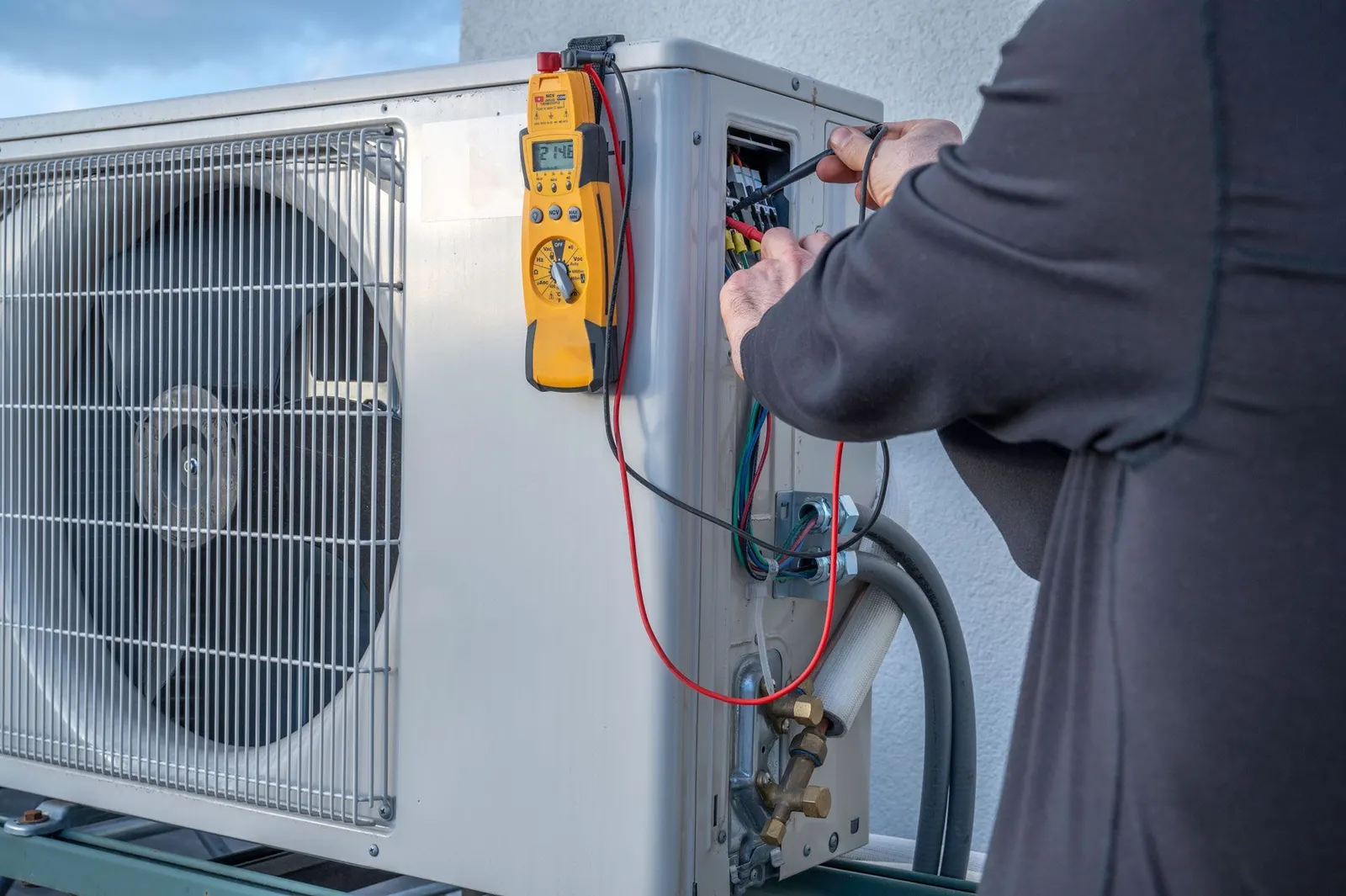
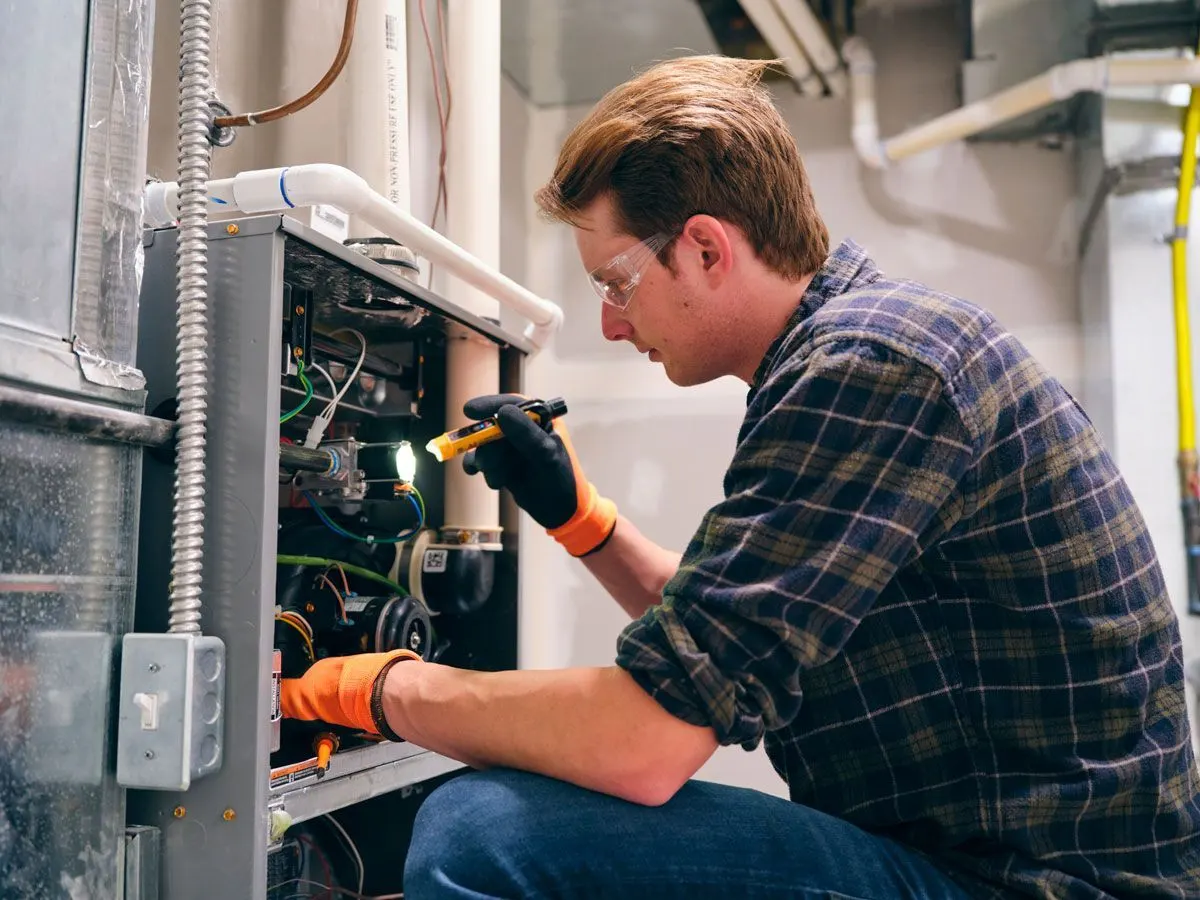
Never attempt DIY internal cabinet inspections or repairs. Opening the furnace cabinet exposes you to high-voltage electricity, natural gas lines, and sharp metal components. Diagnostics involving electrical smells always require licensed professionals with the proper testing equipment.
Dust Burn-Off vs. Electrical Failure
To help you accurately identify the source of the odor, use this comparison guide:
| Odor Characteristic | Likely Cause | Required Action |
|---|---|---|
| Earthy, musty, or like toasted dirt | Normal dust burn-off on the heat exchanger | Monitor for 20 to 30 minutes; ventilate the home. |
| Acrid, fishy, or sharp melting plastic | Failing electrical insulation or melting wire casings | Shut down the system immediately at the thermostat. |
| Metallic, grinding accompanied by burning rubber | Failing blower motor belt or seizing motor bearings | Turn off power; schedule professional repair. |
| Persistent sulfur or rotten egg smell | Natural gas leak near the burner assembly | Evacuate the home and call the gas company immediately. |

The Lifespan Factor: How Long Does an HVAC System Last?
When strange smells occur, a common homeowner question quickly follows: how long does a hvac system last on average? The connection between seasonal startup symptoms and overall system longevity is direct. The odors your system produces, and how frequently it struggles during seasonal transitions, are excellent indicators of its overall health and remaining lifespan.
On average, a well-maintained residential HVAC system lasts between 10 and 15 years. However, that timeline is not guaranteed simply by the manufacturing date. The longest-lasting HVAC system is always the one that receives consistent, professional care throughout its entire operational life. A typical pattern we see is that systems neglected for years begin showing severe symptoms—like persistent burning smells, loud grinding noises, and frequent short-cycling—well before they reach the decade mark.
Reaching the 10-year mark often requires evaluating whether continued repairs or a full replacement make the most sense. If your system consistently produces electrical odors during the October heating startup, or if the normal dust burn-off takes increasingly longer to clear, the internal components are likely showing their age.
Factors That Accelerate Wear and Tear
Ignoring the warning signs your system gives you will actively shorten its lifespan. Several common habits accelerate wear and tear, forcing the equipment to work harder than designed:
- Skipping seasonal filter changes: A clogged filter forces the blower motor to strain against severe air resistance, leading to overheating and electrical odors.
- Ignoring persistent odors: Dismissing a smell that lasts beyond the 20 to 30 minutes (normal dissipation time for dust odors) allows minor electrical shorts to develop into catastrophic failures.
- Forcing the system through heavy buildup: Operating a furnace with a heavily soiled heat exchanger insulates the metal, causing it to overheat, crack, and potentially leak carbon monoxide into the home.
When Odors Indicate Aging Equipment Needs Attention
As equipment ages past the 10-year threshold, the symptoms it produces during the fall transition can change. Aging systems naturally struggle more during the seasonal switch from cooling to heating. The components have endured years of thermal expansion and contraction, vibration, and general friction.
Worn blower motors, for example, can accumulate internal dust that doesn't burn off cleanly. Failing capacitors might begin to bulge and leak, producing a faint chemical smell that mimics dust but is actually a sign of mechanical distress. Similarly, the insulation around older wiring can become brittle over years of heat exposure, eventually degrading to the point where it produces a sharp, acrid odor every time the system runs.
This is why getting an honest assessment of aging equipment is so vital. Not every strange smell means the unit is completely dead; sometimes, it just needs targeted professional care. Working with a team that values integrity makes all the difference. Comfort Central Inc. focuses on honest diagnostics and maximizing existing system lifespans before ever recommending a full replacement. A thorough inspection can pinpoint exactly which aging component is causing the odor, allowing you to invest in professional AC repair or heating repairs rather than prematurely abandoning the system.
Proactive Steps for a Clean, Odor-Free Transition
The best way to handle the anxiety of the October heating startup is to prevent the odors from occurring in the first place. Taking proactive, preventative action minimizes startup smells, improves indoor air quality, and actively extends the lifespan of your equipment. Follow these actionable steps before the cold weather sets in permanently.
- Change the air filter before startup: Never begin a new heating season with last season's dirty filter. Install a fresh, high-quality pleated filter (check the MERV rating recommended for your system) to ensure maximum airflow and capture loose particulates before they reach the heat exchanger.
- Clear the mechanical room: Ensure the area around your indoor air handler or furnace is completely clear. Remove stored boxes, cleaning supplies, or combustible materials. The system needs room to pull in air safely.
- Schedule seasonal maintenance: The most effective step is booking a professional tune-up. A technician will physically clean the heat exchanger, vacuum out the burner assembly, and test all electrical connections. This process effectively prevents the burning smell entirely by removing the dust before it can be incinerated.
- Clean your supply registers: Vacuum the grilles and registers in every room. Dust often settles in the ductwork just behind the vents during the summer, and the first blast of hot air will push it straight into your living space.
Routine servicing keeps systems running safely for consecutive seasons. By investing in routine AC maintenance and heating tune-ups, you are actively keeping your HVAC emergency-free.
Frequently Asked Questions About HVAC Lifespans and Odors
Is it normal for my heater to smell like burning dust?
Yes, during the initial startup, this is a common and normal occurrence. Dust and dander settle on the heat exchanger during the summer months when the heating elements are idle. When the furnace ignites for the first time in the fall, it safely incinerates this thin layer of debris, causing a temporary earthy odor.
How long does a furnace burning smell last?
It typically resolves within the expected 20 to 30 minute window. Once the blower fan kicks on and begins circulating fresh air through the ductwork, the smell should steadily dissipate. If the odor persists beyond this timeframe, it warrants closer monitoring and a potential shutdown.
How long do HVACs last on average?
Most well-maintained systems last 10-15 years, heavily dependent on routine servicing. Neglecting seasonal filter changes and ignoring persistent mechanical symptoms will significantly shorten this lifespan. Systems that receive annual professional tune-ups consistently operate closer to the 15-year mark.
What does an electrical fire in a furnace smell like?
It smells like acrid, melting plastic or burning wire, and does not dissipate quickly. Unlike the musty, earthy smell of dust, an electrical failure produces a sharp, distinct chemical odor that often irritates the nose and throat. This is a severe warning sign of component failure.
When should I be worried about my furnace smelling?
If the odor lasts longer than half an hour, smells metallic, or triggers smoke alarms, shut it down. Any smell resembling burning rubber, melting plastic, or persistent rotten eggs (indicating a gas leak) requires immediate action. Turn off the system at the thermostat and contact a licensed professional.
Rest Easy This Fall With Expert Guidance
Knowing the difference between harmless seasonal dust and dangerous mechanical failures brings immense peace of mind during the chilly months. You no longer have to guess whether that initial startup odor is a threat to your home. Having clear criteria for when to monitor the situation and when to call a professional ensures your household remains safe and comfortable. If your system is aging past the 10-year mark, or if those initial odors are accompanied by strange noises and poor performance, it may be time to explore your options. Reach out to a local expert for honest diagnostics, or learn more about professional AC installation and replacement to keep your home perfectly regulated all season long.