
Why Heat Pump Advantages Over Traditional HVAC Are Turning Heads in Maryland, WV, and PA
Heat pump advantages over traditional HVAC come down to one simple idea: instead of burning fuel to create heat, a heat pump moves heat that already exists — and that makes it far more efficient. If you’re weighing your options for a new heating and cooling system, here’s a quick look at how heat pumps stack up:
Key advantages of heat pumps over traditional HVAC systems:
- Energy efficiency — Heat pumps deliver up to 3x more heat energy than the electricity they consume, far outpacing gas furnaces
- Dual functionality — One system handles both heating and cooling, replacing your furnace and air conditioner
- Lower operating costs — The average U.S. household saves around $370 per year; homeowners switching from oil or propane can save closer to $1,000
- Reduced emissions — Air-source heat pumps cut household carbon dioxide emissions by roughly 40% compared to gas furnaces
- Longer lifespan — Heat pumps typically last 20 to 25 years, compared to 15 to 20 years for traditional AC units
- No combustion — No burning fuel means no carbon monoxide risk in your home
- Available incentives — Federal tax credits and rebates under the Inflation Reduction Act can offset a significant portion of installation costs
Here in the Mid-Atlantic region — covering Maryland, West Virginia, and Pennsylvania — energy costs are real, winters can bite, and homeowners need systems they can count on year-round. The good news is that modern heat pumps are built for exactly that kind of climate.
I’m Merle Vaughn, a Master HVAC license holder in both Maryland and West Virginia with 20 years of hands-on experience helping homeowners make smart decisions about their comfort systems — including navigating the heat pump advantages over traditional HVAC in our specific region. In the sections below, I’ll walk you through everything you need to know to decide if a heat pump is the right move for your home.
Understanding the Heat Pump Advantages Over Traditional HVAC
To truly grasp why so many of our neighbors in Frederick, MD, and Martinsburg, WV, are making the switch, we have to look under the hood. A traditional HVAC system usually consists of two separate “islands”: a furnace (burning gas, oil, or propane) for heat and an air conditioner for cooling.
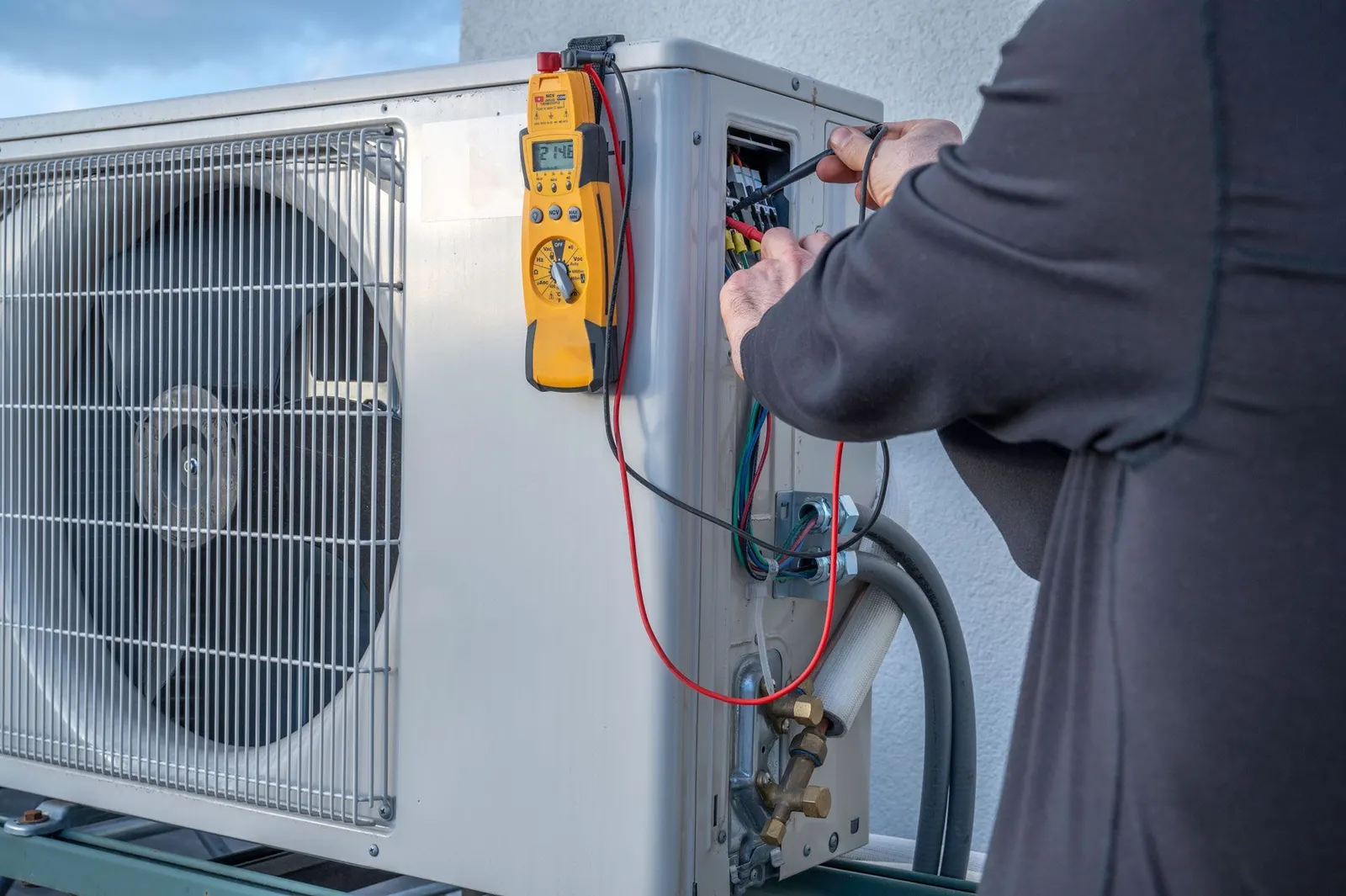
A heat pump changes that dynamic entirely. It uses a specialized component called a reversing valve. In the summer, it acts exactly like an air conditioner, pulling heat out of your home and dumping it outside. In the winter, that valve flips the flow of refrigerant. The system then pulls thermal energy from the outdoor air—yes, even when it’s cold—and “pumps” it into your living room.
Because they move heat rather than creating it through combustion, heat pumps are incredibly efficient. While a high-efficiency gas furnace might reach 95% to 98% efficiency, a heat pump can achieve “efficiencies” of 300% or more. This means for every unit of electricity used, it delivers three units of heat.
| Feature | Heat Pump | Gas Furnace | Central AC |
|---|---|---|---|
| Primary Function | Heating & Cooling | Heating Only | Cooling Only |
| Energy Source | Electricity | Natural Gas/Propane | Electricity |
| Efficiency | 200% – 400% | 80% – 98% | 14 – 20+ SEER2 |
| Carbon Footprint | Low (Zero on-site emissions) | Moderate to High | Low (Cooling only) |
| Average Lifespan | 20 – 25 Years | 15 – 20 Years | 15 – 20 Years |
If you are tired of managing two different systems, our Heating Services can help you transition to a streamlined, all-electric solution.
Year-Round Versatility: One System for Every Season
One of the most practical heat pump advantages over traditional HVAC is simplicity. Instead of maintaining a bulky furnace in the basement and an AC unit outside, you have one primary outdoor unit and one indoor air handler.
In our service areas like Charles Town and Shepherdstown, WV, the shoulder seasons (spring and fall) can be unpredictable. A heat pump handles these fluctuations effortlessly. It provides a steady, consistent flow of air that keeps the home at a precise temperature without the “blast” of hot air often associated with older furnaces. When the humidity of a Maryland July hits, the heat pump switches modes to provide superior dehumidification, often outperforming standard central AC units. Check out our Cooling Services to see how we keep local homes crisp and dry all summer long.
Unmatched Efficiency: Heat Pump Advantages Over Traditional HVAC Systems
As of April 2026, the push for energy independence has never been stronger. When we talk about “unmatched efficiency,” we aren’t just using marketing speak. Because heat pumps leverage the physics of the refrigerant cycle to move heat, they use about half the energy of other electric home-heating sources like baseboard heaters or electric furnaces.
Choosing an ENERGY STAR certified model ensures you are getting a unit tested for our specific Mid-Atlantic climate. These units are designed to maximize every watt of power, which is essential for homeowners in Chambersburg and Shippensburg, PA, looking to keep utility bills predictable. Our full suite of Services ensures that whether you choose a ducted or ductless system, it is sized perfectly for your square footage—a critical step for maintaining that high efficiency.
Financial and Environmental Benefits for Mid-Atlantic Homeowners
Switching to a heat pump isn’t just a win for your comfort; it’s a win for your wallet and the planet. Research shows that the average U.S. household can save roughly $370 every year by making the switch. However, for many of our customers in rural areas near Berkeley Springs or Williamsport who are currently using inefficient oil or propane furnaces, those savings can skyrocket to over $1,000 per year.
Environmentally, the impact is just as significant. Home heating and cooling is typically the largest source of emissions for a residential property. By moving away from fossil fuels, air-source heat pumps can trim your household carbon dioxide emissions by about 40%. As the electrical grid in states like Pennsylvania and Maryland becomes “greener” with more renewable energy, your heat pump’s carbon footprint continues to shrink over time. For more on how your HVAC choices impact your overall home health, read about Ensuring Year-Round Comfort: An Integrated Approach to HVAC and Plumbing.
Maximizing ROI with Heat Pump Advantages Over Traditional HVAC Incentives
The upfront cost of a high-quality heat pump can be higher than a basic furnace, but the incentives available in 2026 make the math much more attractive. Under the Inflation Reduction Act, homeowners can claim a federal tax credit of 30% of the project cost, capped at $2,000 per year. This credit “resets” annually, making it a powerful tool for phased home upgrades.
Additionally, many local utilities in Frederick and Hagerstown offer substantial rebates for installing ENERGY STAR certified equipment. When you factor in the annual energy savings and these immediate tax breaks, the return on investment (ROI) is often realized much faster than people expect. We often answer questions about these programs in our FAQs, helping you navigate the paperwork to get the most money back.
Performance in Cold Climates: Can It Handle Maryland and West Virginia Winters?
A common myth we hear in Martinsburg and Hagerstown is that “heat pumps don’t work in the cold.” While that might have been true in the 1980s, 2026 technology has changed the game entirely.
Modern “cold-climate” heat pumps are specifically engineered to extract heat from outdoor air even when temperatures drop as low as -20°F. For our region, where temperatures occasionally dip into the teens or single digits, these systems are more than capable.
However, for homeowners who want absolute peace of mind during a record-breaking freeze, we often recommend dual-fuel systems (also known as hybrid systems). This setup pairs a high-efficiency heat pump with a gas furnace. The heat pump handles about 85-90% of the heating season, and the furnace only kicks in during the most extreme cold snaps. It’s the best of both worlds: maximum efficiency most of the year, and the “scorched earth” reliability of a furnace when you need it most.
Longevity and Maintenance: Protecting Your Investment
A well-maintained air-source heat pump can deliver a lifespan of 20 to 25 years. This longevity is one of the standout heat pump advantages over traditional HVAC, as standard central AC units often begin to fail between years 15 and 20.
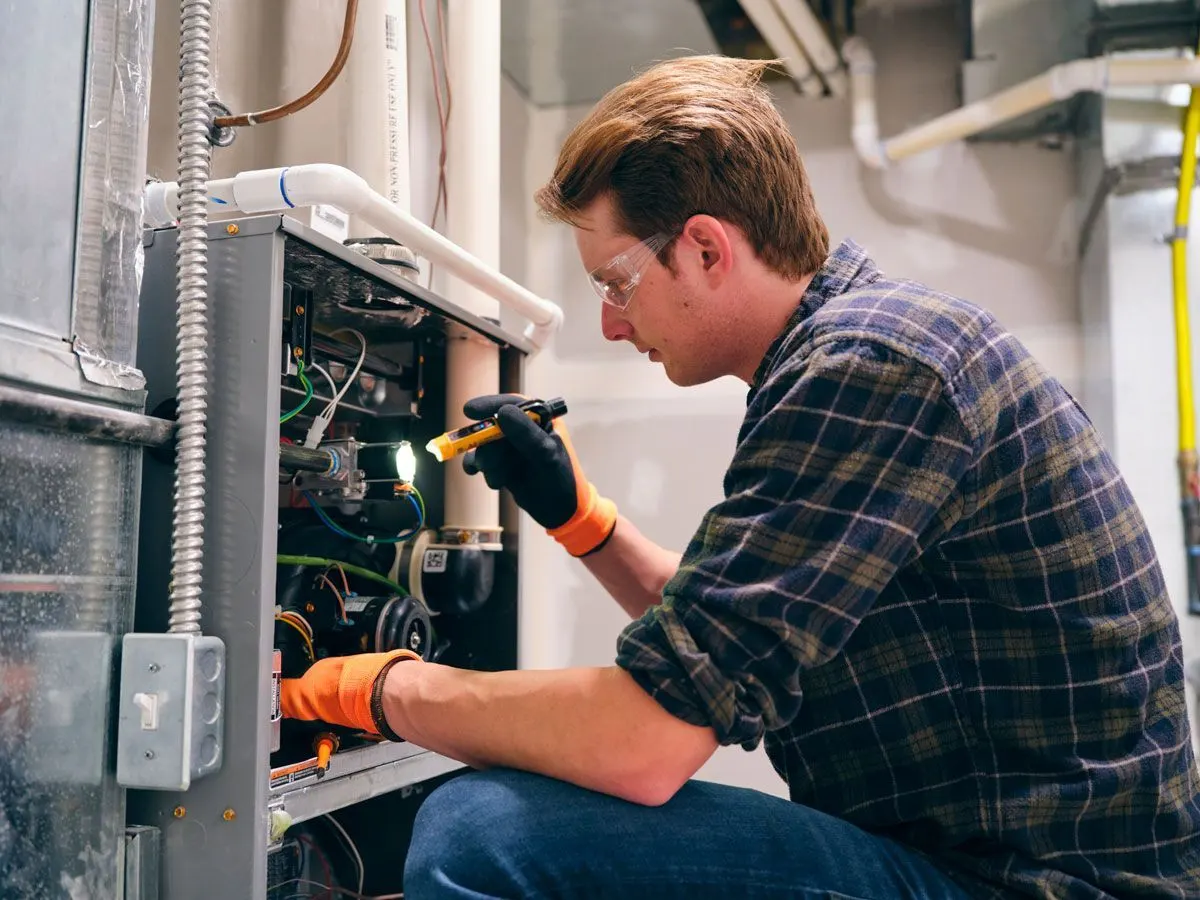
Because a heat pump works year-round, it does require consistent care. We recommend a “bi-annual” approach: a cooling tune-up in the spring and a heating check-up in the fall. During these visits, our technicians check refrigerant levels, clean coils, and ensure the variable-speed motors are operating at peak performance. These motors are particularly great for indoor air quality, as they can run at lower speeds to constantly filter the air without the noise of a traditional “on/off” blower.
Regular service isn’t just about preventing a breakdown on the coldest night of the year; it’s about maintaining that 300% efficiency rating. You can learn more about how we protect your system in our guide on the Benefits of Regular HVAC Service: Prevent Breakdowns with Regular HVAC Service.
Frequently Asked Questions about Heat Pumps
Can a heat pump effectively replace my existing central air conditioner?
Absolutely. In fact, a heat pump is an air conditioner that has the added ability to run in reverse. If your current AC unit is over 10-12 years old and showing signs of age, replacing it with a heat pump is a smart move. It will use your existing ductwork and provide the same (or better) cooling performance while taking over the heating duties from your furnace.
How much can I save by switching from an oil or propane furnace?
Homeowners switching from fossil fuels like oil or propane often see the most dramatic results. Because these fuels are expensive and subject to market volatility, switching to an electric heat pump can save you upwards of $1,000 annually. Additionally, you eliminate the need for fuel deliveries and the risk of carbon monoxide leaks associated with combustion.
What is the typical lifespan of a modern heat pump compared to a furnace?
While a gas furnace can last 15-20 years, modern heat pumps are proving to be incredibly durable, often lasting 20 to 25 years with proper maintenance. Because they don’t deal with the intense heat and corrosive byproducts of fire (combustion), the internal components often suffer less wear and tear over the decades.
Conclusion
The “heat pump revolution” is here, and for good reason. Whether you are in Frederick, MD, Shepherdstown, WV, or Chambersburg, PA, the heat pump advantages over traditional HVAC are impossible to ignore. From massive energy savings and reduced carbon footprints to the simplicity of a single system for all seasons, heat pumps represent the future of home comfort.
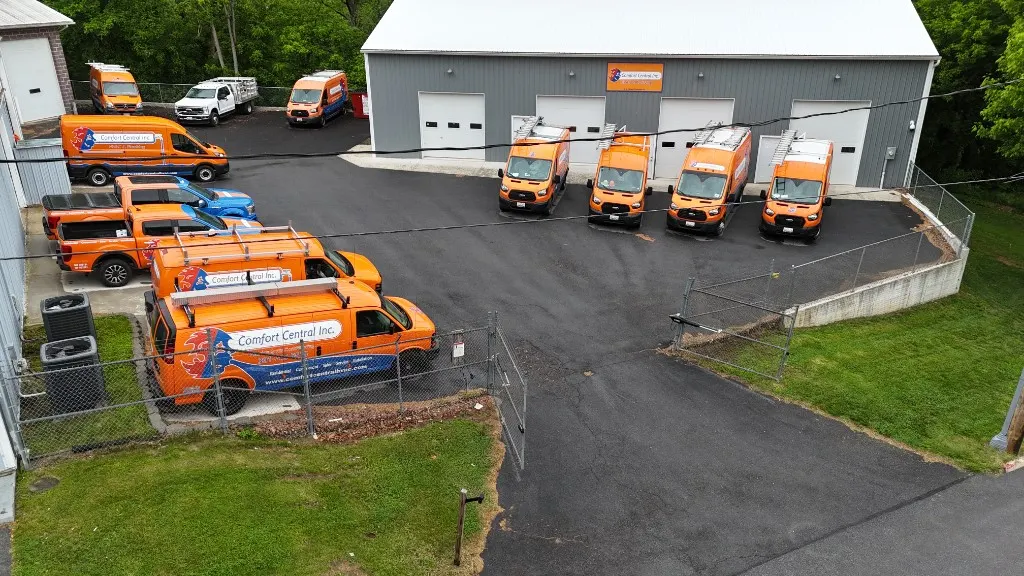
At Comfort Central Inc, we’ve been a family-owned fixture in the Mid-Atlantic since 2006. We understand the specific challenges of our local climate and the importance of fair, honest service. Our licensed technicians are experts in sizing and installing the latest heat pump technology to ensure your family stays comfortable regardless of what the weather does outside.
If you are looking to upgrade your home’s heating or want to see if a heat pump is right for your specific property, we are here to help. Contact us today to discuss our Heating Services and find out how we can help you start saving on your energy bills this year.