Heat pump emergency in Thurmont, MD? Get fast, expert repair for your system failure. Restore comfort quickly. Schedule service online today!
Emergency Heat Pump Repair in Thurmont, MD Is your
Thurmont home suddenly freezing on a bitter winter night, or are you sweating through a humid summer afternoon because your heat pump is making a grinding noise and blowing the wrong temperature air? When your system fails during our extreme seasonal temperature swings, it is a serious situation that threatens your family's comfort and needs immediate professional attention before the damage spreads. Comfort Central is ready to step in, diagnose the exact failure, and get your system back online quickly and safely.
Warning Signs You Need Immediate Attention
Recognizing the early symptoms of a failing system can save you from a complete breakdown. If you notice any of these issues, it is time to call in a professional before the problem escalates. Heat pumps often give clear warning signals before a major component completely gives out.
Complete Loss of Heating or Cooling
You turn on your thermostat, but nothing happens, or the air coming out is completely the wrong temperature for the season. This points to a critical failure like a tripped breaker, a dead compressor, or a massive refrigerant leak. A system that cannot condition the air is no longer doing its job and requires immediate professional troubleshooting. Without immediate attention, your indoor temperature will quickly become unsafe during severe weather snaps. Your home can lose its retained heat rapidly in the winter, leading to frozen pipes and extreme discomfort. In the summer, the lack of cooling and dehumidification can make your living spaces unbearably sticky and hot.
Excessive Ice or Frost on the Outdoor Unit
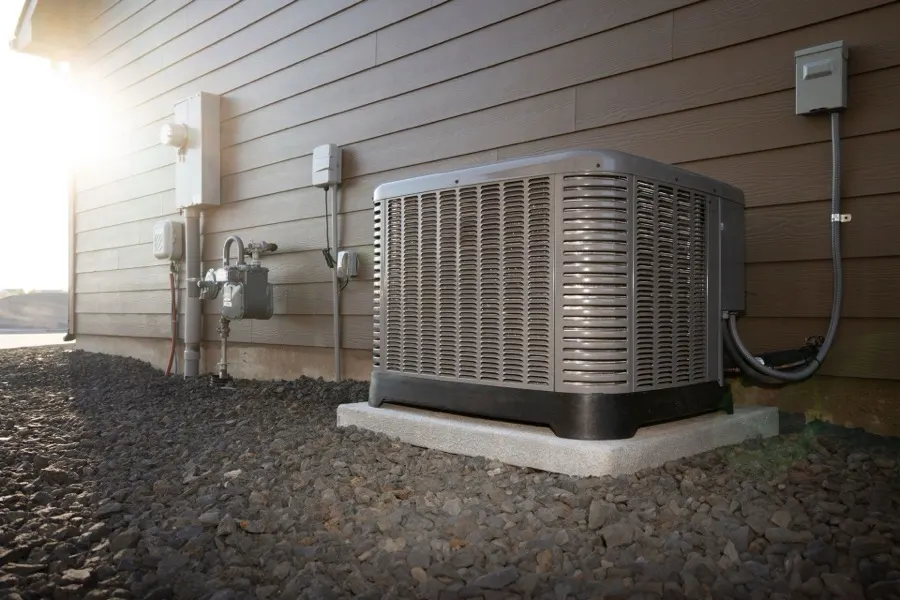
While a little frost is normal in winter, an outdoor unit encased in a thick layer of ice that will not melt indicates a broken defrost cycle or low refrigerant. The defrost control board is supposed to periodically melt away this frost so the unit can breathe. When that cycle fails, the ice acts as an insulator that prevents the unit from absorbing heat from the outside air. An iced-up unit cannot transfer heat and will eventually lock out or cause permanent damage to the internal components. The compressor has to work incredibly hard to overcome the ice blockage, which can cause it to overheat and fail. Ignoring this icy buildup turns a standard electrical or refrigerant repair into a much larger, more expensive problem.
Unusual Noises: Grinding, Screeching, or Banging
Your heat pump should run with a steady, quiet hum, so loud grinding, screeching, or banging noises are immediate red flags. These sounds usually mean failing fan motors, worn-out bearings, or a loose fan blade striking the metal housing. You might also hear a loud rattling if internal hardware has vibrated loose over years of operation. Letting the system run while it makes these mechanical noises can destroy the motor or compressor completely. A loose part can easily break off and damage the delicate aluminum fins on your outdoor coil. Shutting the system down as soon as you hear these noises is the best way to contain the damage.
Burning or Musty Odors A distinct electrical burning smell coming from your vents is a major safety hazard that requires you to shut the system down immediately.
This odor usually means a wire has shorted out, a motor is actively overheating, or electrical components are melting. You should never ignore a burning smell, as it poses a very real fire risk to your property. On the other hand, a persistent musty or mildew-like odor suggests mold growth inside the indoor coil or ductwork. This is often caused by a backed-up condensate drain that is trapping stagnant water inside the air handler. While a burning odor is a fire risk, musty smells ruin your indoor air quality and can irritate your family's respiratory systems.
Constantly Tripping Circuit Breaker
If your heat pump repeatedly trips the circuit breaker and shuts off power to the unit, you have a serious electrical overload. This is frequently caused by a failing compressor that is pulling too much amperage to start up. It can also be caused by a short circuit in the wiring or a damaged capacitor. Continuously resetting that breaker without fixing the root cause is incredibly dangerous. The breaker is tripping to protect your home from an electrical fire, and forcing it back on ignores that safety mechanism. You need a professional to test the electrical draw and find out exactly what component is causing the surge.
What Is Causing Your Heat Pump Breakdown?
Heat pumps are complex systems that work incredibly hard year-round to move heat in and out of your house. When they break down, the root cause usually traces back to a few specific component failures that require professional tools to diagnose.
Refrigerant Leaks
Your system relies on a precise charge of refrigerant to absorb and release heat efficiently. The frequent freeze-thaw cycles we see around the Catoctin Mountains can cause copper lines and fittings to expand and contract. Over time, this constant movement stresses the seals and creates microscopic leaks where the refrigerant escapes. When the refrigerant level drops, the system has to run much longer to reach the temperature set on your thermostat. We will locate the exact source of the leak using specialized detectors and repair the damaged line. After the repair, we recharge the system to the manufacturer's exact specifications to restore full efficiency.
Electrical System Malfunctions
Emergency breakdowns often happen because a vital electrical component like a capacitor, contactor, or control board has failed. Power fluctuations during severe storms can easily damage these sensitive electronic parts. Additionally, the heavy electrical demands placed on aging panels can cause older contactors to pit and fail. Diagnosing an electrical failure involves testing the voltage and amperage of each component to find the exact point of failure. We safely isolate the bad part, remove it, and install a high-quality replacement. This restores the proper communication between your thermostat, the control board, and the heavy-duty motors.
Compressor Failure
The compressor is the heart of your system, doing the heavy lifting to pressurize the refrigerant and pump it through the lines. Because systems run almost constantly through our hot summers and freezing winters, the compressor takes on a massive workload. Eventually, this constant strain can cause the internal valves to fail or the motor windings to short out. A failed compressor is one of the most significant issues you can face with your HVAC system. Depending on the age of your unit and the warranty status, replacing the compressor is a major repair. In some cases with older equipment, a failed compressor means it is time to have a serious discussion about replacing the equipment entirely.
Fan Motor or Blower Issues
Both the indoor blower motor and the outdoor fan motor are necessary to push air across the coils for heat transfer. In our semi-rural areas, outdoor units easily suck in leaves, twigs, and heavy pollen from nearby trees. This organic debris can jam the fan blades, forcing the motor to overwork until it eventually burns out. If the indoor blower motor fails, your system might sound like it is running, but no air will come out of the vents. We fix these airflow issues by clearing out any organic debris and freeing up the blade assembly. If the motor itself has failed, we replace it and test the system to ensure the air is moving at the correct speed.
Clogged Condensate Drain Line
During cooling cycles, your system pulls humidity out of the air, and that moisture drips into a pan before draining away through a PVC pipe. Algae, dirt, and mold love to grow in these damp lines, eventually creating a thick clog. When the water cannot drain, it backs up into the pan and triggers a safety float switch that shuts the whole system down. This safety switch prevents the overflowing water from damaging your ceilings or floors. We clear these stubborn clogs using specialized vacuums or pressurized air to force the blockage out of the pipe. Once the line is clear, we flush it completely and treat the drain pan to prevent future algae growth.
What to Expect During Your Service Visit When a Comfort
Central technician arrives at your home, you can expect a calm, professional approach to a stressful situation. We start by listening to your description of the problem and assessing the immediate symptoms your system is displaying. Our licensed and insured experts then perform a complete diagnostic evaluation of the equipment. We meticulously check electrical draws, refrigerant pressures, and all internal safety controls. Because we have seen every type of HVAC failure, we use advanced diagnostic tools to pinpoint the exact root cause quickly and accurately. We never guess; we rely on hard data from our gauges and meters to find the problem.
Transparent Explanations and Repairs
Once we find the issue, we explain exactly what failed in plain language without using confusing industry jargon. We provide transparent pricing for the repair so you know exactly what the solution looks like before any work begins. You will never be left in the dark about what needs to be done or how much it will cost. After you approve the repair plan, we get straight to work using high-quality replacement parts. We follow strict industry best practices to ensure the fix is done right the first time. Our goal is to restore your home's comfort as quickly and safely as possible so you can get back to your normal routine.
Extend Your System's Life with Related Services
Once your immediate emergency is resolved, it is smart to think about long-term prevention. Scheduling regular Heat Pump Maintenance & Tune-Up services helps us catch small wear-and-tear issues before they turn into another unexpected breakdown. If your current unit is older and facing constant repairs, we can also walk you through Heat Pump Installation & Replacement options to upgrade your property with a more reliable, energy-efficient system.
The Risks of Delaying Heat Pump Emergency Repair
Ignoring a struggling heat pump never makes the problem go away; it only makes the eventual repair more expensive. A failing component forces the rest of the system to work twice as hard to compensate for the lost efficiency. This extra strain can easily trigger a domino effect that destroys your compressor or blower motor. What starts as a simple electrical fix can quickly turn into the need for a complete system replacement if left running while damaged. An inefficient system will also consume massive amounts of electricity, leading to unnecessarily high utility bills. Prompt repairs keep your operating costs down and protect the expensive components inside your unit.
Safety and Financial Consequences
Beyond the financial cost, delaying repairs compromises your family's safety and comfort. Electrical shorts and overheating motors are genuine fire hazards that should never be ignored or bypassed. Furthermore, prolonged exposure to poor indoor air quality from moldy drain pans can negatively impact your family's respiratory health. Reach out to a professional immediately to protect your home and ensure your family stays safe. Fast action minimizes the damage to your equipment and restores your peace of mind. You deserve a home that is comfortable and safe, no matter what the weather is doing outside.
Your Trusted Partner for
Thurmont Heat Pump Emergencies
When your heating and cooling system fails unexpectedly, you need a team with the hands-on experience to fix it right. We are dedicated to providing honest, dependable service to homeowners dealing with stressful breakdowns. Reach out through our website to request service, and let our family-owned business restore the comfort and peace of mind you deserve.
Contact us today for a free estimate on your {title} needs.