Is your heat pump failing? Get expert heat pump installation & replacement in Thurmont, MD. Restore comfort and efficiency to your home.
Heat Pump Installation & Replacement in Thurmont, MD
Are you tired of your heat pump struggling to keep your Thurmont home comfortable, leaving rooms sticky and humid or chilly and drafty while your energy bills keep climbing? These are not just minor inconveniences; they are clear indicators that your existing system is either at the end of its lifespan or simply no longer efficient enough to handle the workload. When it is time for a reliable heat pump installation or replacement, Comfort Central is ready to provide expert solutions that restore consistent, efficient comfort to your living space.
Warning Signs Your Heat Pump Needs Replacement
Recognizing the early indicators of a failing system can save you from an unexpected breakdown. Here are the most common symptoms that suggest your current unit is reaching the end of the line.
Unexpected Spikes in Energy Bills
Your monthly utility statements show a noticeable and consistent increase in energy consumption, even if your daily usage habits have not changed. This is especially frustrating when your home still does not feel as comfortable as it should despite the higher costs. We see this frequently when aging systems lose their ability to transfer heat efficiently. An aging or failing heat pump loses its mechanical efficiency, forcing it to work harder and consume significantly more electricity to produce the same amount of heating or cooling. Components like compressors, evaporator coils, and blower motors become less effective over time, driving up your operational costs. Ignoring this sign means you are literally paying more money for less comfort.
Inconsistent Heating or Cooling Across Rooms
You might find that some rooms in your house are significantly warmer or colder than others, despite your thermostat registering the correct temperature in the hallway. There might be noticeable temperature differences between floors or distinct zones within the house that never seem to balance out. This often indicates an undersized or failing unit that can no longer effectively distribute conditioned air throughout your entire floor plan. Beyond general discomfort, this suggests your system is struggling to meet your property's fundamental heating and cooling load. It puts undue stress on the blower motor and compressor, shortening the remaining lifespan of the equipment. If left unaddressed, this uneven performance frequently leads to more extensive mechanical failures.
Frequent Cycling or Prolonged Run Times
Your system seems to turn on and off much more frequently than usual, a condition known as short cycling in the HVAC industry. Alternatively, it might run almost continuously for hours on end without ever satisfying the temperature setting on your thermostat. Both scenarios mean your equipment is working much harder than it was designed to, wasting significant amounts of energy in the process. Short cycling can indicate an oversized system or a failing compressor, while prolonged run times usually point to an undersized or heavily degraded unit struggling to meet the demand. Constant operation puts immense thermal and mechanical strain on the critical components inside the outdoor cabinet. This significantly increases the risk of a major electrical or mechanical failure.
Loud or Unusual Noises from the Unit
You start hearing strange sounds coming from your indoor air handler or outdoor condenser unit that were not there before. Grinding, hissing, clanking, buzzing, or persistent squealing are all immediate red flags that require a professional diagnosis. These noises are rarely benign and usually indicate a physical component is failing. These sounds are often symptoms of severe mechanical problems, such as failing blower motors, worn-out fan bearings, or dangerous refrigerant leaks. A grinding noise, for instance, heavily implies a failing compressor, which is the most expensive part of the system. Continuing to operate a noisy system risks further damage to internal components and guarantees a complete breakdown.
System is Over 10 to 15 Years Old
You realize your heat pump has been reliably serving your home for a decade or more, and you are starting to wonder about its long-term viability. While well-maintained equipment can sometimes last longer, the average effective lifespan of these systems is typically ten to fifteen years. Beyond this age threshold, systems generally become less efficient, more prone to breakdowns, and utilize outdated technology. Older units often use phased-out refrigerants like R-22, making any necessary leak repairs incredibly expensive or entirely impossible. An older system will inevitably require more frequent and costly interventions just to keep it running. The cumulative cost of these constant repairs, combined with higher energy bills, often outweighs the investment of a new, high-efficiency installation.
What Is Causing Your Heat Pump Problems
Understanding what is happening inside your system helps clarify why a replacement is often the most sensible path forward. Here is what we typically find when diagnosing failing equipment.
Aging Components and General Wear and Tear
Over years of operation, internal components like the compressor, fan motors, and copper refrigerant lines naturally degrade from constant use. Factory seals can weaken, electrical contactors can corrode, and moving mechanical parts simply wear out from friction. This is a natural consequence of a machine that operates nearly every day of the year. The distinct four-season weather in Thurmont forces heat pumps to work incredibly hard, constantly switching between heating and cooling modes. This demanding environment accelerates wear on all moving parts compared to systems operating in milder climates. For systems exhibiting widespread component failure due to advanced age, a complete replacement ensures all new parts are working in perfect harmony.
System Sizing Mismatch
An improperly sized system, whether too small or too large for your specific property, will always struggle to maintain consistent indoor comfort. An undersized unit runs constantly in a futile attempt to reach the set temperature, while an oversized one short-cycles rapidly, failing to dehumidify the air. Both sizing errors lead to terrible energy inefficiency and premature mechanical wear. Many older homes in our area had initial HVAC installations that did not account for modern insulation upgrades, recent home additions, or replacement windows. A professional installation involves a thorough load calculation to determine the precise heating and cooling needs of your current home layout. This ensures your new equipment is perfectly matched for optimal performance, humidity control, and energy efficiency.
Refrigerant Leaks or Low Charge
Refrigerant is the vital lifeblood of your HVAC system, responsible for absorbing and releasing heat as it travels between the indoor and outdoor units. Microscopic leaks in the coils or copper lines reduce the overall volume of refrigerant, causing the system to lose its ability to effectively transfer heat. This directly leads to poor heating output, weak cooling, and frozen evaporator coils. Over time, constant vibrations from the demanding compressor operation can cause small cracks or joint corrosion in these pressurized lines. While a minor repair might be possible for a tiny leak in a newer system, significant leaks in older equipment are highly problematic. Replacing the entire unit is often the most sensible and long-term solution when dealing with severe refrigerant loss in aging equipment.
Deteriorated Ductwork
Leaks, poor insulation, or physical blockages in your home's hidden ductwork system can significantly diminish even the best equipment's efficiency. Conditioned air escapes into unconditioned spaces like hot attics or damp crawl spaces long before reaching your primary living areas. This forces your equipment to run longer to compensate for the lost air volume. Many homes feature original sheet metal or flex ductwork that was not designed for optimal efficiency, or has simply deteriorated over several decades. A new installation provides an excellent opportunity to inspect your entire ventilation network. We can identify necessary repairs or sealing required to ensure maximum airflow and efficiency for your brand new equipment.
What to Expect During the Service Visit When you choose Comfort
Central for your installation project, you can expect a professional, transparent, and highly efficient service from start to finish. Our licensed and insured technicians will arrive promptly, treating your home with the utmost respect while we work. We handle every aspect of the project so you do not have to worry about a thing. First, we perform a thorough assessment of your existing equipment and your property's unique heating and cooling profile. This includes taking precise measurements and conducting an industry-standard load calculation to determine the ideal size and capacity required for optimal performance. We discuss your budget, energy efficiency goals, and specific comfort preferences, helping you select the absolute best model from leading manufacturers.
The Installation and Testing Process
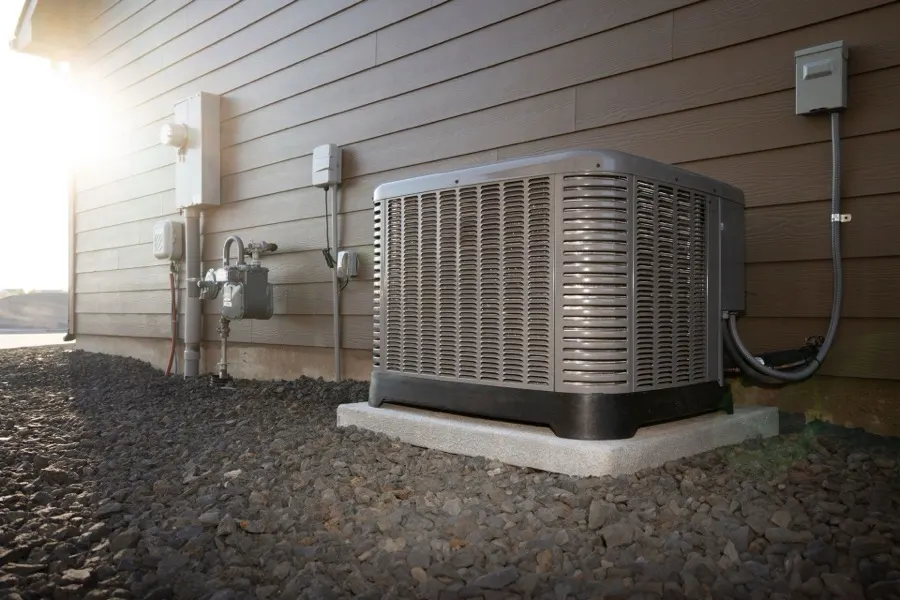
Once you have made your decision, our installation team will carefully disconnect and remove your old unit, ensuring the safe and proper disposal of all outdated components. The new equipment is then expertly installed, including the indoor air handler, the outdoor condenser, and all necessary electrical disconnects. We pay close attention to properly brazing the new refrigerant lines and connecting the primary and secondary condensate drainage systems. After the physical installation is complete, we conduct rigorous system testing to confirm your new equipment is operating flawlessly in both heating and cooling modes. We check the newly charged refrigerant levels, verify all electrical amperages, test the thermostat communication, and measure the supply and return airflow. Before we leave, our technicians walk you through the new system's operation, explain the warranty details, and answer any questions you might have about your new investment.
Related Services You May Need
To ensure your new equipment operates at peak performance for years to come, consider pairing your installation with our Heat Pump Maintenance & Tune-Up service. Regular professional maintenance helps prevent unexpected breakdowns, validates your manufacturer warranty, and maintains high energy efficiency. Additionally, if you want precise control over your indoor climate, you might explore a Smart Thermostat Installation & Replacement to further optimize your daily energy usage.
Why This Matters and the Cost of Waiting
Postponing a necessary replacement project can lead to a cascade of negative consequences for your home and your wallet. The most immediate impact is a significant decrease in your daily quality of life as you continue to endure inconsistent temperatures, uncomfortable humidity levels, and drafty rooms. Beyond the lack of comfort, a failing system will continue to consume excessive amounts of electricity, translating directly into painfully high utility bills every single month. More critically, an aging or struggling system is highly prone to sudden, unexpected breakdowns. These failures almost always occur during the peak of summer or the dead of winter when your demand for comfort is at its highest. Investing in a new, high-efficiency heat pump now prevents these spiraling emergency costs and ensures reliable, uninterrupted comfort for your family.
Ready to Restore Your Home's Comfort?
Do not let an inefficient or failing heat pump compromise the comfort and energy efficiency of your Thurmont home any longer than it already has. As a dedicated local team, Comfort Central is committed to delivering honest, professional service and lasting mechanical solutions you can trust. Reach out through our website to schedule an assessment and discover the immediate benefits of a high-performance heat pump installation today.
Contact us today for a free estimate on your {title} needs.