
Preparing Your Property for the Weather Transition
If your air conditioner is running constantly but the living room still feels warm, or perhaps you notice a sudden, unusual rattling noise the moment the thermostat clicks on, it is time to consult a seasonal home maintenance checklist. The upcoming seasonal transition brings rapid temperature and humidity spikes, and failing to prepare your property or equipment for these shifts often leads to unexpected downtime or structural damage. Property owners need an objective way to identify which maintenance tasks are critical to perform immediately and which can wait.
Using a structured seasonal home maintenance checklist provides a clear roadmap for your property's readiness. When the weather shifts quickly, your home's infrastructure takes a physical beating. Thermal expansion and contraction stress your ductwork, while changing humidity levels force your cooling equipment to work harder to maintain a baseline level of comfort. Without a proactive strategy, minor wear and tear from the previous season can quickly escalate into a complete system failure right when you need your cooling system the most.
By evaluating your equipment before the severe weather arrives, you remove the guesswork from home management. A detailed, objective breakdown of seasonal priorities helps you protect your investment, maintain consistent indoor comfort, and avoid the frustration of waiting for emergency repairs during the busiest days of the year.
The Financial Impact of a Seasonal Home Maintenance Checklist
Understanding the financial mechanics of home upkeep helps prioritize where you spend your time and resources. According to the U.S. Department of Energy, heating and cooling account for nearly half of a typical home's energy usage. Because your HVAC system consumes so much power, its operating efficiency directly dictates your monthly utility expenses. Neglecting seasonal preparation increases the immediate load and physical stress on AC compressors, forcing them to draw more electricity to achieve the same cooling output.
Proactive maintenance is the most financially impactful task a homeowner can undertake before the weather shifts. When an air conditioning system operates with restricted airflow or dirty coils, the compressor runs hotter and longer. This continuous strain not only drives up your energy bills but also significantly shortens the lifespan of the equipment. Replacing a prematurely failed compressor is a major expense that can often be avoided with basic, routine checks.
Proactive vs. Reactive Maintenance Dynamics
| Maintenance Approach | System Efficiency | Financial Predictability | Equipment Lifespan |
|---|---|---|---|
| Proactive (Using a Checklist) | Maintains peak performance and lowers daily energy draw. | Highly predictable; allows for planned budgeting of minor repairs. | Maximizes the manufacturer's intended operational life. |
| Reactive (Waiting for Failure) | Declines steadily, resulting in consistently high utility bills. | Unpredictable; often involves emergency dispatch fees and rush parts. | Significantly reduced due to compounded stress on major components. |
Relying on a checklist keeps property owners organized and objective. Instead of wondering if the system is ready, you have a documented baseline of your equipment's health. This structured approach shifts your household budget away from sudden emergency fixes and toward predictable, manageable upkeep.
Critical Seasonal Maintenance Priorities
To ensure your home is fully prepared for the upcoming weather transition, follow these specific, high-priority steps. Based on the seasonal service calls our team at our business handles across the local area, we know firsthand that completing these tasks effectively reduces system strain and protects your property from seasonal moisture issues.
- Replacing air filters: A clogged air filter restricts return airflow, forcing the blower motor to work harder and increasing static pressure within the ductwork. Check your filters monthly and replace them with the appropriate MERV rating recommended by your equipment manufacturer to ensure proper airflow and reduce system strain.
- Clearing debris from outdoor AC units: The outdoor condenser requires adequate airflow to release the heat absorbed from inside your home. Clear away leaves, overgrown branches, and dirt, maintaining a strict two-foot clearance zone around the entire unit to maintain optimal efficiency.
- Checking weatherstripping around doors and windows: Conditioned air escapes easily through degraded seals. Inspect the weatherstripping around all exterior doors and windows. Replacing worn seals prevents cooling loss, keeping your indoor temperatures stable and reducing the workload on your AC.
- Cleaning gutters and downspouts: Seasonal moisture must be directed away from your home's foundation and your outdoor HVAC equipment. Clogged gutters can cause water to overflow directly onto your condenser unit or pool around the foundation, leading to excess ambient humidity that your AC then has to work harder to remove.
- Testing smoke detectors and carbon monoxide alarms: As you prepare your home for a new season, always press the test button on your safety alarms. Replace the batteries if you haven't done so in the last six months, ensuring your household remains safe during periods of heavy HVAC usage.

Evaluating Your Cooling System: DIY Visual Inspections
Homeowners play a vital role in monitoring their cooling systems, but it is deeply important to know where DIY checks end and professional requirements begin. You can safely perform visual-only inspections to determine if your system is ready for the upcoming seasonal transition without crossing into dangerous or licensed territory.
What to Look For Outdoors
Begin your visual inspection at the outdoor condenser. Check for obvious signs of wear: Look closely at the metal fins on the outside of the unit. If large sections of fins are flattened or heavily bent, airflow is being restricted. Next, examine the insulation wrapped around the larger copper refrigerant line. If the insulation is torn, missing, or heavily degraded by the sun, the system will lose cooling efficiency before the air even reaches the indoor coil. Do not attempt to straighten the fins with household tools, as they are fragile and easily punctured.
What to Listen For Indoors
Turn your thermostat to cool and listen carefully as the system starts up. Unusual noises: A brief clicking sound is normal, but a loud grinding, squealing, or continuous rattling indicates a mechanical issue, such as a failing blower motor bearing or a loose fan belt. Airflow consistency: Hold your hand over the supply registers in different rooms. The airflow should feel consistently strong and cool across the house. Weak airflow often points to ductwork issues or a heavily soiled indoor coil.
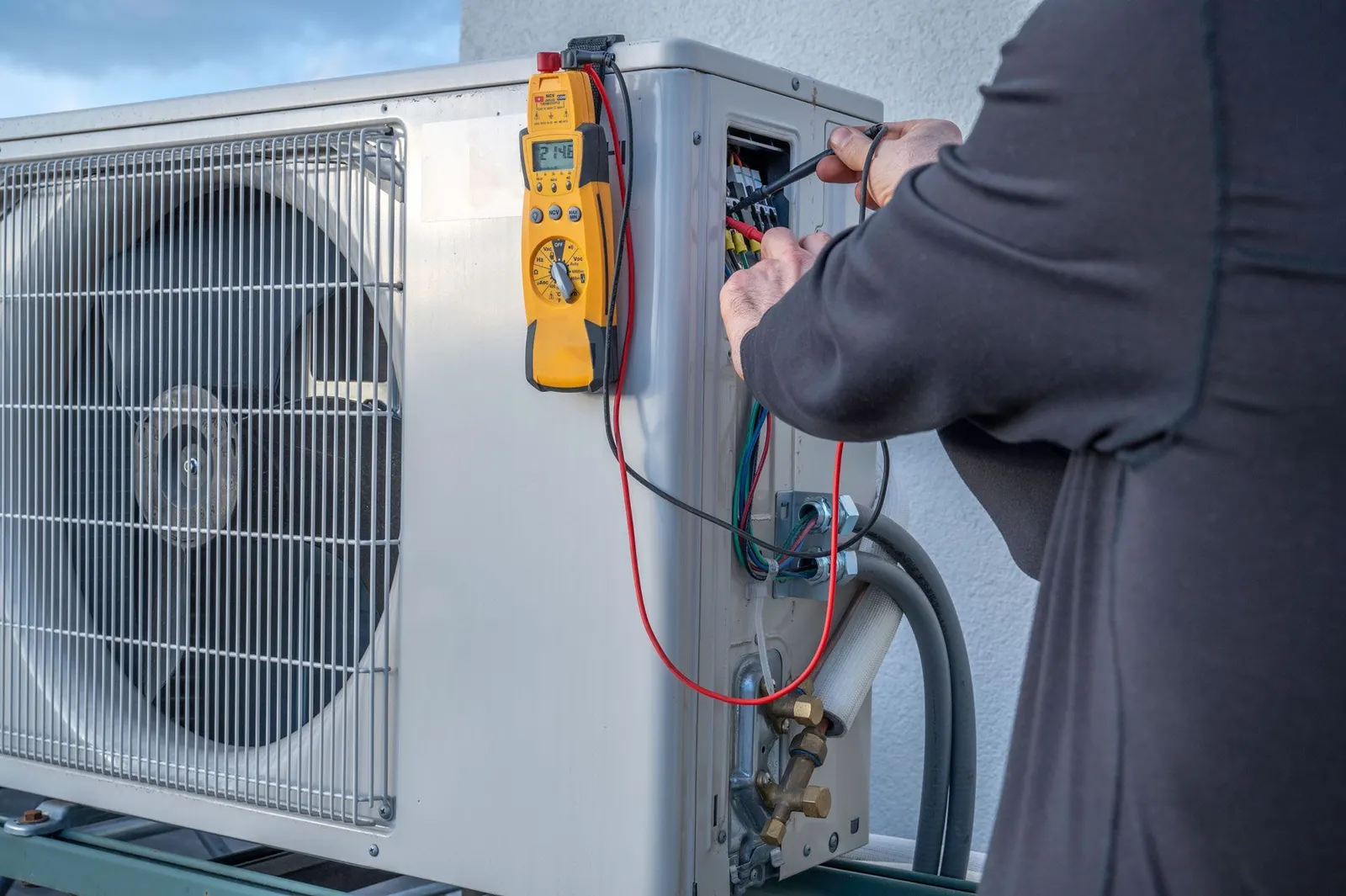
Under no circumstances should homeowners attempt electrical or refrigerant-related work. Opening the electrical panel on your condenser exposes you to high-voltage capacitors that hold dangerous charges even when the power is off. Handling refrigerant without an EPA certification is both illegal and physically hazardous. Frame these DIY visual checks strictly as the first step in gathering information about your system's baseline health.
When to Call a Licensed HVAC Professional
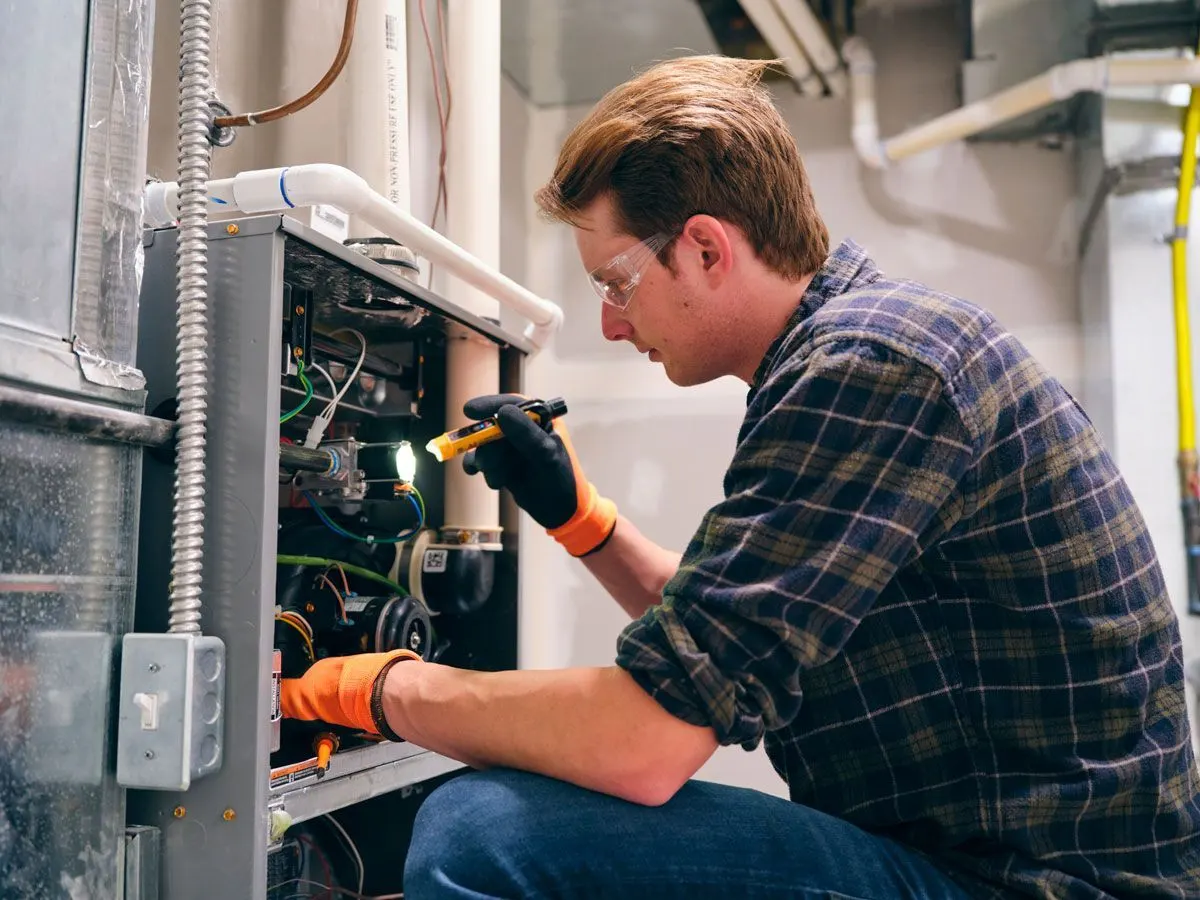
The visual inspection often reveals red flags that necessitate a professional evaluation. If you notice any of the following symptoms, it is time to stop the DIY checklist and bring in a licensed technician:
- Ice buildup: Frost or solid ice on the indoor coil or the outdoor copper lines indicates a severe pressure drop, usually caused by restricted airflow or a refrigerant leak.
- Short cycling: If the unit turns on and off every five minutes without actually cooling the house, the compressor is under extreme duress.
- Tripped breakers: An air conditioner that repeatedly trips your electrical breaker is pulling too much amperage, signaling a dangerous electrical fault or a failing compressor.
A licensed professional handles the technical tasks required to keep the system running safely. During a comprehensive tune-up, a technician will connect specialized gauges to check exact refrigerant subcooling and superheat levels. They will test the microfarad readings on your capacitors to ensure the motors are receiving the correct electrical voltage, and they will perform a deep chemical cleaning of the evaporator coils to restore peak heat transfer capabilities. Relying on a licensed professional ensures the system can handle the upcoming seasonal transition safely and efficiently.
If your current setup is aging rapidly and failing to keep up with demand, a professional can also evaluate your property for alternative cooling solutions. For older homes that struggle with uneven temperatures, exploring the best ways to add AC to a house without vents can provide targeted relief without the need for invasive ductwork renovations.
How Proper AC Sizing Combats Summer Heat and Humidity
An air conditioning unit is designed to do much more than just lower the temperature of the air; it also acts as a powerful, whole-home dehumidifier. With local summer heat and humidity putting severe strain on aging equipment, understanding how your system manages moisture is a critical part of your seasonal preparation.
The science of cooling relies on the indoor evaporator coil getting very cold. As warm, moist air from your home blows across this freezing coil, the moisture in the air condenses into water droplets—much like a cold glass of water sweating on a hot afternoon. This condensation drips into a drain pan and is carried out of your home. According to the U.S. Environmental Protection Agency (EPA), properly sized systems remove significantly more moisture from the air, directly improving indoor air quality and preventing the growth of mold and mildew.
However, precise AC sizing is necessary to combat regional weather extremes. A common misconception is that a larger air conditioner will cool the house better. In reality, an oversized unit cools the air too quickly and shuts off before it has time to extract the humidity. This rapid on-and-off process, known as short-cycling, leaves the home feeling cold but uncomfortably clammy. Conversely, an undersized unit will run continuously, driving up your energy bills while failing to reach the target temperature. A properly sized system runs in long, steady cycles, effectively neutralizing both the heat and the heavy seasonal humidity.
Repair vs. Replace: Making the AC Installation Decision
When an aging system consistently fails seasonal readiness checks, property owners face a difficult choice: continue paying for repairs or invest in a new AC installation. In our experience serving the local area, our business often sees homeowners struggle with this choice, but making the decision requires objective criteria rather than guesswork.
Age of the unit: Most traditional central air conditioners have an operational lifespan of 10 to 15 years. If your system is approaching or has surpassed this milestone, the internal components are likely experiencing significant wear. Frequency of breakdowns: If you find yourself calling for repairs every single season just to keep the unit limping along, those cumulative repair costs often outweigh the price of a modern, efficient system. Declining efficiency: A unit that runs constantly but still leaves you with high utility bills and warm rooms is no longer operating at its rated capacity.
Objective Evaluation Criteria
| Factor | Indicator for Repair | Indicator for Replacement |
|---|---|---|
| Equipment Age | Under 10 years old with a valid manufacturer warranty. | Over 12 years old, utilizing outdated R-22 refrigerant. |
| Repair Cost | Minor component failure (e.g., capacitor, contactor). | Major component failure (e.g., compressor, cracked coil) exceeding half the cost of a new unit. |
| Comfort Levels | System generally maintains the set thermostat temperature. | System struggles to cool or dehumidify, leaving hot spots. |
Evaluating recommendations from service providers can be stressful. Working with a team that prioritizes honest, reliable service rooted in family values ensures you receive an objective evaluation without the pressure of unnecessary upselling. A trustworthy provider will lay out the math—comparing the cost of repairing an inefficient unit against the long-term energy savings of a new AC installation—so you can make the most reliable choice for your home.
Frequently Asked Questions About Seasonal Preparation
What should I check on my AC before summer?
Start by inspecting and replacing your indoor air filter to ensure maximum airflow. Next, check the outdoor condenser unit to confirm it is free of debris, leaves, and overgrown vegetation. Finally, turn the system on for a test run, listening for unusual noises and verifying that cool air is flowing consistently from all supply vents.
How do I prepare my house for summer?
Preparing your house involves addressing both your HVAC system and your home's thermal envelope. Seal air leaks by checking the weatherstripping around doors and windows to keep the conditioned air inside. Additionally, clean your gutters to manage seasonal moisture and schedule a professional cooling tune-up before the highest temperatures arrive.
When should I replace my AC instead of repairing it?
You should strongly consider replacement if your system is over 10 to 15 years old, requires frequent repairs, or uses obsolete refrigerant. A standard rule of thumb is to replace the unit if the cost of an upcoming repair multiplied by the age of the equipment exceeds the cost of a brand-new, high-efficiency installation.
What is a good home maintenance schedule?
A good schedule is broken down into monthly and seasonal tasks. Monthly tasks include checking HVAC filters and testing safety alarms, while seasonal tasks involve deep-cleaning gutters, inspecting weather seals, and having a licensed professional perform preventative maintenance on your heating and cooling equipment.
How does seasonal humidity affect my cooling system?
High humidity forces your air conditioner to work much harder, as it must extract the heavy moisture from the air before it can effectively lower the indoor temperature. If your system is aging, improperly sized, or poorly maintained, it will struggle to remove this moisture, resulting in longer run times, higher energy bills, and a clammy indoor environment.
Ensure Your Home is Ready for the Season
A clear, well-structured technical explainer helps you prioritize critical maintenance tasks long before the weather turns severe. Proactively addressing the upcoming seasonal transition prevents unexpected downtime, protects your property from moisture damage, and keeps your monthly utility costs under control. We encourage you to use this seasonal home maintenance checklist to objectively evaluate your property's readiness today. If your visual inspections reveal red flags, or if your aging system is struggling to keep up, reach out for a professional evaluation to explore your repair and AC installation options.