
The Myth of the Basic Chore List: Upgrading Your Seasonal Strategy
Relying on a basic seasonal home maintenance checklist that only focuses on cleaning gutters and testing smoke detectors will not protect your property from a catastrophic mid-summer mechanical failure. The common assumption is that surface-level chores are enough to prepare a home for shifting weather. However, this approach leaves essential property systems completely vulnerable. Preparing your infrastructure for the seasonal weather transition requires a much deeper, objective evaluation of your heavy-duty equipment.
Property owners face a very concrete problem: they need to prepare essential systems for extreme temperatures without wasting money on unnecessary fixes or falling victim to unexpected emergency service calls. The true value of a seasonal strategy lies in your ability to distinguish between critical diagnostic tasks and cosmetic chores that can be safely delayed. An objective, technical breakdown of your home's mechanical health is required to protect your infrastructure and your budget.
When you approach your property maintenance as a diagnostic tool rather than a generic chore list, you shift from reactive scrambling to proactive management. This means looking past the aesthetic upkeep and focusing heavily on the mechanical vulnerabilities that actually cause system breakdowns during the seasonal weather transition.
Prioritizing Maintenance: Critical Diagnostics vs. Cosmetic Chores
To effectively manage your property, you need an objective risk-assessment framework. This framework separates tasks that prevent catastrophic failure from those that simply make the home look better. High-risk mechanical vulnerabilities require immediate attention because their failure leads to compounding damage, while low-risk property upkeep can often wait without risking the home's safety or efficiency.
Industry data shows that routine seasonal maintenance can identify up to 75% of impending system failures before a complete breakdown occurs. Furthermore, the U.S. Department of Energy reports that replacing a dirty, clogged air filter with a clean one lowers an air conditioner's energy consumption by 5% to 15%. These technical maintenance steps directly impact your monthly utility costs and system longevity.
Use the upcoming seasonal weather transition as a hard deadline for evaluating aging equipment. Below is a breakdown of how to prioritize your maintenance efforts:
| Maintenance Category | Focus Area | Risk Level if Ignored | Impact on Property |
|---|---|---|---|
| Critical Mechanical | HVAC components, refrigerant levels, electrical contactors | High | Complete system failure, high emergency repair costs, property damage from leaks |
| Plumbing & Drainage | Condensate lines, exposed pipes, water heater valves | High | Hidden water damage, mold growth, flooding during temperature extremes |
| Envelope Sealing | Weatherstripping, insulation, ductwork integrity | Medium | Increased energy consumption, loss of conditioned air, excess HVAC wear |
| Cosmetic & Exterior | Paint touch-ups, landscaping, power washing | Low | Aesthetic degradation, minor exterior wear over long periods |
By focusing your budget and time on the high-risk categories first, you ensure that your home is mechanically sound before the weather shifts drastically.
Evaluating Your Cooling System: The AC Repair vs. Replace Dilemma
One of the most critical components of your diagnostic process is evaluating your aging air conditioning unit. As you prepare for the seasonal weather transition, you must determine whether the cooling system is capable of handling the impending workload. This requires specific diagnostic criteria to guide a financially sound repair versus replacement decision.
When measuring the health of your AC, compare the frequency and cost of recent repairs against the system's expected lifespan and its current efficiency loss. A unit that requires constant refrigerant recharges or electrical component replacements is signaling a deeper mechanical failure. Understanding the mechanical 'why' behind sudden cooling failures helps you grasp the underlying risks. For example, a failing compressor draws excessive amperage, which stresses the electrical components and leads to sudden shutdowns. If you want to understand the exact mechanics of these failures, learning why your AC stopped cooling can clarify exactly what is happening inside the cabinet.
In our years of serving the local area, our team typically sees that guessing at the health of internal components is a fast track to a mid-summer emergency. A professional, objective evaluation is absolutely necessary to accurately gauge the condition of the evaporator coil, the compressor, and the blower motor.
Signs It Is Time for a Professional Diagnostic
- Inconsistent cooling performance: If you notice significant temperature variations across different rooms, your system is struggling to distribute conditioned air evenly, indicating duct issues or a failing blower.
- Unusual operational noises: Grinding, squealing, or heavy clanking sounds point directly to mechanical stress, failing bearings, or loose internal components that require immediate attention.
- Spikes in utility consumption: A sudden increase in energy bills without a change in your daily usage habits means the system is working twice as hard to produce the same amount of cooling.
How Severe Climate Factors Accelerate HVAC Wear and Tear
Regional climate extremes place an immense burden on the mechanical components of an HVAC system, making timely diagnostics critical. In the local area, the reality of hot, humid summers dictates how your equipment operates. A pattern we see often at our business is that when peak operational loads hit during the seasonal weather transition, aging compressor and condenser units are pushed to their absolute limits.
The Dehumidification Workload: Excess airborne moisture significantly impacts your system's dehumidification process. An air conditioner does not just cool the air; it removes latent heat by extracting humidity. In highly humid environments, the system must run longer cycles just to pull the moisture out of the air before it can effectively lower the temperature. This continuous operation accelerates wear and tear on blower motors and capacitors.
Condensate Drain Vulnerabilities: Because the system is pulling gallons of water out of the humid air daily, the condensate drain becomes a major point of vulnerability. During periods of high humidity, these dark, damp lines are highly susceptible to rapid algae growth. A clogged condensate line causes water to back up into the drain pan, which can overflow and cause severe water damage to your ceilings, floors, or furnace control boards.
Safety and Comfort Hazards: A failing AC quickly transitions from a minor inconvenience to a major safety hazard during extreme heatwaves. When indoor temperatures climb rapidly alongside high humidity, the environment becomes dangerous for vulnerable individuals, pets, and even the structural integrity of wood flooring and cabinetry. Proactive diagnostics ensure your system can handle the severe climate factors without faltering.
The 3-Step Seasonal System Protection Strategy
To successfully navigate the seasonal weather transition, property owners must address the most critical maintenance categories systematically. This 3-step strategy outlines exactly what needs to be evaluated to keep your home protected.
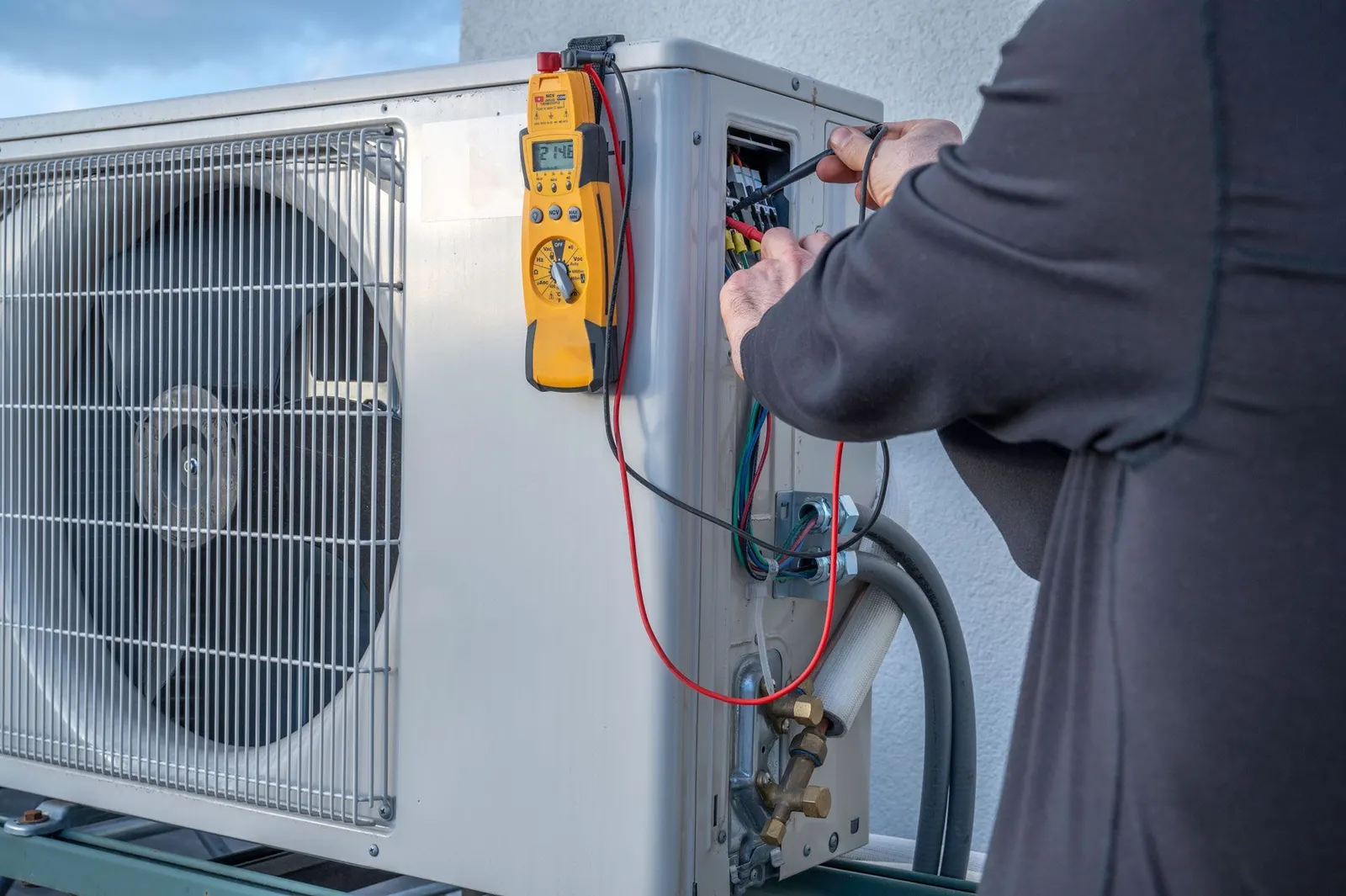
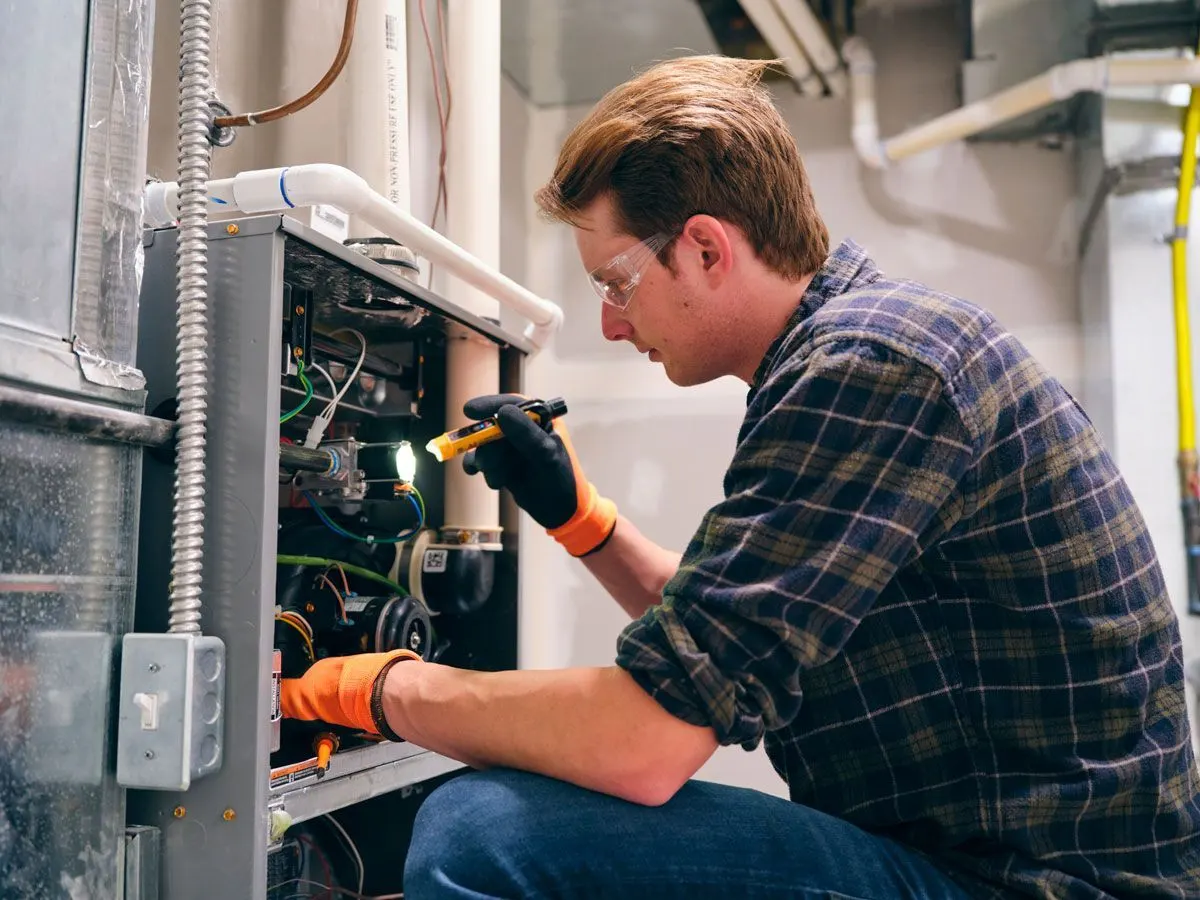
- Critical HVAC Diagnostics: This step requires a licensed professional. A technician must perform a comprehensive assessment of refrigerant levels, measure the electrical draw on capacitors and motors, and inspect the contactors for pitting. Attempting to diagnose high-voltage electrical components or handle refrigerant without a license is dangerous and illegal. Let a professional verify that the system is mechanically sound.
- Plumbing & Leak Checks: Before the seasonal weather transition brings extreme temperatures, inspect your property's plumbing infrastructure. This includes clearing out HVAC condensate lines with a specialized vacuum, checking exposed pipes for proper insulation, and ensuring that drainage systems direct water away from the foundation. Property managers and homeowners can perform visual inspections for leaks around water heaters and under sinks, but repairing complex drainage issues requires a plumber.
- Exterior & Envelope Sealing: Ensure the property is properly insulated against incoming seasonal temperature extremes. Check the weatherstripping around doors and windows, inspect the attic insulation for settling, and verify that the ductwork is sealed. A tight building envelope prevents conditioned air from escaping, which directly reduces the operational load on your HVAC system and lowers your monthly energy costs.

Making Financially Sound Decisions for Your Property
The ultimate goal of a seasonal checklist is risk mitigation and budget protection, not finding excuses to spend money. When you approach the seasonal weather transition with a diagnostic mindset, you take control of your property's financial future. An objective assessment weighs the true, compounding cost of ongoing repairs against the tangible efficiency gains of installing a new system.
Rooted in honest family values, the right professional assessment will always prioritize the homeowner's long-term budget and comfort over pushing unnecessary new installations. You need a partner who will give you the straight facts about your equipment's health. If a minor, cost-effective repair will safely extend the life of your unit for another three years without risking safety, that is the path we recommend taking. Conversely, if sinking money into a failing compressor is a bad investment, a trustworthy technician from our team will show you the math to prove it.
Proactive planning during the seasonal weather transition prevents forced decisions during an emergency. When your AC breaks down at 4:00 p.m. on a Friday during a historic heatwave, you lose your negotiating power and your ability to research options. By evaluating your systems now, you secure the time needed to review warranties, compare efficiency ratings, and make a financially sound decision that protects your household for years to come.
Frequently Asked Questions About Seasonal System Prep
What should be on a home maintenance checklist?
A comprehensive checklist must prioritize mechanical diagnostics over simple aesthetic chores. It should include professional HVAC inspections, plumbing leak checks, condensate drain clearing, and building envelope sealing. Addressing these core infrastructure components before the seasonal weather transition prevents costly emergency breakdowns.
How do I prepare my AC for summer?
Start by replacing your air filter to ensure unrestricted airflow, which directly lowers energy consumption. Next, clear any debris from around the outdoor condenser unit to allow for proper heat transfer. Most importantly, schedule a professional diagnostic to check refrigerant levels and electrical components before the severe heat arrives.
How often should you do home maintenance?
Routine home maintenance should be performed at least twice a year, aligning with the major seasonal weather transitions in spring and fall. Monthly tasks, such as swapping out HVAC filters and testing smoke alarms, should supplement these biannual deep-dive diagnostics to keep systems running efficiently year-round.
What is the most important home maintenance task?
The single most critical task is maintaining your heating and cooling infrastructure, as these systems represent the largest mechanical investment in your home. Ignoring HVAC diagnostics leads to catastrophic failures, poor indoor air quality, and potential water damage from clogged condensate lines.
How do I know if my aging AC is worth repairing before the season starts?
You must weigh the cost of the proposed repair against the age of the unit and its current efficiency levels. If the repair costs exceed a third of the price of a new system, or if the unit uses outdated refrigerant and requires frequent service, a professional replacement is usually the more financially sound decision.
Can a dirty AC filter really cause a system breakdown?
Yes, a severely clogged filter restricts airflow, causing the evaporator coil to freeze over and forcing the compressor to work overtime. This excessive strain can lead to premature compressor failure and blower motor burnout, turning a simple maintenance oversight into an expensive mechanical emergency.
Secure Your Comfort Before the Next Season Hits
There is immense peace of mind that comes from knowing exactly where your home's mechanical systems stand. By utilizing a diagnostic seasonal home maintenance checklist, you remove the guesswork from your property management. Do not wait until the seasonal weather transition brings extreme temperatures that push your aging equipment past its breaking point.
Booking a professional evaluation now ensures you avoid the inevitable peak-season delays when technicians are booked weeks in advance. Secure your home's comfort, protect your long-term budget, and guarantee your family's safety. Schedule your objective diagnostic assessment today to verify your systems are ready for whatever the weather brings.