
Navigating the Strain of Early Fall in Historic Homes
At Comfort Central Inc., we know that when you live in an older property, searching for home maintenance tips and troubleshooting for unpredictable temperatures often leads to frustration—especially when your house lacks traditional ductwork. The architectural charm of historic homes, with their solid plaster walls, rich woodwork, and unique framing, makes them incredibly beautiful. However, our team frequently sees how those same structural features make retrofitting modern climate control systems a significant challenge. If you are tired of battling indoor temperature swings, exploring modern air conditioning solutions can help you reclaim your comfort without compromising your home's character.
The struggle becomes especially apparent during our Mid-Atlantic September climate, where 80-degree days rapidly drop to 50-degree nights. This creates a severe "shoulder season" strain on both the home and its occupants. A house that feels uncomfortably warm and stuffy at 3:00 p.m. can suddenly feel drafty and frigid by midnight. Without a centralized way to distribute conditioned air, we see homeowners often resort to temporary fixes that barely scratch the surface of the problem.
Historically, the default solution for these older homes has been the heavy reliance on window units. While they provide localized relief, window air conditioners are notoriously inefficient, incredibly noisy, and they block out natural light. More importantly, they leave homes vulnerable to poor indoor air quality. Window units lack the robust filtration capabilities of modern systems, allowing outdoor allergens, dust, and early fall pollen to circulate freely through your living spaces.
Fortunately, the HVAC industry has evolved far beyond window units and massive metal ductwork. Upgrading to modern air conditioning solutions can completely resolve these seasonal temperature swings. Today's technology allows you to effectively cool and heat a historic home without destroying the original plaster, tearing down ceilings, or ruining the architectural integrity of the space.
How to Air Condition a House Without Ductwork
In our experience serving the community, the most effective and popular solution for cooling older homes without existing ductwork is the ductless mini-split system. These highly efficient units bypass the need for extensive metal ducting entirely. Instead, they operate using two main components: an outdoor compressor unit and one or more indoor air-handling units (often called wall cassettes). These components are connected by a small bundle of refrigerant lines, electrical cables, and a condensate drain.
The installation process for a ductless system is minimally invasive, making it perfect for historic properties in Williamsport MD and the surrounding areas. Rather than tearing up ceilings or opening large sections of drywall, our Comfort Central Inc. installation technicians only need to drill a small hole—typically about three inches in diameter—through the exterior wall to connect the indoor and outdoor units. This preserves the structural and aesthetic integrity of older floor plans while delivering state-of-the-art climate control.
One of the greatest advantages of ductless technology is its zoning capability. Because each indoor cassette operates independently, you can cool only the rooms you are actively using. If you prefer a colder bedroom but a slightly warmer living room, you can set different temperatures for each zone. Furthermore, most modern ductless mini-splits double as heat pumps. This means they can reverse their operation to pull heat from the outside air and bring it indoors, making them the perfect solution for transitioning seamlessly into the colder months.
We see the impact of these tailored solutions firsthand. One local homeowner reached out during the spring because they needed a new system for an unusually laid-out property that simply could not accommodate standard ducts. Merle, one of our expert technicians, installed a new ductless setup and showed the homeowner exactly how to use the programmable thermostat. The new system worked perfectly, and the customer immediately noticed that their energy usage was optimized. This highlights the importance of honest diagnostics—helping homeowners find the most cost-effective and least disruptive cooling solutions tailored to their unique, older spaces.
High-Velocity HVAC as an Alternative
While ductless mini-splits are fantastic, our team knows they aren't the only option. For homes where you prefer not to have wall cassettes visible, a high-velocity HVAC system might be the answer. These systems use a central air handler, but instead of large metal ducts, they push air through small, flexible, two-inch tubing that can easily be snaked behind walls, under floors, and through tight attic spaces.
| Feature | Ductless Mini-Split Systems | High-Velocity Systems |
|---|---|---|
| Visual Impact | Requires visible indoor wall, floor, or ceiling cassettes. | Nearly invisible; uses small, discrete circular vents. |
| Installation Intrusion | Minimal; requires only a 3-inch hole through the exterior wall. | Moderate; requires snaking flexible tubes through existing wall cavities. |
| Zoning Capability | Excellent; each room/cassette can be controlled independently. | Limited; operates more like a traditional central system. |
| Heating Capability | Highly efficient heat pump technology for winter use. | Can be paired with a heat pump or traditional heating coil. |
Managing Thermostat Transitions During Temperature Swings
As the September early fall weather sets in, managing your home's temperature becomes a daily balancing act. The transition period between summer cooling and winter heating is often referred to as the "shoulder season," and we consistently see how notoriously hard it is on HVAC equipment. When you experience 30-degree daily temperature swings, it is tempting to run the air conditioner during the heat of the afternoon and flip the system over to heating mode as soon as the sun goes down.
However, rapidly switching a system from cooling to heating on the same day puts immense mechanical strain on the equipment. Inside a heat pump, a component called the reversing valve is responsible for changing the direction of the refrigerant flow. Forcing this valve to shift back and forth constantly can lead to premature wear and tear. Furthermore, erratic thermostat adjustments often lead to "short-cycling." Short-cycling occurs when the system turns on and off too quickly before completing a full temperature cycle. Unpredictable early fall weather exacerbates this issue, especially in aging or improperly sized units, causing spikes in energy usage and unnecessary stress on the compressor.
To protect your equipment and maintain comfort, our technicians at Comfort Central Inc. recommend following these best practices for managing your thermostat during the shoulder season. If your current system is struggling to keep up with these transitions, it might be time to consider professional AC installation and replacement.
- Utilize the "Auto" function carefully: If your thermostat has an auto-changeover feature, set a wide "deadband" (the temperature gap between heating and cooling activation). A gap of at least 4 to 5 degrees prevents the system from fighting itself.
- Leverage zoning if you have it: With a ductless system, you can turn off units in unoccupied rooms rather than demanding the entire system to heat or cool the whole house simultaneously.
- Use natural ventilation: On days when the outdoor temperature drops to a comfortable level by late afternoon, open windows to naturally cool the historic home's interior, giving your mechanical system a break.
- Commit to the seasonal switch: Wait until the daytime high temperatures consistently stay below 65 degrees before officially switching your primary system over to heating mode for the winter.
Recognizing Signs of Seasonal System Strain
Even with careful thermostat management, older cooling setups or aging alternative systems can struggle to handle the seasonal transition. Recognizing the early warning signs of system strain is vital. Catching a minor issue in September can save you from a complete system failure on a freezing night in December.
One of the most common signs of an overwhelmed system our service team encounters is inconsistent room temperatures. In a historic home, you might notice that the downstairs living room is freezing while the upstairs bedrooms remain suffocatingly warm. This often points to a system that has lost its cooling capacity or is struggling with airflow restrictions.
Another major indicator of strain is a failure to dehumidify. Maryland's specific early fall humidity requires systems to continue dehumidifying during the day, even as heating needs begin at night. An air conditioning system does two jobs: it lowers the temperature and it removes moisture from the air. If your home feels cool but "clammy" or sticky, the system is failing to extract that humidity. This often happens because the unit is short-cycling and not running long enough to draw the moisture out of the indoor air.
Pay close attention to these warning signs in your Williamsport MD home:
- Continuous operation without results: The system runs constantly during the day but fails to produce cold air, which usually indicates a refrigerant issue or a failing compressor.
- Strange noises during startup: Grinding, squealing, or rattling sounds when the system turns on are mechanical cries for help.
- Unpleasant odors: A musty smell coming from the indoor units often means mold or mildew has built up inside the system due to poor drainage during the humid summer months.
- Spiking utility bills: If your energy costs are drastically higher than they were at this time last year, your system is working harder than it should to achieve the same results.
In our experience, ignoring these symptoms is a risky gamble. A system that runs continuously but fails to cool properly is a prime candidate for a breakdown. Understanding why your AC cools then stops cooling can help you decide when it is time to call our team for professional diagnostics before the first major winter freeze arrives.
Pre-Season Maintenance for Ductless and Heat Pump Systems
The secret to surviving the unpredictable September early fall weather without a breakdown is proactive care. Preventative maintenance prepares your home's heating and cooling system for the heavy workload of winter. Taking a proactive, honest diagnostic approach now saves families from stressful, expensive emergency breakdowns when the temperatures plummet.
For homeowners with ductless mini-splits or heat pumps, pre-season maintenance is slightly different than caring for a traditional gas furnace. Because these systems run almost year-round—cooling in the summer and heating in the winter—they accumulate wear and tear faster and require dedicated attention during the shoulder season.
Here is what our Comfort Central Inc. experts say a thorough pre-season maintenance routine should look like to ensure your system is ready for the cold months ahead. Keep in mind that scheduling routine AC maintenance with a professional is the safest way to guarantee your equipment is operating at peak efficiency.
- Clean the reusable filters: Ductless wall cassettes use reusable mesh filters instead of disposable paper ones. These must be washed with mild soap and warm water, dried completely, and reinstalled every 4 to 6 weeks to maintain proper airflow and efficiency.
- Clear outdoor debris: Fall brings falling leaves, twigs, and late-summer grass clippings. Ensure the outdoor condenser unit is completely clear of debris. A blocked outdoor coil restricts airflow, forcing the compressor to work harder and dramatically reducing efficiency.
- Inspect the condensate drain: After a long, humid summer of cooling, the drain line that removes moisture from the indoor unit can become clogged with algae or dirt. Ensuring this is clear prevents water from backing up and damaging your historic walls.
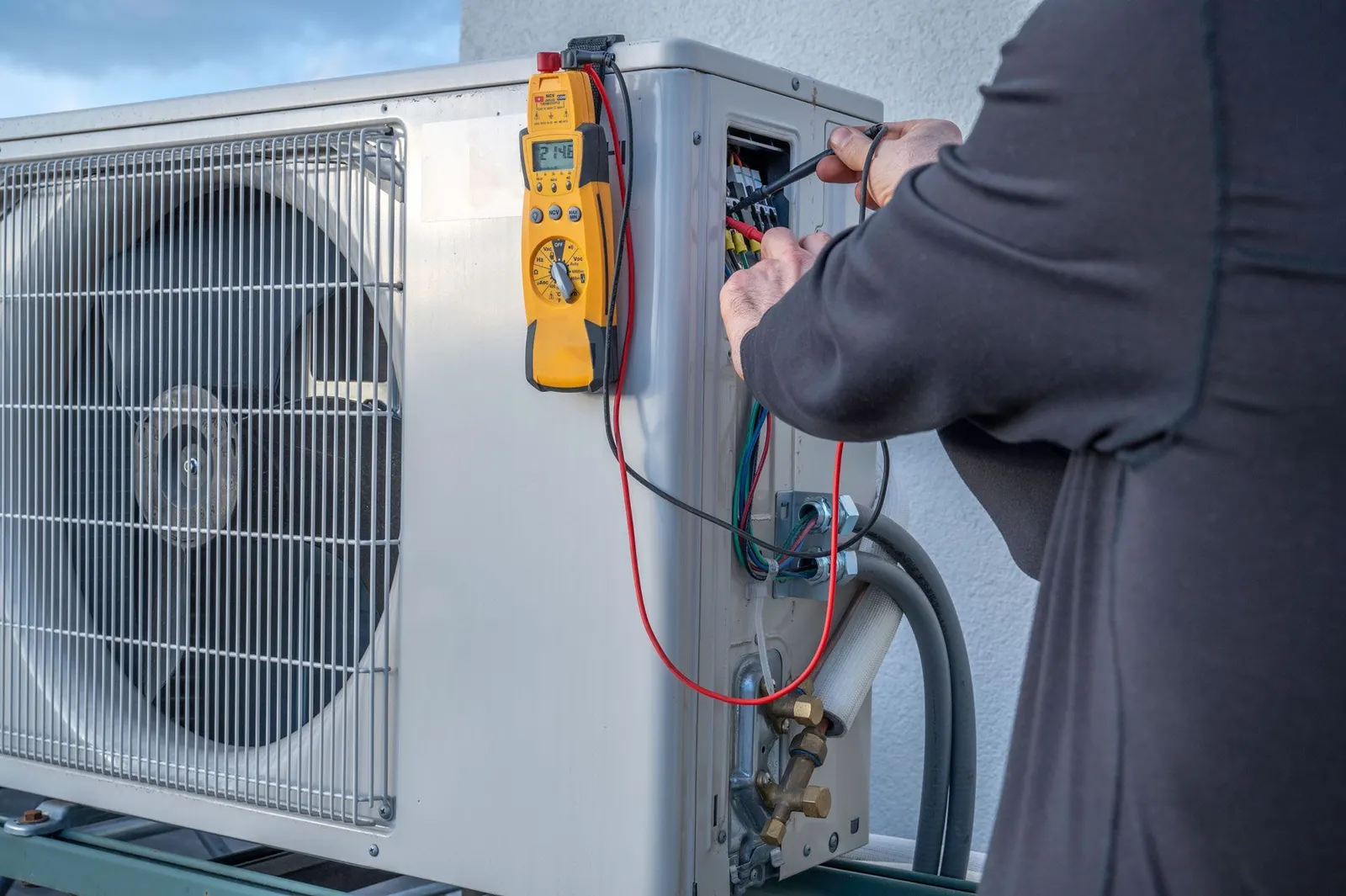
- Schedule a professional tune-up: A licensed technician can check refrigerant levels, test electrical connections, and inspect the reversing valve before the true cold sets in. Preventative care extends the lifespan of the equipment and significantly reduces winter energy consumption.

Leveraging Energy Rebates for Fall Upgrades
If your current setup in your Williamsport MD home is struggling to keep up with the changing seasons, early fall is the ideal time to consider an upgrade. Replacing an inefficient, aging cooling setup with a modern, ductless heat pump system does more than just improve your daily comfort; it can yield substantial long-term energy savings.
Because heat pumps transfer heat rather than generating it from combustible fuels, they are incredibly efficient. This efficiency is highly valued by energy organizations and government programs. As a result, homeowners who upgrade to qualifying high-efficiency heat pumps may be eligible for generic federal tax credits under current national energy initiatives. These programs are designed to offset the initial installation costs and encourage the adoption of greener technology.
Beyond federal incentives, local utility companies often offer their own rebate programs for transitioning to energy-efficient HVAC technology. These utility rebates can sometimes be stacked with federal credits, making a high-efficiency upgrade much more accessible for families living in older homes.
However, navigating these incentive programs requires accurate documentation and ensuring that the specific equipment installed meets strict efficiency ratings. We always advise homeowners to consult with our professional installation team at Comfort Central Inc. A knowledgeable technician can help verify current program eligibility, recommend the exact systems that qualify, and ensure that all installation paperwork is properly documented for your tax professional or utility provider.
Frequently Asked Questions
When should I switch my thermostat from cool to heat?
Our team recommends switching your thermostat when daytime high temperatures consistently stay below 65 degrees. Waiting for a steady drop in temperature prevents your system from short-cycling between heating and cooling modes on the same day. Making a definitive seasonal switch reduces mechanical wear and tear on your equipment's reversing valve.
Can I run my AC during the day and heat at night?
While modern heat pumps and ductless systems are mechanically capable of switching modes, doing so daily puts unnecessary strain on the system. Rapidly alternating between heating and cooling can lead to higher energy consumption and premature part failure. It is better to use natural ventilation during warm afternoons and rely on a moderate heating setting at night during the shoulder season.
How do you maintain a heat pump in the fall?
Maintaining a heat pump in the fall involves clearing away outdoor debris, such as leaves and branches, to ensure the outdoor coil has unrestricted airflow. Indoors, you must clean or replace the air filters to maintain proper circulation. Finally, scheduling a professional inspection ensures the reversing valve and refrigerant levels are ready for winter heating demands.
What is fall HVAC preventative maintenance?
Fall preventative maintenance is a comprehensive inspection and cleaning performed by a professional technician before the winter heating season begins. It involves testing safety controls, cleaning coils, checking electrical connections, and verifying that the system can transition safely into heating mode. This proactive approach catches minor wear and tear before it causes an emergency breakdown on a freezing night.
Are ductless mini-splits effective for heating older homes in the winter?
Yes, modern ductless mini-splits use advanced heat pump technology that is highly effective at heating older homes, even in sub-freezing temperatures. Because they do not rely on leaky ductwork, they deliver warm air directly into the specific zones you want to heat. This makes them an incredibly efficient and comfortable solution for historic properties without traditional central heating.
How do I prepare my ductless system for the first winter freeze?
To prepare your ductless system, start by thoroughly washing the reusable filters in all indoor wall cassettes. Next, ensure the outdoor compressor unit is clear of snow-drift hazards and fall debris. Finally, run the system in heating mode for about 30 minutes on a mild day to verify it produces warm air smoothly before the first actual freeze hits.
Navigating the transition from summer cooling to winter heating doesn't have to be a stressful experience, even in a historic property. By understanding how to manage your thermostat, recognizing the signs of system strain, and staying proactive with maintenance, you can keep your home comfortable year-round. If you are ready to explore efficient upgrades and see if you qualify for energy rebates, reach out to our professionals at Comfort Central Inc. to ensure your heating system is fully prepared for the winter ahead.