
The First Chilly Night: Transitioning Your Ductless System
You rely on your ductless system to keep you cool all summer, but when that first October chill hits, switching over to heat can bring unexpected anxiety if you aren't familiar with basic home maintenance tips and troubleshooting. That sudden drop in evening temperatures prompts many homeowners to swap their climate control from cooling to heating for the very first time in months. Instead of a seamless transition, you might be greeted by a strange burning smell or an odd rattling noise coming from your indoor unit. To ensure your home stays comfortable year-round, exploring professional air conditioning solutions is the best first step.
Many homeowners understand how to air condition a house without ductwork using modern heat pumps, but they often forget that these same devices provide essential winter heating. Because a ductless heat pump uses the exact same indoor air handler to deliver both cold and warm air, the internal components undergo a significant physical shift when the seasons change. The reversing valve engages, changing the flow of refrigerant, and the indoor coil that was ice-cold all summer suddenly becomes piping hot.
This drastic change in temperature is exactly what causes the common anxiety of encountering unexpected smells or noises during a mid-fall October heating startup. When you do not know what to expect, a simple dusty odor can feel like a major emergency. Setting the expectation that certain quirks are completely normal—while knowing exactly when to call for professional help—is the key to a stress-free seasonal transition. Proactive observation during this initial switchover prevents mid-winter no-heat emergencies when you need your system the most.
How Summer Cooling Impacts Your Fall Heating Startup
To understand why your heating system acts a little strangely in October, you have to look back at how it operated in July. Ductless systems sit idle in heating mode during the summer months. While the unit is busy blowing cold air, the specific heating mechanisms are not being utilized. Over the course of the cooling season, normal household dust, pet dander, and airborne particulates naturally settle on the internal heat exchangers and heating elements.
Moisture plays a massive role in this process. As your system cools your home, it also dehumidifies the air. This constant condensation creates a damp, sticky surface on the indoor components. Williamsport's notoriously humid summers cause more airborne particulate matter to adhere to these indoor coils, leading to a much more pronounced dust buildup by the time autumn arrives. For a deeper dive into how these systems handle our unique regional weather, you can review this Mid-Atlantic heat pump efficiency guide.
When you finally switch your thermostat to heat, the transition process begins. The heating element engages for the first time in months, and all of that accumulated, stuck-on debris is suddenly subjected to high temperatures. Understanding this baseline operation is critical for troubleshooting, as it explains exactly where those initial odors come from.
Dust Accumulation on Heat Exchangers
Idle heating components act like a magnet for household dust over several months. Because the indoor unit is constantly pulling air from the room to cool it, microscopic debris bypasses the filter and settles on the damp coils. When the first heating cycle begins, the coil heats up rapidly. This acts as a localized incinerator for the microscopic debris, essentially cooking off the dust that gathered over the summer.
The Role of Summer Humidity
High moisture levels create a binding effect for everyday indoor pollutants. Instead of dust simply blowing through the system, the summer condensation glues it to the metal fins. Proper airflow is temporarily restricted until this burn-off process completes. Once the heat bakes the moisture and dust away, the system returns to its normal, highly efficient operation.
Burning Dust Smells: Normal Burn-Off vs. Safety Hazards
When you turn on your heat for the first time, your nose will likely be the first thing to alert you to a change. Providing clear, actionable guidelines for differentiating between a harmless seasonal quirk and a dangerous electrical or mechanical issue is essential for your safety. Not every bad smell means your system is broken, but ignoring a hazardous odor can lead to serious damage.
The normal burning dust smell is very distinct. It smells similar to a warm, dusty radiator or a space heater that has just been plugged in. This odor is simply the accumulated summer dust incinerating off the coils. It should dissipate completely within 15 to 30 minutes of continuous operation. If you encounter this normal burn-off smell during your mid-fall October heating startup, you simply need to open a window to let the air circulate until the odor clears.
Hazardous odors require an entirely different response. If you smell acrid electrical burning, melting plastic, or a sulfur-like rotten egg scent, you are not experiencing dust burn-off. These smells indicate overheating wires, failing electrical components, or severe mechanical friction. If you detect any of these hazardous scents, you must shut down the system immediately at the thermostat and the breaker. Persistent odors that last beyond the first hour of operation also indicate a deeper issue that requires professional attention, such as a failing motor or a compromised wire casing. If your system requires replacement due to a major electrical failure, you will need to look into professional AC installation in Williamsport.
| Type of Odor | Expected Duration | Primary Cause | Required Action |
|---|---|---|---|
| Warm, dusty radiator smell | 15 to 30 minutes | Summer dust burning off coils | Open a window, allow to run |
| Acrid electrical burning | Persistent | Overheating wires or short circuit | Shut off immediately, call a pro |
| Melting plastic | Persistent | Failing capacitor or wire casing | Shut off immediately, call a pro |
| Musty or moldy scent | Ongoing | Bacterial growth in drain pan | Schedule professional cleaning |

Interpreting Unusual Rattling Noises During Operation
Just as your sense of smell helps you monitor the system, your hearing is an excellent diagnostic tool during the initial heating cycle. Educating yourself on auditory warning signs helps separate harmless thermal expansion from mechanical failure. Because ductless heat pumps are generally whisper-quiet, any new noise can be alarming, especially if you live in the Williamsport MD area and are relying on the system for a sudden cold snap.
When evaluating the sounds coming from your indoor or outdoor unit, follow these observation steps:
- Listen for normal thermal expansion: Slight clicking, gentle whooshing of refrigerant, and minor popping noises are completely normal. As the plastic housing and internal metal coils heat up, they expand at different rates, causing these harmless sounds.
- Identify the rhythm of the noise: A single pop is usually expansion. A continuous, rhythmic sound indicates a moving part is struggling.
- Listen for warning sounds: Loud banging, continuous metal-on-metal grinding, or aggressive rattling are red flags. These sounds do not resolve themselves.
- Take safe action: If you hear grinding or aggressive rattling, turn the unit off. Do not attempt any DIY disassembly, as this can void your warranty and expose you to high-voltage components.
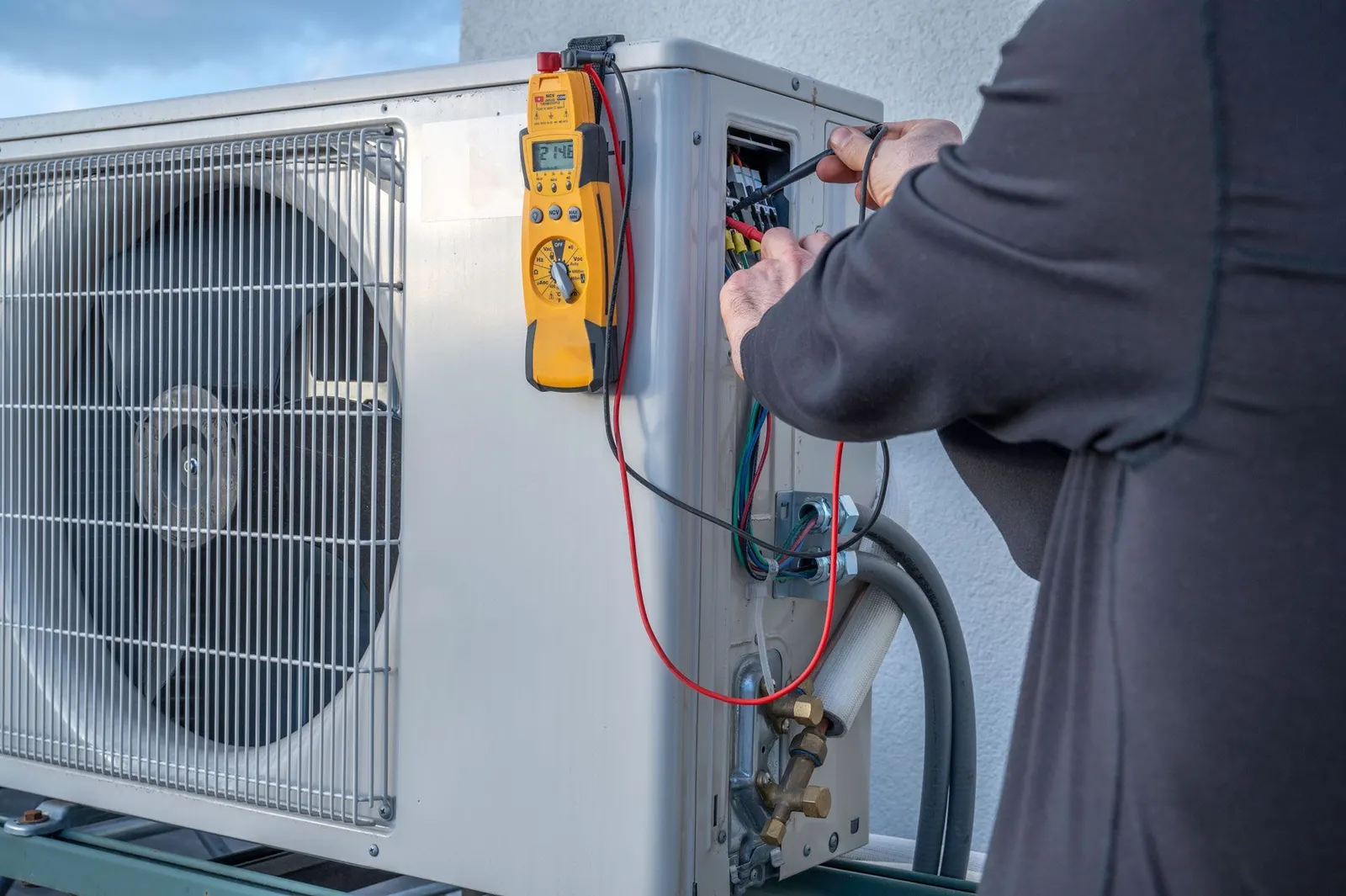
Grinding or aggressive rattling often points to blower motor issues, loose internal mounts, or failing fan bearings. If a bearing is failing, running the system will only cause further damage to the motor. We offer 24/7 availability for homeowners who encounter these alarming mechanical noises late in the evening and need immediate professional reassurance. Attempting to take the unit apart yourself is highly dangerous. Instead, reinforcing the need for professional diagnostics ensures the problem is fixed safely. A thorough AC inspection and testing service will pinpoint exactly which mechanical component is failing.
The Importance of Proactive Fall Maintenance
Transitioning from reactive troubleshooting to proactive care is the best way to protect your home comfort investment. Demonstrating how early testing prevents severe winter breakdowns is a core part of seasonal maintenance. When you wait until the first freezing night in December to turn on your heat, a broken system becomes an immediate emergency. Testing the system early in the fall allows ample time for necessary adjustments before sustained freezing temperatures arrive.
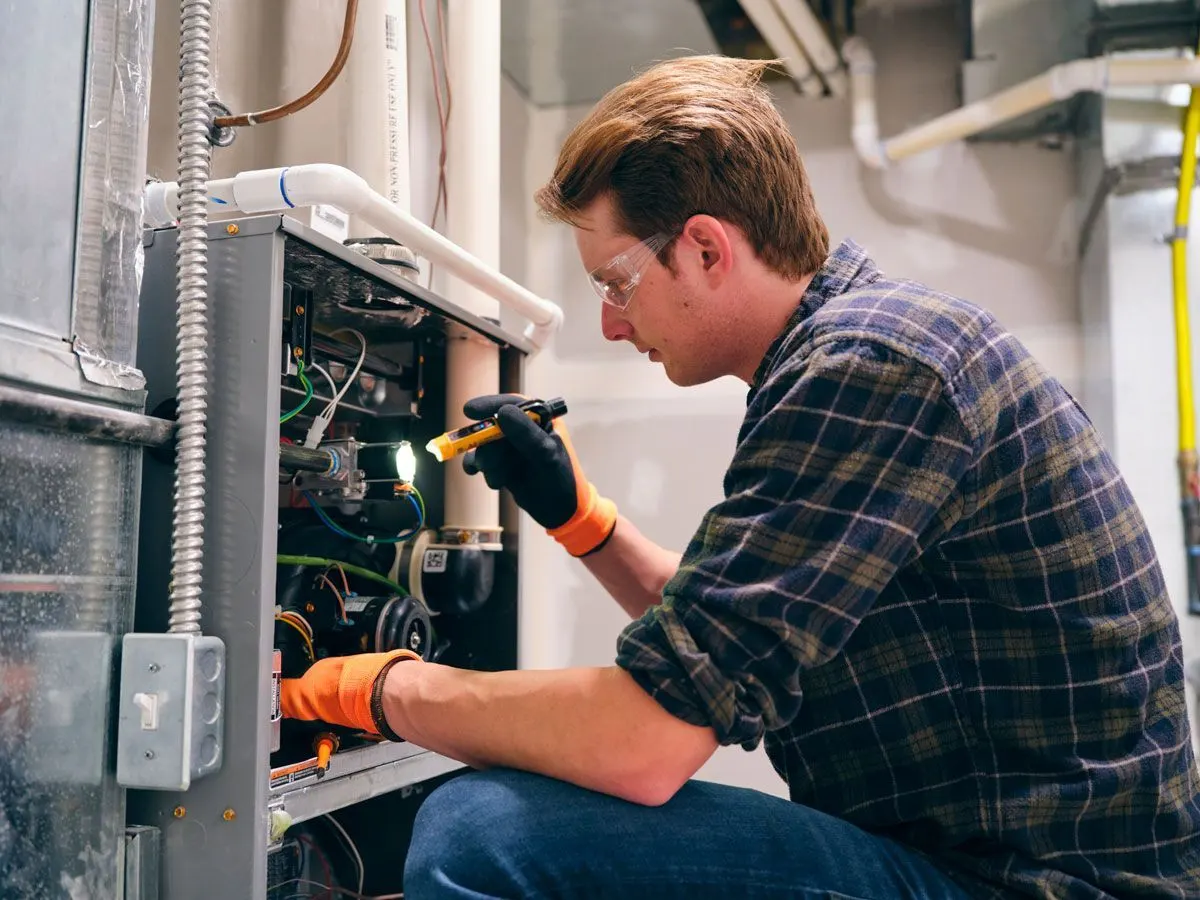
During a professional fall tune-up, a licensed technician performs a comprehensive evaluation of your entire system. Key components checked include:
- Reversing valves: Ensuring the mechanism that switches the unit from cooling to heating is operating smoothly without sticking.
- Refrigerant levels: Verifying the exact charge needed for maximum heat transfer, as low refrigerant forces the compressor to overwork.
- Electrical connections: Tightening loose wires and testing capacitors to prevent sudden electrical failures during heavy winter usage.
- Blower wheels: Cleaning the indoor fan to ensure proper airflow and prevent the motor from burning out.
Honest, thorough assessments of aging equipment provide incredible peace of mind during a mid-fall October heating startup. For example, one local homeowner experienced a sudden loss of heat during a winter cold snap with their three-year-old heat pump. Fortunately, an expert technician quickly traced the problem to a faulty pressure switch wire, resolving the issue promptly. Had this system been thoroughly tested and maintained in the early fall, that specific wire issue could have been identified before the freezing weather hit. Reinforcing that regular maintenance preserves system efficiency and indoor air quality is the smartest approach for any homeowner. Scheduling routine AC maintenance ensures these small electrical and mechanical faults are caught early.
Upgrading Aging Equipment Before Winter Freezes
Sometimes, the smells and noises you encounter during your initial fall startup are not just quirks—they are signs of a system at the end of its lifespan. Addressing the reality that some startup issues indicate a failing system helps you prepare for the future. Educating yourself on the benefits of modern replacements ensures you do not throw good money into failing equipment.
There are clear signs that an older ductless system may be beyond repair. Watch for these indicators: frequent breakdowns requiring multiple service calls, excessive noise that cannot be fixed with a simple tune-up, and poor heat output even when the thermostat is set high. If your system in the Williamsport MD area struggles to maintain a comfortable temperature during a mild fall evening, it will likely fail completely when the deep winter freezes arrive.
The energy efficiency benefits of upgrading to modern, high-efficiency heat pump models are substantial. Newer systems utilize variable-speed compressors that adjust their output in tiny increments, providing exact temperature control while drastically reducing electricity usage. Because these systems are so efficient, federal tax credits and local utility rebates may apply to qualifying high-efficiency installations. These generic energy incentives can help offset the initial investment of replacing a failing unit. We advise all readers to consult with a professional to evaluate their current system's viability and explore what modern upgrades make the most sense for their specific home layout.
Frequently Asked Questions About Fall Heating Transitions
Is it normal for a heater to smell like burning dust?
Yes, it is entirely normal for a heater to smell like burning dust during the first few uses of the season. This happens because dust and airborne particles settle on the heating elements during the idle summer months. When the heat turns on, this accumulated debris safely burns off. The smell should resemble a warm, dusty radiator rather than melting plastic.
How long should a heater smell when first turned on for the winter?
A normal dust burn-off smell should dissipate within 15 to 30 minutes of continuous operation. Opening a window can help clear the odor from your living space more quickly. If the smell persists for more than an hour, or if it changes to an electrical burning scent, you should turn the system off and contact a professional.
Why is my heating system making a rattling noise?
A rattling noise usually indicates a mechanical issue, such as a loose internal mount, an unbalanced blower wheel, or failing motor bearings. While slight clicking from thermal expansion is normal, aggressive rattling is a warning sign of friction. You should shut the system down to prevent further damage and have a technician inspect the unit.
What does an electrical burning smell indicate?
An electrical burning smell indicates a serious safety hazard, such as overheating wires, a failing capacitor, or a short circuit within the system. This odor is sharp, acrid, and often resembles melting plastic or fish. You must immediately turn off the heating system at the thermostat and the breaker to prevent electrical fires, and call a licensed HVAC technician.
How can I prepare my ductless system for the transition to winter heating?
You can prepare your system by cleaning or replacing the indoor air filters, clearing any debris away from the outdoor unit, and scheduling a professional fall tune-up. A technician will test the reversing valve, check refrigerant levels, and inspect electrical connections. Testing the system on a mild fall evening before the deep cold arrives is the best way to ensure it operates safely during a mid-fall October heating startup.
Ensure a Safe, Warm Winter with Professional Support
Monitoring your system during its first heating cycle is the easiest way to catch minor issues before they become major winter headaches. While a brief dust burn-off smell and minor clicking sounds are completely normal, persistent electrical odors or aggressive grinding noises warrant immediate expert attention. Ignoring these warning signs can leave your home in the Williamsport MD area without heat when temperatures drop below freezing.
We encourage you to schedule a professional evaluation to guarantee a comfortable and safe winter season. Whether you need a simple tune-up to clear out summer dust or a thorough assessment of an aging unit, having a licensed expert examine your equipment provides true peace of mind. By following these essential home maintenance tips and troubleshooting guidelines, you can confidently switch your system to heat and enjoy a warm, cozy home all winter long.