
The Challenge of Cooling Older Homes Without Ductwork
You love the historical charm of your house, but when the humidity spikes and the walls trap the heat, you are likely searching for home maintenance tips and troubleshooting just to stay comfortable. Here at Comfort Central Inc., our team has helped countless homeowners in Williamsport MD navigate the challenges of living in a beautiful historic property that was simply never built for modern ductwork. With hot and humid summers making reliable cooling a necessity rather than a luxury, you face a tough decision: do you tear open your vintage plaster walls to retrofit bulky ducts, or do you explore modern ductless alternatives?
For comprehensive guidance on upgrading your home's climate control, explore our air conditioning solutions.
Older homes were designed for a different era of ventilation. They rely on cross-breezes, high ceilings, and thick masonry to manage temperatures. While these architectural features are stunning, they fall short when the modern summer heat settles in. The core problem is infrastructure. Traditional central air conditioning requires a complex network of large metal ducts to push conditioned air into every room and pull warm air back to the central unit.
If your home currently relies on radiators, baseboard heaters, or a gravity furnace, those essential pathways do not exist. Homeowners are then forced to choose between undergoing major, highly invasive renovations to add ductwork or finding a more elegant solution. Fortunately, ductless technology has evolved to become the least invasive and most efficient path forward for historic properties, allowing you to preserve your home's character while enjoying modern comfort.
Why Retrofitting Ductwork is Often Impractical
The problem: Trying to force a traditional ducted system into a home that was never designed for it is like trying to fit a square peg into a round hole. It is technically possible, but the process is highly disruptive and often leads to compromised results.
The cause: Retrofitting requires space that simply isn't there. To hide the bulky metal trunks, contractors must cut into pristine plaster walls, lower your historic ceilings, or sacrifice valuable closet space. The structural disruptions are severe. Furthermore, because the ductwork must navigate around existing beams and tight corners, our installers frequently see that the final duct design is often far from optimal. This leads to restricted airflow, uneven cooling, and a system that has to work twice as hard just to push air to the second floor.
The solution: For many older properties, the sheer cost, mess, and architectural damage of retrofitting far outweigh the benefits. This is where exploring alternative AC installation and replacement options becomes vital. As a local Williamsport family-owned business, Comfort Central Inc. believes in honesty over upselling. Providing objective, pressure-free comparisons between retrofitting and going ductless helps our neighbors make the right choice for their specific property without feeling rushed into a massive renovation.
The Hidden Costs of Structural Modifications
- Unexpected expenses: Opening up old walls often reveals surprises, from outdated knob-and-tube wiring to hidden moisture damage, which must be brought up to code before the HVAC work can continue.
- Specialized repairs: Patching modern drywall is easy; repairing historic lath and plaster, custom millwork, and vintage trim requires specialized, expensive craftsmen.
- Extended timelines: What might be a three-day install in a modern home can easily turn into a weeks-long construction project in a historic property due to these structural hurdles.
Ductless Mini-Splits: The Ultimate Solution for Older Homes
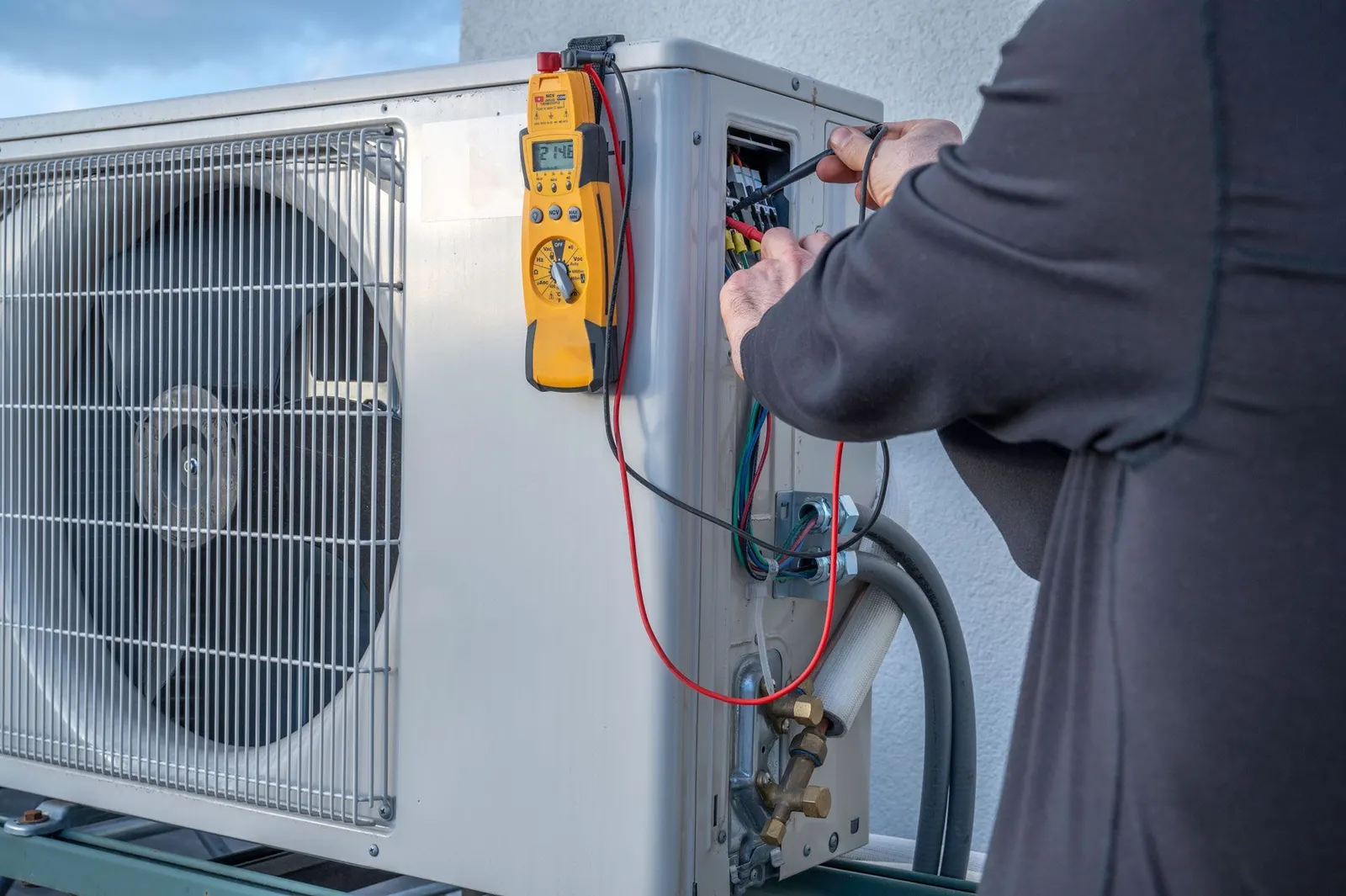
If retrofitting is off the table, ductless mini-splits represent the premier alternative to traditional central air. A ductless system operates on the same basic refrigeration cycle as a standard air conditioner, but it delivers the cooling directly to the room without using ducts. The system consists of two main components: an outdoor compressor unit and one or more indoor air handling units. These components are connected by a small conduit containing the power cable, refrigerant tubing, and a condensate drain.
The installation process is remarkably non-invasive. Instead of tearing out ceilings, the technicians only need to drill a small hole—typically about three inches in diameter—through the exterior wall to connect the indoor and outdoor units. This preserves the architectural integrity of your home while delivering highly efficient cooling. Because they avoid the energy losses associated with leaky ductwork, mini-splits are incredibly efficient, a topic we cover deeply in our guide to mid-atlantic heat pump efficiency. This efficiency is especially noticeable during the unpredictable early fall transition in Maryland, where energy demands fluctuate wildly.
How Zoned Cooling Maximizes Comfort
- Independent temperature control: Each indoor air handler has its own thermostat. This means you can keep the master bedroom at a crisp temperature for sleeping while leaving the unoccupied guest room warmer.
- Eliminating hot and cold spots: Multi-story older homes are notorious for having a sweltering second floor and a freezing first floor. Zoned cooling allows you to put the cooling power exactly where it is needed, balancing the whole house.
- Significant energy savings: By only conditioning the spaces you are actively using, you stop paying to cool empty rooms, leading to a much more efficient household.
Managing the Early Fall Transition Without Central Air
The unique seasonal challenge: In our years servicing Maryland homes, we've found that cooling a historic property isn't just about surviving July; it is about managing the unpredictable early fall transition. September often brings a frustrating weather pattern where daytime highs push into the 80s, demanding robust cooling, while nighttime lows drop sharply into the 50s, requiring heat.
The ductless advantage: Most modern ductless mini-splits are actually heat pumps. This means they have a reversing valve that allows them to extract heat from the outside air and pump it indoors when the temperature drops. A single, non-invasive system provides both your summer cooling and your early fall heating.
Contrast this with temporary solutions like window AC units. When the cool September nights arrive, window units must either be physically removed from the window—a heavy, awkward chore—or left in place, which allows cold drafts to leak into the home. Furthermore, traditional oversized heating systems often suffer from short-cycling during this transition. Because they are designed for deep winter freezes, they turn on, blast the house with heat, and immediately shut off, causing wear and tear. A ductless system utilizes variable-speed inverter technology, allowing it to smoothly ramp up and down, handling frequent mode switching without the short-cycling issues that plague older furnaces.
Comparing Temporary vs. Permanent Ductless Cooling Options
When homeowners in Williamsport MD realize their house lacks ductwork, the immediate reaction is often to purchase window units or portable air conditioners as a stopgap measure. While these temporary solutions can provide immediate relief in a single room, they come with significant long-term drawbacks compared to a permanent ductless installation.
Window units pose a major security risk, especially on the ground floor, as they can be easily pushed inward by intruders. They also block natural light, obscure the view from your historic windows, and operate with a loud, disruptive hum. Portable units, while slightly more secure, take up valuable floor space, require a bulky exhaust hose to be vented out a window, and struggle to control indoor air quality effectively.
| Feature | Window AC Units | Portable AC Units | Ductless Mini-Splits |
|---|---|---|---|
| Installation | Heavy lifting, blocks window use | Takes up floor space, blocks window | Permanent, wall or ceiling mounted |
| Security Risk | High (vulnerable to break-ins) | Moderate (exhaust hose requires open window) | None (only a 3-inch hole in the wall) |
| Noise Level | Loud (compressor is in the window) | Loud (compressor is inside the room) | Whisper-quiet (compressor is outside) |
| Efficiency | Poor to average | Very poor | Extremely high |
| Year-Round Use | Cooling only (must be removed in winter) | Cooling only | Provides both cooling and heating |
Ductless mini-splits represent a permanent, secure investment that adds tangible long-term value to your property. They operate quietly, preserve your view, and offer superior control over your indoor climate.

Planning Your Ductless System Installation
Installing a ductless system in a unique or older home requires careful planning and professional execution. Unlike buying a window unit at a hardware store, a permanent system must be tailored to the specific thermal dynamics of your property.
- Professional load calculations: The first step is ensuring proper sizing. A professional technician will calculate the exact heating and cooling load of your home, accounting for the lack of modern insulation, the type of historic windows, and the square footage. Oversizing a unit leads to short-cycling, while undersizing means it will never keep up with the heat.
- Selecting indoor unit placement: You have options beyond the standard high-wall mount. Depending on your home's aesthetics, you might choose floor-mounted units that resemble traditional radiators, or ceiling cassettes that sit flush with the plaster.
- Scheduling the installation: The typical installation timeline is remarkably fast, often completed in just one or two days, with minimal disruption to your daily life. One Williamsport customer recently reached out to replace their aging central AC unit; our Comfort Central Inc. team provided a competitive quote and installed the new system with a professional crew who prioritized a clean, efficient workspace. We bring that exact same level of professional care and respect to every ductless installation we perform in historic properties.
- Exploring incentives: Generic energy rebates or federal tax credits may apply to high-efficiency heat pump installations. We advise readers to verify current programs with their utility provider or a tax professional to maximize their investment.
Accommodating Unusual Architectural Layouts
- Discreet line routing: Professional installers know how to route refrigerant lines behind downspouts or through hidden chases to maintain the home's exterior curb appeal.
- Handling thick construction: Specialized tools and techniques are used to drill cleanly through thick plaster walls, solid brick, or stone without causing structural cracking.
- Ensuring proper drainage: In older homes where gravity drains are difficult to achieve, condensate pumps can be discreetly installed to remove moisture effectively.
If you are ready to explore these options, learning more about professional AC installation in Williamsport is the perfect next step.
Fall Maintenance for Ductless Cooling and Heating Systems
The transition stress: Once your ductless system is installed, maintaining it properly is key to longevity, particularly during seasonal transitions. It is a common misconception that because a heat pump handles both cooling and heating, it requires less maintenance. In reality, it works year-round. In our experience performing fall tune-ups throughout the Williamsport area, we often see that heavy summer wear-and-tear on your coils can reduce efficiency just as the system needs to switch to heating during the early fall transition. Dirty coils limit heat transfer, forcing the compressor to work harder and increasing your energy bills.
Indoor air quality: As the weather cools and houses are sealed tight against the autumn chill, indoor air quality can drop significantly. Ductless systems use reusable indoor filters that trap dust, pet dander, and allergens. Cleaning these filters every few weeks is a simple but critical task to maintain clean air circulation and prevent the system from suffocating.
Outdoor unit care: Fall also brings falling leaves, twigs, and debris. It is essential to clear this debris away from the outdoor compressor unit. The unit needs clear airflow on all sides to function efficiently. Check the area after severe autumn storms to ensure nothing has lodged in the fan blades.
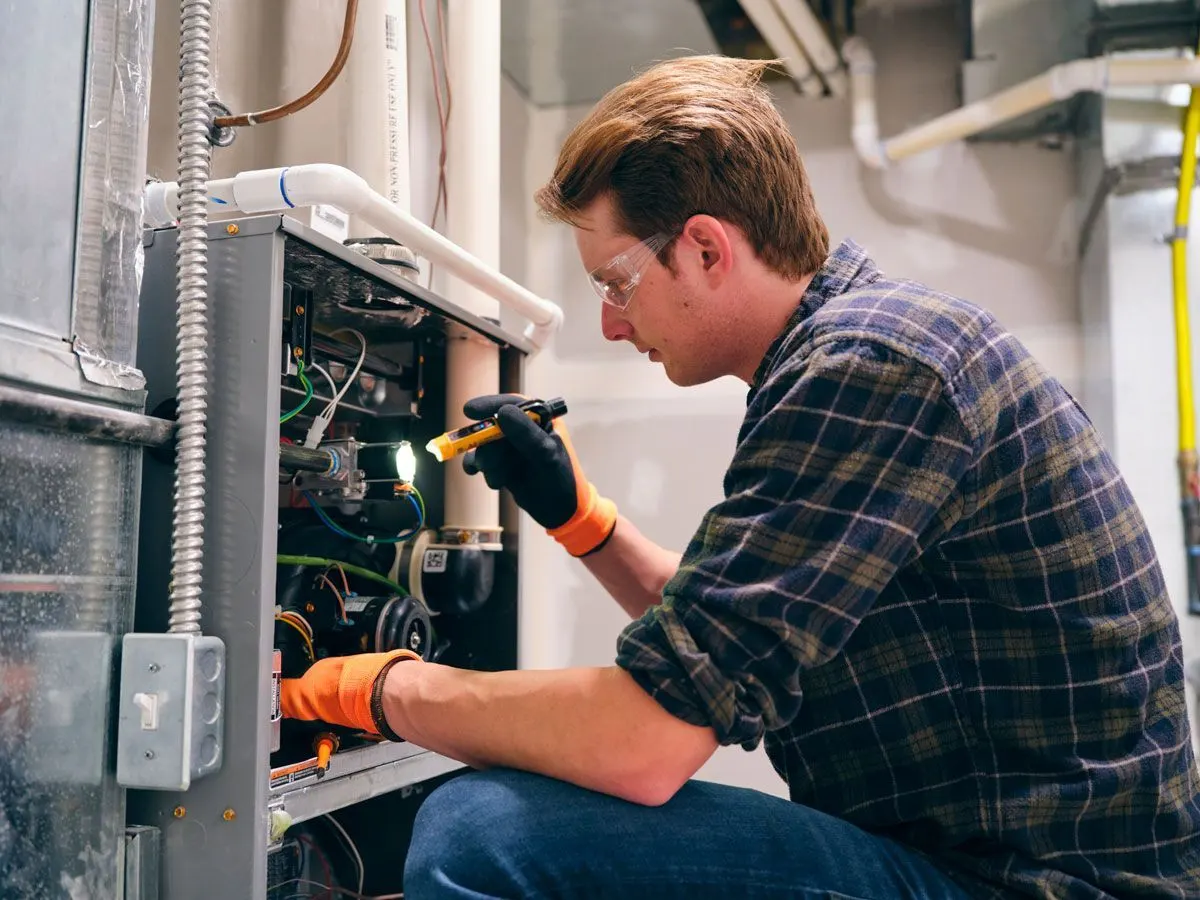
Knowing your boundaries: While cleaning filters and clearing leaves are great DIY tasks, there are strict boundaries for homeowner maintenance. If your system is making strange noises, failing to switch from cooling to heating, or showing error codes, you need a licensed professional. Electrical and refrigerant troubleshooting are never DIY projects. Proactive care, like scheduling a comprehensive AC inspection and testing with our team before the first hard freeze, ensures your system transitions smoothly into winter mode.
Find the Right Cooling Solution for Your Home
Living in a stunning older home in Williamsport MD does not mean you have to sacrifice modern comfort or suffer through sweltering summers. While retrofitting traditional ductwork is often too destructive and impractical, ductless mini-splits offer a perfect, elegant bridge. They provide powerful, zoned cooling during the hottest days and seamlessly transition to efficient heating when the crisp fall weather arrives.
Every historic home is unique, and finding the right climate control strategy requires a tailored approach. We encourage you to explore your options with a professional who understands the nuances of older architectures. Take the time to evaluate your home's specific needs, and reach out to the experts at Comfort Central Inc. to learn more about pressure-free installation and replacement options that will keep your family comfortable in every season.
Frequently Asked Questions
What should I check before turning my heat on for the winter?
Before the first freeze, always check your air filters and ensure all vents or indoor air handlers are unobstructed. You should also clear any fallen leaves or debris away from your outdoor heat pump unit. Finally, test the system on a mild day to ensure it switches into heating mode properly without unusual noises or smells.
Why is my heat pump short cycling in the fall?
Short cycling in the fall often occurs because the system is oversized for the mild temperature demands, or because dirty filters are restricting airflow. During the transition season, the system reaches the target temperature too quickly and shuts off, only to turn right back on. A professional can determine if a dirty coil or a refrigerant issue is causing the system to overwork.
How do I troubleshoot my home heating system?
Start with the basics: verify the thermostat is set to "heat," check that the circuit breaker hasn't tripped, and clean or replace the air filter. If the system still fails to produce warm air, do not attempt to open the unit yourself. Electrical components and refrigerant lines require a licensed HVAC technician to diagnose safely.
What is routine maintenance on a heat pump in the fall?
Routine fall maintenance includes cleaning the indoor reusable filters, washing the outdoor coils to remove summer dirt buildup, and checking the condensate drain line for clogs. A professional tune-up will also involve testing the reversing valve, measuring electrical draw, and verifying the refrigerant charge before winter hits.
Why is my HVAC system running constantly in September?
In September, warm days and cool nights force your system to adapt constantly, but if it never shuts off, it may be struggling with restricted airflow from a clogged filter. It could also indicate that the outdoor coils are heavily soiled from summer use, preventing efficient heat transfer. If cleaning the filter doesn't help, a professional inspection is needed.
Are ductless mini-splits effective for whole-house cooling in older homes?
Yes, ductless mini-splits are highly effective for whole-house cooling when properly sized and configured. By installing multiple indoor air handlers connected to a single outdoor compressor, you can create a multi-zone system that cools every floor evenly. This eliminates the hot and cold spots common in older, multi-story properties.
How long does it take to install a ductless AC system without ductwork?
A standard ductless installation is typically completed in just one to two days. Because there is no need to tear open walls or ceilings to run bulky ductwork, the process is incredibly fast and minimally invasive. The timeline only extends if you are installing a highly complex, multi-zone system across a very large historic property.