
Why Does My Heater Smell Like Burning Dust on the First Chilly Night?
Are you wondering if your heating system is actually in danger, or if that alarming odor is just a temporary nuisance? At Comfort Central Inc., we know that getting common homeowner questions answered is critical when you flip the thermostat to "heat" and immediately smell smoke. For many residents, the arrival of the October first frost means turning off the cooling equipment and firing up the furnace for the first time in months. Almost instantly, a distinct burning odor fills the hallways, prompting immediate panic and a rush to check the vents.
To understand why this happens, you have to look at what your heating equipment has been doing all summer: absolutely nothing. While your air conditioning systems were working overtime to keep your home comfortable, the furnace or air handler was sitting dormant. Over those long months of inactivity, household dust, pet dander, and airborne particles naturally settled on the internal components, particularly the heat exchanger and the burners.
The Mechanics of the Fall Startup Odor
When the system finally ignites on those initial chilly nights, the heat exchanger rapidly warms up. The layer of dust that has accumulated acts like a thin blanket over the metal. As the surface temperature spikes, that organic debris instantly incinerates. The blower motor then pushes the resulting smell through your ductwork and into every room of the house.
The core decision point for any homeowner is distinguishing between this harmless seasonal dust burn-off and a genuine electrical hazard. While our technicians will assure you that a brief odor is a standard part of the seasonal transition, understanding how these early stress points affect your equipment is key. The amount of dust your system has to burn through doesn't just dictate how bad your house smells—it directly connects to the overall longevity and efficiency of your HVAC system.
The 15-to-30-Minute Rule: Identifying Normal Seasonal Dust Burn-Off
Because that initial smell can be so intense, it is easy to assume the worst. However, our team recommends a very specific timeframe you can use to gauge whether your heating system is operating normally or if it requires immediate professional intervention. A normal dust burn-off smell should dissipate entirely within 15 to 30 minutes of the first heating cycle.
During the summer months, the internal components of your furnace are completely cold. Dust naturally settles in every crevice. When the October first frost hits and the burners ignite, the temperatures inside the combustion chamber soar. The burning smell is simply the physical elimination of that settled debris.
How to Safely Monitor Your System
Rather than immediately panicking, you can take a methodical approach to the first startup of the season. We advise following these steps to monitor your equipment safely:
- Prepare the home: Before turning the thermostat to "heat," open a few windows to allow for proper ventilation. This gives the resulting odor an easy escape route.
- Set a timer: Note the exact time the system kicks on. The 15-to-30-minute window begins the moment you hear the blower motor engage and feel warm air at the registers.
- Observe the vents: You should smell the odor, but you should never see visible smoke coming from your registers. Visible smoke is an immediate red flag.
- Check the airflow: Ensure the air coming out is actually warm. If the system is blowing cold air while producing a burning smell, a mechanical component may be struggling.
- Reassess at the 30-minute mark: By the time half an hour has passed, the smell should be noticeably fading or completely gone. If the odor is getting stronger, it is time to take further action.
Monitoring the system closely during this initial window allows the harmless dust to clear out naturally while keeping you alert to any genuine signs of trouble.

Electrical and Plastic Odors: Signs of Genuine HVAC Trouble
While the smell of burning dust is generally harmless, there are specific odors that should never be ignored. Contrasting the smell of incinerated dust with the sharp, acrid odors of melting plastic or burning electrical wires is a critical safety skill for any homeowner.
Burning dust smells somewhat like a toaster that has been left on too long—dry, earthy, and slightly singed. An electrical fire, on the other hand, produces a harsh, chemical scent. It often smells like ozone, melting rubber, or burning fish. If you detect these chemical odors, the 15-to-30-minute rule no longer applies.
Immediate Steps for Electrical Odors
If you smell melting plastic or burning wires, take immediate action to protect your home. First, turn off the system directly at the thermostat. Next, locate your home's main electrical panel and flip the breaker dedicated to the HVAC system to the "off" position. This completely severs the power supply and stops the overheating component from causing further damage.
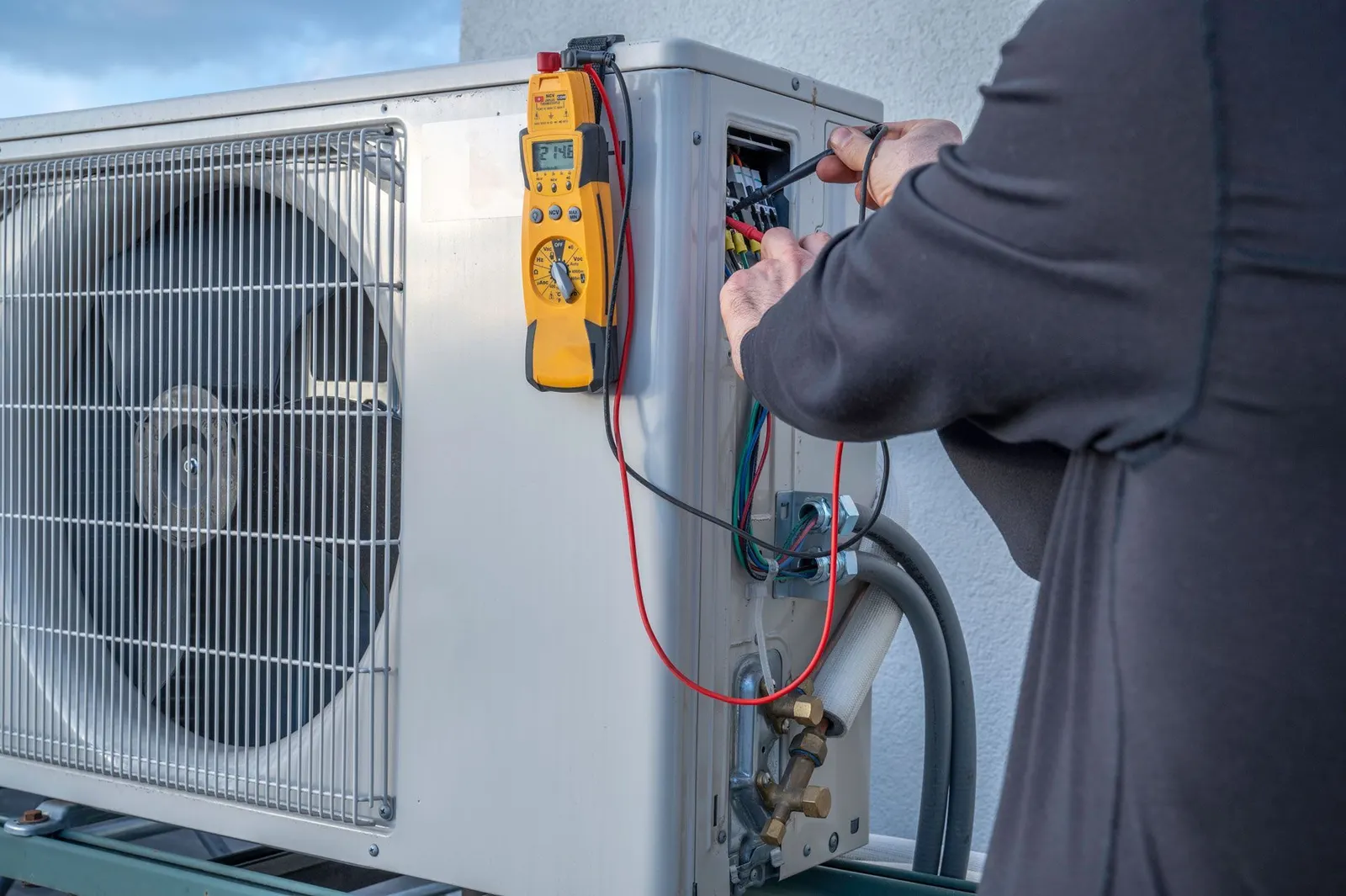
Once the system is safely powered down, true electrical failures require professional diagnostics. Just as you would rely on professional AC inspection and testing to find a hidden refrigerant leak in the summer, you need our experts to trace an electrical short in the winter.
| Odor Characteristic | Likely Cause | Required Action |
|---|---|---|
| Dry, dusty, earthy smell | Normal dust burn-off on heat exchanger | Monitor for 15-30 minutes; ventilate home |
| Sharp, chemical, or ozone smell | Overheating electrical wires or failing motor | Shut off at thermostat and breaker immediately |
| Melting plastic or rubber | Failing capacitor or wire touching a hot surface | Shut off power; call for professional diagnostics |
| Rotten egg or sulfur smell | Natural gas leak | Evacuate home immediately and call gas company |
At Comfort Central Inc., we pride ourselves on honest diagnostics. If your system is producing an electrical smell, our trustworthy technicians will identify the exact failing component—such as a wire resting against a hot surface or a failing blower motor capacitor. We will help you safely resolve the specific issue without using a temporary burning smell as a scare tactic to force an unnecessary emergency replacement.
How Long Does an HVAC System Last When Pushed to the Limit?
The burning smell at startup is just one symptom of the larger physical toll that seasonal transitions take on your equipment. This naturally leads to one of the most frequent questions homeowners ask: how many years should these systems actually survive?
Under ideal conditions, baseline lifespan expectations are relatively straightforward. A well-maintained gas furnace typically lasts 15 to 20 years. Heat pumps and central cooling units, because they are exposed to outdoor elements, average 10 to 15 years. However, these numbers assume the equipment operates under normal, healthy conditions. When a system is pushed to its absolute limit year after year, those lifespans shrink dramatically.
The Hidden Cost of Thermal Stress
Skipping fall maintenance does more than just cause a bad smell in October. When excessive dust is allowed to coat the heat exchanger, it acts as a highly effective layer of insulation. The heat exchanger's job is to transfer warmth into the air blowing through your ducts. If it is insulated by dirt, the metal retains that heat instead of releasing it.
This forces the system to work harder and run significantly hotter than it was designed to. Chronic overheating causes the metal of the heat exchanger to expand and contract violently, eventually leading to microscopic cracks. This type of severe wear and tear accelerates the aging process, turning a 20-year furnace into a 12-year furnace.
In our years serving Williamsport MD and the greater Washington County area, our team often sees premature system failure simply because the equipment was starved for airflow. When we conduct honest evaluations of aging, struggling systems, we frequently uncover simple airflow restrictions. Correcting these issues early can extend the life of the unit, safely delaying the significant investment of full AC installation and replacement or complete heating overhauls.
Why Western Maryland's Climate Demands Proactive System Care
System wear and tear does not happen in a vacuum; it is heavily influenced by regional weather patterns. As local HVAC professionals, we see firsthand how the distinct four-season climate in western Maryland means that your HVAC equipment rarely gets a prolonged break. The transition from heavy, daily cooling use in the summer to heavy, daily heating use in the winter creates continuous operational stress.
With Williamsport's distinct hot, humid summers, we know the furnace sits completely idle for over six months. During this half-year hibernation, the indoor blower is still moving air for the cooling cycle, which means dust is constantly circulating past the dormant heating components. By the time October arrives, the accumulation is significant, making the initial startup particularly stressful on the equipment.
Breaking the Cycle of Neglect
Just as routine AC maintenance and tune-ups are critical in the spring to prepare for the humidity, fall heating tune-ups are essential before the first major freeze hits Washington County. The extreme temperature swings of the region mean your system needs to be ready to perform flawlessly at a moment's notice.
Proactive care addresses the regional climate challenges head-on. A technician physically removes the settled dust from the burners and heat exchanger before the system is ever turned on for the season. This prevents the alarming burning smell entirely and ensures the unit isn't fighting against a blanket of insulating dirt on the coldest nights of the year.
The Connection Between Fall Maintenance and Maximum Equipment Life
Solving the immediate problem of a smelly startup and answering the long-term question of system longevity both point to the exact same solution: preventive maintenance. The way you treat the system during the transition seasons dictates how it will perform during the extreme seasons.
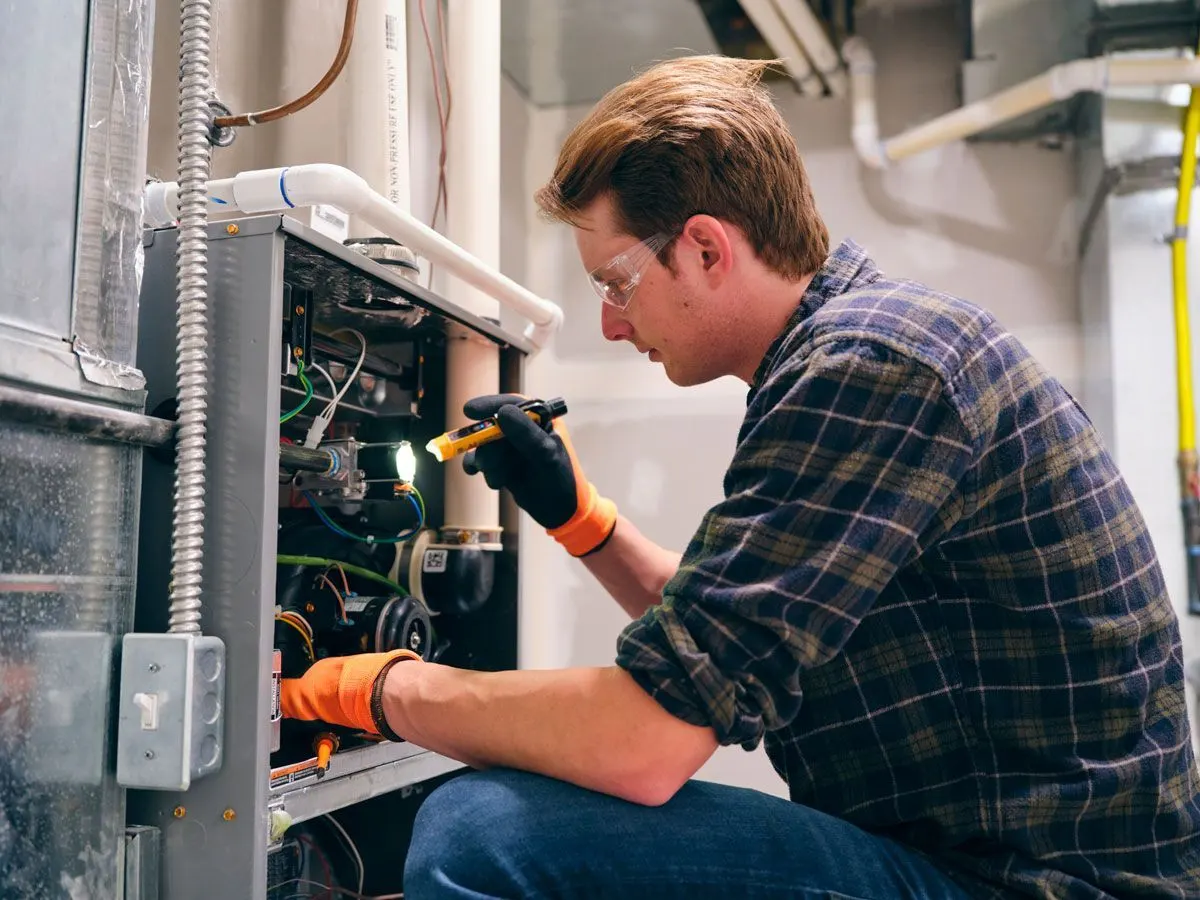
A professional fall maintenance visit is not just a quick visual inspection. It is a comprehensive reset of the system's mechanical and electrical baselines. When our technicians service your heating equipment, they are actively reversing the wear and tear accumulated over the previous year.
Translating Cleanliness into Longevity
To understand how this extends the life of your system, consider exactly what a professional fall maintenance visit entails:
- Cleaning the heat exchanger: Removing the dust buildup prevents the metal from overheating, expanding, and cracking, which is the leading cause of premature furnace death.
- Testing electrical connections: Tightening loose wires and checking voltage prevents the electrical shorts that cause melting plastic odors.
- Calibrating the thermostat: Ensuring the system cycles on and off correctly prevents short-cycling, which wears out the blower motor prematurely.
- Replacing air filters: Restoring proper airflow ensures the system doesn't have to strain to pull air through the return vents.
- Inspecting the safety controls: Testing the high-limit switch ensures the system will automatically shut down if it ever does begin to overheat.
A clean system operates at peak efficiency, lowering your monthly energy costs while preventing unexpected breakdowns. The parallels to the cooling season are striking. Neglected maintenance and poor airflow are often the exact root causes of why your AC cools then stops cooling in the middle of July. Investing in seasonal check-ups is the single most effective way to ensure an HVAC system reaches the upper end of its expected lifespan.
Frequently Asked Questions About HVAC Lifespans and Fall Startups
Why does my heater smell like burning dust?
Dust, pet dander, and airborne debris naturally settle on the heat exchanger during the long months of summer inactivity. When you turn the system on for the first time in the fall, the heat exchanger rapidly warms up, causing that settled dust to incinerate and produce a distinct burning odor.
How long does the burning smell last when you turn on the heater?
A normal dust burn-off smell should dissipate within 15 to 30 minutes of the initial startup. If the odor lasts longer than an hour, or if it suddenly grows stronger, you should shut the system down at the thermostat and call a professional to investigate.
Is it normal for a furnace to smell like burning when first turned on?
Yes, a faint burning dust smell is entirely normal for the first use of the heating season. However, acrid, chemical, plastic, or electrical burning smells are never normal and indicate a serious mechanical or electrical failure that requires immediate attention.
When should I worry about a burning smell from my heater?
You should worry if the smell resembles melting plastic, ozone, or burning wires, as these indicate an electrical hazard. You should also be concerned if you see visible smoke coming from your vents, or if the standard dusty smell persists well beyond the initial 30-minute burn-off window.
How does seasonal maintenance affect my HVAC system's lifespan?
Regular cleaning prevents the dust buildup that acts as insulation and causes the system to overheat. Proactive care reduces thermal stress on internal components, which can easily extend a system's functional life by 5 to 10 years compared to a completely neglected unit.
Navigate Fall HVAC Startups with Confidence and Honest Diagnostics
Turning on your heating system for the first time shouldn't be a source of anxiety. If you notice a brief burning dust smell on that first chilly evening, you can rest assured that it is typically a normal part of the seasonal transition. Knowing exactly what to listen and smell for—and applying the 15-to-30-minute rule—protects both your home's safety and your equipment's long-term lifespan.
However, you don't have to deal with the stress or the smell at all. By relying on the Comfort Central Inc. team for honest diagnostics and proactive care, you can ensure your system is completely clean and calibrated before the weather turns cold. Exploring professional maintenance options removes the guesswork, clearing out the summer dust and setting your system up for a safe, efficient, and odor-free winter.