
Facing the Fall Chill With an Aging Heating System
Your aging furnace is firing up, but making sense of all the options comparisons for homeowners can feel overwhelming when the house still feels stubbornly cold. That strange rattling noise from your utility closet is not going away on its own, and the mid-fall October temperature drops are already pushing your equipment to its limits. When a heating unit struggles to maintain a comfortable indoor climate during the relatively mild days of autumn, it is a glaring warning sign that the system may not survive the deep freezes that lie ahead.
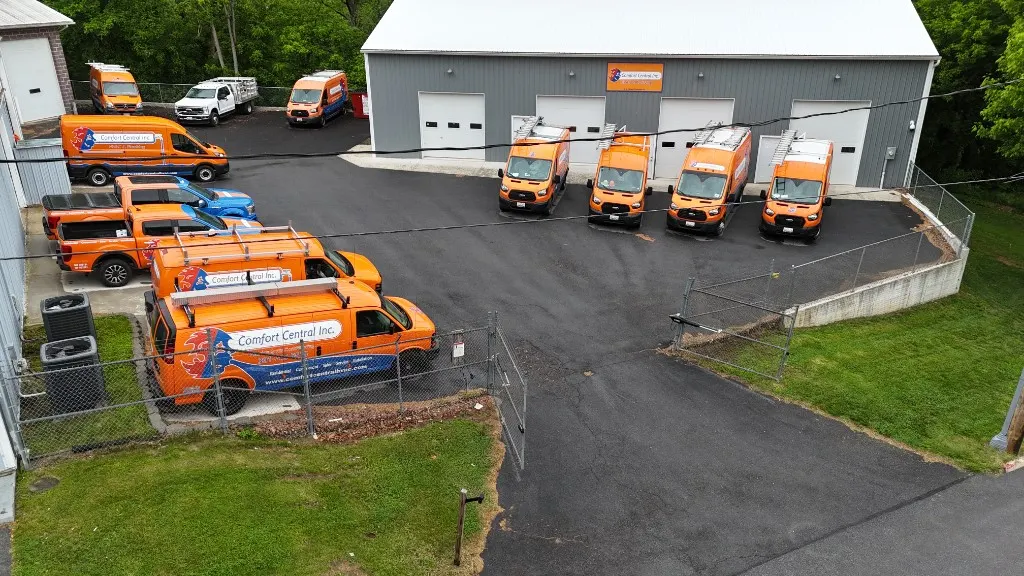
As the seasons change, our team at Comfort Central Inc. frequently sees homeowners facing a critical decision point: figuring out if your current system has finally reached the end of its functional lifespan, and selecting the most reliable replacement before emergency strikes. Navigating this choice requires looking at your home's entire climate control setup holistically. For example, we often recommend planning for AC installation and replacement alongside your heating upgrades to optimize year-round comfort and significantly reduce long-term labor redundancies. Because your heating and air conditioning systems share vital infrastructure like ductwork and blower motors, upgrading them together usually results in a far more efficient, unified operation.
Based on our years of field experience, here is what you need to know about system lifespans, local climate demands, and how to choose the right technology to keep your home warm, safe, and efficient all winter long.
How Long Does an HVAC System Last on Average?
If you are weighing whether to repair or replace your equipment, the first step is understanding the objective lifespan benchmarks for different types of heating and cooling components. While no two homes are exactly alike, our hands-on experience working in Williamsport and surrounding Washington County provides a clear baseline for what you can expect from your systems.
- Gas Furnaces (15 to 20 Years): Because they only operate during the colder half of the year, traditional gas furnaces tend to have the longest operational lifespan. When properly maintained, our technicians regularly see heat exchangers and burner assemblies provide nearly two decades of reliable service.
- Standard Heat Pumps (10 to 15 Years): Heat pumps serve double duty, acting as your air conditioner in the summer and your heater in the winter. This continuous, year-round operation naturally accelerates wear and tear, resulting in a slightly shorter overall lifespan compared to a standalone furnace.
- Air Conditioning Units (10 to 15 Years): Similar to heat pumps, central air conditioners generally last between a decade and 15 years. Scheduling routine AC maintenance plays a critical role in extending the life of these cooling components, ensuring the compressor and coils do not overwork themselves into an early grave.
Variables That Accelerate Wear and Tear
During our routine mid-fall October tune-ups, our technicians often see how usage intensity and maintenance history make these averages fluctuate wildly. Several specific variables can cut a system's lifespan completely in half:
- Skipped seasonal tune-ups: Failing to change air filters or schedule professional cleanings forces the blower motor to work twice as hard to push air through restricted pathways.
- Improper initial sizing: A pattern we see often is a system that is too large for a home short-cycling (turning on and off rapidly), while a system that is too small runs constantly. Both scenarios cause severe mechanical fatigue.
- Heavy reliance on emergency heat: For homes with heat pumps, overusing the "auxiliary" or emergency heat strips during extreme cold puts massive electrical and thermal stress on the system.
Why Year-Round Operation Impacts Heat Pump Longevity
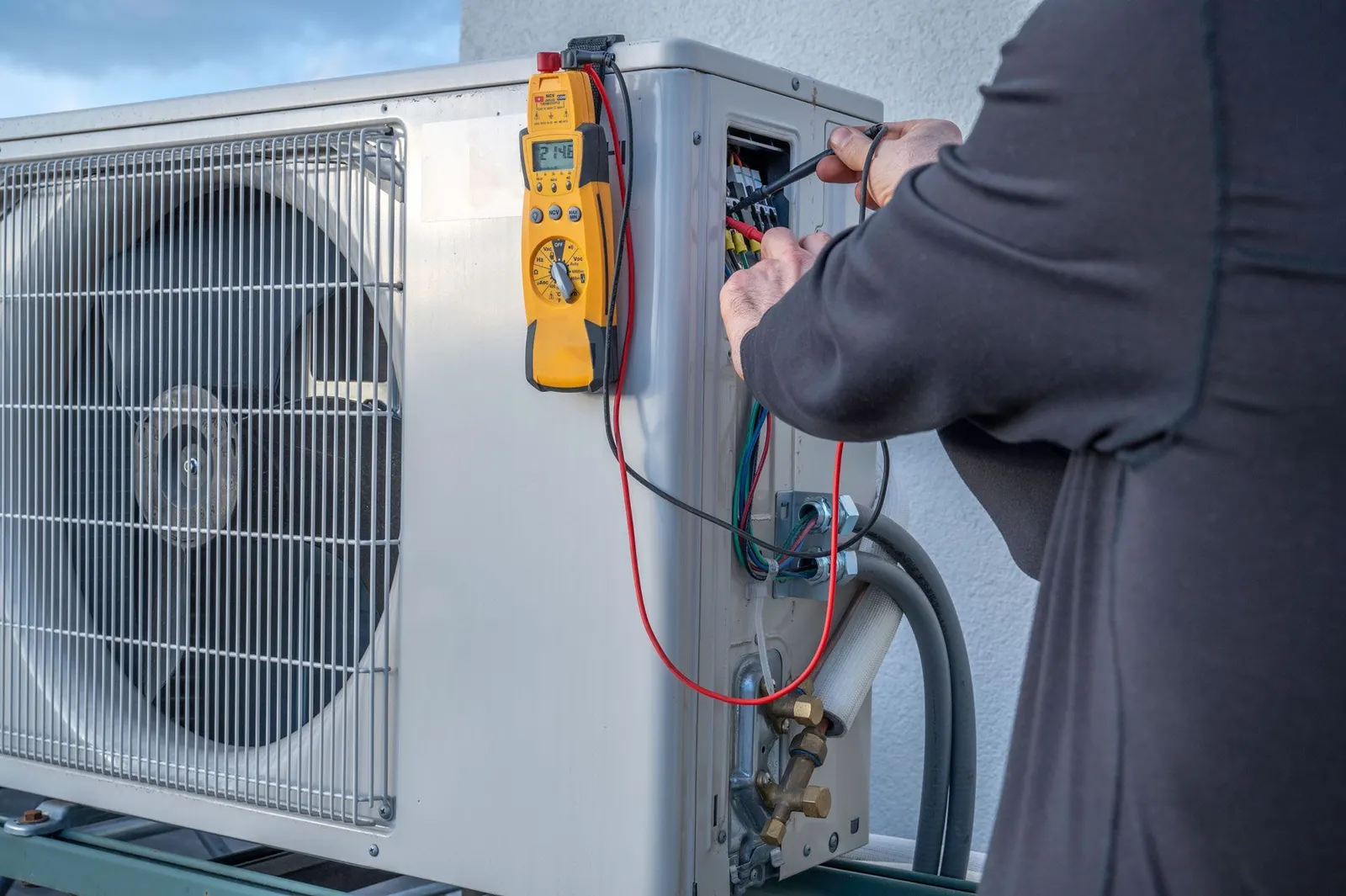
When our customers ask us why a heat pump might need replacement sooner than a gas furnace, we point to the fundamental differences in how these systems operate. A heat pump does not actually generate heat by burning fuel; instead, it uses a reversing valve and refrigerant lines to move heat from one place to another. In the summer, it pulls heat out of your home. When the mid-fall October temperature drops arrive, the valve reverses, and the system begins extracting ambient heat from the outdoor air to warm your living space.
This means your heat pump is operating 365 days a year. Every time the thermostat calls for a temperature adjustment—whether it is a 95-degree July afternoon or a 35-degree November evening—the exact same compressor, condenser fan, and blower motor spin into action. Contrast this with a traditional gas furnace, which sits completely dormant for six months out of the year while a separate air conditioner handles the summer cooling load.
This continuous, non-stop operation naturally shortens the overall lifespan of a heat pump. The internal moving parts simply accumulate operating hours at twice the rate of a standalone furnace. Because of this accelerated wear, we stress that preventing unexpected HVAC emergencies through proactive parts replacement and regular professional monitoring becomes absolutely vital as a heat pump crosses the ten-year mark.
The Impact of Mid-Atlantic Winters on Heating Efficiency
The Problem: As we move deeper into the season, standard heat pumps begin to face a serious physics problem. While they are incredibly efficient in moderate weather, they begin to lose their efficiency rapidly when outdoor temperatures drop below freezing. There is simply less ambient thermal energy available in the air to extract and move indoors.
The Cause: With Williamsport MD winter average lows frequently dipping into the 20s (Fahrenheit), this creates a critical threshold for heat pump efficiency. When the temperature falls below this balance point, the heat pump has to work significantly harder, running continuously to try and extract whatever trace amounts of heat remain in the freezing air. To compensate, the system triggers its auxiliary electric resistance heaters—which use massive amounts of electricity and drastically increase your monthly utility bills. This constant strain also accelerates wear and tear on the system's vital internal components.
The Solution: This is where Comfort Central Inc.'s local expertise in Mid-Atlantic weather patterns becomes invaluable. Rather than relying on generic national averages that assume mild winters, we engineer heating solutions based on the specific reality of Washington County's climate. Gas furnaces, by contrast, maintain consistent, powerful heat output regardless of whether it is 40 degrees or 5 degrees outside. Understanding this temperature threshold is vital for long-term comfort, ensuring you do not install a system that will struggle and degrade prematurely during our localized freezing spells.
Weighing Your Replacement Options: Heat Pump, Gas Furnace, or Dual-Fuel
When the time comes to replace your aging equipment, our installation team generally recommends three primary paths forward for homeowners in Williamsport and surrounding Washington County. The right choice depends heavily on your home's existing ductwork, insulation levels, and your long-term plans for the property.
| System Type | Ideal Climate Performance | Expected Lifespan | Best Use Case for Homeowners |
|---|---|---|---|
| Standard Heat Pump | Highly efficient for moderate cold (above freezing). | 10 to 15 years | Homes without access to natural gas lines looking for energy-efficient mild-weather heating. |
| Gas Furnace | Reliable, powerful heat during extreme freezing temperatures. | 15 to 20 years | Homes that experience deep winter freezes and prioritize fast, high-temperature output. |
| Dual-Fuel System | Optimizes efficiency across all temperature ranges. | 15 to 20+ years | Homeowners wanting the efficiency of a heat pump with the extreme-cold reliability of gas. |
Heat Pumps remain a fantastic, highly efficient option for the transitional seasons, but as noted, they face heavy year-round wear and struggle in the deep freeze. Gas Furnaces offer a longer operational lifespan and absolute reliability when the snow starts falling, though they require a separate air conditioning unit for the summer months.
In our experience, Dual-Fuel Systems represent the ultimate hybrid solution. These systems combine a high-efficiency heat pump for mild weather with a robust gas furnace for deep freezes. A smart thermostat monitors the outdoor temperature; when it drops below freezing, the system automatically shuts off the heat pump and ignites the gas furnace. This prevents the heat pump from overworking in the cold, optimizing both energy efficiency and the overall longevity of your equipment.

Leveraging Energy Efficiency Ratings and Generic Incentives
We always remind our customers that upgrading an aging system is an investment in your home's future, and understanding energy efficiency ratings can help you maximize that investment. When evaluating new equipment to combat mid-fall October temperature drops, you will encounter two primary acronyms: SEER2 and AFUE.
- SEER2 (Seasonal Energy Efficiency Ratio 2): This measures cooling efficiency. A higher SEER2 rating means the unit uses less electricity to produce the same amount of cooling.
- AFUE (Annual Fuel Utilization Efficiency): This measures heating efficiency for gas furnaces. A furnace with a 95% AFUE rating converts 95% of its fuel into usable heat, while only 5% escapes as exhaust waste.
Upgrading an outdated, low-efficiency system to a modern, high-efficiency model can significantly reduce daily energy waste, keeping your monthly utility footprints much smaller. Furthermore, choosing high-efficiency equipment often unlocks additional financial benefits. Generic federal tax credits and utility energy incentives may apply to qualifying high-efficiency heat pump and furnace installations. Because these programs are subject to change, we always advise homeowners to consult with a tax professional or their local utility provider to verify current program eligibility. Keeping the focus on long-term value ensures that your new system pays dividends in both comfort and efficiency for years to come.
The Final Verdict: When to Repair and When to Replace
Making the final call between a quick fix and a full replacement requires a clear-eyed look at your equipment's age, its recent performance, and a professional evaluation. Our team relies on the industry standard "50% rule": if the cost of repairing your heating system equals half the price of a brand-new installation, and the unit is over 10 years old, replacement is almost always the wiser financial decision.
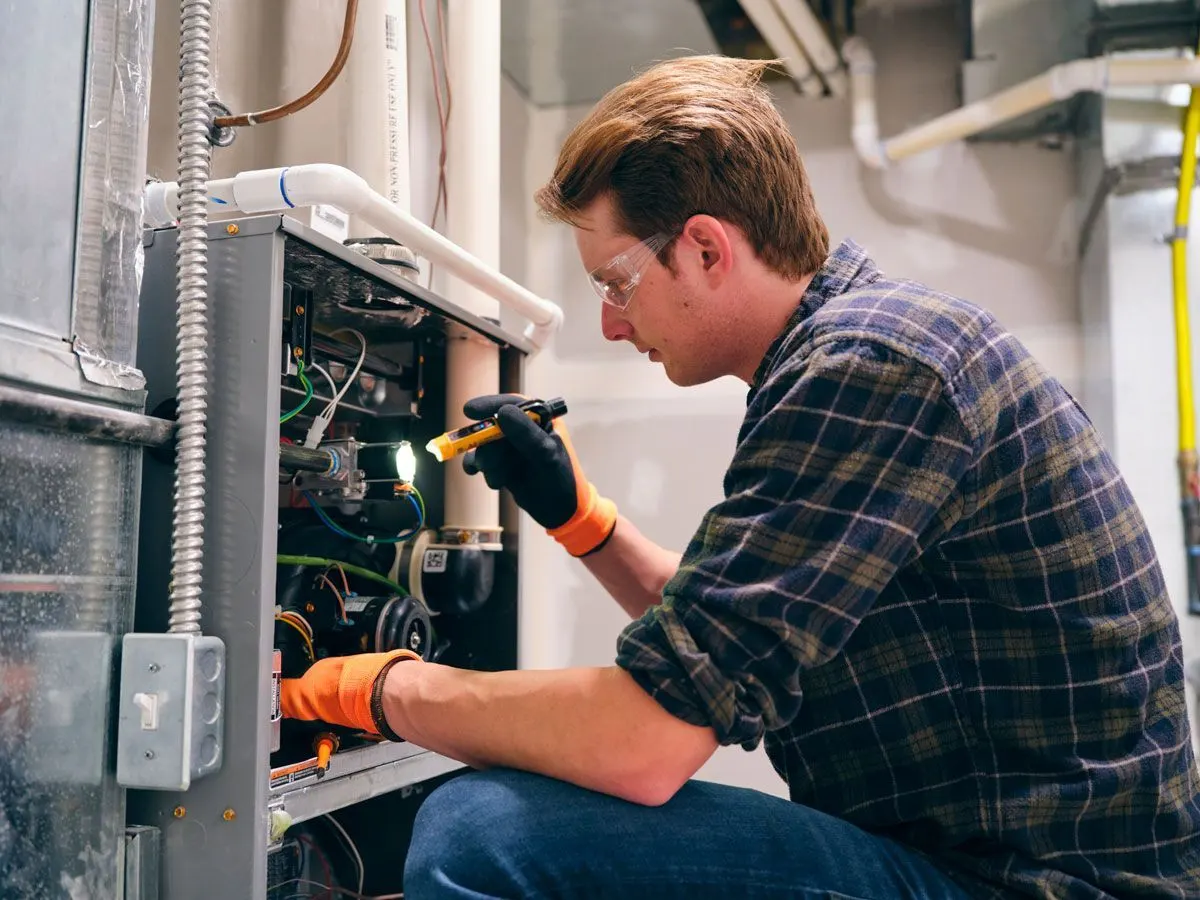
However, you should never have to guess at the condition of your equipment. Getting an honest evaluation requires professional system inspection and testing. One local homeowner reached out to us during the spring to evaluate an aging system they were not sure would survive another year. Technician Sean provided an efficient, thorough inspection and walked them through their actual options, resulting in honest, upfront advice regarding the aging system's future. Having that baseline knowledge allowed the homeowner to plan ahead intelligently, rather than waiting for a catastrophic failure.
The Value of Proactive Upgrades
In our experience, proactively replacing a decade-old system during the fall offers several distinct advantages for homeowners in Williamsport and surrounding Washington County:
- Avoiding emergency replacements: You bypass the stress of scrambling for an installation slot during peak winter demand when heating failures are most common.
- Immediate comfort improvements: You gain immediate access to improved indoor air quality, better humidity control, and consistent, even heating across every room in the house.
- Total peace of mind: You experience the deep reassurance that comes with a brand new, professionally installed system backed by modern warranties.
Investing in the right technology now ensures that you are not just patching a sinking ship, but rather securing reliable, efficient comfort for the next 15 to 20 years.
Navigating Your Next Steps for Winter Comfort
Understanding system lifespans and local climate demands is the key to making a smart, confident replacement choice. Whether a high-efficiency heat pump fits your needs or a dual-fuel system is required to conquer the mid-fall October temperature drops and subsequent winter freezes, having the right information changes everything.
Do not wait until the first major freeze leaves your family shivering to evaluate your aging equipment. Taking action now gives you the time to make careful options comparisons for homeowners without the pressure of a midnight breakdown. Reach out to our local heating and cooling experts at Comfort Central Inc. today to explore the solutions that will keep your home perfectly comfortable, no matter what the Mid-Atlantic weather brings.
Frequently Asked Questions
What is the best heating system for Maryland winters?
The best system depends on your specific home, but our team highly recommends dual-fuel systems for Maryland winters. They use an efficient heat pump during mild autumn days and automatically switch to a powerful gas furnace when temperatures drop below freezing, offering the best of both worlds.
How long does a heat pump last compared to a furnace?
A standard heat pump typically lasts 10 to 15 years, while a gas furnace can last 15 to 20 years. This difference exists because a heat pump runs year-round to provide both heating and cooling, whereas a furnace only operates during the colder winter months.
Should I replace my AC and furnace at the same time?
Yes, we find that replacing both units at the same time is usually the most cost-effective and efficient approach. Because they share internal components like the blower motor and indoor coil, matching a new AC with a new furnace ensures they communicate flawlessly and operate at peak efficiency.
Is a heat pump or gas furnace better for cold climates?
Gas furnaces are generally better suited for extreme cold climates because they provide consistent, high-temperature heat regardless of outdoor conditions. However, modern cold-climate heat pumps are improving, and dual-fuel systems offer an excellent compromise for regions with fluctuating winter extremes.
At what temperature does a standard heat pump become inefficient?
Standard heat pumps typically begin to lose their efficiency when outdoor temperatures drop below 32 degrees Fahrenheit. At this freezing point, there is less ambient thermal energy in the air, forcing the system to rely on expensive auxiliary electric heating strips to keep your home warm.
Are there generic tax credits available for new heating systems?
Yes, there are often generic federal tax credits and local utility incentives available for upgrading to qualifying high-efficiency heating systems. Because these programs and their requirements frequently change, it is best to consult with your utility provider or a tax professional to confirm current eligibility.