
That First Chilly Night: Is Your Heating System Ready?
That strange burning odor coming from your vents on the first cold night of the year isn't going away on its own. As temperatures drop, relying on proven local service expertise and area tips from our team at Comfort Central Inc. is the best way to determine if your home is truly prepared for the changing seasons. You turn on the thermostat for the first time during the mid-fall October heating-startup, only to be greeted by an alarming smell and unfamiliar mechanical noises. The immediate anxiety sets in: is the system failing, and will you be left freezing before winter even truly begins?
Understanding the actual expected lifespan of your equipment helps you make informed decisions about your air conditioning systems and heating units. Knowing exactly when to seek AC installation and replacement versus a simple seasonal tune-up saves you unnecessary stress and keeps your household safe. In our experience, not every rattle or strange scent means your unit is doomed, but ignoring early warning signs can turn a minor adjustment into a major headache.
The Average Lifespan of Core HVAC Components
Most homeowners in Williamsport MD and surrounding Washington County view their heating and cooling setup as a single appliance. In reality, as our technicians frequently explain on service calls, your system consists of several distinct components, and they all age at entirely different rates. Knowing these baselines—established by Department of Energy guidelines—helps you anticipate when a unit is nearing the end of its reliable service life.
Understanding Component Lifecycles
The lifespan of your equipment depends heavily on where it lives and how often it runs. Indoor units protected from the elements naturally outlast outdoor units exposed to rain, snow, and extreme heat. Here is a breakdown of what our team typically sees from standard residential equipment:
- Furnaces: Typically last 15 to 20 years. Because they are housed indoors and only operate during the colder months, they endure far less environmental stress than outdoor units.
- Air Conditioners: Generally last 10 to 15 years. Sitting outside subjects them to weathering, and the heavy workload of summer cooling takes a steady toll on the compressor.
- Heat Pumps: Usually last 10 to 15 years. While similar to air conditioners in design, heat pumps work year-round to both heat and cool your home, leading to continuous mechanical wear.
- Ductless Mini-Splits: Often last 15 to 20 years, provided the filters are cleaned regularly and the outdoor condenser is kept clear of debris.
These figures represent national averages. While a well-maintained unit can sometimes push past these benchmarks, actual longevity depends heavily on consistent maintenance and local weather patterns.

Why the Mid-Atlantic Climate Accelerates Wear and Tear
The underlying problem: Systems in this region often fall on the shorter end of the national average lifespan if they are not rigorously maintained. A pattern we see often is homeowners wondering why a unit rated for 15 years starts struggling at year 10, completely unaware of the environmental factors at play.
The environmental cause: The Williamsport MD climate forces heating and cooling equipment to work incredibly hard. High-humidity summers overwork air conditioning compressors as they struggle to remove moisture from the indoor air. Six months later, freezing winters demand maximum output from your heating equipment. This creates a phenomenon known as "dual-load" stress. For homes relying on heat pumps, the situation is even more demanding. A heat pump in the Mid-Atlantic runs 365 days a year without an off-season, enduring both the sweltering August humidity and the bitter January freezes.
The practical solution: Local homeowners must be significantly more proactive than those living in milder, temperate climates. You cannot install a system here and simply forget about it. We recommend regular tune-ups, frequent filter changes, and seasonal inspections as the only proven ways to combat the accelerated wear and tear caused by extreme temperature swings.
The Impact of Humidity and Freezing Cycles
Moisture is a silent stressor on mechanical parts. During the summer, high humidity forces the system to run longer cycles to achieve a comfortable indoor feel. In the winter, freezing temperatures cause outdoor coils to ice over, forcing the heat pump to initiate regular defrost cycles. Every time a system shifts gears to manage these extremes, it expends extra energy and puts additional friction on moving parts.
Decoding Fall Startup Symptoms: Normal Quirks vs. Failing Equipment
When you fire up the furnace for that mid-fall or October heating-startup, the system often protests. Distinguishing between harmless seasonal behavior and genuine red flags is the key to keeping your HVAC emergency-free.
The Science of the Burning Dust Smell
The most common cause of early-season panic is the infamous burning smell. Over the long summer months, dust, pet dander, and household debris settle directly onto the furnace heat exchanger. When you turn on the heat for the first time, those settled particles instantly burn off. This creates a distinct, dusty odor that usually dissipates within a few hours. While it smells alarming, our technicians always reassure customers that a brief dust burn-off is entirely normal and poses no threat to your equipment.
When to Call a Professional Immediately
Not all smells are harmless. If you notice persistent electrical odors, the sharp scent of acrid smoke, or the distinct smell of rotten eggs (indicating a gas leak), shut the system down immediately. These are severe safety hazards that require prompt professional attention.
Mechanical warning signs also demand a closer look. A healthy system hums quietly; a struggling system screams for help. Keep an ear out for these specific noises:
- Banging or clanking: Usually indicates a loose or broken internal component, such as a disconnected blower wheel.
- Screeching or squealing: Often points to a worn-out fan belt or a failing motor bearing that needs immediate lubrication or replacement.
- Rattling: Can suggest loose panels, but might also indicate a cracked heat exchanger—a serious safety issue.
Poor airflow or lukewarm air coming from the vents is another strong indicator of a struggling blower motor or a failing compressor. Catching these mechanical issues early prevents total system failure during a winter freeze.
Honest Diagnostics: Avoiding Premature System Replacements
A loud noise or a foul smell does not automatically mean you need to buy a whole new system. Many homeowners fear that calling a technician for a terrifying symptom will result in a heavy-handed sales pitch for a full replacement. In Williamsport MD and the surrounding Washington County area, our team at Comfort Central Inc. is committed to honest diagnostics and maximizing the life of your current equipment through proper care.
Prioritizing Fixing Over Selling
Many terrifying symptoms are actually straightforward, affordable repairs. A system that completely refuses to turn on might just have a failed blower capacitor or a faulty pressure switch. These are simple part swaps, not catastrophic failures. By choosing a professional AC repair and heating diagnostic from a technician who prioritizes fixing over selling, you protect your wallet and extend the life of your unit.
Of course, there are times when an upgrade is the only logical path forward. For example, our installation crew recently worked with one homeowner in the Northgate area who needed a completely new system to accommodate an unusual architectural setup. The new installation solved their airflow issues, lowered their electric bills, and drastically increased their comfort. However, a full replacement should always be the conclusion of a thorough, honest diagnostic—never the default starting point. Educating homeowners on the actual condition of their equipment helps them make confident decisions rather than panic-buying out of fear.
Proactive Maintenance Strategies to Extend System Life
Routine maintenance is the single most effective way to push a system past the 15-year mark. While all machines eventually wear out, the way you treat your equipment dictates how fast that happens. By following a few straightforward steps, you can significantly reduce the daily wear and tear that leads to early failure.
Homeowner Responsibilities
- Change your air filters regularly: A clogged filter forces the blower motor to work twice as hard to pull air through the system. Checking the filter monthly and replacing it every 30 to 90 days is the easiest way to prevent motor strain.
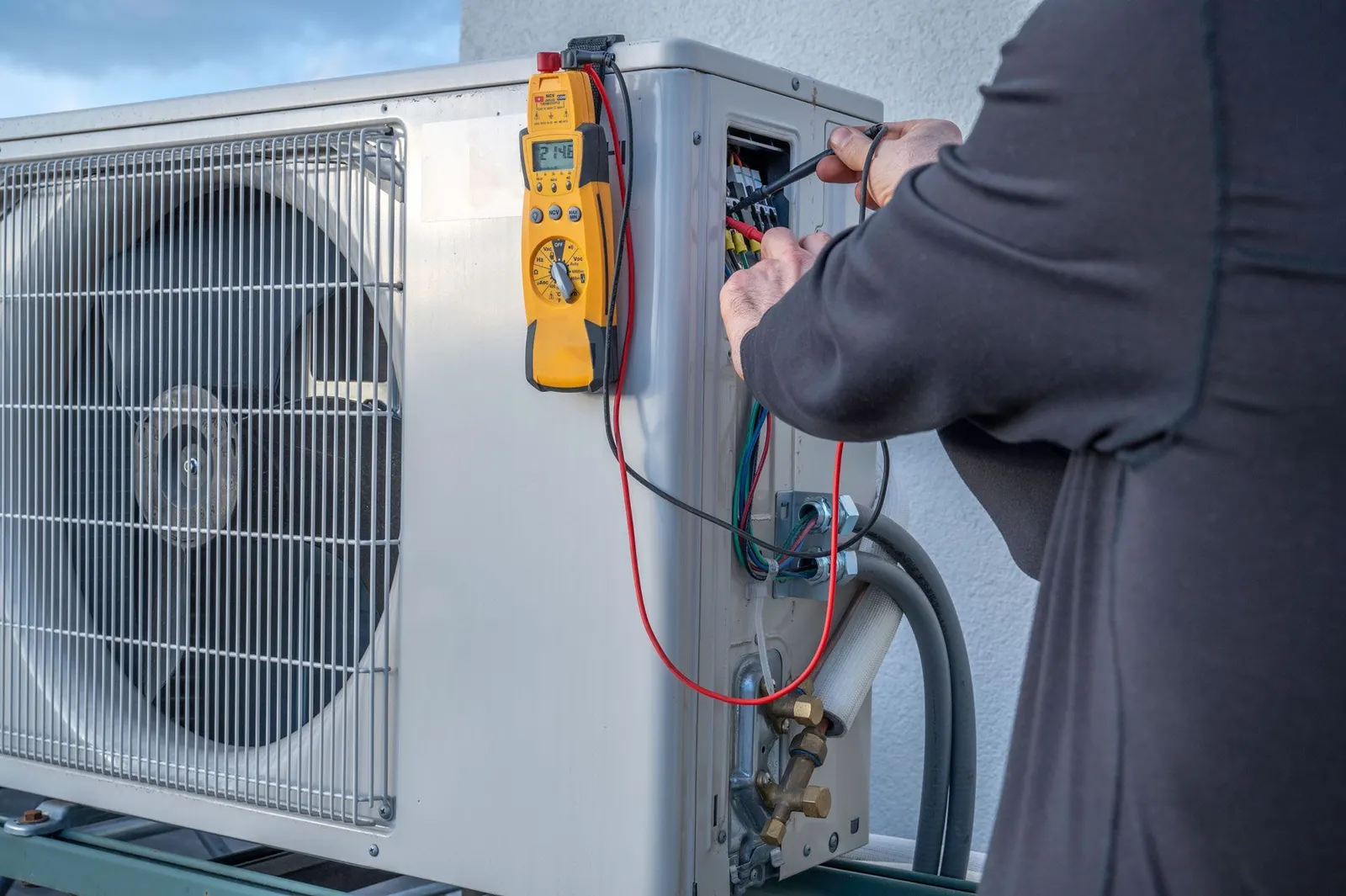
- Keep outdoor units clear of debris: During the mid-fall and October heating-startup, leaves, twigs, and dirt often accumulate around the outdoor heat pump or AC condenser. Clear a two-foot perimeter around the unit to ensure proper airflow.
- Keep all indoor vents open: Closing vents in unused rooms disrupts the system's static pressure, forcing the blower motor to push against increased resistance.
- Schedule a professional pre-winter inspection: Have a certified technician evaluate the system before the heavy cold arrives.
The Professional Difference
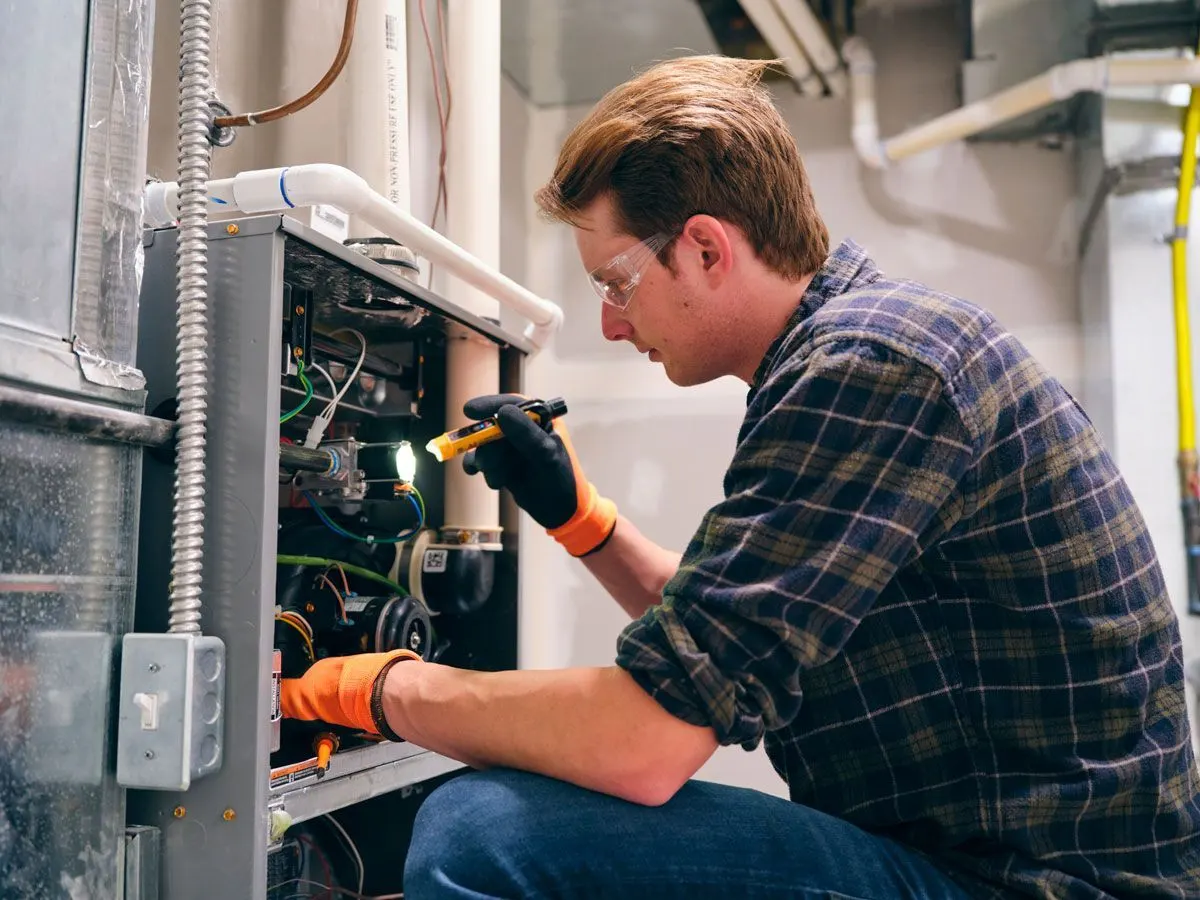
A professional inspection goes far beyond what a homeowner can safely check. A licensed technician will inspect the heat exchanger for microscopic cracks, calibrate the thermostat for accurate temperature reading, and test all internal safety switches. Clean, well-calibrated systems simply run more efficiently. If you want your equipment to last, investing in routine HVAC maintenance is non-negotiable.
Evaluating When It's Finally Time for an Upgrade
Even with perfect maintenance, every system eventually reaches the end of its functional life. Deciding between continuing to repair an aging unit in Williamsport MD versus investing in a replacement requires a balanced look at performance, efficiency, and repair frequency.
The 5,000 Rule
A common baseline metric used in the industry is the 5,000 Rule. You simply multiply the age of your equipment in years by the estimated repair cost. If the resulting number exceeds 5,000, it generally makes more sense to invest in a new, reliable unit rather than sinking funds into a failing system. If the number is lower, a repair is usually the smarter choice.
Frequency of Breakdowns and Efficiency
Before jumping to a replacement, always get a proper diagnosis. For instance, our dispatch team received an urgent call from a local homeowner around noon during a brutal summer heat wave because their indoor blower capacitor had burned up. It sounded like a catastrophic failure, but our technician arrived quickly with the right part and completed the repair within 30 minutes. A single failed component does not mean the whole system is dead.
However, if a system requires multiple service calls in a single year, the components are systematically failing. At that point, you are paying for unreliability. Furthermore, older units cost significantly more to operate. Upgrading to a modern, high-efficiency system can noticeably lower your monthly utility bills. Keep in mind that generic utility rebates and federal tax credits may apply to qualifying high-efficiency installations, helping offset the initial upgrade costs. Always verify current programs with your utility provider or a tax professional.
Ensure a Safe and Warm Maryland Winter
While heating and cooling systems have finite lifespans, proactive care keeps them running longer, safer, and more efficiently. The Williamsport MD climate takes a toll on mechanical equipment, but staying ahead of the wear and tear puts you in control.
If those initial fall startup symptoms—like strange noises or unusual smells—persist past the first day of operation, it is time to call an expert. Don't wait for a total breakdown in the middle of a freezing night. Schedule a thorough pre-winter inspection with Comfort Central Inc. to explore your options, ensure your equipment is operating safely, and secure total peace of mind before the snow flies.
Frequently Asked Questions
How long do hvacs last on average?
Most HVAC systems last between 10 and 20 years, depending on the specific components. Furnaces typically last 15 to 20 years because they are protected indoors, while air conditioners and heat pumps generally last 10 to 15 years due to outdoor exposure. Consistent maintenance is the biggest factor in reaching the higher end of these ranges.
What is the longest lasting hvac system?
Geothermal heat pumps and well-maintained natural gas furnaces tend to have the longest operational lifespans. Geothermal systems have indoor components that can last over 20 years and underground loops that can last for decades. For traditional setups, a high-quality furnace kept in a dry, clean indoor environment often outlasts other equipment types.
How do I know if my heating system is failing?
Frequent breakdowns, rising energy bills, and poor airflow are strong indicators that your heating system is failing. You might also notice that some rooms are freezing while others are overly warm, or you may hear loud banging and grinding noises during operation. If repairs start becoming an annual requirement, the system is nearing the end of its life.
Is it worth repairing a 15-year-old furnace?
It depends on the specific repair cost and the overall condition of the unit. A good guideline is to multiply the age of the furnace by the cost of the repair; if the total exceeds 5,000, replacement is usually the better financial choice. Simple fixes like a worn sensor are worth repairing, but major component failures like a cracked heat exchanger warrant a full replacement.
Why does my heater smell like burning dust in October?
During the summer months, dust and household particles settle on the furnace heat exchanger. When you ignite the system for the first time in the fall, those particles instantly burn off, creating a distinct dusty odor. This is a normal seasonal quirk and the smell should dissipate completely within a few hours of operation.