
Navigating the Fall Temperature Swing: Is Your Heating and Cooling Ready?
You check the thermostat on a brisk September morning because the house feels freezing, but by three in the afternoon, the sun is beating down and you are sweating in your own living room. Finding reliable home maintenance tips and troubleshooting advice is critical when dealing with these unpredictable early fall temperature swings. This constant back-and-forth puts a unique mechanical stress on your heating and cooling equipment. A pattern we see often at Comfort Central Inc. is that your system is forced to switch operations rapidly, demanding peak performance from both the air conditioning and the furnace within a single twenty-four-hour window.
How do these intense seasonal demands impact how long your equipment will actually survive? The constant cycling between heating and cooling accelerates wear and tear on motors, valves, and electrical components. In this guide, we will explore average equipment lifespans, uncover the hidden toll of regional climates, and share the first-hand insights our technicians have gathered to explain how proactive care during the September early fall transition can add years to your system. If you need help preparing your system for the seasonal shift, explore our air conditioning services to ensure your home stays comfortable.
How Long Do HVACs Last? Breaking Down Average Equipment Lifespans
The short answer is that most heating and cooling systems last between a decade and two decades, depending on the specific type of equipment and how well it is maintained. According to the Department of Energy and ASHRAE, there are established national averages for equipment longevity. However, these numbers assume ideal operating conditions and regular preventative maintenance. In our experience serving Williamsport MD, when homeowners ask our team about equipment lifespan, we always start with these baseline expectations before looking at the local factors that truly dictate system health.
| Equipment Type | Average Lifespan | Key Factors Influencing Longevity |
|---|---|---|
| Air Conditioners | 10 to 15 Years | Filter changes, coil cleanliness, and summer workload. |
| Heat Pumps | 10 to 15 Years | Year-round usage, defrost cycle efficiency, and reversing valve health. |
| Gas Furnaces | 15 to 20 Years | Heat exchanger integrity, burner cleanliness, and proper airflow. |
To gauge where your current system sits in its lifecycle, industry professionals often use the "5,000 rule." By multiplying the age of your equipment in years by the estimated repair quote, you can evaluate the viability of a fix. If the resulting number exceeds 5,000, investing in AC installation and replacement is usually a smarter long-term decision than pouring funds into a failing unit. However, our Comfort Central Inc. experts frequently remind homeowners that national averages only tell part of the story, as local climate realities frequently challenge these numbers.
Air Conditioners and Heat Pumps
Air conditioners and heat pumps typically share a lifespan expectation of ten to fifteen years. Because the compressor sits outside, it is exposed to rain, debris, and temperature fluctuations that degrade components over time. We typically see heat pumps lean toward the shorter end of this spectrum. Unlike a standalone air conditioner that rests all winter, a heat pump works year-round to provide both cooling and heating, meaning it accumulates mechanical wear at double the rate of a dedicated seasonal unit.
Furnaces and Heating Systems
Furnaces generally outlast cooling equipment, boasting an average lifespan of fifteen to twenty years. Because they are installed indoors—usually in a basement, closet, or utility room—they are protected from harsh weather elements. Our technicians always stress that the ultimate determining factor for a furnace's lifespan is the integrity of its heat exchanger. If the heat exchanger cracks due to overheating or age, the furnace becomes unsafe to operate and must be replaced immediately to protect your home from carbon monoxide risks.

The Hidden Toll of Four-Season Climates on System Longevity
The Problem: Mild climates allow heating and cooling systems to rest for months at a time, but four-season regions demand almost constant operation. A reality we see daily in Washington County is that equipment rarely gets a true off-season, which accelerates mechanical wear and tear far beyond the national average.
The Cause: The reality of Williamsport's hot, humid summers followed by freezing winters forces your system's blower motor and ductwork to work continuously. During the summer, the system battles thick humidity, forcing the compressor to run longer cycles to dehumidify the air. When winter arrives, the extreme cold forces the furnace to run back-to-back cycles to maintain indoor comfort. Furthermore, the extreme temperature shifts cause thermal expansion and contraction in metal components, particularly the heat exchanger, weakening the metal over successive seasons.
The Solution: Surviving these regional extremes requires proactive care, not just reactive fixes. Treating your system to pre-season tune-ups ensures that the blower motor is lubricated, electrical connections are tight, and airflow is unobstructed. Acknowledging the heavy toll of our four-season climate allows you to take the necessary steps to protect your investment and extend its functional life.
Why the Early Fall Shift is the Ultimate Mechanical Stress Test
Our team at Comfort Central Inc. considers the September early fall transition to be notoriously demanding on dual-season systems. Switching a thermostat from cooling to heating and back again within a twenty-four-hour window creates a unique set of mechanical challenges. When you demand cooling during a humid afternoon and heating during a crisp evening, the system's internal components must reverse their operations rapidly.
For heat pump owners, this period heavily tests the reversing valve. The reversing valve is the crucial component that shifts the flow of refrigerant, allowing the system to switch from absorbing heat indoors to absorbing heat outdoors. During the high-frequency transition period of early fall, we frequently encounter valves that haven't shifted in months sticking or failing, leaving homeowners trapped in the wrong temperature mode.
Additionally, unpredictable day-to-night temperature swings often lead to short-cycling. Short-cycling occurs when the system turns on and off rapidly because it struggles to balance mild daytime heat with sudden nighttime chills. Every time a system starts up, it draws a massive surge of electricity and puts intense friction on moving parts. Ignoring these transition stresses and allowing a system to short-cycle week after week shaves years off the equipment's overall life.
Furnace Ignition and the Danger of Stagnant Summer Dust
The Problem: When the first chilly night of the September early fall transition finally arrives, many homeowners turn on their furnace only to be greeted by a harsh, burning smell and poor indoor air quality. In worst-case scenarios, the system refuses to ignite entirely, leaving the house freezing.
The Cause: While your air conditioner was working hard all summer, your furnace sat idle. Over those months, household dust, pet dander, and airborne particles settled thickly over the burners, flame sensor, and heat exchanger. When the furnace ignites for the first time, it essentially incinerates this layer of stagnant summer dust. This not only creates an alarming odor but also insulates the heat exchanger. Clogged, dusty components force the system to run hotter and longer to transfer heat into your home, degrading internal parts prematurely.
The Solution: Addressing this buildup early prevents sudden winter breakdowns. Our team recently helped a local Williamsport homeowner who woke up to a freezing house at seven in the morning on a cold winter day because their system failed to operate properly after months of neglect. Fortunately, our technician arrived promptly and restored the heating safely, but skipping fall maintenance often leads to these exact emergency scenarios. Having the burners cleaned and the flame sensor wiped down before the first ignition ensures a safe, odor-free start to the heating season.
Honest Diagnostics: Maximizing Life vs. Premature Replacement
When a system acts up during the seasonal transition, many homeowners fear the worst. Unfortunately, it is a common pattern in the industry for homeowners to be told they need a total replacement when a targeted, accurate repair would easily suffice. Extending the life of your equipment relies heavily on finding a team that prioritizes preservation over aggressive sales tactics.
At Comfort Central Inc., our approach centers on honest diagnostics. Over our years of serving the community, we focus on keeping your current system running efficiently for as long as safely possible. Accurate troubleshooting is vital because our technicians have found that minor issues can easily mimic catastrophic failures if not diagnosed properly. A tripped safety switch, a clogged condensate drain, or a failing capacitor can all cause a system to shut down completely, making it look like the unit is dead when it actually just needs a minor part.
Consider a recent situation involving a three-year-old heat pump in the winter. The system stopped heating entirely, a terrifying prospect for the homeowner. However, our technician Chris quickly diagnosed and fixed a simple pressure switch wire issue, getting the heat pump promptly repaired. There was no push for an unnecessary replacement—just honest, effective professional AC repair. A professional tune-up and evaluation should always be about preserving your investment, giving you the peace of mind that you are getting the full lifespan out of your Williamsport MD system.
Proactive Fall Maintenance Strategies to Extend Equipment Life
Taking action during the September early fall transition is the single best way to protect your equipment. Scheduling a professional tune-up before the first deep freeze is critical because regular maintenance helps a system maintain up to ninety-five percent of its original efficiency. When a system runs efficiently, it runs shorter cycles, which directly adds years to its overall lifespan.
Based on the field experience of our Comfort Central Inc. technicians, here are the strategic steps you can take to prepare your system for the seasonal shift:
Safe Homeowner Checks
- Inspect and replace air filters: The transition season requires optimal airflow. A clogged filter increases static pressure, forcing the blower motor to work harder and increasing the risk of the furnace overheating. Check your filter monthly and replace it when it appears dark or heavily coated in dust.
- Clear outdoor debris: Autumn leaves, twigs, and overgrown vegetation can choke the outdoor compressor. Ensure there is a two-foot clearance around the entire unit so it can pull in air without restriction.
- Monitor thermostat behavior: Pay attention to how your system responds when you switch from cooling to heating. If you notice delays, strange clicking noises, or short-cycling, note these behaviors so you can report them to your technician.
The Value of Professional Calibration
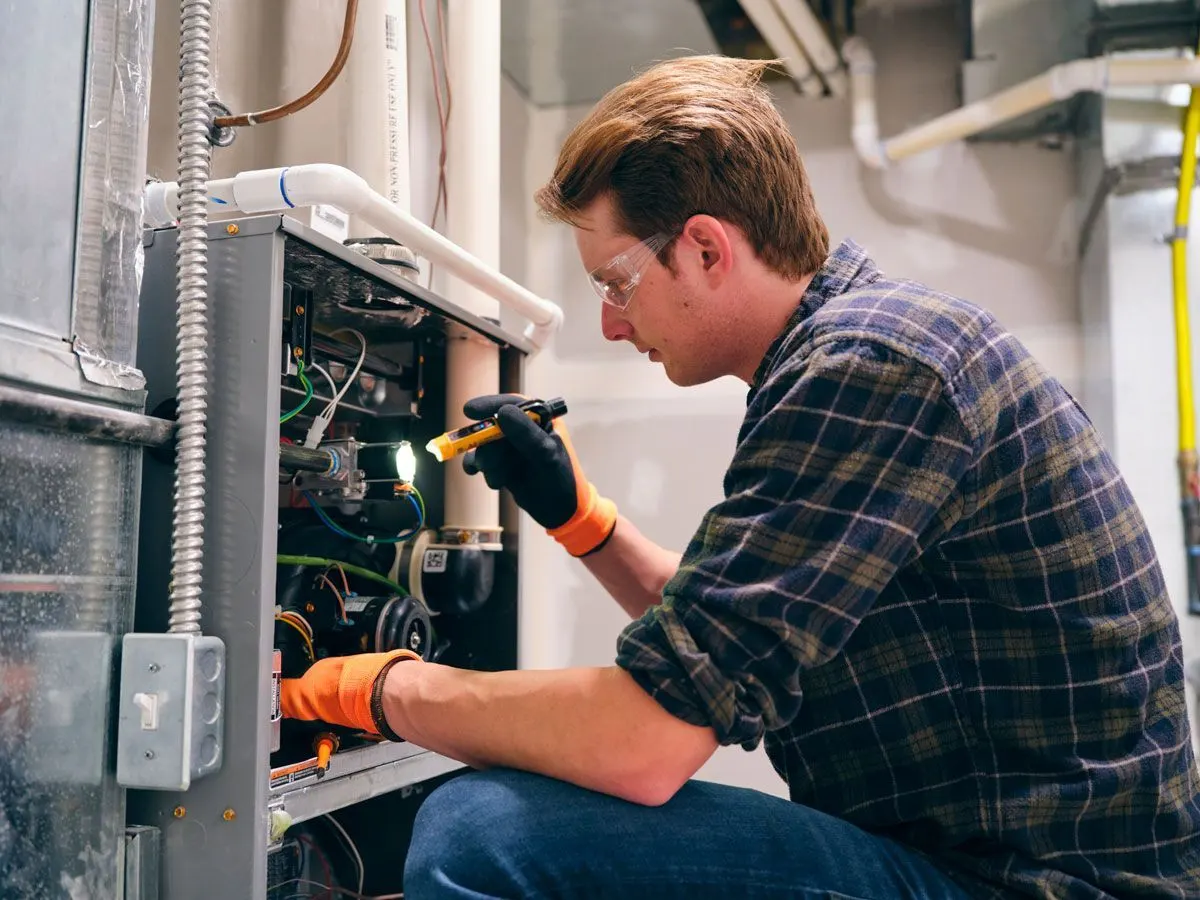
- Testing ignition systems and safety switches: A professional will clean the burners and test the flame sensor to ensure the furnace ignites safely and efficiently without circulating burnt dust into your home.
- Testing reversing valves: For heat pumps, technicians verify that the reversing valve shifts smoothly between cooling and heating modes without sticking.
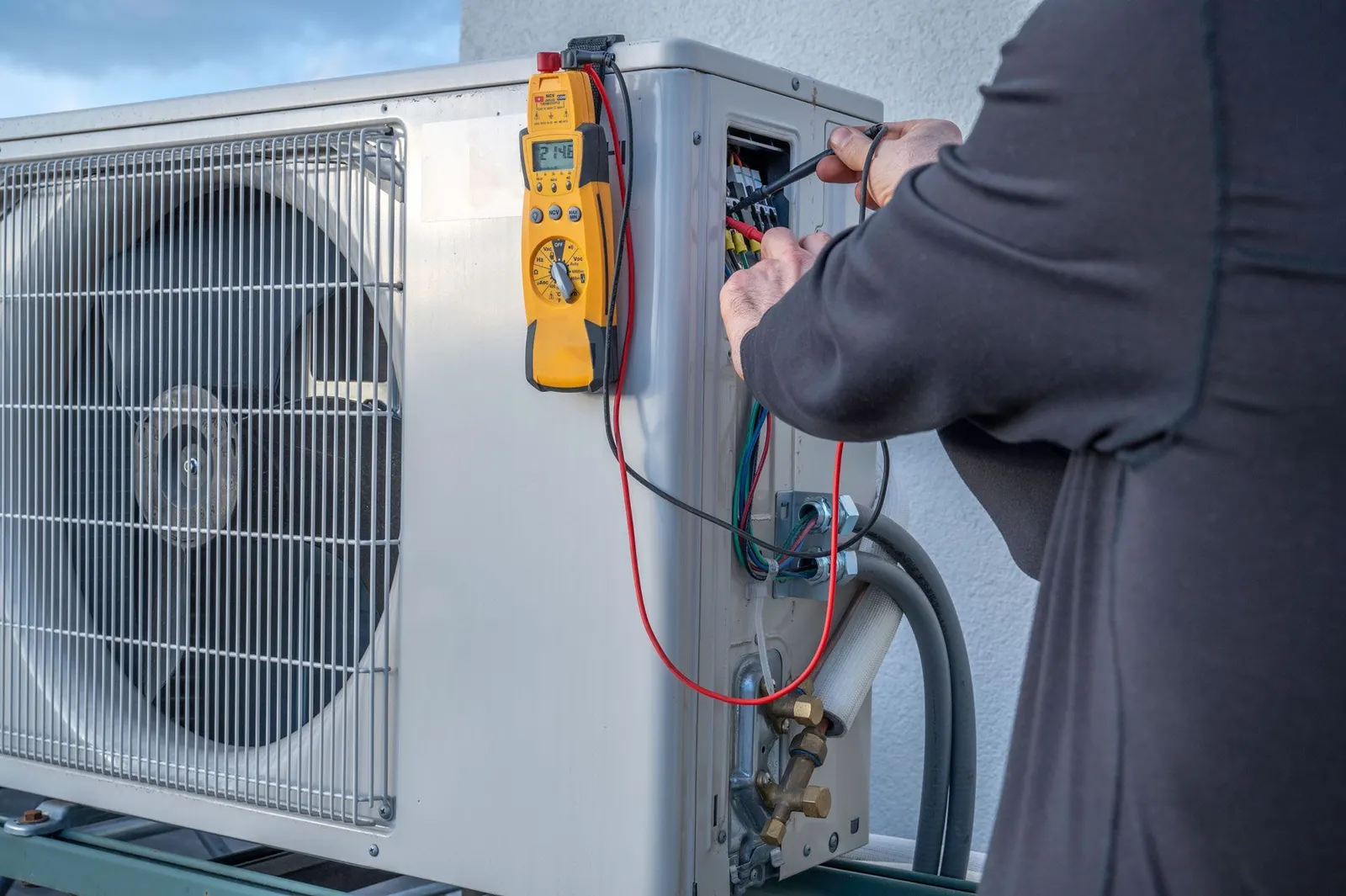
- Securing electrical connections: Summer vibrations can loosen wiring. Technicians tighten all electrical connections and measure voltage to ensure components haven't degraded, preventing electrical shorts during the winter.
By combining safe homeowner habits with routine AC maintenance, you create a comprehensive defense against premature wear and tear.
Frequently Asked Questions About HVAC Lifespans and Fall Prep
What is the life expectancy of an HVAC system?
Most HVAC systems last between ten and twenty years, depending on the specific components. Air conditioners and heat pumps average ten to fifteen years, while gas furnaces typically last fifteen to twenty years. Regular maintenance and prompt repairs play the biggest role in helping your system reach the higher end of these averages. Neglected systems in harsh climates often fail years before their expected lifespan.
How do I know if my HVAC needs replacing?
You should consider replacement if your system frequently breaks down, struggles to maintain comfortable temperatures, or causes sudden spikes in your energy usage. The "5,000 rule" is a helpful guideline: multiply the equipment's age by the estimated repair cost, and if it exceeds 5,000, replacement is usually the better investment. Additionally, if your furnace has a cracked heat exchanger, it must be replaced immediately for safety reasons.
Is a 15-year-old HVAC system still good?
A fifteen-year-old system can still function well if it has received meticulous annual maintenance throughout its life. However, at this age, the equipment is nearing the end of its intended mechanical lifespan and will likely be much less energy-efficient than modern models. Homeowners with fifteen-year-old systems should monitor them closely during seasonal transitions and begin planning for an eventual replacement.
How often should an HVAC system be serviced?
Your heating and cooling system should be professionally serviced at least twice a year. You should schedule an air conditioning tune-up in the spring and a heating tune-up in the early fall. For heat pumps that run year-round, this bi-annual schedule is especially critical to prevent excessive wear and tear on the continuously operating components.
How do you extend the life of an HVAC system?
The most effective way to extend your system's life is by scheduling routine professional maintenance and changing your air filters regularly. Keeping the outdoor unit clear of debris and ensuring indoor vents remain unblocked also reduces mechanical strain. Addressing strange noises or performance drops immediately, rather than waiting for a complete breakdown, prevents minor issues from causing permanent damage.
Should I service my HVAC in the early fall?
Yes, servicing your system in the early fall is highly recommended. The mild weather provides a perfect window to clean stagnant summer dust from the furnace and ensure all components are calibrated before the freezing winter temperatures arrive. Proactive fall servicing prevents emergency no-heat situations and ensures your system operates safely during the first major cold snap.
Secure Your Comfort Before the Deep Freeze Arrives
While average lifespans provide a helpful baseline, our team knows that it is your commitment to proactive care that dictates your system's actual reality. Navigating the September early fall transition doesn't have to be a source of stress. By understanding how temperature swings impact your equipment and addressing stagnant dust before the first ignition, you protect your investment from unnecessary wear.
There is immense peace of mind that comes with knowing your system is fully prepared for the harsh winter ahead. Don't wait until the first freezing night to discover your furnace is struggling. Schedule your pre-season evaluation with Comfort Central Inc. today to ensure long-term reliability, protect your indoor air quality, and focus on keeping your HVAC emergency-free all season long.