
Navigating the October Pre-Winter Heating Startup
That sudden mid-autumn chill hits, you flip your thermostat to "heat," and immediately notice a strange burning smell—a moment that proves exactly why knowing a few basic home maintenance tips and troubleshooting strategies is so critical. The first time your heating system kicks on after a long summer slumber is always a test. At Comfort Central Inc., we know it is completely normal to feel a bit of anxiety when you hear unexpected clicks, clanks, or smell burning dust coming through your vents during the October pre-winter heating startup. The challenge for most homeowners we talk to is identifying the core decision point: knowing the difference between a harmless seasonal quirk and a true mechanical failure.
If you are exploring options for an AC replacement or simply want to ensure your heating equipment is safe for the coming freeze, understanding how your system operates is the best first step.
Recognizing the early warning signs of mechanical distress prevents mid-winter emergencies when temperatures drop below freezing. A system that struggles to start in October is telling you something important about its health. By understanding your equipment's age, its internal mechanics, and how it impacts your indoor air quality (IAQ), you can make informed, safe decisions before the harsh winter weather arrives.
The Lifespan Reality: How Long Does an HVAC System Last?
To understand why your equipment might be struggling during the October pre-winter heating startup, you first need to look at its baseline life expectancy. According to the U.S. Department of Energy, air conditioning systems and heat pumps typically last 10 to 15 years. Traditional gas furnaces, which handle the heating side of a split system, can last 15 to 20 years, provided they receive consistent, professional maintenance.
However, these are national averages. Our technicians at Comfort Central Inc. see firsthand how homes in the Williamsport MD area experience stark seasonal extremes. The hot, humid summers demand relentless cooling, while the freezing winters require high-output heating. This year-round reliance on climate control accelerates wear and tear on internal components. A system operating in this demanding environment often experiences a slightly reduced lifespan compared to equipment running in mild, temperate climates. As your system approaches the end of that 10-to-15-year window, you will likely notice more frequent startup issues, longer heating cycles, and minor component failures during seasonal transitions.
Heat Pumps vs. Traditional Furnaces
The type of equipment you own drastically changes its wear pattern. Heat pumps function as both air conditioners and heaters. Because they provide cooling all summer and heating all winter, they never truly get an "off" season. This continuous operation means their compressors and reversing valves endure twice the workload of a standalone air conditioner, a pattern we see often during our fall inspections.
In contrast, a traditional gas furnace sits entirely dormant from May through September. While resting saves the combustion components from wear, sitting idle introduces a different set of challenges, particularly when it is time to wake the system up for the cold season.
The Anatomy of the Fall Changeover: What Happens Inside Your System
When we visit homes for seasonal tune-ups, many homeowners ask us what actually happens inside the metal cabinet when the thermostat switches from cooling to heating. Understanding this physical reality helps demystify the noises and smells of the October pre-winter heating startup. Just as you might investigate why your AC cools then stops cooling during the summer, knowing the mechanics of your heater prepares you for the fall changeover.
Throughout the peak summer cooling months, your furnace's heat exchanger sits unused in a dark, humid environment. Over those months, microscopic household dust, pet dander, and airborne particulates bypass the filter and settle directly onto the metal surface of the heat exchanger. This layer of dust sits undisturbed until the first cold night of autumn.
When the thermostat calls for heat, a specific sequence of operations begins. The draft inducer motor kicks on to clear residual gases. The igniter glows bright orange or a spark sparks, and the gas valve opens. The burners ignite, shooting flames directly into the heat exchanger. Within seconds, the metal surface reaches temperatures exceeding 140 degrees Fahrenheit.
At 140 degrees, the dust that accumulated all summer instantly burns off. This rapid vaporization of settled debris is the primary, mechanical cause of that temporary, distinct burning odor during the initial autumn heating cycles. It is a normal byproduct of a dormant system waking up.
Harmless Quirks vs. Signs of Aging and Failure
Establishing clear boundaries between normal seasonal transition behaviors and issues requiring licensed intervention keeps your home safe. Not every strange noise means your furnace is failing, but ignoring the wrong symptom can lead to a dangerous situation. Based on the countless heating systems our team evaluates each autumn, here is a breakdown of what to expect during the October pre-winter heating startup.
| Symptom | Normal Seasonal Quirk | Warning Sign of Failure |
|---|---|---|
| Odors | Temporary burning dust smell lasting less than an hour on the first startup. | Persistent burning plastic, electrical, or rotten egg (gas) smells that do not fade. |
| Noises | Initial clicking of relays, minor duct expansion (popping) as metal heats up. | Loud banging, grinding metal, or continuous clicking without ignition. |
| Operation | System runs a full cycle and satisfies the thermostat temperature. | Continuous short-cycling (turning on and off every few minutes) or complete failure to ignite. |
Recurring abnormal signs in older systems—especially those nearing the 15-year mark—often indicate end-of-lifespan mechanical failure rather than a simple dirty filter. A cracked heat exchanger or a failing blower motor directly impacts your indoor air quality and overall home safety, pushing carbon monoxide or electrical hazards into the living space.
When to Call a Professional
Ignoring continuous failed ignitions or persistent electrical smells poses a severe safety risk. Modern HVAC systems utilize high-voltage electricity and combustible gases. Homeowners should never attempt DIY repairs on internal electrical components, gas valves, or combustion chambers. If your system exhibits any of the warning signs listed above, shut it off at the thermostat and request a licensed evaluation from our team.

Diagnosing Ignition Failures During Pre-Winter Startup
One of the most common reasons Williamsport homeowners call Comfort Central Inc. for HVAC repair in Williamsport during the fall is a complete failure to ignite. You turn the thermostat up, you hear the system try to start, but the air blowing from the vents remains cold. This is rarely a random glitch; it is usually a specific mechanical breakdown.
The flame sensor is a critical safety component responsible for this behavior. This small metal rod sits directly in the path of the burner flame. Its only job is to detect whether a fire is actually burning once the gas valve opens. Over years of use, carbon buildup coats the sensor. If the sensor is too dirty to feel the flame, it assumes raw gas is pouring into your home unignited. To protect you, it immediately shuts the gas valve off. This results in a system that clicks, briefly lights, and shuts down three seconds later.
Modern furnaces feature complex safety lockouts. If the system detects a failure to ignite properly three times in a row, the control board will lock the system out completely to prevent a gas buildup explosion. As internal components degrade over a 10-to-15-year lifespan, these lockouts become much more frequent.
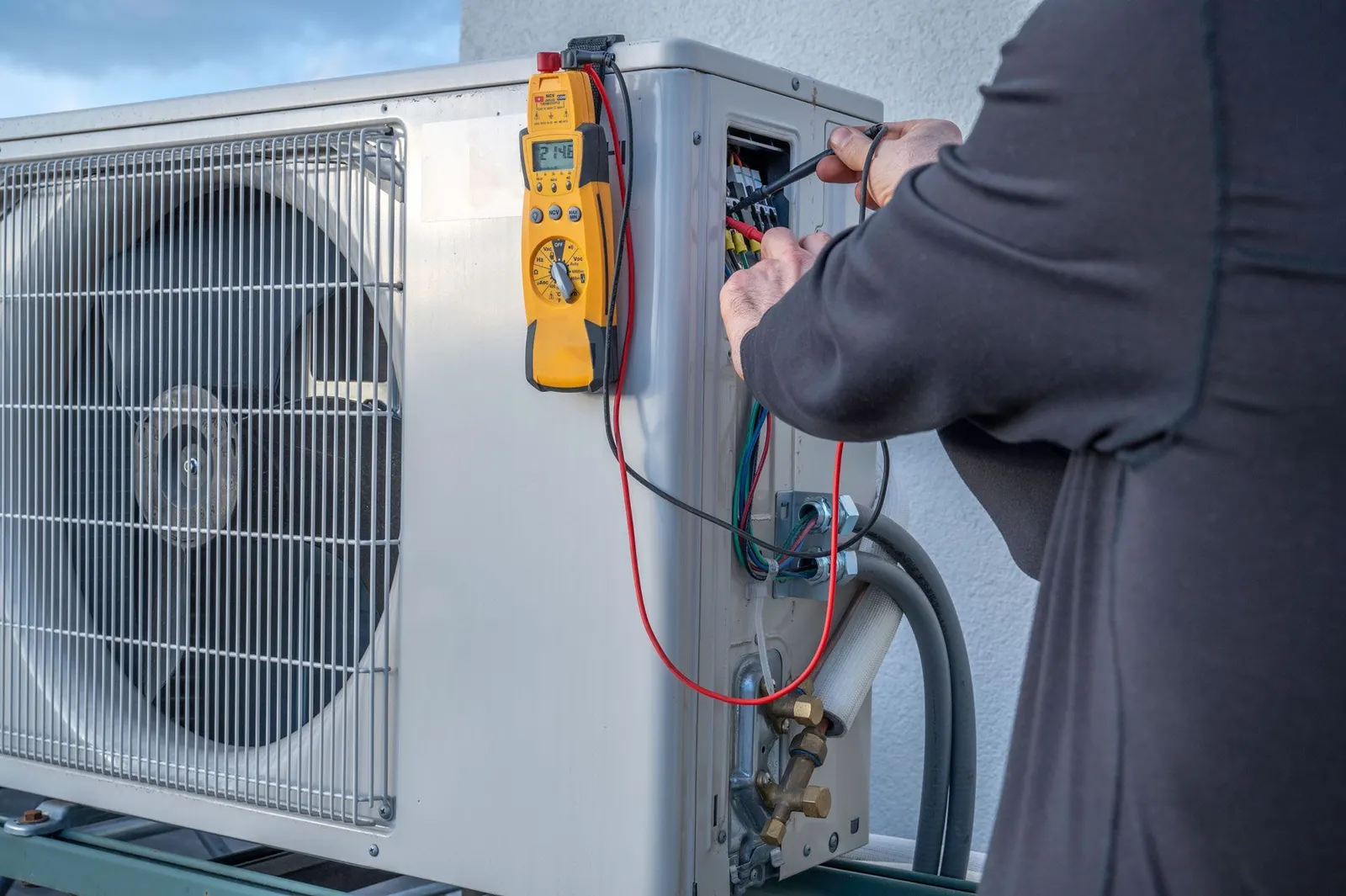
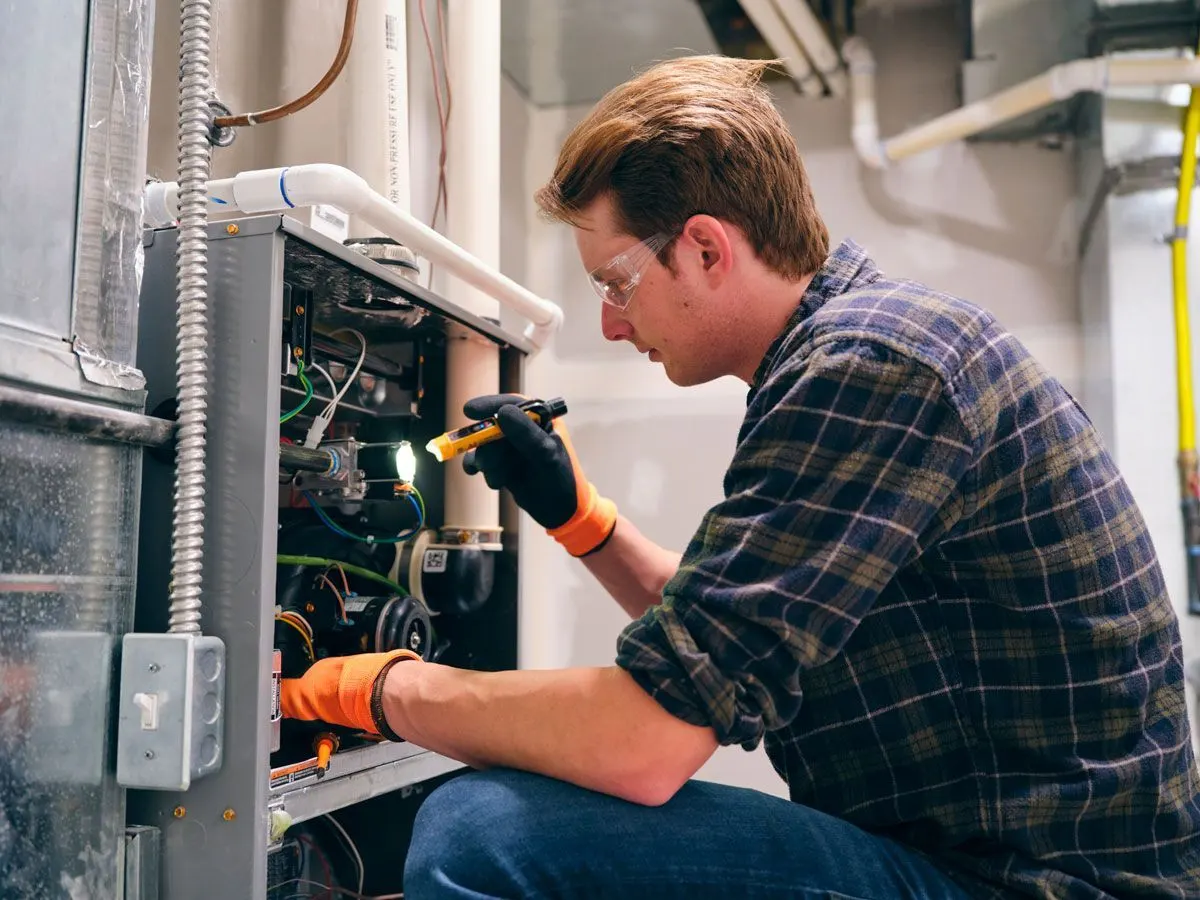
When our technicians arrive, our professional diagnostic process goes far beyond just wiping off a sensor. We use a multimeter to read the microamp draw of the flame sensor, test the gas manifold pressure, and inspect the heat exchanger for hairline fractures. This process identifies whether an ignition issue is a simple cleaning task or a major, unsafe component failure.
Objective Evaluation: Maximizing Your Existing Equipment
When you are facing startup failures during the October pre-winter heating startup, the last thing you need is pressure. Providing honest, objective diagnostics helps homeowners maximize their existing system's lifespan before a full replacement is recommended. The goal of a professional evaluation should always be to uncover the true condition of the equipment.
For example, when one local homeowner dealing with an aging system requested an evaluation from us this past spring, our Comfort Central Inc. technician walked through the entire diagnostic process step-by-step and gave an honest, upfront assessment of the equipment's health. Because the evaluation was objective, the customer understood exactly what actually needed to be done with the aging system to operate it safely, without feeling rushed into a massive purchase.
A thorough diagnostic can often uncover ways to safely extend the lifespan of an older unit. A professional considers three main factors: the exact age of the unit, the cost of the immediate repair versus the value of the system, and the overall energy efficiency. If a minor repair can safely buy you another two years of reliable heating, an honest technician will present that option. You remain in control of the decision, armed with facts rather than fear.
Proactive Steps to Extend Your HVAC System's Lifespan
Reaching that impressive 15-to-20-year mark for a furnace does not happen by accident. In our experience, it requires a partnership between your daily habits and our regular professional oversight. Taking proactive steps before the deep freeze hits mitigates the harsh weather impacts on your equipment.
- Replace the Air Filter Monthly: This is the single most important homeowner responsibility. A clogged filter chokes the blower motor, forcing it to work twice as hard to pull air. This lack of airflow causes the heat exchanger to overheat, triggering safety switches and dramatically shortening the system's lifespan.
- Keep All Vents Open and Unblocked: Closing vents in unused rooms does not save energy. Modern HVAC systems are balanced for a specific volume of airflow. Closing vents increases static pressure inside the ductwork, straining the blower motor and leading to premature failure.
- Clear the Area Around the Unit: Ensure your indoor furnace room is free of clutter, highly flammable materials, and stored boxes. For heat pumps, clear away autumn leaves, overgrown bushes, and debris from the outdoor condenser coil so it can breathe properly.
- Schedule a Professional Pre-Winter Inspection: Booking routine AC maintenance in the spring and a heating tune-up in the fall is critical. A technician can catch a failing capacitor or a cracked heat exchanger before it leaves you shivering in January.
- Look into Efficiency Incentives: Maintaining peak efficiency through regular tune-ups not only lowers your monthly bills but can also help your home qualify for generally applicable energy rebates or utility incentive programs. Always check with your local utility provider or a tax professional for current, applicable programs.
Frequently Asked Questions About HVAC Lifespans and Fall Startups
Is it normal for a heater to smell when first turned on?
Yes, a temporary burning smell is completely normal during the first heating cycle of the year. This odor is caused by the furnace burning off the microscopic dust and lint that settled on the heat exchanger over the summer. The smell should dissipate within 30 to 60 minutes of operation. If the odor smells like burning plastic, electrical wires, or rotten eggs, shut the system down immediately and call a professional.
Why won't my furnace ignite?
A furnace that refuses to ignite is usually experiencing a safety lockout due to a dirty flame sensor, a faulty igniter, or a blocked exhaust flue. When the system detects that it cannot safely burn gas, it shuts the gas valve off to protect your home. Because this involves combustible gas and high voltage, diagnosing an ignition failure requires a licensed HVAC technician like those on our team.
How long does a furnace last?
A traditional gas furnace typically lasts between 15 and 20 years with proper, routine maintenance. The exact lifespan depends heavily on how often the filter is changed, the climate it operates in, and whether it receives annual professional tune-ups. Neglected furnaces often require replacement much closer to the 10-to-12-year mark due to cracked heat exchangers or failed blower motors.
How long does a heat pump last?
Heat pumps generally last between 10 and 15 years. Because a heat pump provides air conditioning in the summer and heating in the winter, it operates year-round without a dormant season. This continuous workload accelerates wear on the compressor and reversing valve compared to a standalone furnace.
Why is my furnace short cycling?
Short cycling occurs when a furnace turns on, runs for only a few minutes, and shuts off before reaching the thermostat's set temperature. This is most commonly caused by a severely clogged air filter that restricts airflow, causing the internal limit switch to trip from overheating. It can also be caused by an oversized unit, a malfunctioning thermostat, or a failing flame sensor.
Can regular pre-winter maintenance really extend the life of my HVAC system?
Absolutely. Routine professional maintenance is the most effective way to help a system reach its maximum lifespan. An annual October pre-winter heating startup inspection catches minor issues—like a worn belt, a weak capacitor, or a dirty sensor—before they cascade into catastrophic, expensive mechanical failures during the peak of winter.
Ensuring a Safe and Comfortable Winter Season
Understanding what is happening inside your HVAC system empowers you to make safe, confident decisions about your home comfort. The transition from summer cooling to winter heating is the most stressful time for your equipment. By recognizing the difference between the harmless burning dust of the October pre-winter heating startup and the serious warning signs of a failing system, you protect both your property and your indoor air quality.
Recognizing the signs of aging equipment prevents unexpected mid-winter breakdowns when you rely on your heater the most. If you hear strange grinding noises, smell persistent electrical odors, or notice your system struggling to ignite, the safest step is to have it evaluated by a licensed technician. A professional inspection from Comfort Central Inc. ensures your system is operating efficiently, safely, and ready to handle whatever winter brings.