
Are You Wondering Why Your AC Cools Then Stops Cooling?
Is your air conditioning system running for just a few minutes before abruptly shutting down, leaving the house warm and sticky? One of the most common homeowner questions answered during the September early fall transition is why an otherwise functional cooling system suddenly refuses to complete a full cycle. You hear the thermostat click, the vents blow cold air for a brief moment, and then everything goes silent long before the room reaches your desired temperature. This frustrating symptom is rarely a random glitch; it is almost always a built-in mechanical protection response reacting to a deeper fault. When end-of-summer wear meets shifting seasonal temperatures, these safety mechanisms frequently trigger to prevent catastrophic equipment damage. Knowing which safety and indoor air quality checks are necessary before the first major temperature drop is critical for protecting your home.
If you are dealing with a system that refuses to stay running, professional evaluation of your air conditioning systems is the safest next step.
What Exactly Is Short-Cycling in an HVAC System?
To properly diagnose a cooling system that starts and stops rapidly, it helps to establish a baseline of how the equipment is supposed to operate. A standard air conditioner does not deliver a constant trickle of cold air; it runs in cycles. During a healthy cycle, the compressor turns on, runs continuously for 15 to 20 minutes to extract heat and humidity from the home, and then shuts off once the thermostat registers the target temperature. When the system shuts down after just a few minutes—often before the room temperature drops at all—this is known as short-cycling.
Short-cycling is one of the most damaging conditions an HVAC system can experience. The compressor, which is the heart of the outdoor unit, draws a massive surge of electrical current every time it starts up. When forced into a rapid start-and-stop loop, the compressor never gets a chance to reach an efficient cruising speed. This severe mechanical stress can take years off the equipment's lifespan. Furthermore, understanding short-cycling means recognizing its secondary effects on your home environment.
- Skyrocketing energy consumption: Because the system requires so much power to start, turning on and off every five minutes causes electricity bills to spike dramatically.
- Poor indoor moisture control: It takes about ten minutes of continuous runtime for an AC coil to get cold enough to start pulling humidity out of the air. Short cycles leave Williamsport MD area homes feeling damp and clammy.
- Uneven cooling: Rooms furthest from the thermostat never receive enough conditioned air before the system shuts down again.
Ultimately, a system that turns off prematurely is usually executing a built-in safety mechanism. The equipment is shutting itself down to prevent a localized failure from destroying the entire unit.
| System Behavior | Normal Cooling Cycle | Short-Cycling System |
|---|---|---|
| Cycle Duration | 15 to 20 minutes per cycle | Less than 10 minutes (often 2-5 mins) |
| Compressor Wear | Minimal; steady operation | Severe; constant high-amperage startups |
| Indoor Humidity | Effectively removed from the air | Remains high, leaving rooms sticky |
| Energy Consumption | Efficient and predictable | Spikes dramatically due to frequent starts |

How Cool September Nights Lead to Frozen Evaporator Coils
The Accumulation of Summer Dust
By the time the September early fall transition arrives, your air conditioning system has been running hard for months. Even with regular filter changes, a certain amount of microscopic dust and debris inevitably bypasses the filter and settles on the indoor evaporator coil. The evaporator coil is a dense network of cold copper tubing and aluminum fins responsible for absorbing heat from your indoor air. When this coil becomes coated in residual summer dust, the crucial airflow over the metal fins is severely restricted. The system can no longer absorb heat efficiently.
The Science of a Freezing Coil
This airflow restriction becomes highly problematic when the weather begins to change. Williamsport's cool September nights, combined with residual daytime humidity, create the perfect conditions for AC coils to freeze if airflow is compromised. The refrigerant inside the coil continues to drop in temperature because it is not absorbing enough heat from the sluggish air passing over it. As the ambient indoor temperature drops in the evening, the coil's surface temperature plummets below the freezing point.
The Safety Shutdown
When the coil drops below freezing, the natural humidity in the air condenses on the metal and immediately turns to frost. Within a short period, this frost builds into a solid block of ice, entirely choking off the airflow. Once the coil freezes solid, low-pressure safety switches inside the system detect the abnormal operating conditions and abruptly shut the compressor down to prevent liquid refrigerant from flowing backward and destroying the unit. The AC stops cooling entirely until the ice slowly melts, at which point the cycle may start again, resulting in a frustrating loop.
The Impact of High Summer Humidity on Condensate Drains
Another major culprit behind sudden system shutdowns is the buildup of moisture and biological growth within the unit's drainage system. The mid-Atlantic summer humidity creates heavy, continuous condensation inside the indoor air handler. As warm air blows over the cold evaporator coil, gallons of water are extracted from the air each day. This water drips into a drain pan and flows out through a PVC condensate line. However, the dark, damp environment inside that drain line is the perfect breeding ground for algae, mold, and sludge.
By early fall, this sludge often accumulates enough to completely clog the condensate drain line. When the water has nowhere to go, it begins to back up into the indoor drain pan. Modern HVAC systems are equipped with a crucial safety device called a float switch. This small sensor sits in the drain pan and monitors the water level. If the water rises dangerously close to overflowing—which would cause severe indoor flooding and ceiling damage—the float switch trips and instantly cuts power to the cooling system.
This creates a classic short-cycling scenario in many Williamsport MD area homes. The system turns on, produces condensation, and fills the pan. The float switch trips, shutting the system off. Over the next hour, the water slowly drips past the clog, lowering the water level in the pan. The float switch resets, the AC turns back on, and the cycle repeats. The heavy workload of summer humidity also places massive strain on electrical components. A typical pattern we see involves components giving out under the sheer strain of continuous summer use. For example, a homeowner recently experienced a sudden shutdown when the capacitor burned up on their indoor blower; a technician arrived quickly with the part in stock and completed the repair in under 30 minutes, restoring the airflow needed to prevent further system faults.
Why End-of-Summer Airflow Restrictions Cause Sudden Shutdowns
The Heavy Toll on Air Filters
Months of heavy summer use heavily soil air filters, often much faster than homeowners realize. During peak cooling season, the blower motor runs constantly, pulling all the airborne dust, pet dander, and pollen in the home through the return vents. If a filter is left in place too long during the September early fall transition, it transforms from a porous screen into a solid, impenetrable wall of dirt. This severe restriction starves the entire HVAC system of the air it needs to function.
Blower Motor Strain and Thermal Overload
When the air filter is completely clogged, the indoor blower motor has to work twice as hard to pull air through the restriction. This forces the motor to draw more electrical current, causing its internal temperature to rise rapidly. To prevent the motor windings from melting or catching fire, the blower is equipped with a thermal overload switch. If the motor overheats, this switch trips, shutting off the blower mid-cycle. Without the blower running, the outdoor unit will soon follow suit, abruptly ending the cooling cycle.
When to Call a Professional
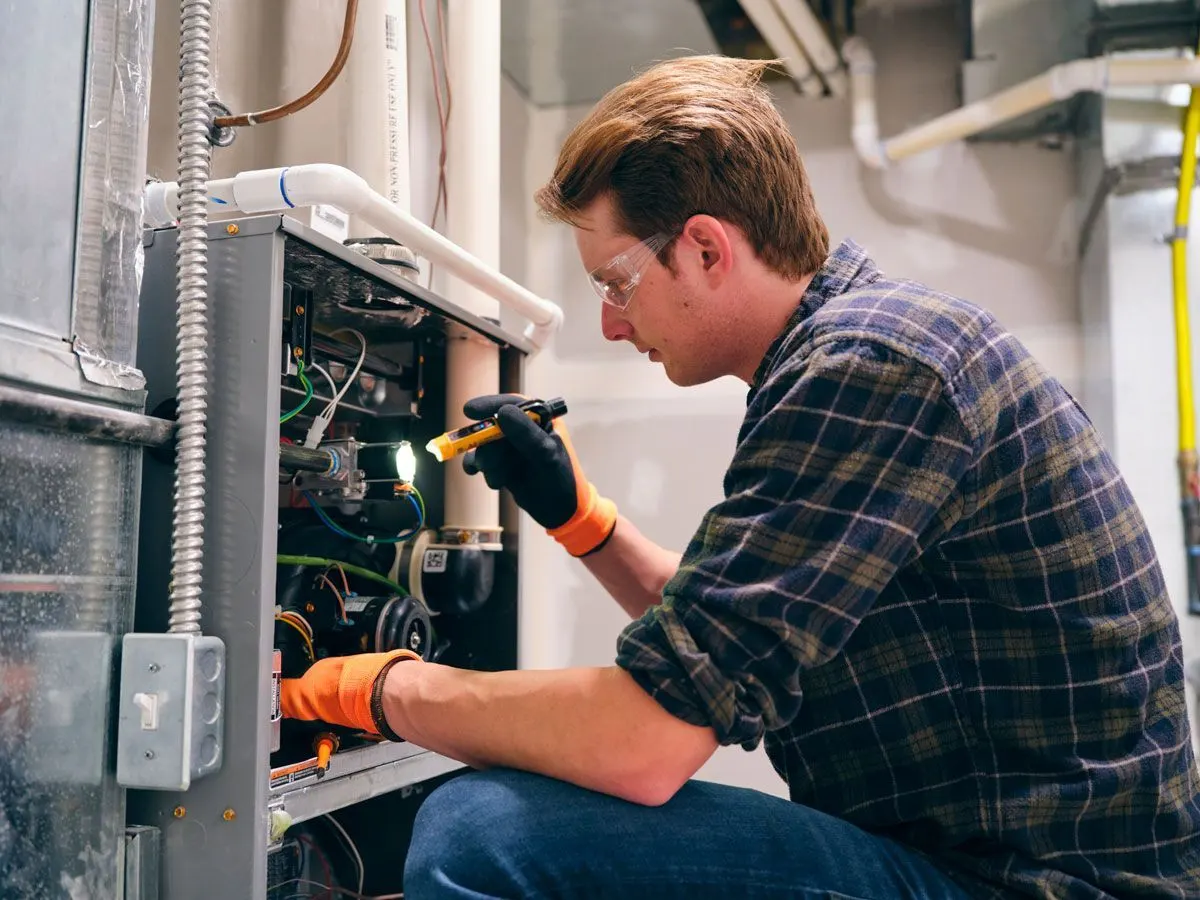
While checking and changing a dirty air filter is standard homeowner maintenance that should be performed regularly, diagnosing a tripping thermal switch or an overheating motor requires a licensed professional. If you have replaced a dirty filter but the system continues to short-cycle, the motor may have already sustained damage, or the internal safety switches may be failing. Professional preventative AC maintenance ensures that the electrical draw of the motor is tested and verified safely.
Honest Diagnostics: Getting an Objective Evaluation for Your AC
When an air conditioner begins short-cycling, the symptoms can be alarming. The rapid clicking, the sudden loss of cooling, and the strange electrical noises often lead homeowners to fear the worst. However, a short-cycling AC does not automatically mean you have a dead compressor or require a full, expensive system replacement. The root cause is frequently a tripped safety sensor, a clogged drain, or a failing capacitor that can be resolved with targeted repairs.
This is where a commitment to honest diagnostics and family values makes a profound difference. Rather than pushing for unnecessary replacements at the end of the cooling season, a professional diagnostic process focuses on objectively evaluating the system to find the exact point of failure. A typical pattern we see involves homeowners with aging HVAC systems worrying that a short-cycle signals the end of their equipment's life. Recently, a technician thoroughly assessed an older system, explaining honestly what needed to be done without aggressive sales tactics, ensuring the homeowner had clear, upfront information about their repair options. A comprehensive evaluation includes:
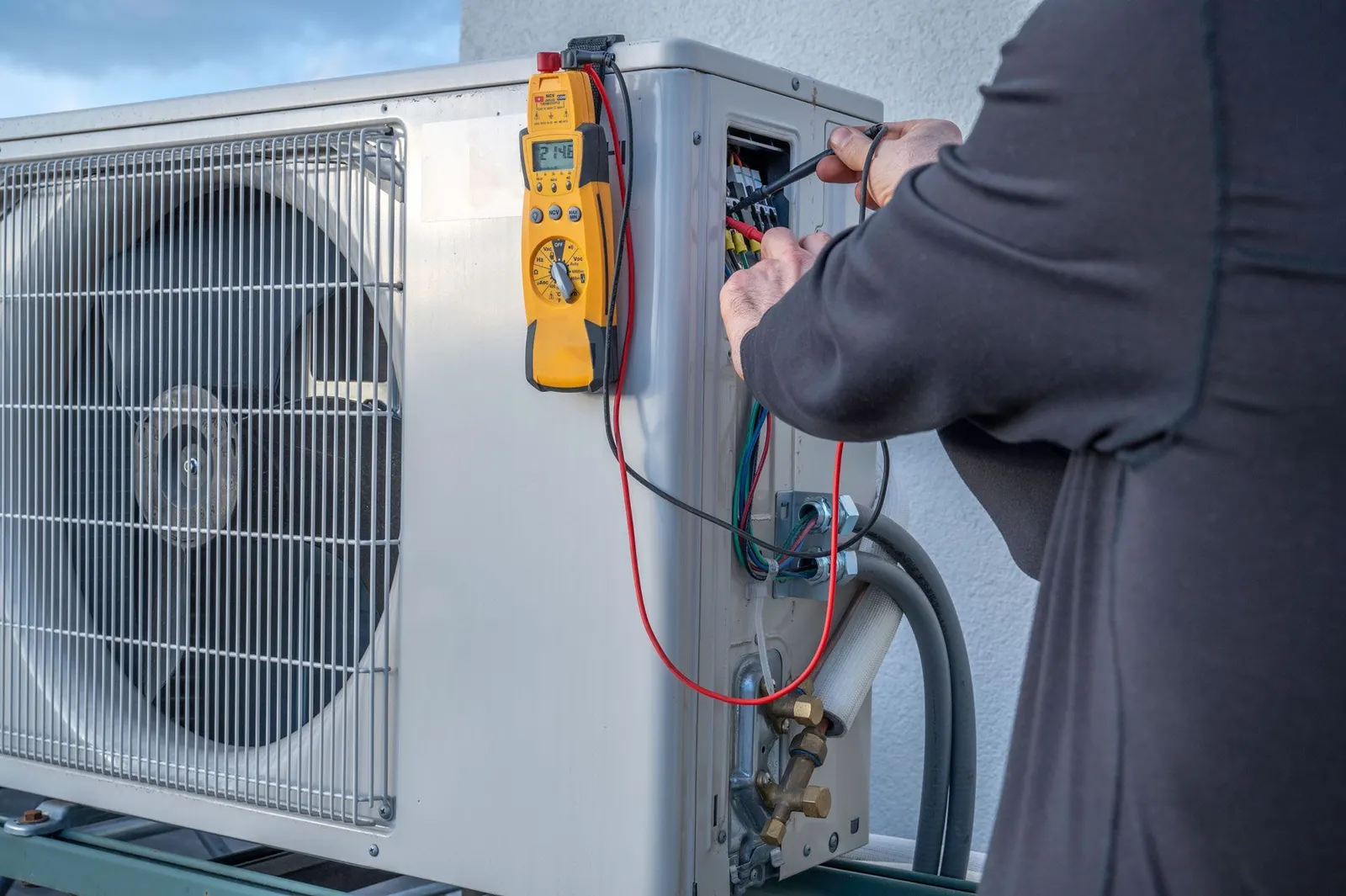
- Testing electrical components: Measuring the microfarads of run capacitors to ensure they are delivering the proper voltage to the compressor and blower motor.
- Evaluating airflow and static pressure: Checking the ductwork and filter housings to ensure the blower is not fighting against invisible restrictions.
- Inspecting drainage systems: Clearing the condensate lines and testing the mechanical function of the float switches to prevent future nuisance trips.
- Checking refrigerant levels: Verifying subcooling and superheat measurements to ensure the system has the correct charge to prevent coil freezing.
Clear communication ensures that Williamsport MD area homes receive the right solution for their specific situation, whether that is a simple sensor replacement or a more involved mechanical repair.
Preparing Your System for Fall: Why Addressing Short-Cycling Matters Now
Addressing a short-cycling air conditioner during the September early fall transition is not just about staying comfortable during the last few warm days of the year; it is about preparing your entire home for the winter ahead. In most residential HVAC setups, the air conditioner and the furnace share the same central ductwork and the same indoor blower motor. The fan that pushes cold air through your vents in August is the exact same fan that pushes hot air through your vents in December.
If your system is short-cycling now due to a struggling blower motor, restricted airflow, or failing electrical relays, those exact same problems will persist when you switch the thermostat to heating mode. Ignoring airflow or sensor issues today risks a sudden furnace failure on the first freezing night of the year. Furthermore, the transition season is the critical window to address indoor air quality (IAQ). Before the windows are closed and the home is tightly sealed for the winter, ensuring that the blower is clean, the coils are free of biological growth, and the ductwork is flowing properly is vital for your family's health. A comprehensive pre-heating season safety check resolves lingering summer cooling issues while simultaneously verifying that the furnace heat exchanger and burners are safe to operate.
Frequently Asked Questions About AC Short-Cycling
Why does my AC run for a few minutes then stop?
This rapid start-and-stop behavior is known as short-cycling, and it is usually caused by internal safety switches detecting an operational hazard. Common triggers include a clogged condensate drain, an overheating blower motor, or a frozen evaporator coil. The system intentionally shuts down to prevent catastrophic damage to the compressor or indoor flooding. Resolving the issue requires identifying which safety switch is tripping.
Can cool fall nights cause my AC to freeze up and stop?
Yes, if your system suffers from restricted airflow due to dirty filters or a failing blower, the combination of cool outdoor temperatures and poor air circulation can easily freeze the evaporator coil. Without enough warm indoor air passing over the cold copper tubing, the condensation on the coil turns to solid ice. Once the coil is frozen, internal sensors will force the AC to stop cooling until the system thaws out.
How do I fix an AC that stops cooling?
The first and safest step for any homeowner is to check the indoor air filter; if it is visibly caked in dust, replace it immediately and ensure all indoor return and supply vents are fully open. Do not block vents with furniture or rugs. If the filter is clean and the problem persists, the issue requires a professional diagnostic to safely check high-voltage electrical components, refrigerant levels, and internal drainage lines.
Is short-cycling dangerous for my HVAC system?
It is highly damaging to the outdoor compressor, which is the most critical and expensive component of the system. The compressor draws the most electrical power during its initial startup phase. Frequent, rapid starts and stops drastically increase wear and tear, significantly reduce the overall lifespan of the equipment, and cause a noticeable spike in monthly energy bills.
Why is my AC compressor shutting off after 2-3 minutes?
When a compressor shuts down just two to three minutes into a cycle, it is often tied to a faulty low-pressure switch, a severe refrigerant leak, or a failing run capacitor that cannot sustain the necessary electrical load. Because these components deal with high voltage and pressurized refrigerant, immediate professional evaluation is required to prevent permanent electrical damage to the unit.
Secure Your Comfort Before the Heating Season Begins
An expert explanation of fall HVAC preparation highlights one clear truth: catching a short-cycling AC early prevents a winter heating emergency later. Transitioning your system safely during the September early fall transition ensures that your equipment operates efficiently, your indoor air quality remains high, and your family stays comfortable. Do not let lingering summer wear turn into a sudden furnace failure. Schedule a professional AC repair service and comprehensive evaluation today to confidently secure your home's comfort for the seasons ahead.