
Is Your AC Quitting Before the House is Comfortable?
If you need common homeowner questions answered about why your air conditioner turns on, blows cold air for just a few minutes, and then abruptly shuts down before the house actually feels cool, you are in the right place. As we enter the September early-fall transition, this erratic cooling behavior becomes incredibly noticeable. At Comfort Central Inc., our team frequently sees systems struggle to adapt to fluctuating indoor loads during this time of year, leaving homeowners frustrated and their living spaces uncomfortable. Transitioning a residential HVAC system from cooling to heating during early fall weather swings requires identifying which early-fall maintenance tasks are safe for DIY—like simple filter changes—versus when to call a professional for a pre-heating tune-up.
For comprehensive air conditioning services or to schedule a professional AC repair service, our team is ready to help restore your comfort safely and efficiently.
Understanding the Short-Cycling Phenomenon
When an air conditioner cools briefly and then shuts off, the industry term for this behavior is "short-cycling." This is not just a minor annoyance; it is a clear mechanical signal that something within the system is preventing it from completing a full, healthy cooling cycle. In our years of servicing Williamsport MD residential properties, our team has found that understanding this phenomenon is the first step toward restoring consistent indoor comfort.
What is a normal cooling cycle?
A properly sized and functioning air conditioner should run for roughly 15 to 20 minutes per cycle during warm weather. This duration gives the equipment enough time to circulate the air throughout the home, lower the ambient temperature, and, most importantly, extract excess moisture from the indoor environment. If your system runs for less than 10 minutes before powering down, it is short-cycling.
Why does short-cycling leave my home feeling clammy?
Air conditioners perform two jobs: they cool the air, and they dehumidify it. The dehumidification process takes time. Moisture is pulled from the air as it passes over the cold indoor evaporator coil. If the system only runs for five or eight minutes, it might drop the temperature a few degrees, but it shuts off before it can remove the humidity. This results in a cold but damp, clammy feeling inside the house.
How does this erratic behavior damage the system?
HVAC systems consume the most energy and endure the most mechanical stress during startup. The compressor and blower motor have to work hard to overcome inertia and get the refrigerant moving. When a system short-cycles, it starts and stops constantly, multiplying that mechanical wear and tear. Over time, this leads to premature component failure and higher utility bills. For a deeper dive into the mechanical side of things, read our guide on understanding short-cycling.
How Mild Weather Swings Exacerbate Cooling Issues
The early fall challenge: During the September early-fall transition, outdoor temperatures become highly unpredictable. You might wake up to a brisk 55-degree morning, only to see the thermostat climb back to 80 degrees by mid-afternoon. These mild weather swings drastically alter the cooling load on your home, exposing underlying issues with your HVAC system.
The Mid-Atlantic humidity factor: In Mid-Atlantic early fall weather—especially around Williamsport, MD—high humidity often lingers even as the actual air temperatures begin to drop in September. Because the outdoor temperature is milder, your air conditioner doesn't have to run very long to satisfy the thermostat's temperature setting. It cools the house quickly, shuts off, and leaves all that lingering humidity trapped indoors.
The oversized equipment problem: A pattern we see often at Comfort Central Inc. is that this transition season is particularly tough on oversized air conditioners. If a system has too much cooling capacity for the square footage of the home, it acts like a sledgehammer when a scalpel is needed. It blasts the house with cold air, satisfies the thermostat in mere minutes, and abruptly shuts down. While this might go unnoticed during peak July heat when the system has to work harder anyway, the mild September weather makes the short-cycling glaringly obvious.
| Condition | Peak Summer Behavior | Early Fall Transition Behavior |
|---|---|---|
| Cooling Load | High demand; system runs long cycles. | Low to moderate demand; short cycles likely. |
| Humidity Removal | Effective, due to extended run times. | Poor, as the system shuts off too quickly. |
| System Stress | Continuous steady operation stress. | High start/stop mechanical stress. |
Warning signs of seasonal struggle: Erratic behavior in mild weather is often a warning sign that the system is struggling to adapt to changing conditions. Ignoring these transition-season symptoms can lead to more significant failures right when you need to switch over to heating.
Safe Preliminary Checks: What You Can Do First
Before assuming your air conditioner requires a major mechanical overhaul, there are several safe, straightforward troubleshooting steps you can perform. As a homeowner, identifying which tasks are safe for DIY and which require a licensed expert is vital for your safety and the longevity of your equipment.
The safe homeowner checklist:
- Inspect and replace dirty air filters: According to the U.S. Department of Energy, dirty filters are a leading cause of restricted airflow. When air cannot flow freely over the indoor coil, the coil can literally freeze solid, causing the system to cool briefly and then stop as the ice blocks the air entirely. Check your filter monthly, especially in Williamsport MD residential properties where seasonal allergens and dust accumulate quickly.
- Verify your thermostat settings: Ensure the thermostat is set to "cool" and the fan is set to "auto" rather than "on." If the fan is set to "on," it will blow continuously, even when the compressor isn't running, making it feel like the AC is blowing warm air. Additionally, swap out the thermostat batteries if they are low; a dying battery can cause the thermostat to lose its connection and drop the cycle prematurely.
- Check your indoor vents: Walk through your home and ensure all supply registers and return grilles are fully open. Do not close vents in unused rooms. Closing vents increases static pressure inside the ductwork, choking the system and forcing it to short-cycle. Make sure no heavy furniture or rugs are blocking the airflow.
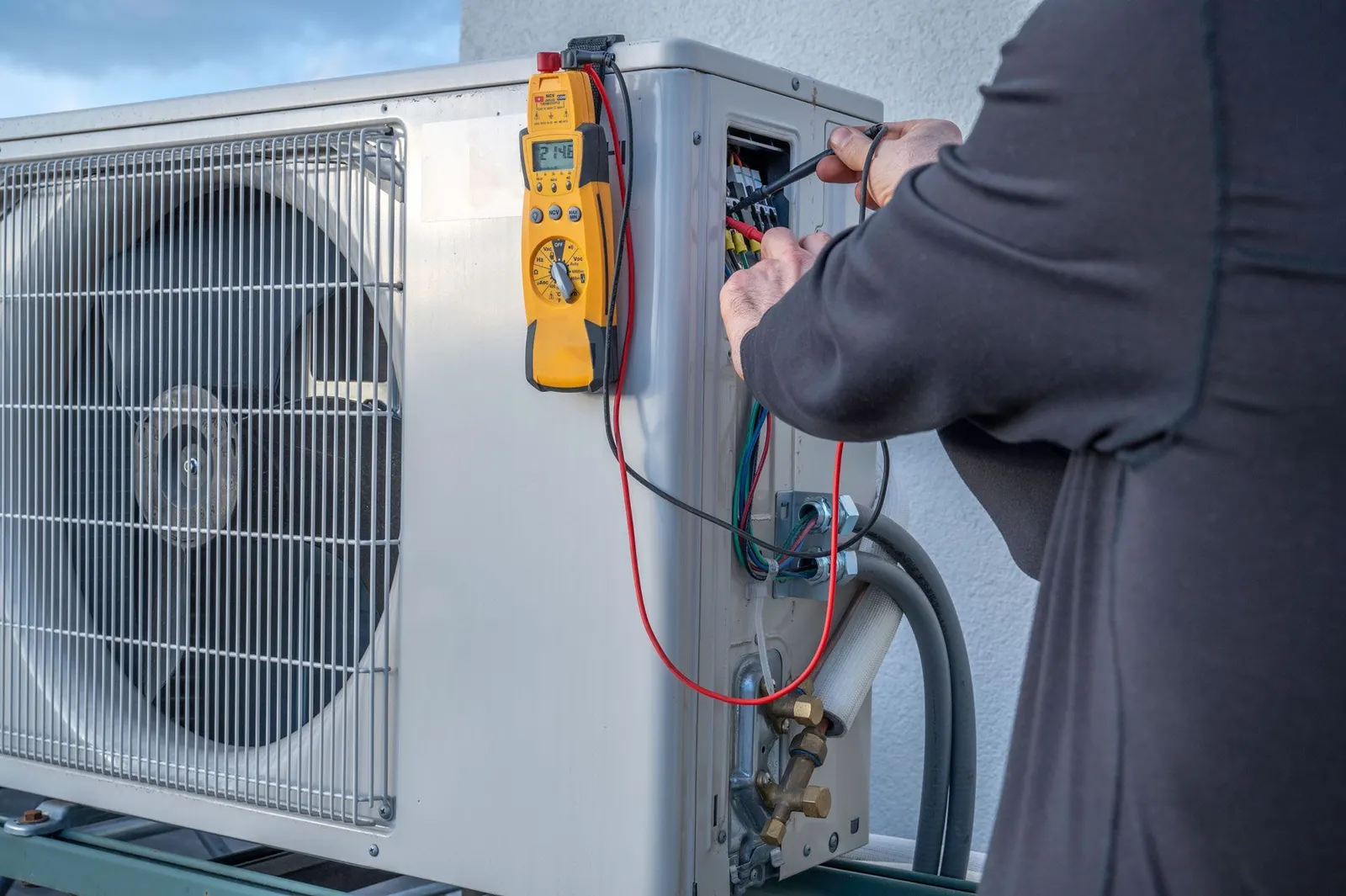
- Stay out of the cabinet: Explicitly, opening the HVAC cabinet to inspect electrical parts, capacitors, or refrigerant lines is highly unsafe. This equipment operates on high voltage and contains pressurized chemicals. If the issue lies beyond the filter, thermostat, or vents, it requires a licensed professional.
When to Stop Troubleshooting
If you have verified that the filter is clean, the vents are clear, and the thermostat is set correctly, but the system continues to short-cycle, stop the unit immediately. Switch the thermostat to the "off" position. Continuing to run a malfunctioning air conditioner forces a struggling compressor to keep starting and stopping, which can quickly turn a minor repair into permanent, catastrophic compressor damage.

The Hidden Culprits: Diagnosing Complex AC Failures
If the safe preliminary checks do not resolve the issue, the root cause is likely mechanical or electrical. Understanding these hidden culprits highlights exactly why professional diagnostics are necessary during the September early-fall transition.
Could a frozen evaporator coil be stopping the airflow?
One of the most frequent reasons an AC cools and then stops is a frozen indoor evaporator coil. This happens when there is a severe lack of airflow (often from neglected maintenance) or a low refrigerant charge due to a leak. The system initially blows cold air, but as the condensation on the coil turns to solid ice, it blocks the air from passing through. Eventually, the system either shuts down on a safety switch or begins blowing warm air. Resolving this requires a technician to safely thaw the system, locate any refrigerant leaks, and restore proper charge levels.
Is the compressor overheating and shutting itself down?
The compressor is the heart of the outdoor unit. If it overheats, a thermal overload safety switch will automatically cut power to protect it from melting down. Overheating can be caused by a dirty outdoor condenser coil, low refrigerant, or mechanical friction inside the compressor itself. Once the compressor cools off, the system might try to start again, resulting in a frustrating loop of short, ineffective cooling cycles.
Did a safety switch cut power to the unit?
Modern HVAC systems are equipped with safety float switches in the condensate drain line. As your AC removes humidity from the air, that water has to drain outside. If the drain pipe clogs with algae, dirt, or debris, water backs up into the drain pan. Before it can overflow and flood your ceiling or floors, the float switch trips and shuts off the cooling cycle. The system will not run again until the drain is professionally cleared.
Are failing electrical components to blame?
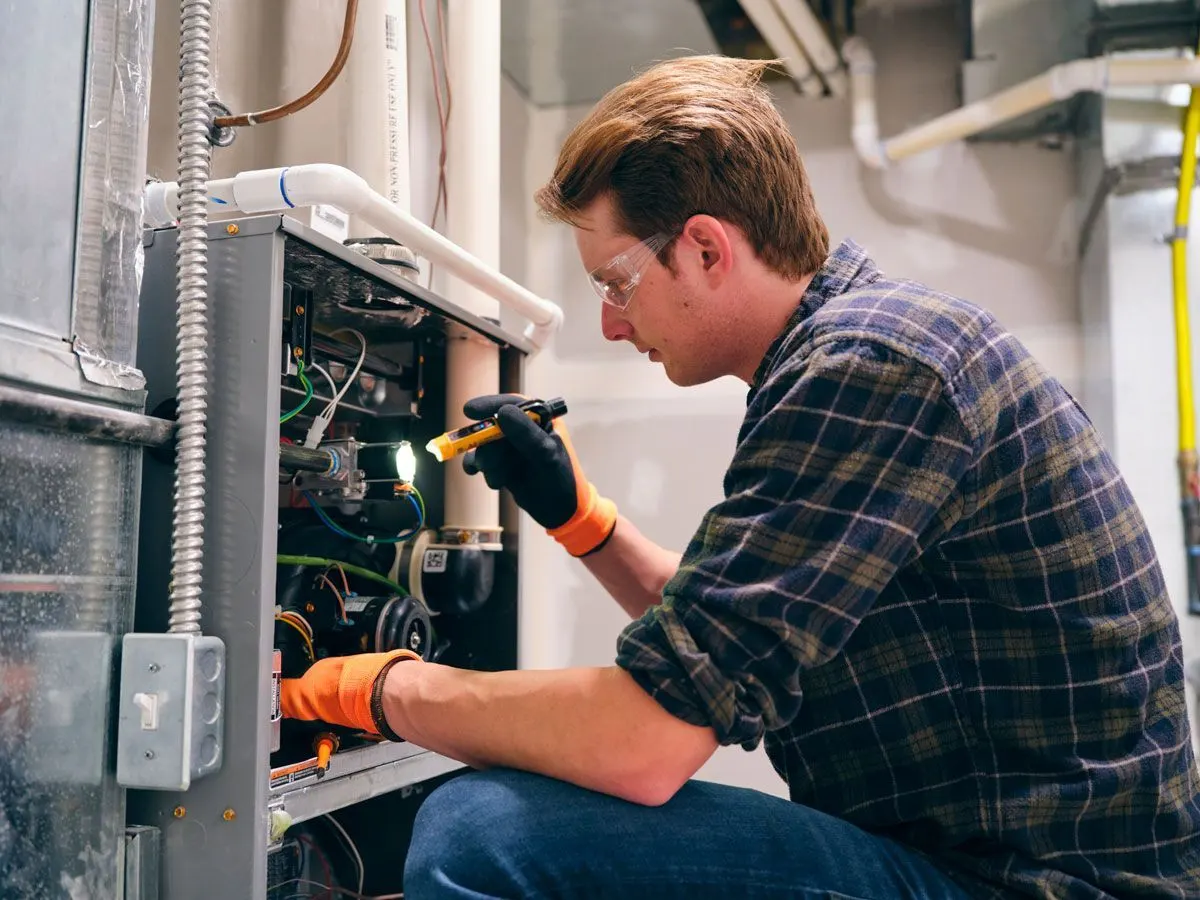
Sometimes, the mechanical parts are fine, but the electrical delivery is failing. A common culprit is a weak or burned-up run capacitor. The capacitor acts like a battery, delivering the jolt of electricity needed to keep the blower motor or compressor running. If it fails, the motor may start briefly, struggle, and shut down. During a recent summer service call, a homeowner with no prior HVAC knowledge experienced this exact frustration when their system repeatedly shut down. Our technicians spent time thoroughly explaining the problem—a failing electrical component—and outlined the repair options transparently so the customer felt fully informed. For expert diagnostics like this, you can rely on our AC repair in Williamsport.
Bridging the Gap: Transitioning to Pre-Heating Maintenance
Connecting late-season struggles to winter readiness: An air conditioner that struggles to complete a cycle in mild weather is waving a red flag for the entire HVAC system's health. In many Williamsport MD residential properties, the AC and the heating system share the same ductwork, blower motor, and electrical framework. If a dirty blower wheel or a failing capacitor is causing your AC to short-cycle in September, that same component will likely fail when your furnace or heat pump tries to warm your home in December.
The urgency of a pre-heating tune-up: This is why bridging the gap between cooling and heating seasons is so critical. A professional fall tune-up addresses the lingering issues from summer while preparing the heating elements for freezing temperatures. According to ENERGY STAR, routine seasonal maintenance improves HVAC efficiency, helps prevent unexpected breakdowns, and extends the overall lifespan of the equipment.
Honest diagnostics over unnecessary replacements: It is easy to panic when a system starts acting erratically, but erratic behavior does not automatically mean a costly replacement is needed. Recently, a customer with an aging HVAC system reached out because the unit was struggling during the seasonal shift. Instead of pushing a replacement, the technician thoroughly assessed the system, explained the necessary repairs, and provided honest advice on what needed to be done to keep it running safely. Our family-values approach ensures that homeowners receive transparent diagnostics. We believe in fixing what is broken and preparing your system for the season ahead without aggressive sales tactics.
To ensure your system is prepared for the cold weather, consider scheduling AC maintenance and tune-ups before the first freeze hits.
Frequently Asked Questions About Erratic AC Cooling
Why does my AC run for 10 minutes then shut off?
This rapid on-and-off behavior is called short-cycling, and it indicates the system is unable to complete a full cooling cycle. Common causes include dirty air filters restricting airflow, oversized equipment cooling the space too quickly, or an overheating compressor triggering a safety shutdown. Because the cycle is so brief, it prevents the system from properly dehumidifying the home, leaving the indoor air feeling cold but damp. Addressing this promptly prevents severe mechanical wear and tear.
Why is my AC blowing cold air then warm air?
Blowing cold air followed by warm air often indicates a frozen evaporator coil or a significant refrigerant leak. The system cools initially, but as the indoor coil freezes over, airflow is physically blocked, and the air coming out of the vents begins to feel warm or weak. This requires a professional diagnostic to check refrigerant levels and ensure the blower motor is operating at the correct speed.
Should I turn off my AC if it stops cooling?
Yes, you should immediately switch the thermostat to the "off" position if the system stops cooling properly. Continuing to run a malfunctioning system can cause severe, permanent damage to the compressor as it struggles to operate under strain. Leave the system off until you have safely checked the air filter or until a licensed professional inspects the equipment.
What HVAC maintenance can I do myself in the fall?
As a homeowner, you can safely perform preliminary airflow checks to prepare for the heating season. Safely replace the indoor air filter to ensure unrestricted airflow.
- Clear leaves, branches, and debris away from the outdoor unit.
- Ensure all indoor supply and return vents are open and unobstructed by furniture.
- Leave all electrical testing, internal mechanical checks, and refrigerant handling to a licensed technician.
Why is my AC short-cycling in mild weather?
Mild outdoor temperatures naturally reduce the overall cooling load on your home during the September early-fall transition. If a system is slightly oversized, it will cool the home far too quickly in mild weather and shut off long before removing indoor humidity. This erratic behavior can also be triggered by a dying thermostat battery struggling to read the rapid temperature swings associated with early fall mornings and afternoons.
Secure Your Indoor Comfort Before Winter Arrives
Taking proactive steps today: Short-cycling is a clear, undeniable signal that your HVAC system needs attention. Whether the culprit is a clogged filter you can change yourself, or a complex electrical fault requiring an expert eye, ignoring the symptom will only lead to larger problems. Addressing these late-season cooling issues now prevents worse breakdowns during the harsh winter months ahead.
Your next step: Do not wait for the first freezing night to discover your system is compromised. By scheduling a professional inspection and tune-up now, you secure year-round reliability for your home. We are committed to providing clear, non-technical guidance on safe preliminary checks and delivering the honest, safety-focused service you need to keep your family comfortable in every season.