
Navigating the Early Fall Transition: When Cooling Suddenly Stops
When the early fall transition (September) arrives and the weather begins to shift, mastering a few essential home maintenance tips and troubleshooting steps can save you from an unexpected breakdown. At Comfort Central Inc., our team knows firsthand that the transition from intense summer heat to cooler autumn temperatures in Williamsport is notoriously hard on home comfort systems. You might hear your air conditioner kick on, feel a blast of cold air from the vents, and then listen as the system abruptly shuts down just a few minutes later. This frustrating cycle leaves your home feeling humid, unevenly cooled, and uncomfortable.
This unpredictable behavior is commonly known as "short-cycling." During the early fall months, we see this become one of the most frequent issues homeowners face. As the outdoor temperatures fluctuate, your HVAC system can struggle to keep up with the shifting demands. The primary goal right now is to determine whether your system is simply confused by the seasonal temperature swings, or if it is suffering from a mechanical failure that requires immediate attention.
Before you ignore the problem and hope it resolves itself, it is important to understand what is happening inside your equipment. Ignoring a system that turns on and off rapidly can turn a minor adjustment into a major compressor failure. If you are already tired of dealing with an unreliable system, exploring professional air conditioning services or booking an AC repair service is the fastest way to restore reliable cooling to your home.
What Does It Mean When an AC Cools Then Stops Cooling?
To recognize when your air conditioner is malfunctioning, you first need to understand how it is supposed to operate under normal conditions. A standard central air conditioning system does not blow cold air continuously; instead, it runs in cycles. When the thermostat detects that the indoor temperature has risen above your set preference, it signals the system to turn on. A healthy cooling cycle typically lasts anywhere from 15 to 20 minutes. This duration is necessary for the equipment to effectively remove humidity from the air and distribute the conditioned air evenly throughout every room in your house.
The Mechanics of Short-Cycling
Short-cycling occurs when the system turns on, runs for a very brief period—usually less than 10 minutes—and then shuts itself off before completing a full cooling cycle. Shortly after shutting down, the thermostat realizes the house is still warm, and the system is forced to start up all over again. This rapid on-and-off loop is a clear symptom of an underlying issue, not just a temporary quirk of the machine.
The Hidden Costs of Rapid Cycling
Allowing an air conditioner to short-cycle is highly detrimental to the equipment. The most stressful part of an air conditioner's operation is the startup phase. When the compressor first kicks on, it draws a massive surge of electricity—often called the in-rush current. If the system is starting up six or seven times an hour instead of the normal two or three, the wear and tear on electrical contactors, capacitors, and the compressor itself multiplies exponentially.
Beyond the mechanical strain, short-cycling destroys your energy efficiency. Because the system never runs long enough to reach peak operating efficiency, it consumes significantly more electricity while providing less actual cooling. Furthermore, because the cycle is so brief, the system fails to draw enough air over the indoor coils to dehumidify the home. If you want to learn more about the specific mechanics behind this issue, our guide on understanding short-cycling breaks down the internal processes in even greater detail.
Common Culprits Behind Unpredictable Cooling Cycles
When an air conditioner stops cooling prematurely, it is usually because a built-in safety switch has been triggered to prevent catastrophic damage. Several distinct mechanical failures can cause these safety mechanisms to deploy.
Dirty and Clogged Air Filters: The most common cause of a short-cycling air conditioner is a severely restricted air filter. Your system relies on a steady volume of warm return air blowing over the indoor evaporator coil. If a dirty filter blocks that airflow, the refrigerant inside the coil absorbs too little heat. As a result, the temperature of the coil plummets below freezing. Condensation on the coil turns to solid ice, blocking airflow entirely. Once the system detects this freezing condition or the resulting pressure drop, it shuts down to protect the compressor.
Low Refrigerant and Pressure Leaks: Air conditioners do not consume refrigerant; it circulates in a closed loop. If your system is low on refrigerant, there is a leak somewhere in the copper lines or coils. Low refrigerant alters the pressure dynamics of the entire system. Modern air conditioners are equipped with low-pressure safety switches. When the pressure drops below a safe operating threshold, the switch trips and instantly kills power to the unit, stopping the cycle in its tracks.
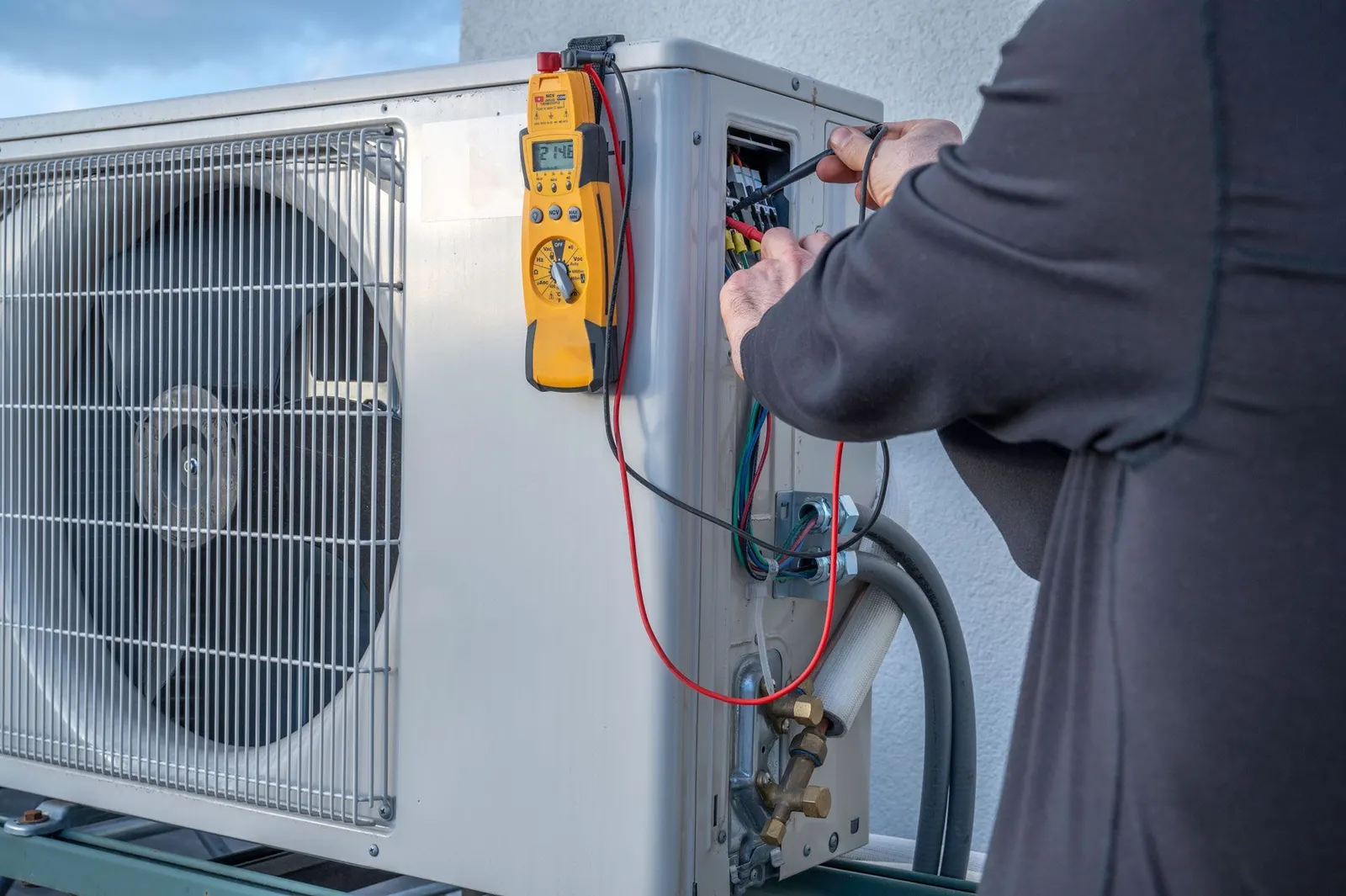
Electrical Component Failures: The late summer and early fall humidity in Williamsport puts a tremendous amount of extra strain on outdoor electrical components. Parts like capacitors—which act as large batteries to give the compressor the jolt of energy it needs to start—work overtime during humid heatwaves. If a capacitor is failing, the compressor may overheat and shut down prematurely on a thermal overload. Our technicians at Comfort Central Inc. see this pattern frequently. Just last season, our team responded to a local homeowner during a heatwave when the capacitor on their indoor blower burned up entirely. Because they called for help quickly, our technician arrived with the correct part in stock and completed the repair before the system suffered further damage.
To prevent these exact scenarios, staying on top of routine AC maintenance is the most effective strategy. A thorough tune-up catches failing capacitors and restricted airflow long before they cause the system to shut down on a hot afternoon.
The September Switch: How Temperature Swings Confuse Your Thermostat
During the early fall transition (September), the Mid-Atlantic region experiences a very specific and challenging weather pattern. In our years of servicing HVAC systems across the area, we frequently see hot, humid afternoons where the temperature climbs into the mid-80s, followed by sharp drops at night where the temperature plummets into the 50s. This hot-day, cold-night dynamic creates a unique challenge for your home's thermostat.
Many homeowners leave their thermostats set to the "Auto" position, expecting the system to seamlessly manage the temperature swings. However, the "Auto" setting can actually be the cause of unpredictable cycling. When the temperature fluctuates rapidly, a thermostat set to Auto may attempt to switch back and forth between the cooling and heating modes within the same 12-hour period.
This rapid switching can confuse the system's control board. Air conditioners and heat pumps require a built-in delay—usually about five minutes—between cycles to allow the refrigerant pressures to equalize. If the thermostat demands heating immediately after a cooling cycle, the system may lock itself out as a protective measure, resulting in a system that turns on, blows air for a moment, and then stops entirely.
Best Practices for the Transition Weeks:
- Pick a dedicated mode: Instead of relying on Auto, manually select "Cool" during the hot days and switch to "Heat" only when the evening chill sets in.
- Widen the deadband: If you must use Auto, ensure there is a wide temperature gap (at least 4 to 5 degrees) between your cooling setpoint and your heating setpoint so the system isn't constantly fighting itself.
- Monitor indoor humidity: Sometimes, running the AC just to remove the sticky September humidity is more important than dropping the actual air temperature.
Harmless Dust Burn-Off or a Mechanical Hazard?
As the early fall transition progresses, you will eventually need to switch your system from cooling over to heating. The very first furnace cycle after summer often introduces a new set of sensory alarms for homeowners—specifically, unusual smells. It is critical to know the difference between a normal seasonal odor and a dangerous mechanical hazard.
When a furnace sits idle from May until September, dust, pet dander, and airborne particles settle directly onto the metal heat exchanger inside the unit. When you turn the heat on for the first time, those metal tubes heat up to hundreds of degrees, instantly incinerating the accumulated dust. This creates a distinct "burnt dust" smell that permeates the house through the ductwork.
While alarming, this smell is a harmless, normal seasonal occurrence. However, if that smell is accompanied by the system short-cycling, or if the odor resembles melting plastic, you are dealing with a hazard.
| Symptom | Harmless Startup Odor | Mechanical Hazard |
|---|---|---|
| Type of Smell | Musty, earthy, or like toasted dust. | Acrid, melting plastic, ozone, or burning wires. |
| Duration | Fades entirely within 15 to 30 minutes of runtime. | Persists for hours or gets stronger the longer the unit runs. |
| System Behavior | Runs smoothly through a full 15-20 minute heating cycle. | Shuts down after less than 10 minutes (short-cycling) or trips the breaker. |
| Smoke Presence | No visible smoke, only odor. | Visible smoke or haze near the indoor unit or vents. |

Troubleshooting Safely: When to Call a Professional
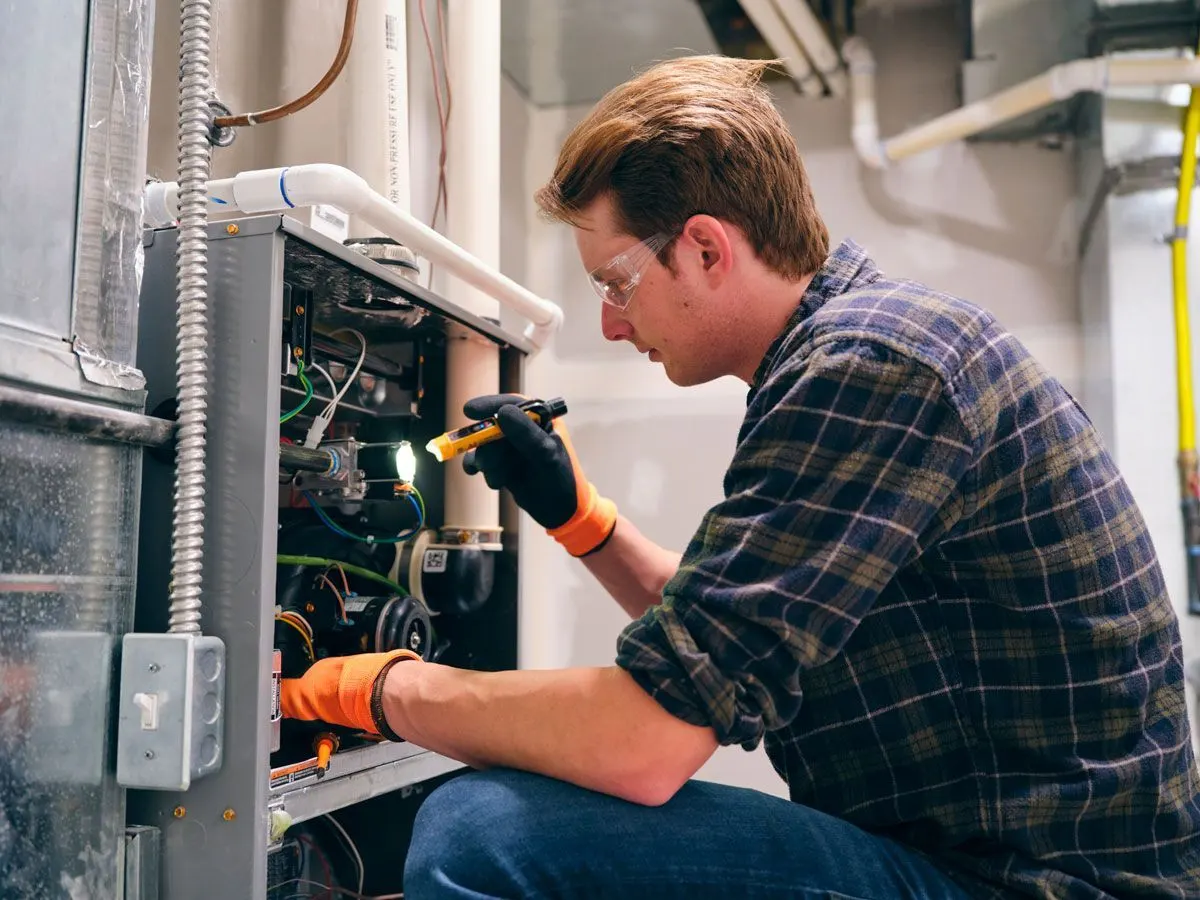
When your system starts short-cycling or producing odd smells, there are a few safe steps you can take to troubleshoot the issue. However, modern HVAC systems utilize high-voltage electricity and pressurized chemical refrigerants. Crossing the line between safe homeowner maintenance and dangerous DIY repairs can result in severe injury or permanent damage to the equipment.
Safe Homeowner Checks:
- Verify the thermostat settings: Ensure the thermostat is set explicitly to "Cool" or "Heat" rather than "Auto," and replace the batteries if the screen is fading.
- Inspect the air filter: Pull out the indoor air filter. If you cannot see light through it, it is clogged and must be replaced immediately.
- Check the vents: Walk through your home and ensure that at least 80% of your supply and return registers are fully open and unblocked by furniture or rugs.
- Clear the outdoor unit: Ensure the outdoor condenser is free of late-summer yard debris, tall grass, and autumn leaves.
When to Stop and Call for Help:
You must never attempt to check refrigerant levels, test high-voltage electrical components like capacitors, or bypass safety switches. These tasks require specialized tools, EPA certifications, and extensive training. If your system repeatedly runs for less than 10 minutes, emits an electrical burning smell, or completely locks out and refuses to turn on, you have crossed the threshold into emergency territory.
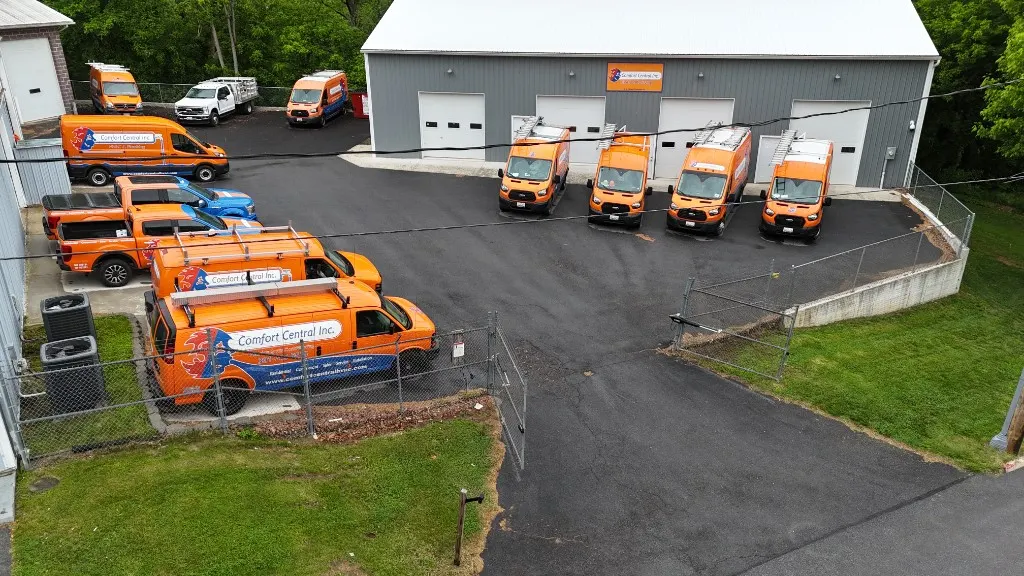
Having access to responsive, 24/7 emergency service provides a critical safety net when unpredictable cycling crosses the line into hazardous territory. For example, when a customer with an aging AC system recently reached out to our team at Comfort Central Inc. for an honest assessment after dealing with ongoing cycling issues, we were ready to help. Our technician thoroughly explained the mechanical failures, providing the homeowner with safe, professional guidance rather than a temporary DIY patch. If you are facing similar uncertainties, relying on professional AC repair in Hagerstown ensures the job is done safely and correctly.
Frequently Asked Questions About Short-Cycling and Fall HVAC Issues
Why does my AC run for 10 minutes and stop?
This is known as short-cycling, often caused by restricted airflow, low refrigerant, or an oversized unit. When the system lacks proper airflow due to a dirty filter, the internal coils can freeze, triggering a safety switch that shuts the system down prematurely. If the unit is oversized for the house, it cools the space too rapidly and shuts off before it can properly dehumidify the air, leading to a clammy indoor environment.
Why is my AC blowing cold then warm?
This typically indicates a frozen evaporator coil or a failing compressor that is overheating and shutting down. When the compressor shuts off on a thermal overload, the indoor fan may continue to blow warm, unconditioned air from your ductwork into the living space. Once the compressor cools down and resets, it will blow cold air again until it overheats, repeating the cycle endlessly.
Is it normal for my heater to smell like burning dust?
Yes, during the first startup of the season, accumulated dust burns off the heat exchanger. Because the furnace has sat idle for months, household dust and pet dander settle on the metal components. When the burners ignite, this debris is incinerated, creating a distinct odor. The smell should dissipate entirely within 30 minutes of continuous operation.
Why is my HVAC short cycling in the fall?
Extreme temperature swings can confuse thermostats set to 'Auto', or the system may be reacting to dirty filters accumulated over the summer. The hot days and cold nights of the early fall transition force the system to switch modes rapidly, which can trigger safety lockouts. Additionally, if the system ran heavily all summer without a filter change, the restricted airflow will cause the unit to short-cycle as a protective measure.
Can a dirty air filter cause my AC to stop cooling?
Yes. A clogged filter restricts airflow, causing the system's safety switches to trip to prevent severe damage. Without warm air blowing over the indoor coil, the refrigerant drops below freezing, turning condensation into a block of ice. Once the coil freezes, no air can pass through, and the system shuts down to protect the compressor from liquid refrigerant slugging.
Ensure Reliable Comfort Before the Heating Season Begins
Addressing short-cycling and unusual odors during the early fall transition is the key to maintaining a comfortable, efficient home. Ignoring a system that repeatedly turns on and off will only lead to higher utility bills and accelerated wear on your most expensive mechanical components. By understanding the difference between a dirty air filter and a failing compressor, you can take the appropriate steps to protect your investment.
As the weather continues to cool, ensuring that both your air conditioning and heating components are operating flawlessly is essential. At Comfort Central Inc., we believe you deserve a clear, safety-focused explanation of what to expect during the first fall heating cycle and exact criteria for when to call a professional. If your system is struggling to keep up with the September temperature swings, do not wait for a complete breakdown. Schedule a professional inspection today to secure your comfort and safety before the heavy winter weather arrives.