
Dealing with an AC That Cools Then Stops Cooling in Late Summer
Late August brings some of the most demanding weather of the year, making reliable home maintenance tips and troubleshooting essential when your air conditioner starts acting up. A common and highly frustrating pattern for homeowners is an AC system that turns on, blows cold air for a brief period, and then shuts down completely before the house actually reaches the temperature set on the thermostat. This specific behavior is known in the HVAC industry as short-cycling. By the time end-of-season cooling demands peak, the accumulated wear and tear on your system's components often exposes underlying vulnerabilities that were previously unnoticed.
When an air conditioner runs constantly in short bursts but fails to effectively cool the space, it forces a critical decision point: determining whether the system is struggling due to a simple maintenance oversight, such as a severely clogged air filter, or if it is experiencing a complex technical failure that requires specialized intervention. Before the back-to-school transition fully takes over your schedule, addressing this operational flaw is highly recommended to protect the equipment from catastrophic damage.
For comprehensive air conditioning services or to schedule a professional AC repair service, reaching out to a trusted local expert ensures your system is properly evaluated.
Understanding Short-Cycling and Latent Cooling Loss
To fully grasp why an air conditioner that cools briefly and shuts off is so problematic, it is necessary to understand the technical mechanics of the cooling cycle. Short-cycling occurs when the cooling cycle terminates prematurely. A standard, healthy air conditioning cycle should run long enough to circulate the indoor air over the evaporator coils multiple times, gradually lowering the temperature and extracting airborne moisture.
This moisture extraction process is known as latent cooling. In the humid subtropical climate of the Williamsport MD area, latent cooling is just as critical to indoor comfort as sensible cooling (the actual reduction of air temperature measured by a thermometer). When an AC system short-cycles, it may run just long enough to drop the sensible temperature by a degree or two, satisfying the thermostat temporarily, but it shuts off long before it can perform any meaningful latent cooling.
The result is a home that feels cold but extremely clammy and humid. High indoor humidity makes the ambient air feel significantly warmer than the thermostat indicates, often prompting homeowners to lower the temperature setting even further. This creates a vicious cycle where the system is forced to start and stop continuously. Every startup requires a massive surge of electricity and places intense mechanical strain on the compressor. Continuous short-cycling forces the entire system to work much harder than designed, accelerating component wear and drastically reducing the overall lifespan of the equipment. Gaining a solid understanding short-cycling is the first step in diagnosing why your home remains uncomfortable despite the AC running constantly.
Common Causes Behind an AC That Cools Briefly and Shuts Off
When diagnosing an air conditioner that cools then stops cooling, several specific culprits frequently emerge. While some are tied to basic end-of-season cooling maintenance, others indicate severe mechanical distress.
- Restricted airflow from severely dirty air filters: A clogged filter chokes the blower motor, preventing enough warm indoor air from passing over the evaporator coil. Without that heat transfer, the coil becomes excessively cold, leading to ice formation and triggering high-limit safety switches to shut the system down.
- Frozen evaporator coils blocking heat transfer: Whether caused by poor airflow or low refrigerant, a layer of ice acts as an insulator on the evaporator coil. The system will blow cold air initially, but as the ice thickens, airflow is completely blocked, and the unit shuts down to protect the compressor from liquid slugging.
- Thermostat malfunctions and poor placement: A thermostat located near a heat source, in direct sunlight, or directly beneath an air supply register will read the room temperature inaccurately. Failing sensors can also send erratic signals, commanding the cooling cycle to terminate prematurely.
- Low refrigerant levels causing pressure drops: Air conditioners operate on a closed-loop system. If there is a leak, the system loses pressure. Modern AC units are equipped with low-pressure safety switches that intentionally force the compressor to shut down to prevent it from burning out when refrigerant levels drop too low.
- Oversized AC units: If an air conditioner has a cooling capacity that is too large for the square footage of the home, it will blast the space with cold air and satisfy the thermostat rapidly. However, this quick cooling fails to remove humidity, leading to short, inefficient cycles.

How Cumulative Summer Fatigue Affects AC Components
By the time late August arrives, an air conditioning system has typically endured hundreds, if not thousands, of hours of continuous operation. This cumulative summer fatigue degrades component efficiency significantly. Mechanical wear and tear is not always a sudden event; it is often a slow degradation of heat transfer capabilities and electrical resilience.
One of the most common victims of end-of-season cooling fatigue is the capacitor. Capacitors are electrical components that store energy and deliver the powerful jolt required to start the heavy motors inside the compressor and the indoor blower. They are highly susceptible to heat degradation. Months of operating in high ambient temperatures slowly reduce a capacitor's ability to hold a charge (measured in microfarads). When a capacitor begins to fail, it struggles to provide the necessary sustained voltage. This can cause the indoor blower or the outdoor compressor to overheat, draw excessive amperage, and stop prematurely—a classic short-cycling symptom.
Furthermore, heat transfer degrades over months of use if the outdoor condenser coils accumulate dust, pollen, and yard debris. When the condenser cannot efficiently release the heat it absorbed from inside the home, the internal temperature and pressure of the system rise. This thermal overload forces the compressor's internal safety switch to trip, shutting the system down until it cools off, only to restart and fail again.
When facing a challenging issue that requires quick answers, timely service is essential. In one instance during the fall transition, technicians arrived at a local home within an hour to diagnose a failing component, and the owner followed up personally to ensure the system was fully restored. If your system exhibits signs of severe fatigue, seeking emergency AC repair can prevent a minor electrical issue from escalating into a total mechanical failure.
The Hidden Costs of Ignoring a Short-Cycling System
Allowing an air conditioner to continue operating while it short-cycles is one of the most expensive mistakes a homeowner in the Williamsport MD area can make. The symptoms may seem manageable at first, especially if the house feels somewhat cool, but the hidden costs accumulate rapidly.
The most immediate impact is seen on monthly energy bills. An air conditioner consumes the vast majority of its electricity during the startup phase. Once running, the electrical draw drops to a steady, lower level. When a system short-cycles, it repeats that high-amperage startup sequence dozens of times a day, causing energy consumption to spike dramatically.
Beyond electrical costs, the risk of catastrophic failure increases exponentially. The compressor is the heart of the air conditioning system and the single most expensive component to replace. Continuous short-cycling prevents the compressor from properly circulating refrigerant and the specialized oil that lubricates its internal parts. Operating without adequate lubrication under high heat conditions guarantees premature compressor death.
Additionally, indoor air quality suffers immensely. Air conditioning systems rely on continuous airflow to pull dust, dander, and allergens through the return filter. When the system only runs for a few minutes at a time, the air in the home becomes stagnant, humid, and loaded with airborne particulates.
| Component Affected | Immediate Short-Cycling Symptom | Long-Term Consequence of Ignoring |
|---|---|---|
| Compressor | Loud, frequent startup noises; overheating. | Total mechanical failure requiring full unit replacement. |
| Electrical System | Spiking energy bills; tripped circuit breakers. | Burned contactors; melted wiring; capacitor blowouts. |
| Evaporator Coil | Poor dehumidification; clammy indoor air. | Severe ice blockages leading to water damage upon thawing. |
| Blower Motor | Weak airflow from vents; frequent starting/stopping. | Motor burnout due to excessive thermal strain. |
Safe Troubleshooting vs. Professional Diagnostics
When an air conditioner begins to cool briefly and then shuts off, establishing clear boundaries between safe DIY troubleshooting and professional diagnostics is vital. Homeowners can safely perform basic checks to rule out simple airflow restrictions, but internal mechanical testing must be left to licensed professionals.
Problem: The system is short-cycling due to restricted airflow.
Cause: Blocked return vents or severely clogged filters prevent the system from breathing.
Safe DIY Solution: Check and replace the indoor air filter immediately. Ensure that all supply and return vents are open, unblocked by furniture or rugs, and free of dust accumulation. Additionally, inspect the outdoor condenser unit. Keep the area around it clear of late-summer yard debris, tall grass, and overgrown shrubs to ensure proper heat exhaust.
Problem: The system is short-cycling due to electrical or refrigerant faults.
Cause: Failing run capacitors, low-pressure switch trips from refrigerant leaks, or internal compressor thermal overloads.
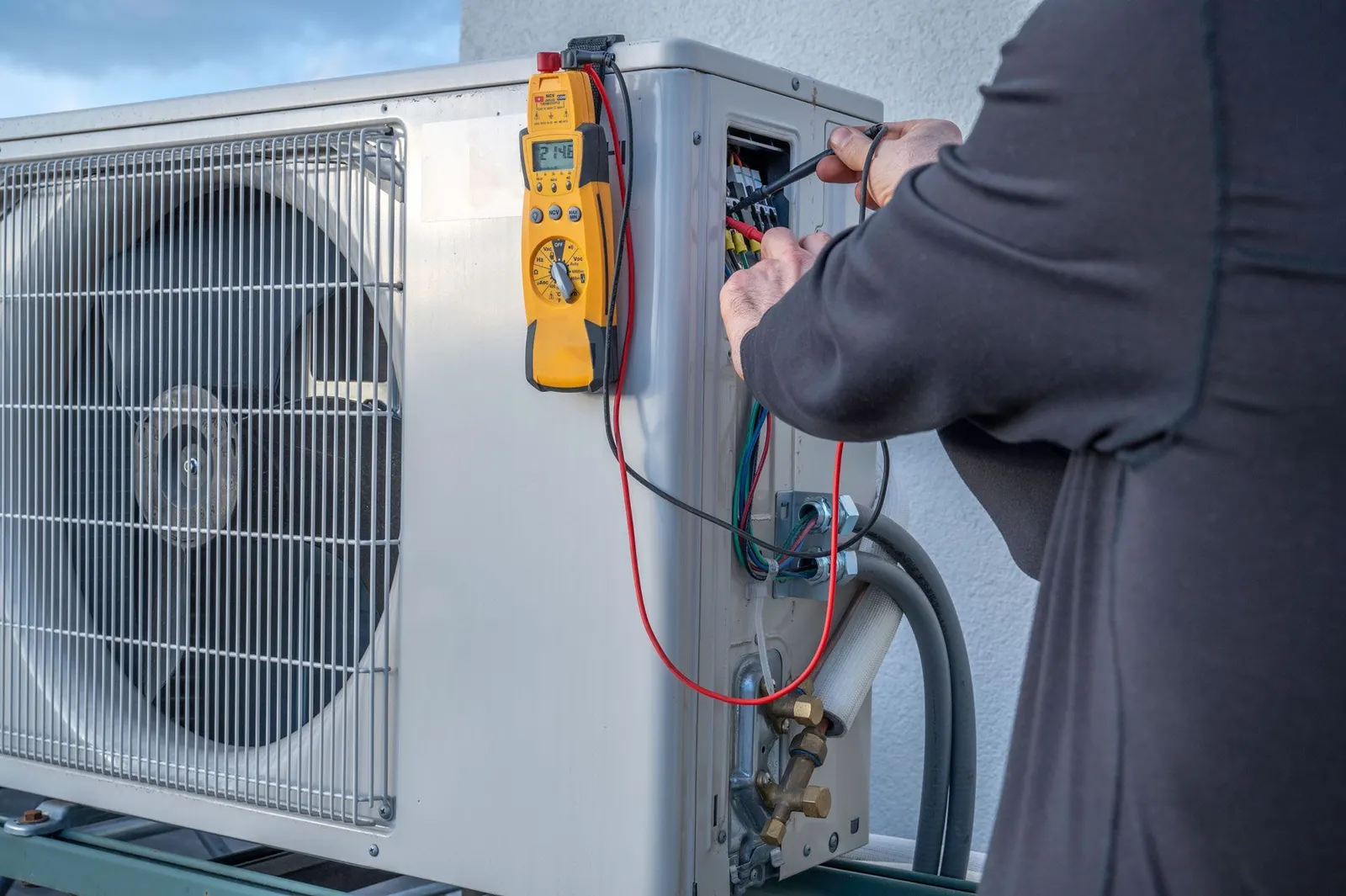
Professional Boundary: Accessing internal electrical panels, testing high-voltage capacitors, handling refrigerant lines, and diagnosing circuit boards require specialized licensing, training, and tools. Do not attempt to bypass safety switches or add refrigerant yourself.
Honest, family-valued diagnostics focus on helping homeowners understand the real issue, preventing unnecessary and costly part replacements. A transparent diagnostic process pinpoints the exact failure rather than guessing with parts. For example, when a unit failed for a local customer over a hot Memorial Day weekend, a technician provided a temporary cooling solution while warrantable parts were shipped and installed, ensuring safety and comfort during the wait. Relying on professional AC repair in Williamsport ensures this level of accuracy and care.
Comprehensive FAQ: Troubleshooting Your AC
Why does my AC blow cold air for a while then stop?
This is often caused by restricted airflow leading to frozen evaporator coils. The system cools initially until condensation on the coils turns to ice, completely blocking the air passage. Once the airflow stops, internal safety mechanisms trigger a shutdown to protect the compressor from liquid refrigerant damage. Checking your air filter is the first step in resolving this.
What causes an AC compressor to shut off after a few minutes?
A compressor shutting down rapidly is typically an electrical issue, such as a failing run capacitor that cannot sustain the necessary voltage. It can also be caused by low refrigerant levels triggering a low-pressure safety switch. In either scenario, the system shuts down to prevent thermal overload and catastrophic motor failure.
How do you fix an AC that short cycles?
Start by replacing the air filter, ensuring all vents are fully open, and checking that the thermostat is not in direct sunlight. If basic airflow is clear and the thermostat is set correctly, a professional must step in to diagnose refrigerant pressure levels or electrical faults. Never attempt to test high-voltage capacitors or handle refrigerant lines without proper licensing.
Why is my AC running but not cooling the house?
The indoor blower may be running continuously while the outdoor compressor has shut down due to a fault. This indicates a communication failure between the thermostat and the outdoor unit, or a specific mechanical fault like a blown outdoor capacitor. When this happens, the system only circulates warm, stagnant air throughout the ductwork.
Can high humidity make my AC short-cycle more frequently?
High humidity significantly increases the latent heat load on the system. If the AC unit is oversized for the home, it will cool the sensible air temperature rapidly but fail to run long enough to extract the humidity. This causes the space to feel uncomfortably clammy, prompting the system to cycle off prematurely before the real comfort issue is resolved.
Is a dirty filter enough to cause my AC to stop cooling completely?
Yes, a severe restriction prevents the necessary heat transfer from occurring across the evaporator coils. This inevitably leads to frozen coils or an overheated indoor blower motor, both of which will trigger automatic safety shutdowns. Regular filter changes are the single most effective way to prevent this specific type of system failure.
Get Honest Answers for Your AC Cooling Issues
Understanding the mechanics behind short-cycling empowers homeowners in the Williamsport MD area to make informed decisions about their cooling systems. Recognizing the signs of cumulative late-summer fatigue helps differentiate between a simple airflow issue and a complex mechanical fault. Ignoring an air conditioner that cools briefly and shuts down will only lead to higher energy bills, compromised indoor air quality, and the risk of complete compressor failure.
If your system is struggling to complete a full cooling cycle, do not wait for it to break down completely. Schedule a thorough inspection to receive a definitive, transparent diagnosis. Identifying a failing capacitor or a minor refrigerant leak now can restore your comfort and save the system before the damage becomes irreversible.