
The November Chill: Why Your Home Suddenly Feels So Cold
The November pre-winter freeze is just around the corner, and as temperatures drop across the Mid-Atlantic, finding drafts in a home becomes a top priority for families trying to stay warm. At Comfort Central Inc., we often hear from homeowners who are relaxing in their living room after a long day, only to feel a sudden, uncomfortable chill creeping across the floorboards. The immediate instinct for most is to simply walk over to the thermostat and crank up the heat. While this might provide a temporary burst of warmth, it only masks the underlying issue and forces your heating system to work much harder than necessary.
When certain rooms feel like an icebox while others are perfectly comfortable, your home is sending you a clear signal. Dropping temperatures expose the weak points in your home's airflow and insulation. Simply pushing more hot air into a drafty space is like trying to fill a bucket with a hole in the bottom. Identifying exactly where that cold air is entering is the critical first step to achieving true winter readiness.
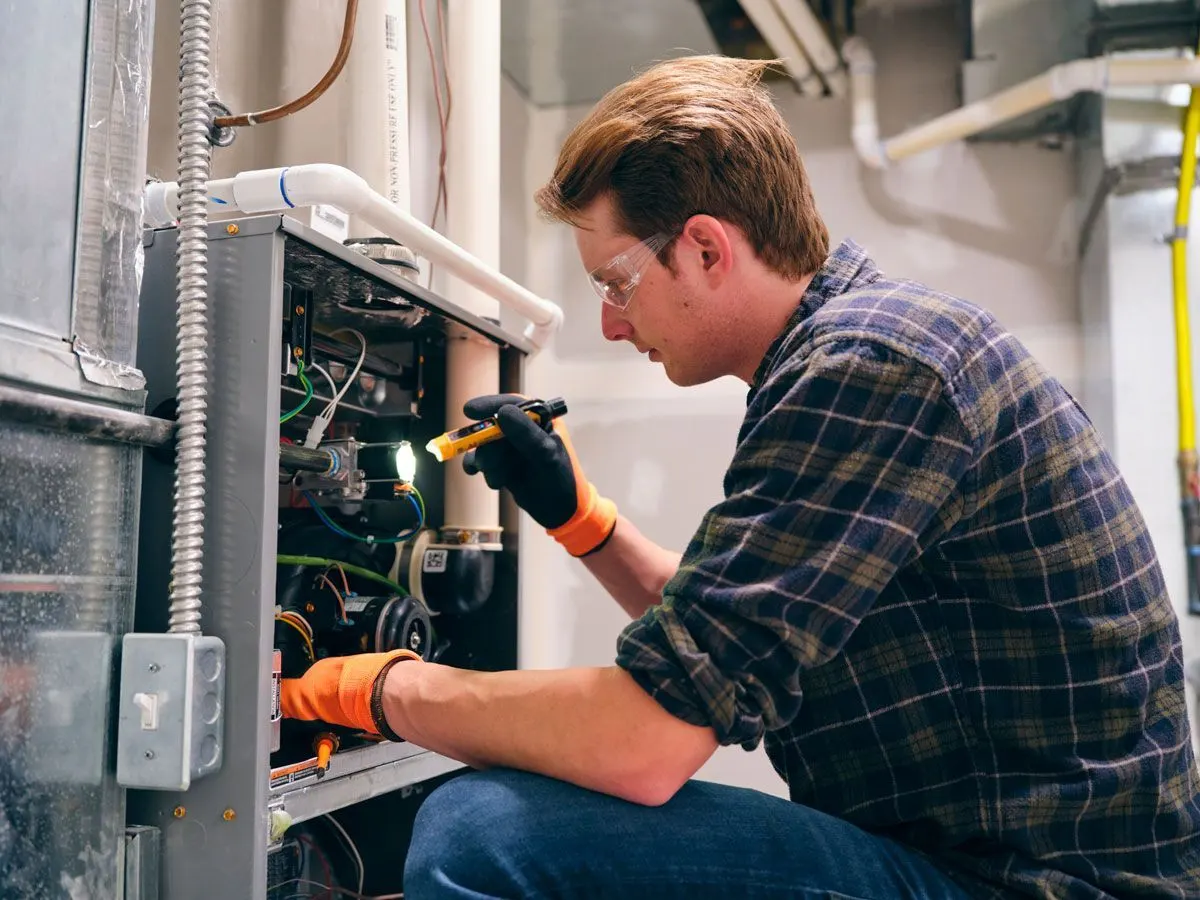
This is precisely why proactive homeowners focus on finding the root cause of the chill before the harshest weather arrives. By scheduling seasonal HVAC maintenance and tune-ups, our technicians can uncover hidden airflow issues that traditional weatherstripping can never fix. A professional evaluation looks beyond the obvious culprits, ensuring your home is tightly sealed, efficient, and ready to keep you comfortable all winter long.
Windows, Doors, or Ducts? Rethinking Where Drafts Come From
When a cold breeze sweeps through the house, most people immediately blame old window frames, worn-out door sweeps, or degraded caulking. While envelope leaks certainly contribute to heat loss, they are often not the primary source of the aggressive drafts you feel when the heating system turns on. In many homes throughout Williamsport MD and the surrounding Mid-Atlantic, our team at Comfort Central Inc. routinely finds that the real culprit is hidden entirely out of sight: your HVAC ductwork.
In our experience, many homes feature ductwork routed through completely unconditioned spaces, such as bare attics, unfinished basements, or crawlspaces. In our specific climate, these unconditioned zones experience a rapid temperature drop in late fall. When the air in your attic plummets to near-freezing, any minor leak in your ductwork suddenly turns into a major cold air vacuum. Instead of just losing a bit of warm air, your system actively pulls that freezing attic air directly into the duct system and distributes it throughout your living areas.
This compromised indoor airflow does more than just make you shiver. The continuous introduction of dusty, unconditioned air from a crawlspace or attic can severely impact your indoor air quality. In fact, understanding this airflow dynamic is a major part of diagnosing fall heating odors and system lifespan. If your system is sucking in stagnant air from a dirty attic, you will likely smell it every time the blower motor kicks on.
The Vacuum Effect in Your Ductwork
To understand why ducts cause drafts, you have to look at the physics of your heating system. Your HVAC system relies on a delicate balance of supply (pushing warm air out) and return (pulling stale air back in to be heated). The return ducts operate under negative pressure, acting like a giant vacuum cleaner.
If a seam separates or a hole develops in a return duct located in a freezing crawlspace, that vacuum effect pulls the frigid, unconditioned air directly into the heating cycle. The furnace then has to waste massive amounts of energy trying to heat up freezing air instead of mildly cool room-temperature air. The result is a lukewarm breeze coming from your vents, which feels exactly like a cold draft to anyone sitting nearby.
The True Cost of Air Leaks on Your Heating System
According to data from ENERGY STAR and the U.S. Environmental Protection Agency (EPA), a staggering 20 to 30 percent of the air moving through a typical home's duct system is lost due to leaks, holes, and poorly connected joints. That means for every unit of heat your furnace produces, nearly a third of it escapes into your walls, attic, or crawlspace before it ever reaches your living room.
This massive loss of air translates directly into a 10 to 20 percent increase in the effort required to heat and cool your home. Because the target temperature is never quite reached, the thermostat keeps calling for heat. Your system is forced to run longer, harder cycles to compensate for the continuous introduction of unconditioned cold air.
To put this into perspective based on what our technicians see in the field every November, consider how a sealed system compares to a leaky one during the pre-winter freeze:
| System Condition | Heating Cycle Length | Air Delivered to Rooms | System Wear and Tear |
|---|---|---|---|
| Properly Sealed Ducts | Normal, predictable cycles | Consistently warm and comfortable | Standard seasonal wear |
| Leaky Ductwork | Extended, continuous running | Lukewarm or drafty feeling | Accelerated component degradation |
This inefficiency peaks exactly when the weather turns harshest. Just when you need your furnace to operate at peak performance, duct leaks force it to work with a severe handicap, wasting energy and leaving you shivering in your own home.
Key Signs Your Drafts Are Caused by HVAC Ductwork
Differentiating between a drafty window and a drafty duct system can be tricky if you do not know what to look for. Because the ductwork is hidden behind drywall, you have to rely on secondary symptoms to identify the problem. If you notice any of the following patterns in your home, we typically find the issue is rooted in your heating and cooling system rather than your home's exterior envelope:
- Drafts tied to system cycles: If you only feel a cold breeze or sudden chill when the heating system is actively running, the blower is likely pushing unconditioned air into the room or creating pressure imbalances that pull cold air under doors.
- Stubbornly cold rooms: When one specific room remains freezing despite the thermostat showing that the target temperature has been reached in the hallway, a disconnected or severely leaking supply duct is usually to blame.
- Excessive dust accumulation: If you find yourself constantly dusting the furniture right beneath your supply vents, your return ducts are likely pulling in dirty, unconditioned air from an attic or crawlspace and blowing it into your living space.
- Whistling or rushing noises: A high-pitched whistling sound near your return vents, or a noticeable lack of airflow from specific room registers, strongly indicates a breach in the ductwork where air is escaping or entering at high velocity.

The Domino Effect: How Drafts Lead to Furnace Breakdowns
A drafty house is uncomfortable, but the mechanical strain it places on your heating equipment is a far more serious problem. When a furnace constantly battles cold air infiltration from its own compromised ducts, it never gets a chance to rest. This relentless workload sets off a dangerous domino effect inside the machinery.
Prolonged, overworked heating cycles lead to overheated components. The blower motor has to run continuously to try and satisfy the thermostat, while the heat exchanger remains under constant thermal stress. Over time, this excessive wear and tear degrades the internal parts of the furnace, turning a simple airflow issue into a catastrophic mechanical failure.
Ignoring these drafts in late fall often results in needing emergency Williamsport HVAC repair services during the coldest days of the year. One local homeowner experienced this exact scenario when their furnace stopped working unexpectedly during a bitter winter cold snap. The system had been overworked for weeks, battling cold air infiltration. Fortunately, our team at Comfort Central Inc. arrived quickly, diagnosed the failure, and completed the winter season repair to restore the heat before the house froze. However, proactive duct sealing and maintenance could have prevented the sudden breakdown entirely.
Why Short-Cycling Happens
Short-cycling occurs when a heating system turns on and off too rapidly, never completing a full heating cycle. When leaky ducts create severe temperature imbalances—blowing hot air in one hallway while pulling freezing air into another—the thermostat becomes confused.
The thermostat registers a sudden drop in temperature from a draft and commands the furnace to fire up. A few minutes later, a blast of hot air hits the sensor, shutting the system down prematurely. This rapid on-and-off cycling is incredibly damaging to the ignition system and blower motor, vastly reducing the overall lifespan of the unit.
Why Professional Diagnostics Outperform DIY Draft Hunting
When homeowners set out to find drafts, they usually rely on common DIY methods. The candle test—holding a lit candle near window frames to watch for a flickering flame—or using consumer-grade thermal leak detectors can be helpful for finding degraded weatherstripping. However, these methods are entirely inadequate for diagnosing HVAC airflow problems.
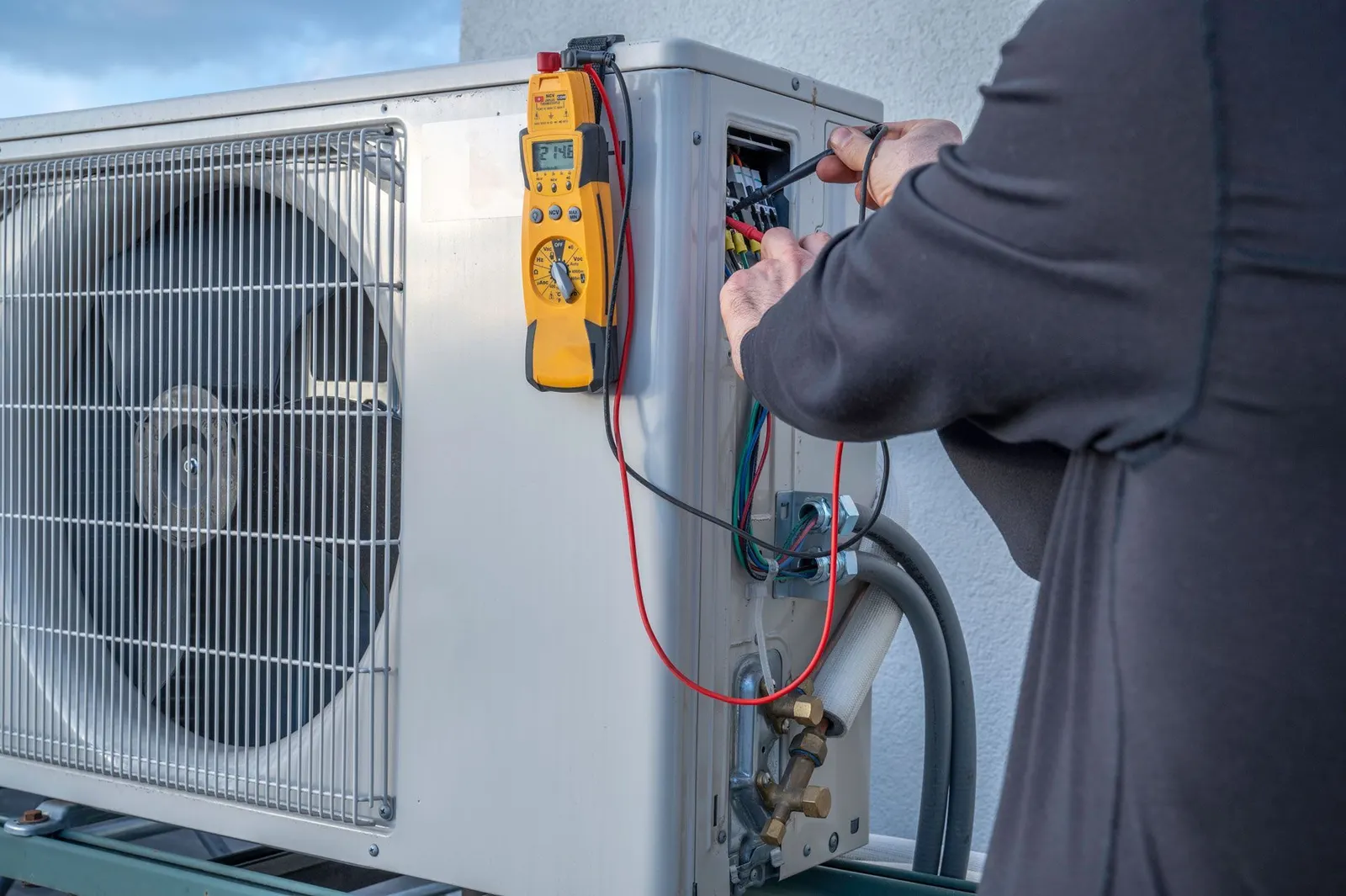
Because the vast majority of your ductwork is hidden inside walls, ceilings, and crawlspaces, locating a breach requires specialized diagnostic equipment. Professional technicians use tools like digital manometers to measure static pressure, specialized thermal imaging cameras to see behind drywall, and calibrated airflow meters to determine exactly how much air is being lost between the furnace and the vent.
This is why we highly recommend comprehensive heating and cooling maintenance in Frederick and the surrounding areas as the most reliable way to uncover hidden duct leaks. Relying on objective diagnostics and proactive winter readiness ensures that you are fixing the actual root cause of the problem, rather than just treating a symptom. Transitioning from simply finding a draft to implementing a permanent, professional sealing solution is the only way to guarantee your home stays warm when the Mid-Atlantic winter truly sets in. Keep in mind that generic utility incentive programs or federal tax credits may apply to qualifying high-efficiency upgrades and duct sealing—we always advise readers to verify current programs with their utility or a tax professional.
Frequently Asked Questions About Home Drafts and Air Leaks
What causes a house to be drafty?
A house becomes drafty when outside air infiltrates the living space, disrupting the indoor temperature. While worn weatherstripping around windows and doors is a common cause, leaky HVAC ductwork is often the hidden culprit. When return ducts in unconditioned spaces like attics or crawlspaces develop leaks, they actively pull freezing air into the home and distribute it through the vents. Poor insulation and structural gaps can also contribute to the chill.
How do you find where a draft is coming from?
You can locate basic drafts by feeling for temperature changes around exterior doors, windows, and electrical outlets. For a simple visual test, holding a stick of incense near suspected gaps will show air movement if the smoke blows horizontally. However, if the draft is caused by your heating system, you will need professional HVAC diagnostics to measure static pressure and locate hidden duct breaches behind your walls and ceilings.
Is there a tool to find drafts in a house?
Yes, several tools can help identify air leaks, ranging from simple to highly advanced. Homeowners often use handheld thermal leak detectors, which use infrared sensors to spot cold spots around window frames and baseboards. HVAC professionals use more sophisticated equipment, such as thermal imaging cameras, digital manometers, and blower door tests, to accurately map out pressure imbalances and hidden ductwork leaks throughout the entire home.
How do I stop cold air from coming through my walls?
Stopping cold air from penetrating your walls requires a combination of sealing and insulation. First, check for exterior penetrations where pipes, cables, or vents enter the house, and seal those gaps with expanding foam or high-quality exterior caulk. Inside, ensure that your wall insulation is adequate for your regional climate. If the cold air feels like it is blowing from the vents themselves, having your ductwork professionally sealed is the most effective solution.
Can sealing my ductwork really improve my home's heating efficiency?
Absolutely. Sealing your ductwork is one of the most impactful ways to improve heating efficiency and indoor comfort. Because 20 to 30 percent of conditioned air can be lost through unsealed ducts, closing those leaks ensures that all the heat your furnace generates actually reaches your living spaces. This reduces the strain on your equipment, shortens heating cycles, and provides a much more consistent, comfortable temperature throughout the house.
Secure Your Home's Comfort Before the Deep Freeze Arrives
As the November pre-winter freeze approaches, ignoring the sudden chill in your living room is a mistake that costs both comfort and efficiency. A professionally grounded explanation of duct leaks reveals that they are often the primary source of winter drafts, pulling unconditioned air into your home and forcing your furnace to work overtime.
Sealing these hidden leaks and tuning up your heating system is the most effective priority you can set before harsh weather sets in. Don't wait for your system to fail under the strain of continuous cold air infiltration. Schedule your seasonal maintenance with our team today to ensure your home remains consistently warm, efficient, and fully protected against the winter chill.