
Facing Another Mid-Atlantic Winter with an Aging Heating System
October in Washington County brings a familiar crisp chill to the air, prompting a rush of options comparisons for homeowners who worry their aging heating equipment might not survive another season. At Comfort Central Inc., we have helped countless local families navigate this seasonal transition from relying on your air conditioning systems to firing up the furnace, and it is always a moment of truth. You might notice unusual rattling sounds, a lingering smell of burning dust that doesn't fade, or rooms that simply refuse to warm up. These early warning signs often trigger the stressful realization that your current equipment is living on borrowed time.
The core question most homeowners face right now is knowing when a system is truly at the end of its life versus when it just needs a thorough seasonal tune-up. Pushing an outdated, failing unit through another harsh Mid-Atlantic winter is a gamble. The risk of waiting too long is experiencing a total, catastrophic failure during freezing weather, leaving your home unprotected when you need warmth the most.
If your system is beyond repair, the October pre-winter replacement window is the ideal time to make a calculated decision. Choosing the right replacement technology requires understanding your home's unique footprint, your family's comfort preferences, and how different systems handle our specific regional climate. By evaluating your choices before the freezing temperatures arrive, you can secure a reliable, high-efficiency solution without the panic of an emergency breakdown.
How Long Does an HVAC System Last on Average?
Understanding the standard lifecycle of your equipment is the first step in planning for the future. In our years of servicing Williamsport MD and the surrounding areas, our team at Comfort Central Inc. has seen firsthand how the combination of hot, humid summers and freezing winters means local systems work significantly harder than those in milder, temperate regions. This heavy workload directly impacts overall longevity, making it crucial to monitor your system's age closely.
Here is a general breakdown of how long different heating and cooling systems last under normal, well-maintained conditions based on what our technicians typically see in the field:
- Traditional Gas Furnaces (15 to 20 Years): Because a furnace only operates during the colder months, it experiences less year-round mechanical fatigue. With regular filter changes and professional maintenance, a high-quality gas furnace can reliably reach the two-decade mark before the heat exchanger or blower motor begins to fail.
- Air Source Heat Pumps (10 to 15 Years): Heat pumps serve double duty. They provide powerful air conditioning throughout our sweltering Maryland summers and reverse their operation to provide heating all winter long. This year-round, non-stop operation accelerates wear and tear on the compressor and moving parts, resulting in a slightly shorter overall lifespan.
- Ductless Mini-Splits (12 to 15 Years): Similar to standard heat pumps, these systems typically run all year. Their longevity depends heavily on keeping the indoor blower wheels clean and ensuring the outdoor condenser remains free of debris.
Age alone is just one factor. You should also watch for common signs of end-of-life equipment. If you are experiencing frequent, expensive breakdowns, steadily rising monthly energy bills despite normal usage, and uneven temperatures throughout your home, your system is likely failing. When these symptoms align with a system that is over ten years old, investing in professional AC installation and replacement or a new heating system becomes the most financially sound decision.
Honest Diagnostics: Repair, Tune-Up, or Replace?
Reaching the ten or fifteen-year mark does not automatically mean your system must be replaced immediately. Bridging the gap between recognizing an aging system and taking definitive action requires a professional, objective evaluation. During the October pre-winter replacement window, the focus shifts from summer cooling checks to rigorous heating diagnostics.
A comprehensive evaluation determines if a minor part replacement can safely and efficiently extend the unit's life for another season. Earlier this year during the spring transition, one local homeowner needed an honest evaluation of their aging system to understand their required repairs. Our very own Technician Sean conducted an efficient, thorough inspection and carefully explained all available options. As a result, the customer received honest, upfront guidance on their aging equipment without facing aggressive sales tactics. This is the exact approach required when evaluating your heating system in the fall.
What a thorough, upfront diagnostic inspection looks like:
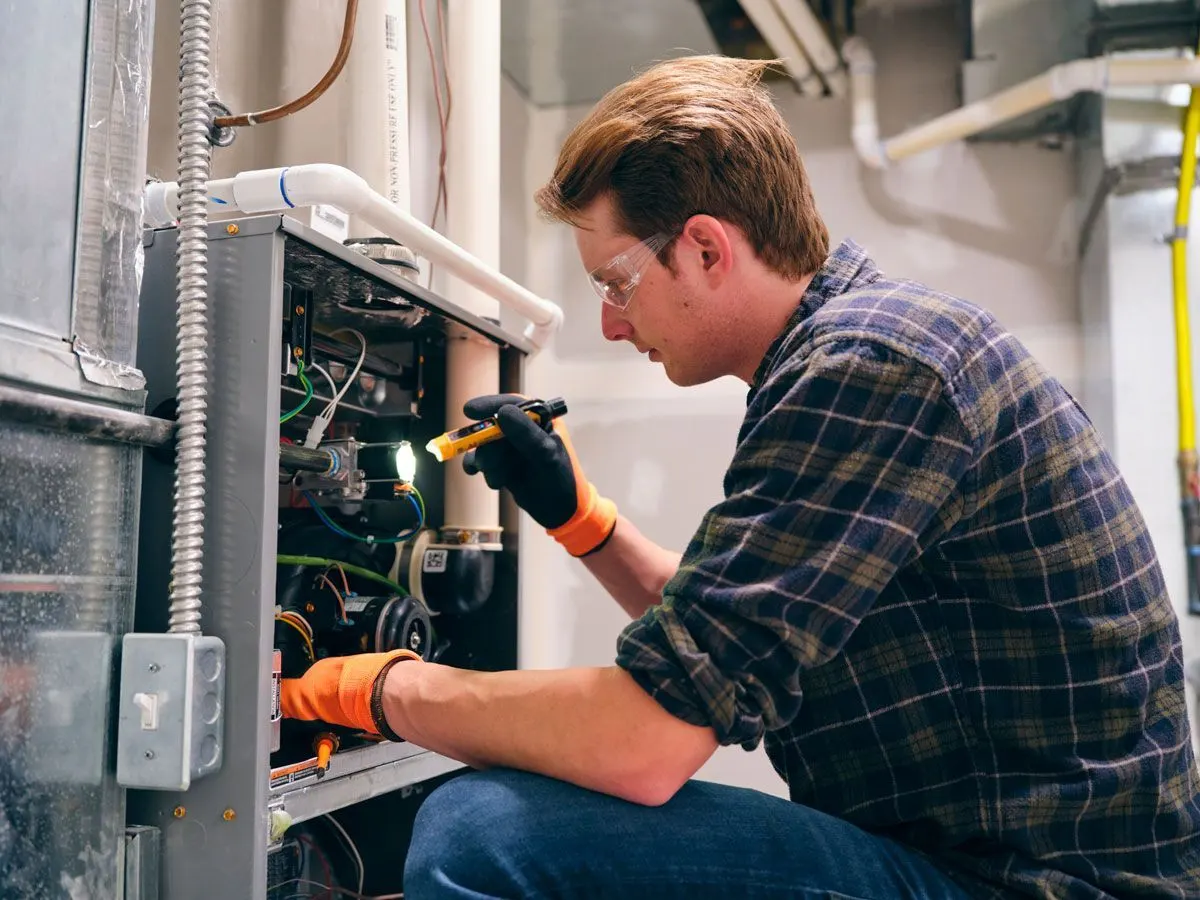
- Heat Exchanger Integrity: Technicians meticulously inspect gas furnaces for microscopic cracks in the heat exchanger, which pose severe safety risks.
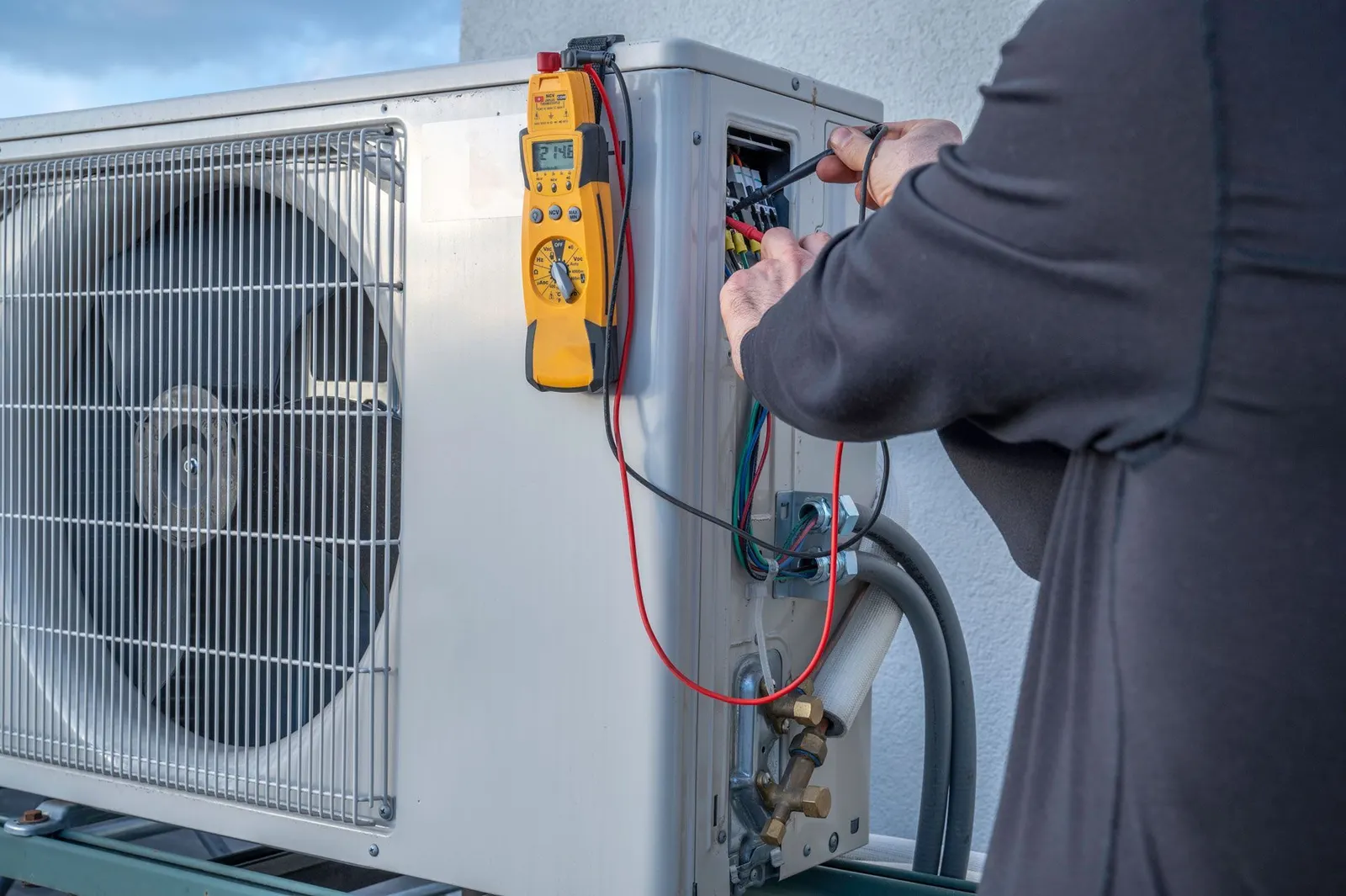
- Electrical Component Testing: We measure the amp draw on blower motors and compressors. A motor pulling too many amps is straining and likely to fail soon.
- Refrigerant Level Verification: For heat pumps, ensuring the exact refrigerant charge is vital. Low levels indicate a leak that will cripple winter heating performance.
- Airflow and Static Pressure: Evaluating the ductwork ensures that the system can actually push conditioned air into your living spaces without fighting severe resistance.
By transitioning seamlessly from professional AC inspection and testing in the summer to detailed heating diagnostics in the fall, you gain a clear, factual picture of your system's health. At Comfort Central Inc., we believe in providing objective data, ensuring homeowners only replace systems when it is truly necessary and financially sensible.
Comparing Replacement Options: Heat Pumps vs. Gas Furnaces
If diagnostics confirm that your aging system is no longer viable, the next step is selecting the right replacement technology. When our team consults with residents in Williamsport MD, the decision almost always comes down to a modern cold-climate heat pump versus a traditional gas furnace. Both systems have evolved significantly over the last decade, offering remarkable efficiency and comfort.
When weighing the upfront considerations, gas furnaces generally offer a straightforward installation if your home already has existing gas lines and properly sized exhaust venting. Heat pumps, on the other hand, are entirely electric. They provide both heating and cooling in a single unit, which can be highly advantageous if both your AC and furnace are failing simultaneously. Furthermore, generic federal tax credits and utility incentives may apply to qualifying high-efficiency heat pump installations, helping to offset the initial investment. Always verify current energy incentive programs with your utility provider or a qualified tax professional.
| Feature | Modern Heat Pump | Traditional Gas Furnace |
|---|---|---|
| Average Lifespan | 10 to 15 Years (Year-round use) | 15 to 20 Years (Winter use only) |
| Energy Source | 100% Electric | Natural Gas or Propane |
| Maintenance Needs | Bi-annual (Spring AC, Fall Heat) | Annual (Fall Heating Check) |
| Efficiency Measurement | HSPF2 (Heating) & SEER2 (Cooling) | AFUE (Annual Fuel Utilization) |
Performance in Freezing Temperatures
There is a persistent, outdated myth that heat pumps only work in mild southern climates. Today, modern cold-climate heat pumps are engineered specifically to handle Maryland's winter weather patterns. Utilizing advanced inverter-driven compressors, these units can extract ambient heat from the outside air and maintain high efficiency even in sub-freezing temperatures. They also feature intelligent defrost cycles to prevent ice buildup on the outdoor condenser.
Conversely, gas furnaces provide immediate, high-heat output that many homeowners love during extreme cold snaps. A furnace combusts fuel to generate heat rapidly, pushing very warm air through the vents. While a heat pump provides a more consistent, gradual warmth that runs for longer cycles, a gas furnace delivers quick bursts of intense heat. Your choice ultimately depends on your home's insulation, your access to natural gas, and your personal comfort preferences.

Why the Fall Replacement Window is Critical
The Problem: Waiting until the first hard freeze to evaluate or replace a failing system is a dangerous game. When temperatures plummet in Washington County, aging systems are forced to run at maximum capacity. This sudden, intense strain is exactly what causes brittle components to snap, motors to burn out, and heat exchangers to crack.
The Cause: During a winter weather emergency, local HVAC companies experience a massive surge in no-heat calls. Supply chain availability tightens, meaning the specific unit size or model your home requires might be sitting in a warehouse states away. Technician scheduling also becomes incredibly difficult, potentially leaving your family relying on dangerous space heaters for days while waiting for an installation slot.
The Solution: Acting during the October pre-winter replacement window changes the entire dynamic. Supply chains are stable, scheduling is flexible, and installations can be completed without the pressure of a freezing house. One of our loyal Comfort Central Inc. customers of over ten years recently found themselves needing a brand new HVAC system installation as the autumn season approached. By acting early, our team was able to install the new equipment with professional expertise on their schedule. The customer was extremely happy with the seamless process and the peace of mind knowing their home was ready for winter.
Taking a proactive approach is the absolute best method for preventing unexpected HVAC emergencies. You retain total control over the equipment selection, the financing arrangements, and the installation timeline.
Extending the Life of Your Equipment with Seasonal Care
Whether you choose to install a state-of-the-art cold-climate heat pump, a robust gas furnace, or decide to keep your current system running for another year, proper maintenance is the single biggest factor in reaching that 15 to 20-year lifespan mark. Neglecting seasonal care forces your equipment to work harder, consume more energy, and ultimately fail prematurely.
During the October pre-winter replacement window, our technicians highly recommend a professional fall heating startup and inspection. Here is a checklist of what seasonal care entails to protect your investment:
- Change the Air Filter: This is the most critical homeowner task. A clogged filter chokes the blower motor, causing it to overheat and fail. Check your filter monthly and replace it at least every 90 days.
- Clean the Flame Sensor: In a gas furnace, a dirty flame sensor will shut the entire system down as a safety precaution. Professionals clean this delicate component to ensure reliable ignition.
- Clear the Outdoor Unit: For heat pumps, the outdoor condenser must be free of autumn leaves, overgrown bushes, and debris. Restricted airflow cripples the unit's ability to extract heat from the outside air.
- Inspect Electrical Connections: Loose wires create electrical resistance, which generates heat and can melt contactors or blow fuses during heavy winter operation.
- Test the Defrost Cycle: A heat pump's defrost control board must be tested to ensure the unit won't turn into a block of ice during a January snowstorm.
Remember that heating care is only half the equation for year-round systems. Scheduling routine AC maintenance and tune-ups in the spring perfectly complements your fall heating care, ensuring that the blower motor, indoor coil, and ductwork remain pristine 365 days a year.
Frequently Asked Questions About HVAC Lifespans and Replacements
How long does a heat pump last compared to a gas furnace?
A heat pump typically lasts 10 to 15 years, while a traditional gas furnace averages 15 to 20 years. The primary reason for this difference is operational frequency. Heat pumps operate year-round to provide both heating and cooling, whereas a gas furnace only runs during the winter months, resulting in less mechanical wear over time.
At what age should you replace your HVAC system?
You should strongly consider replacing your HVAC system when it surpasses 10 to 12 years of age and begins requiring frequent, expensive repairs. If the cost of a repair approaches 50% of the value of a new system, replacement is the more financially sound choice. Rising energy bills and a lack of consistent comfort are also strong indicators that it is time to upgrade.
Is it better to replace the furnace and AC at the same time?
Yes, replacing both the furnace and the AC at the same time is highly recommended if both units are over ten years old. Matched systems share an indoor blower motor and are engineered to work together for maximum efficiency. Replacing only one component can lead to mismatched communication, reduced efficiency, and premature failure of the new equipment.
Are heat pumps effective in Maryland winters?
Modern cold-climate heat pumps are highly effective during Williamsport MD and Washington County winters. Unlike older models, today's inverter-driven heat pumps can extract heat from the outdoor air even when temperatures drop below freezing. They provide consistent, energy-efficient comfort without the need for a backup fossil fuel source in most standard residential applications.
Should I replace my aging HVAC before winter?
Replacing an aging, unreliable HVAC system before winter is the safest and most strategic approach. The October pre-winter replacement window allows you to avoid the stress of an emergency breakdown during a freeze. It also ensures better equipment availability and more flexible installation scheduling before the busy heating season begins.
Take the Next Step for Your Home's Winter Comfort
Understanding your system's lifespan and the mechanical realities of Washington County winters helps you make informed, stress-free decisions. Whether your equipment is just starting to show its age or has already suffered a major breakdown, you do not have to navigate the complex world of HVAC technology alone.
Our team at Comfort Central Inc. encourages you to schedule an honest, objective evaluation of your current equipment during this critical October pre-winter replacement window. By securing professional guidance, you can accurately weigh the benefits of minor repairs against the long-term savings of a new, high-efficiency installation. A clear, unbiased comparison of heat pumps versus gas furnaces tailored specifically to Maryland winters is the best way to confidently choose the right system, ensuring your home remains a warm, comfortable sanctuary all season long.