
Facing Early Summer Cooling Failures: The Decision to Repair or Replace
June brings the first real heatwaves to the Hagerstown area, and when your air conditioner struggles to keep up, you need clear options comparisons for homeowners to make the right call. The transition into early summer is the peak season for sudden cooling failures. At Comfort Central Inc., our technicians routinely see systems that have sat dormant for months suddenly asked to work overtime, exposing weak components, failing motors, and slow refrigerant leaks. When an older air conditioning unit starts blowing warm air or making grinding noises right before your summer vacation, you face a critical decision point: do you invest in a temporary fix, or is it time to upgrade the entire HVAC system?
For immediate help, explore our AC repair service in Hagerstown and get your cooling back on track.
Weighing short-term fixes against long-term energy efficiency is crucial for lasting indoor comfort. A quick repair might restore cool air for the weekend, but if the core equipment is deteriorating, you will likely face repeated breakdowns as the summer heat intensifies. Understanding your technical options prevents rushed decisions during a cooling crisis. By taking a step back and evaluating the overall health of your heating and cooling equipment now, you can make a strategic choice that secures reliable comfort for the hot summer months ahead.
Why June Breakdowns Accelerate Full-System Upgrades
A catastrophic cooling failure often reveals deeper inefficiencies in aging, mismatched HVAC equipment. When a compressor fails or a coil begins leaking heavily in the middle of a June heatwave, the immediate instinct is to simply swap out the broken part. However, replacing just the outdoor unit while keeping an old indoor air handler or furnace limits your overall system efficiency. The outdoor and indoor units are designed to work as a matched set. If you pair a brand-new, high-efficiency outdoor air conditioner with a fifteen-year-old indoor blower motor, the new unit cannot perform at its rated capacity.
Upgrading the entire system at once ensures seamless compatibility and maximizes your SEER2 (Seasonal Energy Efficiency Ratio) performance. Modern SEER2 standards mandate stricter testing conditions that better reflect real-world operation. To achieve these energy savings, the indoor coil, the blower motor, and the outdoor compressor must communicate perfectly. If the system experiences a critical failure during a heatwave, rapid intervention is necessary to restore safety and comfort. This is where a professional evaluation becomes vital. If you need emergency AC repair, a trustworthy technician will provide honest diagnostics, evaluating if a repair is viable and safe before ever recommending a full replacement.
In our experience serving Hagerstown, many homeowners find that redirecting the funds from a costly, out-of-warranty repair toward a modern, matched system makes better financial sense. A full-system upgrade eliminates the guesswork of when the next old component will fail, providing a fresh start with unified warranties and significantly lower monthly energy consumption.
Technical Comparison: High-Efficiency Heat Pumps vs. Traditional Gas Furnaces
When you decide that a full-system replacement is the most logical path to resolve a summer cooling crisis, the next step is choosing the right year-round technology. Standard air conditioners only cool the home, meaning they must be paired with a separate heating system, typically a furnace. Traditional gas furnaces rely on combustible fuel—usually natural gas or propane—to generate heat, pushing that warm air through your ductwork. In this setup, the furnace handles the winter, and the separate AC unit handles the summer.
Heat pumps, on the other hand, provide both high-efficiency cooling and winter heating from a single footprint. During the summer, a heat pump operates exactly like an air conditioner, absorbing heat from inside your home and releasing it outdoors. During a Mid-Atlantic winter, the system reverses this process. It extracts ambient heat from the cold outdoor air and pumps it inside. Modern cold-climate heat pumps maintain high efficiency ratings even when temperatures drop significantly, challenging the old assumption that heat pumps cannot handle freezing weather.
The choice between these two distinct paths depends heavily on your existing home infrastructure, such as the condition of your ductwork and the availability of gas lines. If you are exploring comprehensive air conditioning services, understanding the technical differences between these systems is the foundation of a smart investment.
| System Feature | High-Efficiency Heat Pump | Traditional Gas Furnace (+ AC) |
|---|---|---|
| Primary Function | Provides both heating and cooling | Provides heating only (requires separate AC) |
| Energy Source | 100% Electricity (moves heat rather than creating it) | Combustible fuel (natural gas or propane) |
| Efficiency Metric | SEER2 (cooling) and HSPF2 (heating) | AFUE (heating) and SEER2 (cooling for the AC) |
| Winter Performance | Highly efficient; cold-climate models handle sub-freezing temps | Consistent, high-heat output regardless of outdoor temperature |
Evaluating Upfront Installation vs. Long-Term Efficiency
Gas furnaces often have different installation requirements compared to all-electric heat pump systems. A gas furnace requires proper venting for exhaust gases and a dedicated fuel line. If your home already has this infrastructure, installing a new furnace is relatively straightforward. However, if you are looking to move away from fossil fuels, heat pumps consolidate heating and cooling into a single high-efficiency footprint, requiring only adequate electrical service.
The Department of Energy sets regional efficiency standards that dictate specific SEER2 minimums for new installations. In the northern region, which includes Maryland, the focus is heavily on heating efficiency alongside baseline cooling standards. Investing in a system that exceeds these minimums often results in lower utility bills that offset the initial installation costs over the lifespan of the equipment.

Managing Summer Humidity with Variable-Speed Technology
The intense humidity of Hagerstown summers means that latent cooling (moisture removal) is just as critical as sensible cooling (temperature drop). If your home feels cold but clammy, your system is failing to address the latent heat load. Older, single-stage AC units turn on at 100% capacity, blast cold air until the thermostat registers the target temperature, and then shut off completely. This short-cycling cools the air rapidly but fails to run long enough to pull sufficient moisture out of the indoor environment.
Variable-speed heat pumps and modern air conditioners operate on a completely different principle. Here is how they effectively manage heavy summer humidity:
- Continuous operation at lower speeds: Instead of blasting at full capacity, variable-speed compressors can ramp down to 30% or 40% capacity, running almost continuously throughout the day.
- Extended coil contact: Because the air moves slower over the cold evaporator coil for a longer period, the system acts like a massive sponge, wringing significantly more humidity out of the indoor air.
- Reduced energy consumption: Running continuously at a low speed uses far less electricity than a single-stage motor constantly surging to start up and shut down.
- Enhanced comfort at higher temperatures: Better humidity control allows the home to feel cooler at higher thermostat settings. You might find that 74 degrees feels perfectly comfortable with low humidity, whereas 70 degrees felt sticky with your old system.
Replacing an aging system is often the only way to genuinely resolve persistent indoor humidity issues. To understand your options when facing a failing unit this summer, review our breakdown of the AC installation and replacement process in Hagerstown.
Operational Temperature Limits and Dual-Fuel Configurations
While summer humidity is a major factor, any full-system upgrade must account for the other extreme: the Mid-Atlantic winter. Every heat pump has a balance point. This is the specific outdoor temperature where the heat pump begins to lose its maximum efficiency and requires supplemental heat to keep the house warm. For older heat pumps, this balance point was often around 35 degrees. Modern cold-climate heat pumps have pushed this balance point much lower, often maintaining efficiency well below freezing.
However, for homes that experience severe cold snaps, dual-fuel systems offer an exceptional compromise. A dual-fuel (or hybrid) system combines a high-efficiency electric heat pump with a gas furnace backup for extreme cold. During mild fall and spring weather, or during moderate winter days, the heat pump handles the heating load using highly efficient electricity. When the temperature plummets during a deep freeze and crosses the balance point, the system automatically shuts off the heat pump and ignites the gas furnace.
This hybrid approach maximizes energy savings during mild weather while ensuring absolute reliability during the coldest nights of the year. When evaluating a dual-fuel setup, understanding AFUE (Annual Fuel Utilization Efficiency) ratings for the gas backup ensures the entire hybrid system meets modern efficiency standards. A furnace with a 95% AFUE rating converts 95% of its fuel into usable heat, wasting only 5% through exhaust, making it a highly effective partner for a modern heat pump.
Extending System Lifespan Before Committing to a Replacement
Not every summer breakdown requires a full system overhaul; many issues stem from neglected upkeep rather than catastrophic failure. If your equipment is less than a decade old and generally reliable, a professional tune-up might be all that is needed to get through the season. A family-owned, honest approach means our Comfort Central Inc. team prioritizes maintaining your current equipment safely rather than pushing an immediate, unnecessary replacement.
Routine tune-ups can restore lost efficiency and extend the operational life of an older unit by several years. To keep your system running in the Hagerstown area, stay proactive with these essential maintenance steps:
- Monitoring refrigerant levels: An air conditioner does not consume refrigerant. If levels are low, there is a leak that must be located and sealed to prevent compressor failure.
- Cleaning evaporator and condenser coils: Dirt acts as an insulator. Clean coils are necessary for the system to absorb heat from inside and release it outside efficiently.
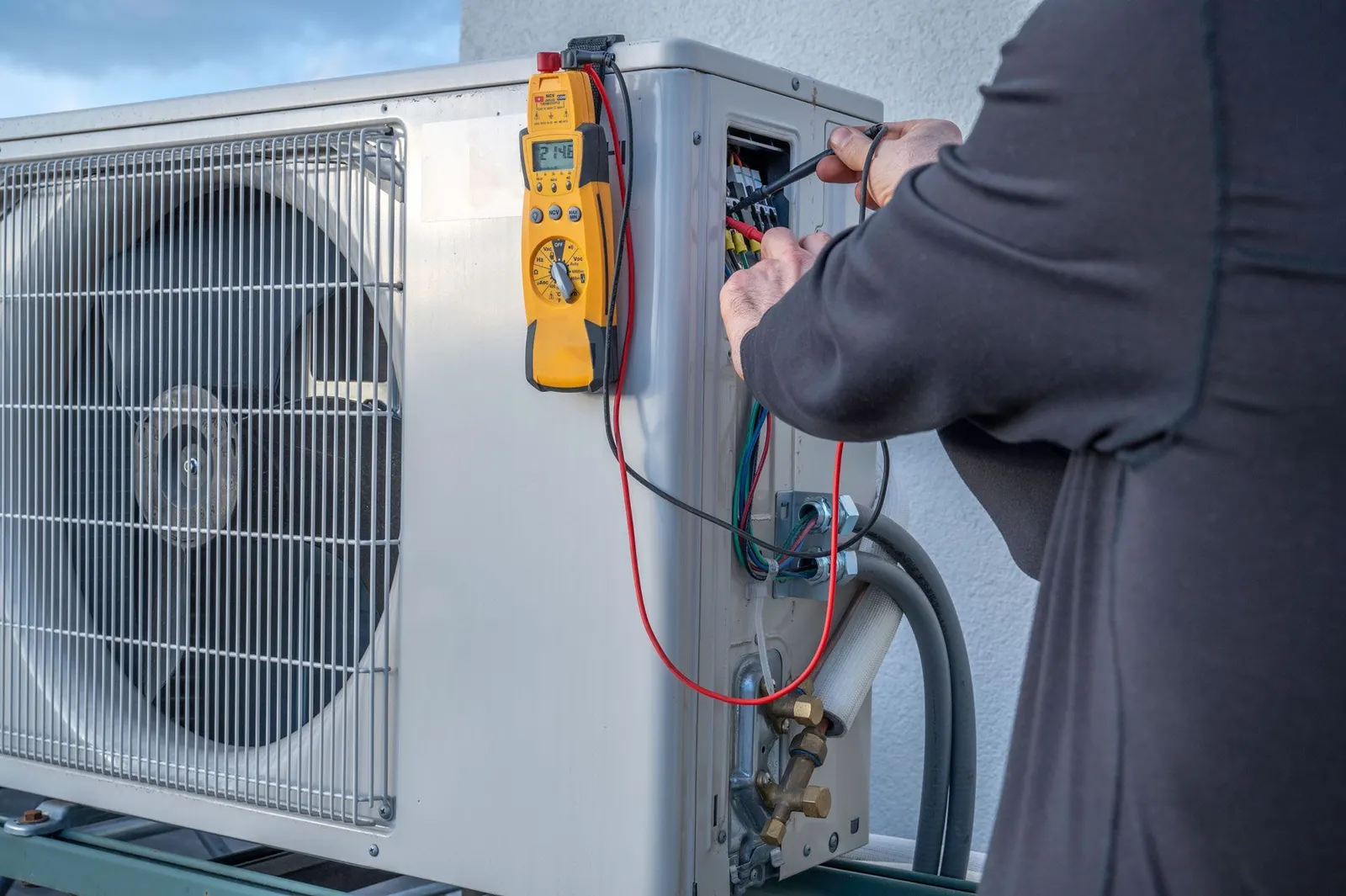
- Checking electrical connections: Loose wires or failing capacitors draw excess amperage, which can overheat motors and cause sudden breakdowns.
- Clearing the condensate drain: A clogged drain line will cause water to back up, potentially damaging the control board or your home's drywall.
- Replacing air filters regularly: A restricted filter forces the blower motor to work twice as hard, leading to premature wear and higher energy bills.
A thorough professional inspection provides the baseline data needed to make an informed repair versus replace decision later. Staying on top of AC maintenance and tune-ups ensures you get the maximum possible lifespan out of your investment.
Frequently Asked Questions About HVAC System Upgrades
What is the difference between a heat pump and a gas furnace?
The primary difference lies in how they source heat and their overall functionality. A heat pump uses electricity to transfer ambient heat from the outdoors into your home, and it can reverse this process to provide cooling in the summer. A gas furnace relies on burning combustible fuel, such as natural gas or propane, to generate heat and requires a completely separate air conditioning unit for summer cooling.
Can a heat pump replace a gas furnace in Maryland?
Yes, a heat pump can absolutely replace a gas furnace in Maryland. Modern cold-climate heat pumps are engineered to extract heat from the air even when outdoor temperatures drop below freezing. For homes that experience the harshest parts of a Mid-Atlantic winter, a dual-fuel system that pairs a heat pump with a gas furnace backup is also a highly effective option.
Should I replace my AC and furnace at the same time?
It is generally recommended to replace both the indoor and outdoor units at the same time to ensure system compatibility. Pairing a new, high-efficiency air conditioner with an old furnace blower motor limits the new unit's ability to reach its rated SEER2 efficiency. Replacing them together guarantees matched performance and provides a unified warranty for the entire system.
At what temperature does a heat pump become inefficient?
This depends on the specific model and technology of the heat pump. Older or standard heat pumps typically reach their balance point—the temperature where they lose peak efficiency—around 30 to 35 degrees Fahrenheit. However, modern cold-climate heat pumps feature advanced inverter technology that allows them to operate efficiently at temperatures well below zero.
How does variable-speed technology improve indoor humidity control?
Variable-speed technology improves humidity control by running the system at lower capacities for longer periods of time. Instead of blasting cold air and shutting off quickly, a variable-speed motor circulates air slowly over the cold evaporator coil continuously. This extended contact time acts like a sponge, pulling significantly more moisture out of the air than a traditional single-stage system.
Making an Educated HVAC Decision for Your Home
Clear Options Comparisons for Homeowners
Choosing between a repair, a new standalone AC, or a full heat pump upgrade requires evaluating both your immediate summer cooling needs and your long-term winter heating demands. When a breakdown occurs in the Hagerstown area, it is easy to feel pressured into a quick fix. However, armed with a clear, technical comparison, homeowners can make choices that prioritize long-term efficiency, superior humidity control, and reliable comfort.
Whether you lean toward the all-electric efficiency of a modern heat pump or the robust heating power of a traditional gas furnace, consulting with a local expert ensures your system is properly sized and suited for regional climate challenges. Schedule a comprehensive diagnostic today to explore your options without high-pressure sales tactics, and secure the right heating and cooling solution for your home's unique footprint.