
Facing System Failure During the Mid-Atlantic Summer
The peak of the mid-Atlantic summer is approaching rapidly, and when your cooling equipment begins to falter under the extreme heat, finding objective options comparisons for homeowners becomes an urgent priority rather than a casual exercise. A cooling system that struggles to maintain the thermostat set point when temperatures soar is not just an inconvenience; it is a clear indicator that the equipment is failing to manage the thermal load of your home. During a peak summer heatwave in July, the strain on an aging compressor reaches its maximum threshold, forcing you to make a critical decision about the future of your HVAC system.
Before making any major decisions regarding your air conditioning services, it is essential to step back and evaluate the situation objectively. The choice between investing in a major component fix or upgrading to an entirely new system requires a technical evaluation of the equipment's current state, its historical performance, and its capacity to handle future weather extremes. Relying on simple rules of thumb is no longer sufficient when dealing with modern, complex HVAC technology.
The critical evaluation phase: Deciding whether to repair or replace involves analyzing the specific nature of the failure, the overall degradation of the system, and the heavy cooling loads it must manage. A catastrophic breakdown often follows a prolonged period of silent, gradual wear. By understanding the mechanical realities of your air conditioner, you can make a financially and technically sound decision that restores your indoor comfort and protects your home from future disruptions.
How Peak Humidity Accelerates Aging System Wear
The Problem: In the Williamsport, MD tri-state area, the climate presents a unique challenge for residential cooling systems. Hot, humid summers put exponential strain on aging major components. The air conditioning unit is tasked not only with lowering the air temperature but also with removing vast amounts of moisture from the indoor environment. As systems age, their ability to perform this dual function degrades significantly.
The Cause: This degradation becomes highly visible as an energy-efficiency drop under heavy cooling load. Older compressors must run longer cycles and work exponentially harder to extract moisture from the air. When a system is forced to operate continuously just to keep up with the ambient humidity, the internal components—such as the compressor motor, condenser fan, and electrical relays—experience accelerated thermal fatigue. You may notice technical indicators of an overworked system, such as short-cycling (turning on and off rapidly) or a complete inability to reach the thermostat set point during the afternoon hours.
The Solution: Tracking this gradual performance loss before a catastrophic breakdown occurs is vital. Homeowners should monitor how long their system runs during peak heat and note any significant increases in energy consumption. Contrasting the performance degradation of an older unit against the baseline efficiency expected from modern designs provides a clear picture of how much the heavy cooling load is costing you in lost efficiency and excessive wear.
The Hidden Toll of Latent Heat
To fully understand the strain on your system, it is important to differentiate between sensible heat and latent heat. Sensible heat is the actual temperature you read on a thermometer. Latent heat is the energy held by the moisture in the air.
Dehumidification is often the first capability to fail in a degraded system. Because an aging air conditioner struggles to manage the latent heat load, the indoor air feels clammy and uncomfortable, even if the thermostat reads a cool temperature. The system runs continuously in a vain attempt to satisfy the thermostat, driving up energy consumption and pushing the aging compressor closer to total failure.
When to Opt for Professional AC Repair
While some situations inevitably demand new equipment—such as one local homeowner who needed a new AC unit installed quickly due to hot and humid summer weather to restore their home's habitability—many cooling issues do not warrant a full system replacement. In many cases, a well-maintained system can be restored to reliable operation with a targeted, technically precise fix.
The viability of a repair depends heavily on the specific component that has failed and the overall age of the system. Systems that are under ten years old are generally still covered by manufacturer warranties on major parts, making repairs the most logical and cost-effective choice. Prompt intervention is critical to prevent minor issues from cascading into major compressor failures, especially during a peak summer heatwave in July when the system operates under maximum stress.
If you suspect a component failure, seeking professional AC repair immediately can save the rest of the unit from collateral damage. Here are the common minor component failures that typically justify a repair rather than a replacement:
- Failed Capacitors: These electrical components store energy to jump-start the compressor and fan motors. They are inexpensive to replace and fail frequently under heavy heat loads.
- Worn Contactors: The contactor is a switch that controls the flow of electricity to the compressor. Pitted or burned contactors can be swapped out quickly to restore function.
- Blower Motor Issues: If the indoor fan motor fails, the system cannot distribute conditioned air. Replacing a standard blower motor is a routine repair that extends the life of the air handler.
- Clogged Condensate Lines: A blockage in the drain line can cause water to back up and trigger safety switches that shut down the system. Clearing the line is a simple maintenance task.
- Minor Refrigerant Leaks (on modern systems): If a modern R-410A system has a small, accessible leak, repairing the joint and recharging the system is often a viable long-term solution.
The Breakdown Frequency Threshold
Evaluating the health of your cooling system requires looking beyond a single service call. There is a distinct difference between an isolated component failure—like a blown capacitor after a power surge—and a systemic pattern of continuous breakdowns. Another common pattern involves systems that require repeated service to maintain baseline function. For example, one local customer experienced ongoing AC problems during warm weather, requiring a technician to repeatedly visit the home to address recurring issues before the system finally stabilized.
The concept of diminishing returns: When a system requires multiple repairs over a few seasons, it indicates underlying, irreversible degradation. Isolated fixes cannot permanently resolve the wear and tear on a compressor that has been running for fifteen years. Each repair investment yields a smaller return in terms of extended lifespan and reliability.
Homeowners must consider the breakdown frequency threshold. If you are experiencing a severe energy-efficiency drop under heavy cooling load alongside frequent component failures, the cumulative hassle and cost of ongoing problems begin to outweigh the benefit of keeping the old unit. Ongoing reliability issues impact daily comfort and peace of mind, leaving you vulnerable to sudden system failure during the most critical weather periods of the year.
Evaluating Major Component Failures and Refrigerant Phase-Outs
Certain technical benchmarks clearly indicate when a repair is no longer a viable option. The failure of a major component, such as a compressor or a severely leaking evaporator coil, fundamentally changes the repair versus replace equation. A compressor failure often coincides with severe performance drops across the rest of the unit, meaning that even if you replace the heart of the system, the surrounding components remain aged and prone to imminent failure.
To better understand these troubleshooting benchmarks and replacement criteria, it helps to compare the realities of patching an older system against the guarantees of a new installation.
| Evaluation Factor | Repairing an Aging System | Upgrading to a New System |
|---|---|---|
| Major Component Reliability | Replaces one part; old components remain at risk of failure. | Factory-sealed, perfectly matched components with zero wear. |
| Refrigerant Compatibility | Often relies on obsolete R-22 or expensive drop-in replacements. | Utilizes modern, environmentally compliant refrigerants. |
| Performance Under Load | Struggles during a peak summer heatwave in July. | Easily manages extreme latent and sensible heat loads. |
| Warranty Protection | Only the specific replaced part is covered (typically 1 year). | Comprehensive 10-year manufacturer warranty on all parts. |
The R-22 Dilemma
For systems installed prior to 2010, the type of refrigerant used is a definitive factor in the replacement decision. The Environmental Protection Agency (EPA) has mandated the complete phase-out of R-22 refrigerant due to its ozone-depleting properties. It is no longer manufactured or imported into the United States.
Because the supply is strictly limited to recovered and recycled quantities, recharging an older, leaking R-22 system is increasingly unviable, highly impractical, and environmentally irresponsible. System replacement is the industry standard response to major R-22 leaks, as repairing the leak and sourcing the obsolete refrigerant simply does not make technical or long-term sense.

The Efficiency Factor: Modern SEER2 Standards vs. Older Models
When evaluating the state of a failing unit, it is crucial to understand the vast technological gap between a system installed fifteen years ago and the equipment manufactured today. The Department of Energy recently updated the efficiency minimums, introducing the SEER2 (Seasonal Energy Efficiency Ratio 2) standard. These new testing protocols more accurately reflect real-world operating conditions, ensuring that modern systems deliver significantly better cooling performance and lower energy consumption.
If you are experiencing an energy-efficiency drop under heavy cooling load with your current unit, transitioning to a SEER2-compliant system offers immediate operational benefits. Modern high-efficiency systems manage heavy cooling loads far more effectively than older, single-stage units. Moving forward with an AC installation and replacement provides access to advanced features that directly address indoor comfort and humidity control.
- Variable-Speed Compressors: Unlike older single-stage units that blast cold air at 100% capacity and then shut off, variable-speed technology ramps up and down in precise increments. This allows the system to run longer, quieter cycles that drastically improve dehumidification.
- Advanced Airflow Management: Modern ECM (Electronically Commutated Motor) blower motors adjust airflow dynamically, ensuring consistent temperatures across different rooms and reducing hot and cold spots.
- Enhanced Coil Designs: Redesigned evaporator and condenser coils maximize heat transfer, allowing the system to extract more heat from the home using less electricity.
- Smart Thermostat Integration: New systems communicate directly with advanced thermostats to optimize run times based on your specific daily schedule and the external weather conditions.
Furthermore, upgrading to high-efficiency technology often comes with financial incentives. Qualifying high-efficiency air conditioning and heat pump installations may be eligible for federal tax credits or local utility rebates designed to encourage energy conservation. Homeowners are advised to verify current incentive programs with a tax professional or their local utility provider to understand the full scope of available benefits.
The Value of an Honest Diagnostic Evaluation
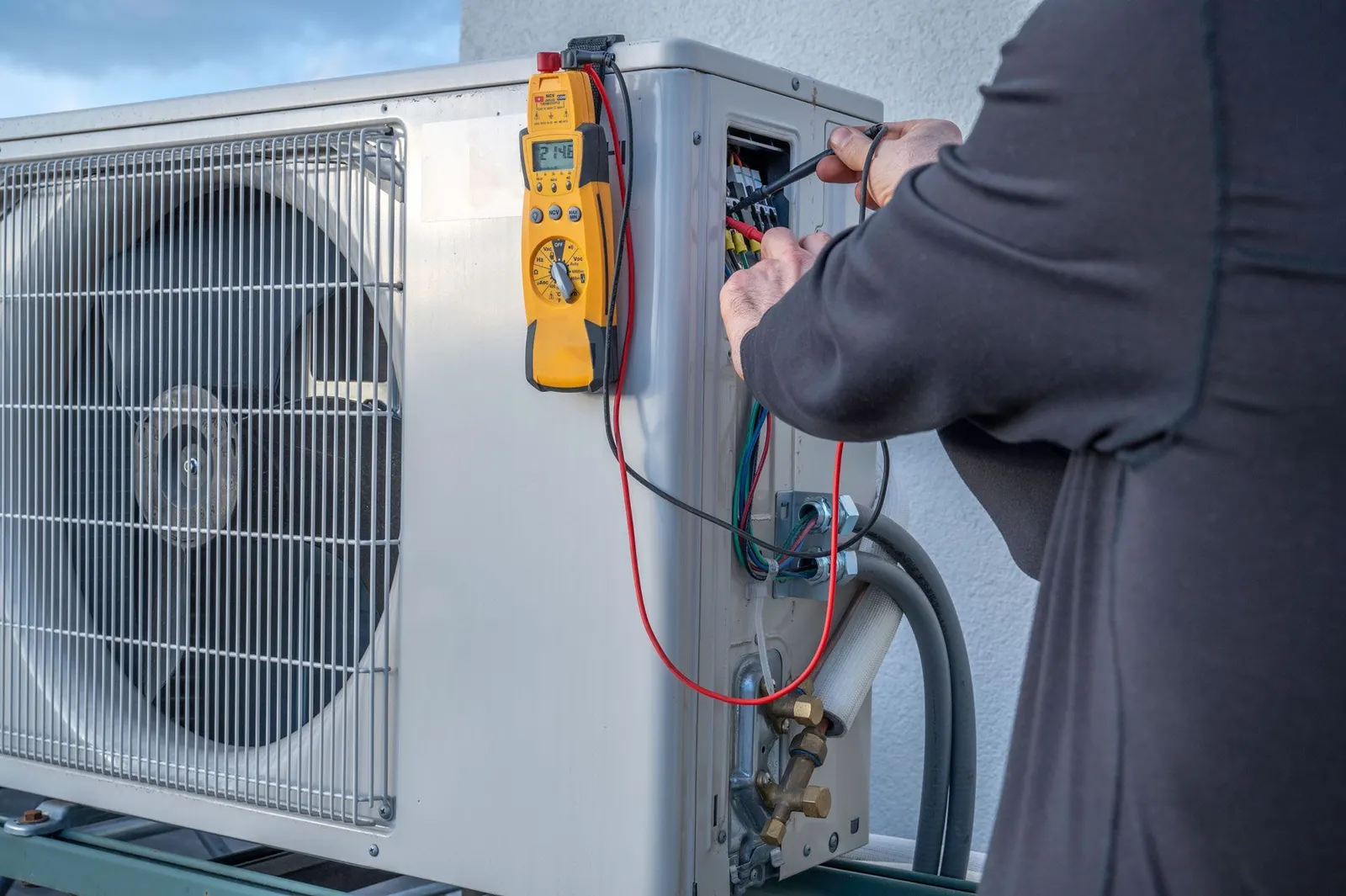
Determining whether to repair or replace should never be based on guesswork or a high-pressure sales pitch. The decision requires a thorough, technical diagnostic of the equipment's current state. An objective evaluation looks at the hard data: checking refrigerant subcooling and superheat levels, measuring the electrical amp draw of the compressor, verifying static pressure in the ductwork, and assessing the overall health of the heat exchange coils.
For example, when a three-year-old heat pump required prompt and competent repair during a severe weather shift, a thorough diagnostic revealed a specific, isolated issue—a pressure switch wire touching the suction line. Because the diagnostic was rooted in technical facts rather than a desire to sell new equipment, the technician quickly resolved the issue, restoring the system to peak performance.
Working with a trusted local team rooted in family values means you receive an honest home repair assessment. An objective diagnostic provides the peace of mind that comes from understanding the exact technical condition of your system. You deserve a clear explanation of why your system is failing during a peak summer heatwave in July, presented without the hard sell for a new system unless the technical data proves that replacement is the only viable path forward.
Secure Your Comfort with a Technical System Assessment
The right choice for your home balances the age of your system, the demands of the cooling load, and the overall efficiency of the equipment. When your system shows signs of a severe energy-efficiency drop under heavy cooling load, it is time to stop guessing and get a definitive, objective answer from a qualified professional.
Whether you need a targeted repair to swap out a failing capacitor or a comprehensive upgrade to a modern SEER2 system, having accurate options comparisons for homeowners ensures you make the best long-term investment. Secure your indoor comfort today by scheduling an honest diagnostic evaluation or a professional replacement consultation before the next heatwave hits.
Frequently Asked Questions
Is it worth repairing a 15-year-old AC?
In most cases, repairing a 15-year-old air conditioner is not technically or financially sound. At this age, the system has exceeded its expected design life, and major components are highly susceptible to cascading failures. Furthermore, older units lack modern efficiency standards and often rely on obsolete refrigerants, making a full replacement a much more reliable long-term solution.
How do I know if my AC needs to be replaced?
Key technical indicators include a severe inability to maintain the thermostat set point during peak heat, frequent component breakdowns, and a noticeable drop in energy efficiency. If your system requires repeated service calls, uses R-22 refrigerant, or has suffered a catastrophic compressor failure, a replacement is generally the most logical step. An honest diagnostic evaluation can confirm if the system is beyond viable repair.
At what age should you replace your air conditioner?
The industry standard lifespan for a central air conditioning system is typically between 10 and 15 years, depending on maintenance history and runtime hours. Once a system passes the 10-year mark, major components like the compressor and evaporator coil begin to degrade significantly. Proactive replacement around this age helps homeowners avoid sudden breakdowns during extreme weather and take advantage of modern efficiency upgrades.
Does extreme summer humidity affect the repair vs replace decision?
Yes, high humidity drastically increases the latent heat load on a cooling system, forcing the compressor to work much harder to dehumidify the air. Aging systems lose their ability to manage this heavy workload effectively, leading to accelerated wear and poor indoor comfort. If an older unit consistently fails to remove humidity, upgrading to a modern system with advanced moisture control capabilities is highly recommended.
What is the impact of the R-22 refrigerant phase-out on older units?
The EPA has completely phased out the production and import of R-22 refrigerant due to environmental regulations. As a result, sourcing R-22 for older, leaking systems is incredibly difficult and impractical. If an R-22 system develops a major refrigerant leak, the industry standard practice is to replace the entire unit rather than attempting an unviable and irresponsible repair.