
The Myth of the Broken AC During Extreme Summer Heat
A widespread myth is that an air conditioner running continuously for hours is automatically a broken system, but before you start checking off every item on a seasonal home maintenance checklist in a panic, it helps to understand how your system is actually designed to operate. When you are sweating in your living room while the unit hums along for six hours straight, the immediate reaction is often frustration and concern. Your central AC system running continuously without lowering the indoor temperature during peak July heat and humidity is a concrete problem that requires attention. However, jumping straight to the conclusion that the equipment is mechanically dead is often premature.
The core decision point you face is determining if the AC is genuinely mechanically failing and requires a licensed professional, or if it has simply reached its maximum design cooling capacity for the current extreme weather. Air conditioners are not magic boxes that produce infinite cold air; they are thermal transfer machines with hard mathematical limits on how much heat they can move per hour. When the outdoor temperature spikes far above average, your system will run non-stop just to hold the line, preventing the house from getting hotter even if it cannot reach your preferred thermostat setting.
For more details on how your system is intended to function under normal and extreme loads, explore our comprehensive Air Conditioning services.
Understanding this distinction is the first step in diagnosing your home's comfort issues. If your system is just maxed out by the weather, a costly service call might result in a technician simply telling you that the equipment is doing exactly what it was built to do. On the other hand, if there is a true mechanical failure, catching it early can prevent a minor repair from cascading into a total system replacement.
Understanding HVAC Design Temperature Limits
To truly evaluate your system's performance, you need to understand regional design temperatures. HVAC systems are not sized to handle the absolute hottest day in recorded history. Instead, engineers use historical weather data to determine a design temperature—a temperature that the region stays below for 99% of the year. In places like Williamsport MD, that design temperature is typically in the low 90s. When the thermometer pushes past that limit, your air conditioner is officially undersized for the current weather, by design.
During these severe heatwaves, an AC running continuously during the hottest part of the day is often operating exactly as intended. It is running at 100% capacity just to offset the massive thermal load pressing against your home's exterior walls and roof. If you are considering an upgrade because your system struggles during these rare spikes, it is wise to consult a professional about AC Installation & Replacement to ensure any new equipment is sized correctly for your specific property.
Furthermore, the Mid-Atlantic region presents a unique challenge: high relative humidity. This introduces the concept of sensible versus latent cooling. Sensible cooling is the process of lowering the actual air temperature, which is what you see on your thermostat. Latent cooling is the process of removing moisture from the air. Because water holds a massive amount of heat energy, high relative humidity significantly increases the latent cooling load.
Your air conditioner is forced to expend a massive amount of energy pulling water out of the air before it can even begin to drop the sensible temperature. If your system is running non-stop but the air coming out of the vents feels cold and the house feels less sticky than outside, the unit is likely working hard to manage that latent heat. It is fighting a hidden battle against moisture, which explains why the number on the thermostat refuses to budge.
Safe Observational Checks Before Calling a Professional
Before you pick up the phone to schedule a service call during peak July heat and humidity, there are several safe, observational checks you can perform. These steps do not require any tools, do not involve opening electrical panels, and respect the boundaries of licensed HVAC work. They simply help you gather information to determine if your system is choking on a basic airflow issue or if it requires a deeper dive.
- Inspect the air filter: A clogged air filter is the most common cause of poor cooling performance. It restricts the volume of air moving over the indoor coil, severely limiting the system's ability to absorb heat from your home. Pull the filter out and hold it up to a light; if you cannot see light shining through, replace it immediately.
- Verify thermostat settings: Ensure the thermostat is set to "Cool" and the fan is set to "Auto." If the fan is set to "On," it will blow continuously, even when the compressor outside cycles off. This can make it feel like the system is running constantly without cooling, and it can also re-evaporate moisture back into your home, raising the indoor humidity.
- Observe indoor humidity: Pay attention to how the air feels. If the house is warm but the air is extremely dry, your system might be short-cycling. If the house is warm and feels like a swamp, the system is failing to manage the latent heat load, which points to a potential refrigerant issue or severely restricted airflow.
- Check the outdoor condenser: Walk outside and look at the large metal unit. Is it buried in tall grass, weeds, or overgrown shrubs? The condenser needs at least two feet of clear space on all sides to effectively exhaust the heat it pulled from your house. Clear away any visible debris, leaves, or obstructions from the exterior fins.
If you have completed these checks and the system is still struggling to maintain a habitable environment, it might be time to read up on Why Your AC Stopped Cooling to understand the mechanical failures that require expert intervention.
The 5000 Rule and Objective Benchmarks for AC Repair vs Replace
When observational checks rule out basic airflow issues and a technician confirms a mechanical failure, you are faced with a significant decision: do you patch up the aging equipment, or do you invest in a modern replacement? Making this choice while sweating in a hot house in Williamsport MD can lead to rushed decisions. To remove the emotion from the equation, industry professionals often rely on objective benchmarks like the 5000 rule.
The 5000 rule is a simple calculation used to gauge the financial viability of a repair. You multiply the age of the equipment by the estimated severity or scale of the repair required. If the resulting calculation exceeds the 5000 threshold, the repair is generally considered a poor long-term investment, and replacement is recommended. This framework prevents homeowners from pouring resources into a failing unit that will likely break down again next season.
We often see the consequences of ignoring these objective benchmarks. One local homeowner was dealing with an AC that gave ongoing problems; technicians kept coming back to try and fix the aging unit until the root cause was finally addressed by acknowledging that the system was simply beyond its useful life. Frequent, recurring breakdowns are a massive red flag. If you find yourself on a first-name basis with your service technician, your system is telling you it is time to retire.
When to Repair vs. When to Replace
To further clarify this decision, consider the following comparison of common scenarios:
| Evaluation Criteria | Indicators for Repair | Indicators for Replacement |
|---|---|---|
| System Age | Under 10 years old | Over 10-15 years old |
| Repair Severity | Falls well below the 5000 rule threshold | Exceeds the 5000 rule threshold |
| Breakdown Frequency | Rare; system has a history of reliable performance | Frequent; recurring breakdowns require technicians to keep coming back |
| Energy Efficiency | Utility bills remain consistent with historical averages | Energy bills have spiked significantly compared to previous seasons |

R-22 Phase-Outs and the Impact of Aging Refrigerant
Beyond the basic age and repair calculations, there is a definitive technical factor that often forces the repair versus replace decision: the type of refrigerant your system uses. If your air conditioner was installed more than a decade ago, there is a high probability it utilizes R-22 refrigerant. Due to its ozone-depleting properties, the Environmental Protection Agency (EPA) mandated a complete phase-out of R-22, halting all production and importation in 2020.
This regulatory shift has a massive impact on homeowners dealing with aging systems during peak July heat and humidity. Because the supply of R-22 is strictly limited to recovered and recycled stock, acquiring it for major repairs has become increasingly impractical. If your older system develops a significant refrigerant leak, simply "topping it off" is no longer a viable or sensible long-term strategy. The resources required to execute that repair often push the calculation well past the 5000 rule threshold.
Modern systems use newer, environmentally friendly refrigerants like R-410A or the emerging R-454B. These newer refrigerants operate at higher pressures and require entirely different compressors and coil designs, meaning you cannot simply put modern refrigerant into an old R-22 system. If you are dealing with a severe leak on an outdated unit, scheduling AC Repair Service will likely result in a recommendation to upgrade, as investing heavily in obsolete chemistry is a losing battle.
Furthermore, systems built around modern refrigerants are vastly more efficient. The heat transfer properties of newer formulas allow modern air conditioners to pull more heat out of your home while consuming less electricity. Moving away from R-22 is not just about compliance; it is about upgrading to a standard of efficiency that older units simply cannot match.
Honest Diagnostics: When to Schedule a Professional Evaluation
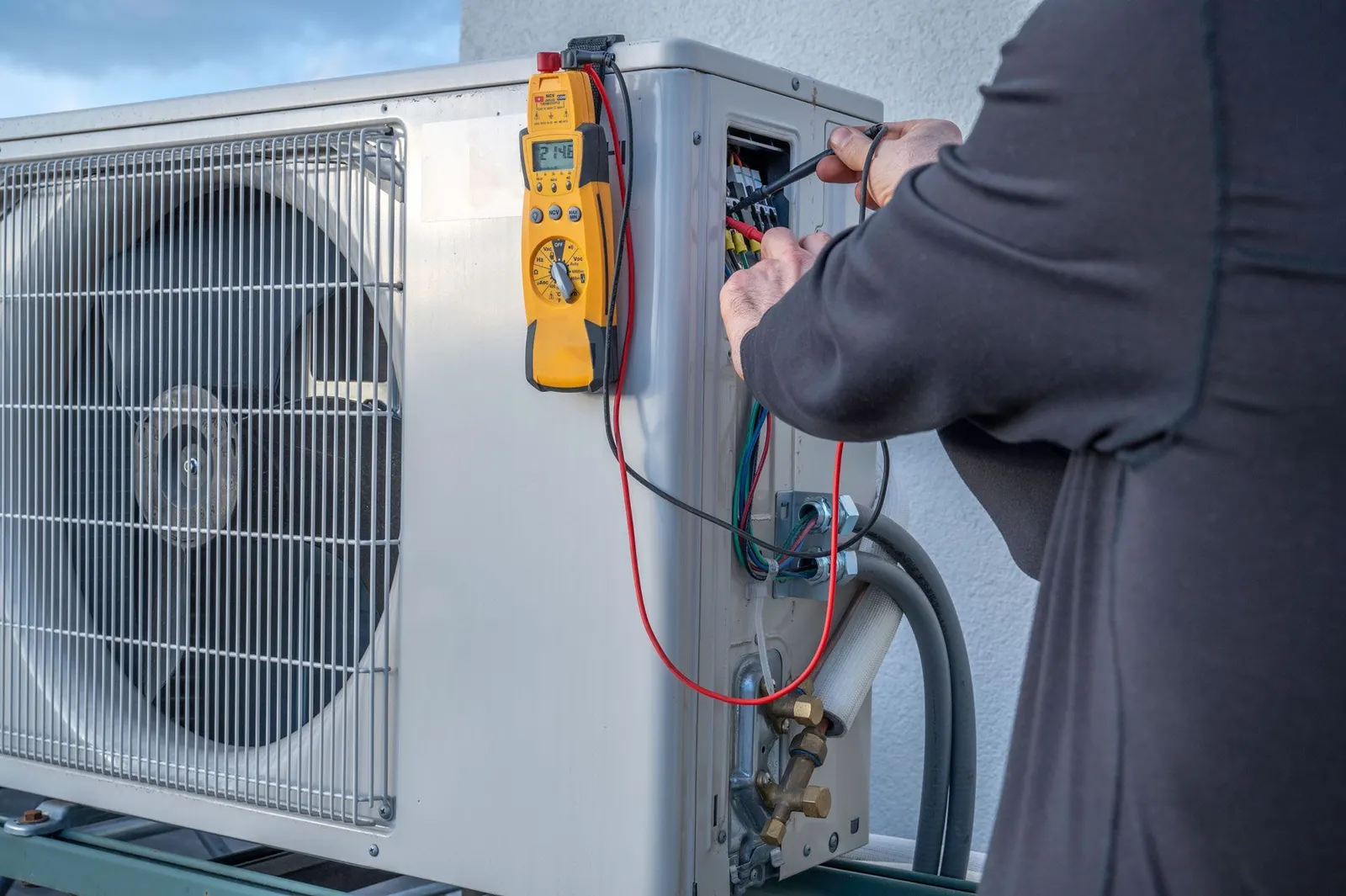
While understanding design limits and performing basic checks are excellent first steps, there are definitive signs that a licensed professional is required immediately. If your system is blowing noticeably warm air out of the supply registers, making loud grinding or screeching noises, or has suffered a complete electrical failure where it refuses to turn on at all, observational checks are no longer sufficient. These are clear indicators of mechanical distress that require expert diagnostic tools.
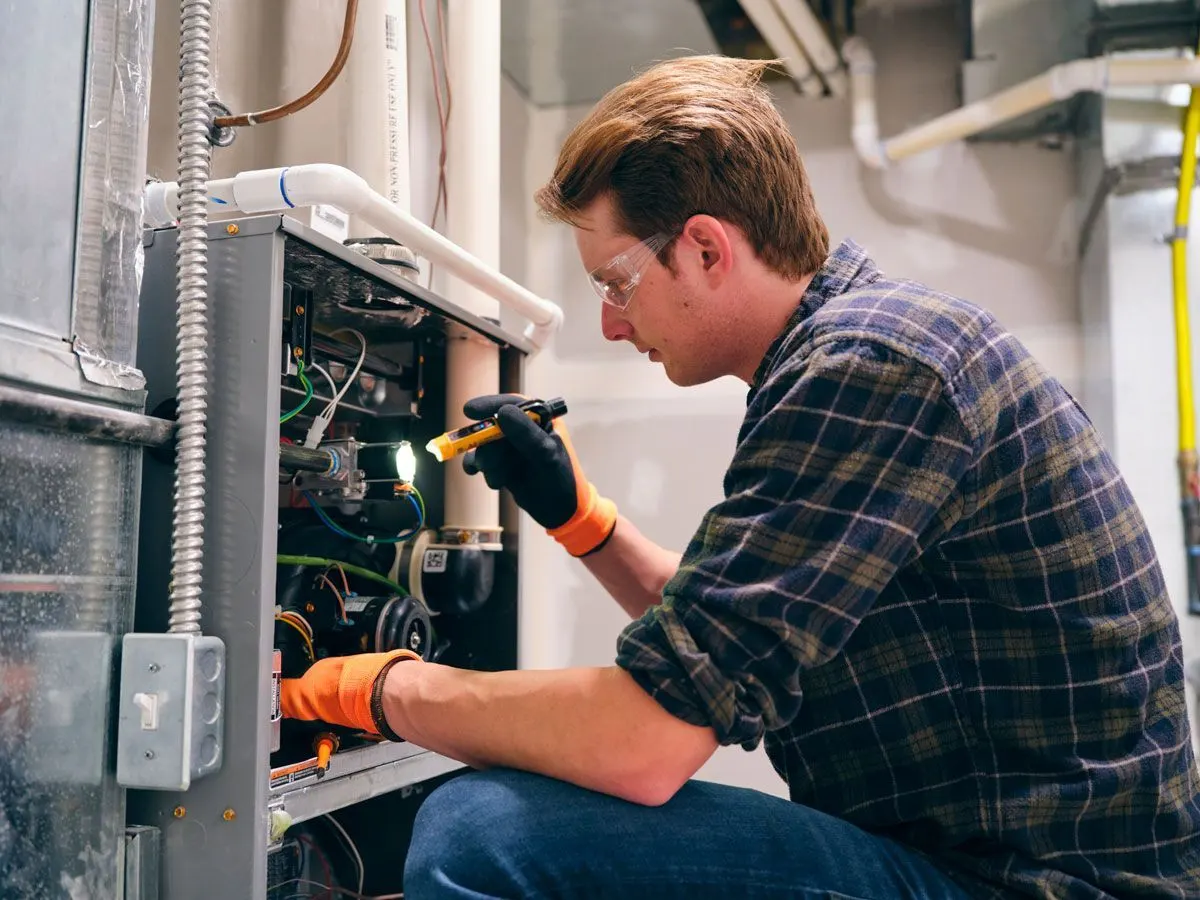
A professional diagnostic during peak summer load involves far more than just checking the temperature. A licensed technician will measure the superheat and subcooling to evaluate the exact refrigerant charge, test the electrical draw on the compressor and fan motors to detect failing components, and measure the static pressure to ensure the ductwork is delivering the correct volume of air. This comprehensive approach is the only way to get a true picture of your system's health in Williamsport MD.
The key is working with a team that prioritizes objective evaluations over aggressive sales tactics. As a family-owned business, the focus remains entirely on providing honest repairs and objective diagnostics to empower homeowners. The goal is to prevent unnecessary replacements and present clear, factual options. When one customer needed a new HVAC system installed, they noted the excellent service, expertise, and professionalism provided during the installation—proof that an honest, educational approach yields the best results for the home.
If a repair is the most sensible route, a trustworthy professional will execute it efficiently. If a replacement is genuinely the best option, they will explain exactly why, utilizing frameworks like the 5000 rule and regional design limits to ensure you understand the "why" behind the recommendation, rather than just pressuring you into a decision during a heatwave.
Long-Term Value: Efficiency, Reliability, and Peace of Mind
When the evidence points toward replacement, it is important to view the decision through the lens of long-term value rather than just immediate relief. A modern, properly sized central air conditioning system handles high heat and humidity far more effectively than a unit built fifteen years ago. Advanced features like variable-speed compressors and multi-stage blowers allow new systems to run at lower capacities for longer durations, which is the absolute most effective way to strip latent moisture out of the air during a Mid-Atlantic summer.
Upgrading also opens the door to improved energy efficiency. Modern units require significantly less electricity to produce the same amount of cooling, which translates directly to lower utility usage over the lifespan of the equipment. Additionally, there are often generally applicable energy rebates, utility incentive programs, and federal tax credits available for installing high-efficiency equipment like qualifying heat pumps. While you should always verify current programs with your utility provider or a tax professional, these incentives can help offset the initial investment of a system upgrade.
Another homeowner experienced this firsthand when they needed a new AC unit installed due to hot and humid summer weather. The process was quick and easy, and the installation team even helped set up an updated programmable thermostat to maximize the new system's efficiency and daily scheduling. That level of comprehensive service ensures the new equipment performs exactly as intended from day one.
Ultimately, the greatest benefit of a timely replacement is the peace of mind that comes with reliability. Knowing that your home will remain a comfortable, safe refuge during peak July heat and humidity—without the constant fear of a sudden breakdown—is invaluable. By utilizing clear criteria to evaluate if your system is operating normally under extreme load, performing safe basic checks, and recognizing the definitive signs that a licensed professional is actually needed, you can make an informed, confident decision about the future of your home's comfort.
Frequently Asked Questions
Why is my AC running constantly in extreme heat?
Your AC runs constantly in extreme heat because it is trying to overcome a massive thermal load that exceeds its design capacity. HVAC systems are built to maintain comfort up to a specific regional temperature limit, not the hottest day of the year. When outdoor temperatures spike past that limit, the system will run non-stop just to prevent the house from getting hotter. This continuous operation is often normal behavior during severe heatwaves.
How do I know if my AC is broken or just working hard?
If your AC is working hard, it will run continuously but the air coming from the vents will still feel notably cold, and the indoor humidity will remain manageable. If the system is broken, you will typically notice warm air blowing from the registers, strange grinding or screeching noises, or the indoor temperature rising rapidly despite the unit running. Checking your air filter and ensuring the outdoor unit is clear of debris can help rule out basic airflow restrictions before assuming a mechanical failure.
At what outside temperature does an AC struggle to cool?
Most residential air conditioners begin to struggle when the outdoor temperature exceeds their regional design temperature, which is often in the low to mid-90s Fahrenheit in the Mid-Atlantic region. Once the weather pushes past 95 degrees, even a perfectly functioning system may fail to reach a thermostat set point of 70 degrees. The system is designed to provide a specific temperature differential (usually around 20 degrees cooler than outside), meaning extreme outdoor heat directly limits indoor cooling potential.
When should I replace an AC that struggles to cool?
You should consider replacing an AC when it consistently fails to cool your home during normal summer weather, requires frequent professional repairs, or is over 10 to 15 years old. Utilizing benchmarks like the 5000 rule—multiplying the age of the unit by the severity of the repair—can help determine if fixing it is a poor investment. Additionally, if your system uses outdated R-22 refrigerant and develops a significant leak, replacement is almost always the most sensible long-term choice.
Does high humidity affect how well my AC cools my home?
Yes, high humidity drastically affects cooling performance because the air conditioner must expend significant energy removing moisture from the air (latent cooling) before it can lower the actual temperature (sensible cooling). In highly humid environments, your system will run longer cycles just to pull water out of the indoor air. If your system is undersized or failing, it will struggle to manage this moisture, leaving your home feeling clammy and uncomfortable even if the air is technically cool.
What is the 5000 rule for AC replacement?
The 5000 rule is an objective benchmark used to evaluate whether an aging HVAC system should be repaired or replaced. You calculate it by multiplying the age of the equipment by the estimated severity or scale of the required repair. If the resulting number exceeds 5000, industry professionals generally recommend investing in a new system rather than sinking resources into failing equipment that is likely to break down again.