
Preparing Your Home for the First Freezing Night
At Comfort Central Inc., we know firsthand that October in the Williamsport MD area brings a sharp temperature transition, making a reliable seasonal home maintenance checklist your best defense against sudden cold snaps. After months of running your air conditioning to combat heavy summer humidity, your heating equipment has likely been sitting dormant. When the nighttime temperatures suddenly plummet into the 30s and 40s, that idle system is forced to wake up and perform flawlessly on a moment's notice.
Our team typically sees homeowners face a critical decision during this mid-fall heating startup period: schedule a proactive inspection while the weather is still relatively mild, or wait to see if the system survives its first heavy workload. Waiting often leads to unpleasant surprises. A system that seems perfectly fine on a 65-degree afternoon can easily trip a breaker or fail to ignite when the thermostat calls for high-capacity heating at 2:00 a.m.
Understanding the natural lifespan of your heating and cooling equipment changes how you approach this seasonal shift. When you know exactly what your hardware goes through during a Maryland temperature swing, pre-winter maintenance stops feeling like an optional chore and starts looking like essential protection for your home investment. By addressing minor wear and tear in October, you prevent the kind of catastrophic mid-winter breakdowns that leave your family shivering and your budget strained.
How Long Does an HVAC System Last on Average?
The problem: We frequently encounter homeowners who assume their heating and cooling equipment will run indefinitely until a major component physically breaks. This misconception leads to reactive maintenance, where systems are only serviced after they fail, ultimately shaving years off the equipment's potential lifespan.
The cause: According to the Department of Energy (DOE) and ENERGY STAR, heat pumps and furnaces generally last 15 to 20 years. However, this lifespan is not a guaranteed static number. It is a moving target heavily influenced by installation quality, regional climate stress, and how often the system receives professional care. A neglected furnace or heat pump is forced to work against its own internal friction. Clogged blowers, unlubricated motors, and dirty burners cause the system to run longer cycles to achieve the same temperature, accelerating mechanical fatigue.
The solution: Consistent, professional upkeep is the single most effective way to maximize longevity. Regular maintenance can help an HVAC system maintain up to 95% of its original operational efficiency over its entire life. If you are approaching the upper end of that 15-to-20-year window and experiencing frequent issues, it may be time to evaluate your options for AC installation and replacement before a total failure occurs.
Here is a general breakdown of what to expect from different system components when they are properly maintained:
| System Component | Average Lifespan | Key Longevity Factors |
|---|---|---|
| Gas Furnace | 15 - 20 Years | Annual burner cleaning, heat exchanger inspections, and proper airflow to prevent overheating. |
| Heat Pump | 15 Years | Because they run year-round for both heating and cooling, bi-annual maintenance is critical for compressor health. |
| Ductless Mini-Split | 15 - 20 Years | Frequent filter washing and professional coil cleaning to maintain efficiency. |
| Thermostat | 10 - 15 Years | Dust accumulation and outdated wiring technology often prompt replacement before physical failure. |
How Mid-Atlantic Temperature Swings Accelerate Wear and Tear
In our years of providing HVAC services throughout the Williamsport MD area, the Comfort Central Inc. team has learned that our regional climate presents a unique challenge for residential heating and cooling equipment. Our weather does not just stress systems through extreme highs or lows; it stresses them through rapid, aggressive transitions. Understanding this dual-stress environment is key to protecting your hardware.
During our notoriously humid summers, moisture naturally builds up inside the idle components of your furnace or the indoor coil housing of your heat pump. If this moisture sits stagnant in a dark, warm environment, it creates the perfect conditions for superficial rust and corrosion on sensitive electrical contacts, flame sensors, and heat exchangers. The system is essentially degrading while it is turned off.
Then comes the sharp transition of fall. The rapid shift from warm, humid afternoons to near-freezing nights forces your system to jump from zero workload to maximum capacity in a matter of hours. Without proper preparation, the initial combustion or heating cycles in late fall place immense strain on those compromised, unlubricated, or slightly corroded parts.
- Thermal expansion and contraction: Heat exchangers expand when hot and contract when cold. Sudden, extreme temperature shifts on a dirty or weakened heat exchanger increase the risk of hairline cracks.
- Lubricant viscosity: The oil in blower motors and bearings can thicken during idle periods. Starting the system cold without proper lubrication forces the motor to draw excess amperage, risking electrical shorts.
- Short-cycling stress: Wide temperature swings can confuse older thermostats, causing the system to turn on and off rapidly. This short-cycling is incredibly punishing on a heat pump's compressor.
Addressing these specific, climate-driven stressors is the most effective way to protect your system's long-term viability. A mid-fall heating startup clears away the summer's dormant moisture and prepares the mechanical components for the sudden thermal shock of winter.
Your Proactive Seasonal Home Maintenance Checklist
Based on countless fall service calls, we believe protecting your system requires a clear plan. A comprehensive seasonal home maintenance checklist should clearly separate the routine tasks you can handle yourself from the complex diagnostics that require a licensed professional. Following this routine every October ensures your home remains comfortable and safe.
Safe DIY Tasks for Homeowners
You can dramatically improve your system's performance by managing basic airflow and exterior conditions. These simple steps take only a few minutes but prevent immense mechanical strain.
- Check and replace your air filters: This is the single most important DIY task. A clogged filter chokes the blower motor, forcing it to work harder and run hotter. As you shift from cooling to heating, start with a fresh filter. Check it monthly throughout the winter, especially if you have pets.
- Clear the exterior perimeter: Heat pumps require unobstructed airflow to extract heat from the outside air. Rake away fallen autumn leaves, trim back overgrown bushes, and remove any debris within a two-foot radius of the outdoor unit.
- Inspect household vents and registers: Walk through every room and ensure that rugs, furniture, or curtains are not blocking the supply and return vents. Closing vents in unused rooms actually increases static pressure in the ductwork, which damages the blower motor over time.
- Test the thermostat: Switch the thermostat from cooling to heating. Turn the temperature up a few degrees and listen for the system to engage smoothly. If your thermostat uses batteries, October is the perfect time to replace them.
- Check for drafts: Inspect the weatherstripping around your windows and exterior doors. Sealing drafts reduces the heating load on your HVAC system, allowing it to run shorter, more efficient cycles.
When to Call a Professional
While DIY tasks handle airflow, the internal mechanics of your system require certified expertise. Never attempt to open the cabinet to clean electrical components or test gas pressures on your own. Instead, rely on a professional AC maintenance tune-up and heating inspection to handle the dangerous work.
- Electrical connection inspections: Technicians tighten loose wires and test the microfarad readings on capacitors to ensure they can handle the winter workload.
- Combustion and safety testing: For gas furnaces, professionals clean the flame sensor, inspect the heat exchanger for dangerous cracks, and verify that carbon monoxide is safely venting outdoors.
- Refrigerant level checks: Heat pumps rely on a precise charge of refrigerant to warm your home. A professional will check the pressures and ensure the defrost control board is functioning correctly before the first freeze.

Inside a Professional October Heating Startup Inspection
Many homeowners wonder what actually happens during a professional tune-up and whether it is truly necessary. A professional startup goes far beyond a basic visual check; it is a comprehensive diagnostic physical for your home's most expensive appliance. The goal is to identify worn components before they break under the strain of a freeze.
For example, our Comfort Central Inc. team recently had a local homeowner reach out because their aging HVAC system needed an honest evaluation. They were unsure if the system could survive another season of heavy use. Our technician walked through the entire diagnostic process step-by-step, explaining the needed work without aggressive sales pressure. The customer received honest, upfront advice about the health of their equipment, allowing them to make an informed decision about their home.
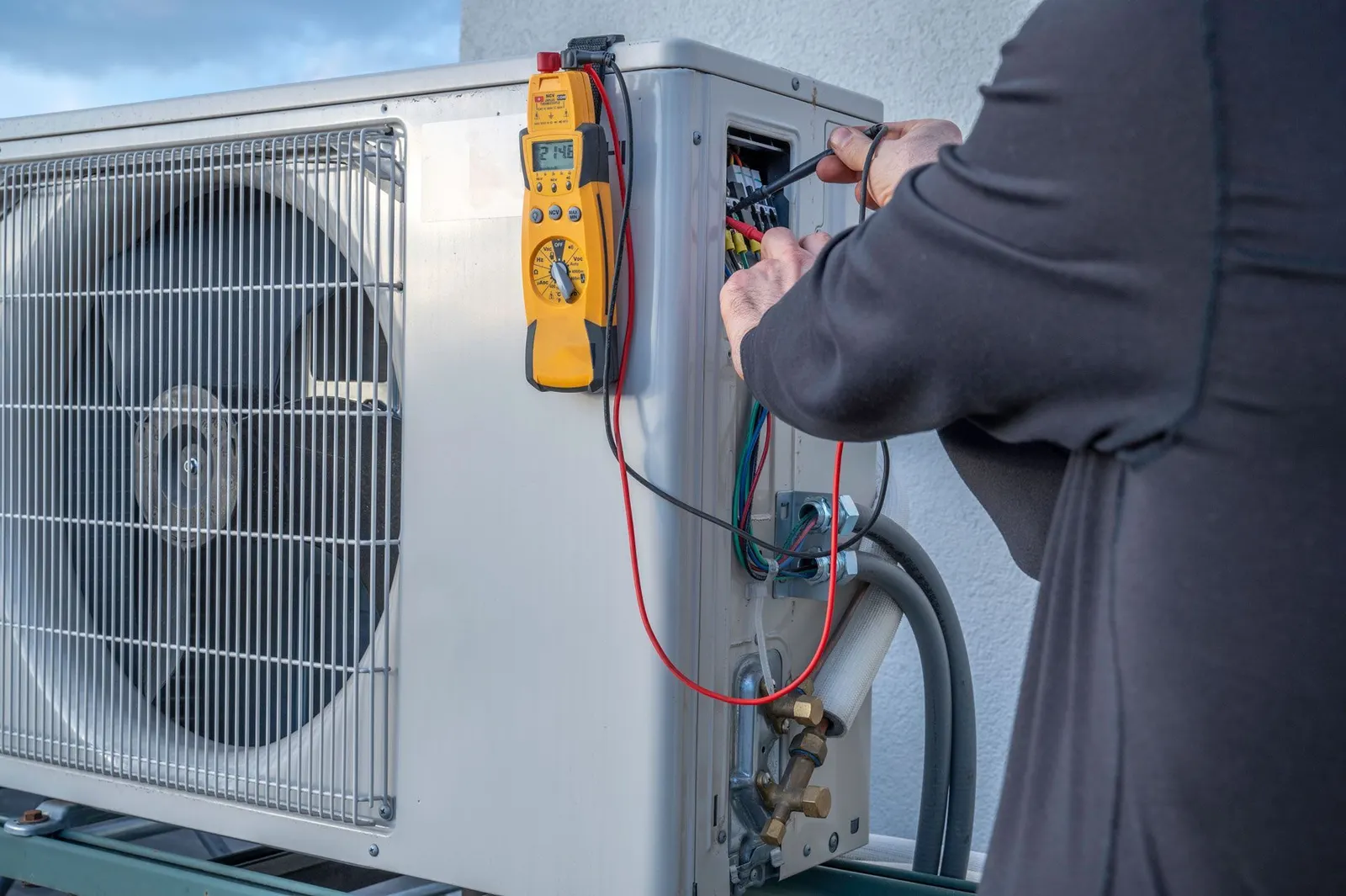
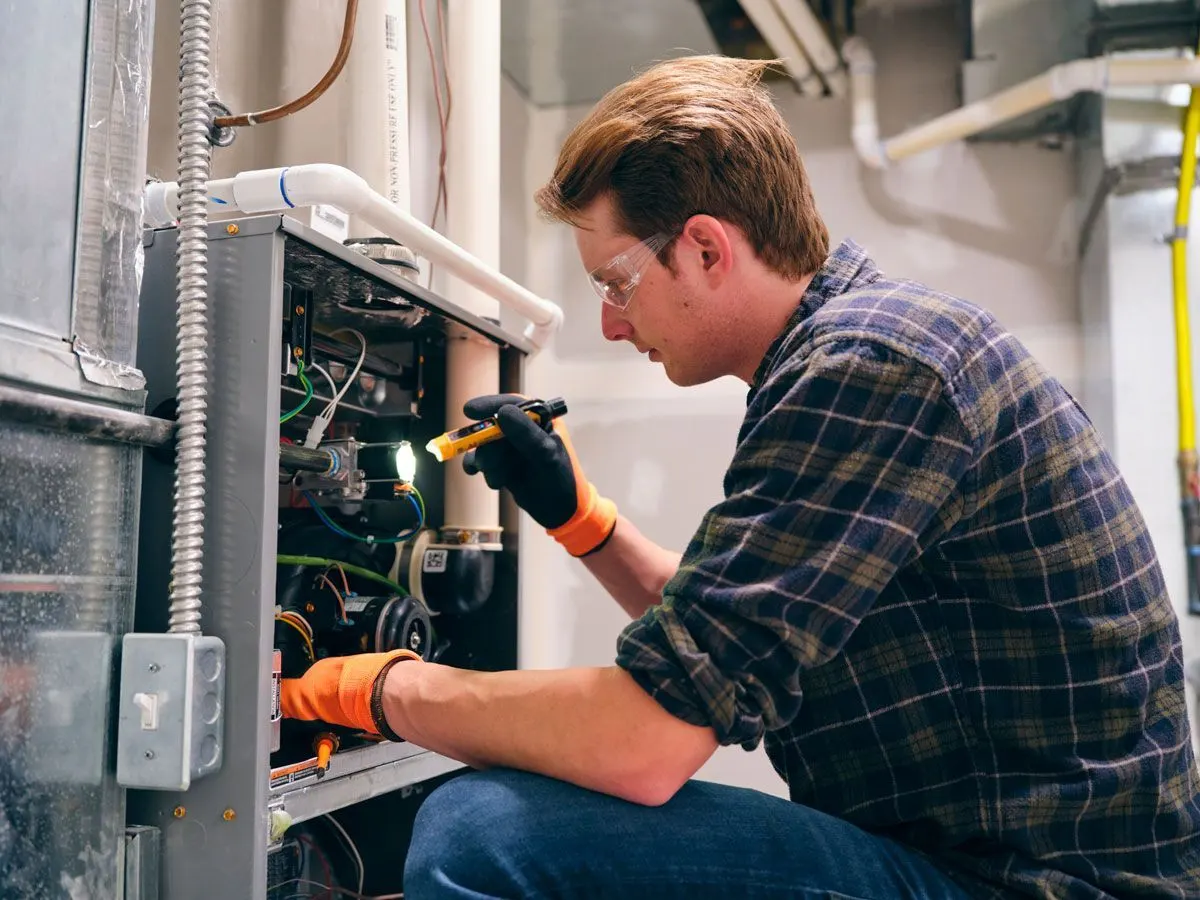
This is the standard you should expect from a mid-fall heating startup. When one of our technicians arrives for an AC repair service or routine tune-up, they use specialized tools to measure the invisible health of your system. They test the electrical draw of the blower motor to ensure it isn't overworking. They clean the flame sensor with specialized abrasives to prevent the furnace from shutting down prematurely. They test the safety limit switches that protect your home from overheating.
Honest diagnostics provide you with a clear, objective picture of your system's health. Catching a weak capacitor or a slightly out-of-balance motor in October allows for a simple, controlled repair. Ignoring it guarantees a catastrophic failure in January, right when you need the heat the most.
Making the Call: When to Repair vs. Replace an Aging System
The problem: Even with a perfect seasonal home maintenance checklist, every mechanical system eventually reaches the end of its useful life. Top-of-funnel readers often struggle to interpret the results of their seasonal inspection. How do you know when a repair is a smart investment versus throwing money at a dying machine?
The cause: As systems age past the 15-year mark, component fatigue becomes cumulative. Frequent breakdowns and rising energy bills are primary indicators that a system is losing its efficiency. The heat exchanger may develop hot spots, or the compressor valves may begin to leak internally. A pattern we see often is perfectly illustrated by another customer who contacted us during the winter when their relatively new, three-year-old heat pump experienced a sudden failure. Our technician quickly found and fixed a pressure switch wire, restoring the heat promptly. In a young system like that, a targeted repair is absolutely the right call. But if that same failure happens on a 17-year-old unit that also has a failing blower motor and a rusty coil, the math changes.
The solution: If a system is past the 15-year mark and requires a major, expensive repair, replacement is often the more cost-effective long-term choice. Modern heating systems offer significantly better energy efficiency, which can drastically improve your home's comfort while lowering monthly utility usage. If you are noticing strange behaviors in your aging unit, understanding why your AC cools then stops cooling or why your heat pump short-cycles can help you diagnose the severity of the problem.
Furthermore, general energy rebates or federal tax credits may apply to qualifying high-efficiency heat pump installations, making upgrades more accessible than ever. While you should always verify current programs and eligibility requirements with your utility provider or a tax professional, these incentives often make replacing an aging system the most financially sound decision you can make during your fall inspection.
Take the Next Step for Your System's Longevity
A clear understanding of why pre-winter maintenance is necessary helps protect your home investment. You do not have to wait for the first freezing night to find out if your heating equipment is up to the challenge. By taking control of the process early, we can guarantee a warmer, safer home for your family.
Completing your seasonal home maintenance checklist ensures you are fully prepared for whatever the Maryland winter brings. From changing your filters to clearing the exterior unit, your proactive efforts make a massive difference. Explore your options for a professional October heating startup to secure reliable, efficient comfort all season long.
Frequently Asked Questions
What is included in a fall home maintenance checklist?
A comprehensive fall checklist includes inspecting and replacing air filters, clearing debris from the outdoor heat pump, testing the thermostat, and scheduling a professional heating startup. These steps ensure that both the airflow and internal mechanics of your system are prepared for winter workloads. Professional tasks will also include electrical testing, combustion safety checks, and lubricating moving parts.
How long does a typical HVAC system last?
Most typical heating and cooling systems last between 15 and 20 years when properly maintained. Heat pumps, which run year-round for both heating and cooling, tend to average around 15 years. Gas furnaces can often reach 20 years if their heat exchangers and burners are cleaned annually. The actual lifespan depends heavily on your local climate, the quality of the initial installation, and how strictly you adhere to routine maintenance.
How often should a heat pump be serviced?
A heat pump should be serviced twice a year—once in the spring before the heavy cooling season, and once in the fall before the freezing winter weather arrives. Because heat pumps do not get a dedicated off-season like a standalone furnace or air conditioner, their compressors and coils endure constant use. Bi-annual tune-ups are critical to keeping the system efficient and preventing premature component failure.
How does maintenance affect HVAC lifespan?
Regular maintenance directly extends the lifespan of your HVAC equipment by reducing the mechanical friction and thermal stress on the internal components. When filters are clean, motors are lubricated, and coils are free of debris, the system doesn't have to work as hard to heat or cool your home. Consistent upkeep can help a system retain up to 95% of its original efficiency, preventing the cascading failures that force early replacements.
Why is fall HVAC maintenance important?
Fall maintenance is crucial because it prepares your system for the sudden, heavy workload of freezing winter nights after sitting dormant during the humid summer. Summer humidity can cause moisture buildup and superficial corrosion on sensitive furnace components. A fall inspection cleans away this buildup, tests all safety switches, and ensures the system will ignite safely and reliably when you need it most.
What does a professional check during a heating startup?
During a heating startup, a professional technician tests the electrical draw of the blower motor, inspects the heat exchanger for cracks, and cleans the flame sensor. They will also verify that safety limit switches are functioning properly to prevent overheating. Finally, they check thermostat calibration and ensure that gas pressure or refrigerant levels are optimized for the upcoming winter season.