
The Challenge of Managing Indoor Temperatures During Thanksgiving Gatherings
Your home feels perfectly comfortable all morning, but the moment the turkey goes into the oven and the doorbell rings, the living room turns into a sauna. Hosting brings warmth and joy, but the combined heat of cooking and a house full of guests can quickly make your home uncomfortably stuffy. Indoor temperatures can spike rapidly during November gatherings, creating a challenging environment for both your guests and your home's heating system. Knowing the right strategy for adjusting thermostat for holiday parties is key to maintaining a comfortable environment. Proactive adjustments prevent your HVAC system from overcorrecting or struggling to maintain balance when the thermal load suddenly shifts.
Need professional help preparing your system for the season? Learn more about our Air Conditioning & HVAC Services or schedule an HVAC Maintenance Tune-Up today.
The core issue during a Thanksgiving gathering is the sudden, concentrated introduction of heat into a space that is normally calibrated for just a few people. Your heating system relies on a thermostat located in one specific part of the house—usually a hallway or a main living area. When that single room fills up with people, the thermostat registers the sudden warmth and shuts off the heating cycle. While this keeps the living room from turning into an absolute furnace, it can leave the rest of the house completely unheated.
Understanding how your home's climate control system reacts to these sudden changes is the first step in managing them. When you wait until the house is already sweltering to make a change, you are forcing the system to work reactively. A reactive system is an inefficient system. By taking control of the temperature before the first guest even arrives, you can create a stable, comfortable environment that lasts from the appetizers all the way through dessert.
The Physics of Holiday Heat: Why Your Home Gets So Warm
To understand why a 3-degree thermostat drop is necessary, it helps to look at the actual physics of holiday heat. Your home gets warm because every person and every active appliance acts as a miniature furnace, adding to the home's overall thermal load. On a normal November day, your HVAC system only has to combat the cold air outside. On Thanksgiving, it suddenly has to combat the massive amount of heat being generated inside.
Human Body Heat Contributions
Every person in a room acts as a small, continuous heater. An average adult at rest generates between 250 and 400 BTUs (British Thermal Units) of heat per hour. If you invite 15 guests over for dinner, they are collectively adding between 3,750 and 6,000 BTUs of heat to your living space every single hour. That is the equivalent of running a large electric space heater right in the middle of your living room. As people mingle, talk, and move around, that ambient body heat naturally warms up adjacent rooms, fundamentally altering how your HVAC system reads the temperature of the house.
Kitchen Appliance Thermal Load
The kitchen is the engine room of holiday heat. Ovens and stovetops running continuously can raise kitchen temperatures by 5 to 10 degrees within a single hour. Roasting a turkey requires the oven to run at a high temperature for several consecutive hours. That heat does not stay confined to the kitchen; it radiates through the walls, travels down the hallways, and mixes with the body heat of your guests. This combined thermal load forces the HVAC system to work completely differently than it does on a standard day.
| Heat Source | Average Thermal Output | Impact on Indoor Climate |
|---|---|---|
| Average Adult Guest | 250 - 400 BTUs per hour | Gradual warming of localized gathering spaces |
| Active Oven (Roasting) | Continuous high heat radiation | 5 to 10-degree spike in kitchen and adjacent rooms |
| Boiling Stovetop Pots | High heat + added humidity | Makes the air feel heavier and warmer than the actual temperature |
| Dishwasher (Drying Cycle) | Bursts of steam and residual heat | Adds late-evening humidity and warmth to the kitchen |
The 3-Degree Thermostat Drop: A Proactive Timeline
The secret to surviving the Thanksgiving heat wave is the 3-degree thermostat drop. This is a highly specific, proactive adjustment that offsets the impending thermal load without making your house feel freezing when the first guests walk through the door. Timing is everything. If you wait until the house is hot, the battle is already lost.
- Determine your baseline: Identify the temperature you normally keep your home at during a standard November day. For most homes, this is around 68 to 70 degrees.
- Set the timeline: Exactly 1 to 2 hours before your party is scheduled to start, approach the thermostat. This window gives the home enough time to cool down structurally without feeling like an icebox.
- Execute the 3-degree drop: Lower the thermostat by exactly 3 degrees from your baseline. If you normally sit at 70 degrees, drop it to 67 degrees.
- Leave it alone: Once the guests arrive and the oven is running, the natural heat generated by bodies and appliances will push the ambient temperature right back up to a comfortable 70 degrees.
- Reset after the party: Wait until the last guest leaves and the oven is completely turned off before returning the thermostat to its normal winter setting.
This pre-cooling strategy works because it cools the physical structure of your home—the walls, the floors, and the furniture. When the heat wave of guests and cooking hits, those cooled surfaces help absorb the excess warmth. Setting this clear timeline prevents the need to constantly monitor the temperature or fiddle with the dial while you should be entertaining.

Why Reactive Thermostat Adjustments Cause HVAC Strain
One of the most common mistakes homeowners make during a gathering is waiting until the house is already sweltering to yank the thermostat down by five or ten degrees. Waiting until the house is hot forces the system to play catch-up, and sudden, large drops in the thermostat setting while the house is full can cause the system to short-cycle.
Short-cycling occurs when the heating or cooling system turns on and off rapidly without completing a full, proper cycle. When you have a massive amount of fluctuating heat in the living room, the thermostat gets confused. It reads a high temperature, kicks on the cooling (or shuts off the heating completely), then immediately reads a sudden drop if a door opens or the crowd shifts. This rapid on-and-off behavior places immense, unnecessary stress on aging HVAC equipment. You can learn more about how system stress impacts longevity by reading about Fall Heating Odors and HVAC Lifespan.
The mechanical toll: Every time a blower motor and compressor start up, they draw a massive amount of electrical current. Frequent, rapid startups generate excess heat in the motors and wear down the electrical components much faster than long, steady run times. A steady, pre-set temperature using the 3-degree drop rule is always better for the efficiency and longevity of your system. It allows the equipment to run in smooth, predictable cycles rather than violently reacting to the chaos of a holiday party.
Balancing Chilly Maryland Weather with Indoor Heat Spikes
Managing holiday heat is particularly tricky in our region. Late November weather in Williamsport typically sees outdoor temperatures ranging from the 30s to the 50s. This chilly late-fall weather usually requires the heating system to run consistently just to combat the outdoor cold pressing against the windows and walls.
This creates a unique thermal conflict. The core of your house (the kitchen and living room) is experiencing a massive Thanksgiving heat spike, but the perimeter of your house (guest bedrooms, bathrooms, and basements) is still fighting the Williamsport chill. Turning the heat completely off is a common knee-jerk reaction, but it can leave perimeter rooms absolutely freezing while the kitchen remains sweltering.
A slight, calculated 3-degree adjustment maintains a delicate balance between the outdoor cold and the indoor heat generation. It keeps the heating system engaged just enough to push warm air to the outer edges of the house, preventing the guest bathroom from turning into an icebox. Proper balance ensures that guests chatting in the living room and guests grabbing coats from the back bedroom are equally comfortable.
Additional Strategies for Managing Holiday Thermal Loads
While the 3-degree thermostat drop is your primary defense against a stuffy house, it works best when paired with a few other smart airflow strategies. Managing the thermal load of a Thanksgiving gathering is a multi-step process.
- Utilize ceiling fans: Turn ceiling fans on a low setting, ensuring they rotate clockwise for the winter season. This creates a gentle updraft that circulates trapped warm air, preventing hot spots from forming near the ceiling and keeping the overall room feeling fresher.
- Adjust vents strategically: Close vents slightly in unused rooms, like empty guest bedrooms or home offices. Do not close them completely—this alters system pressure—but angling them down redirects more of the conditioned airflow to the high-traffic areas where it is needed most.
- Stagger baking schedules: Avoid peaking the kitchen's temperature right as the main gathering begins. If possible, bake pies and side dishes early in the morning, leaving only the turkey for the afternoon. This spreads the appliance thermal load out over several hours.
- Run kitchen exhaust fans: Use the exhaust fan over your stove continuously while cooking. This helps vent excess heat, steam, and heavy cooking odors directly outside before they have a chance to drift into the living room and raise the ambient temperature.
- Keep interior doors open: Promote natural airflow by leaving hallway and bedroom doors open. This prevents heat from becoming trapped and concentrated in a single central room, allowing the home's return air vents to pull the warm air back into the system evenly.
Protecting Your HVAC System Before the Festivities Begin
High thermal load events like Thanksgiving are incredibly stressful for residential HVAC systems. Your equipment is suddenly asked to manage massive temperature swings, increased humidity from cooking, and airborne particulates from extra foot traffic. Framing proactive thermostat management as a priority is great, but ensuring the system itself is healthy is even more important.
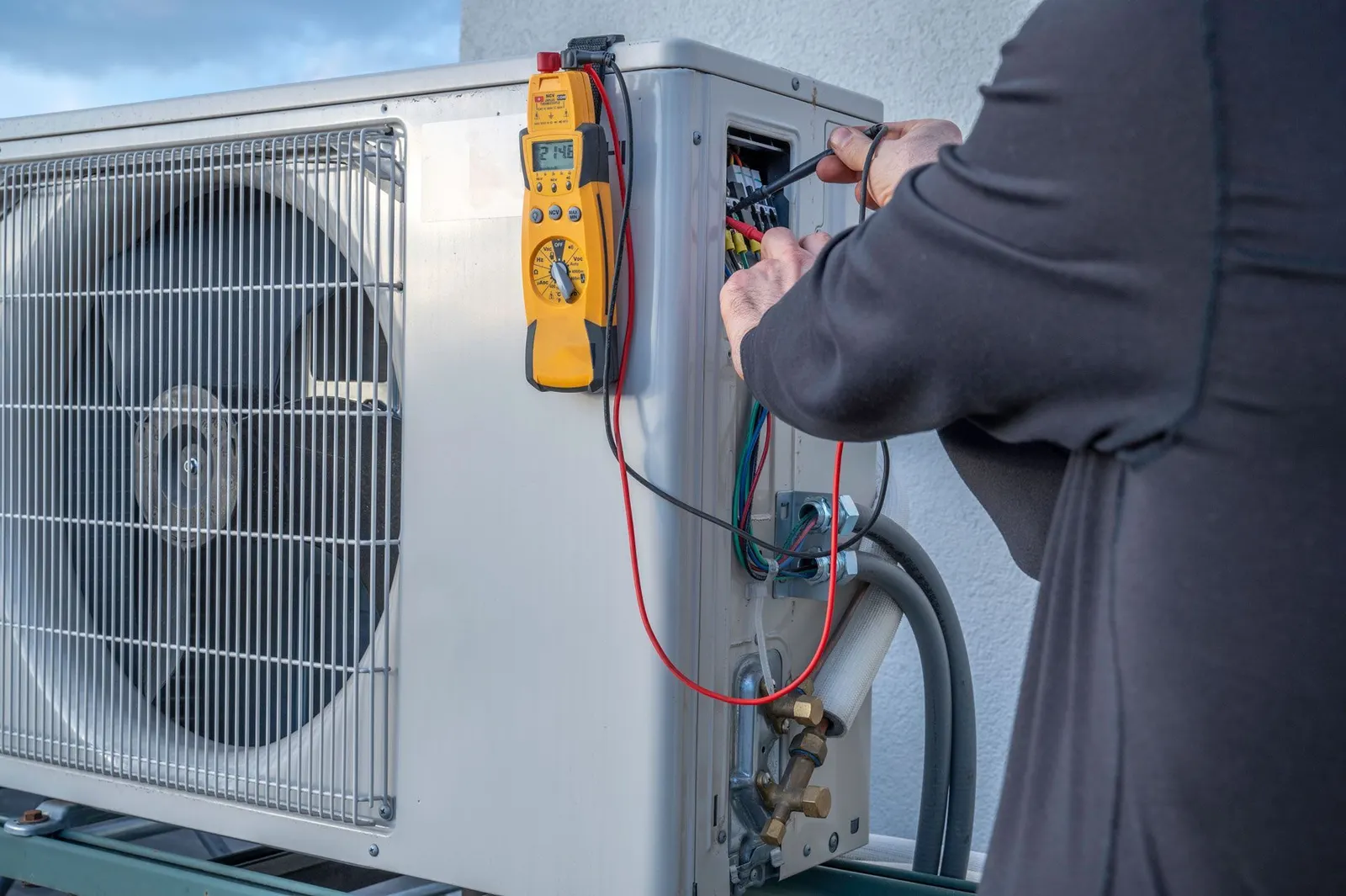
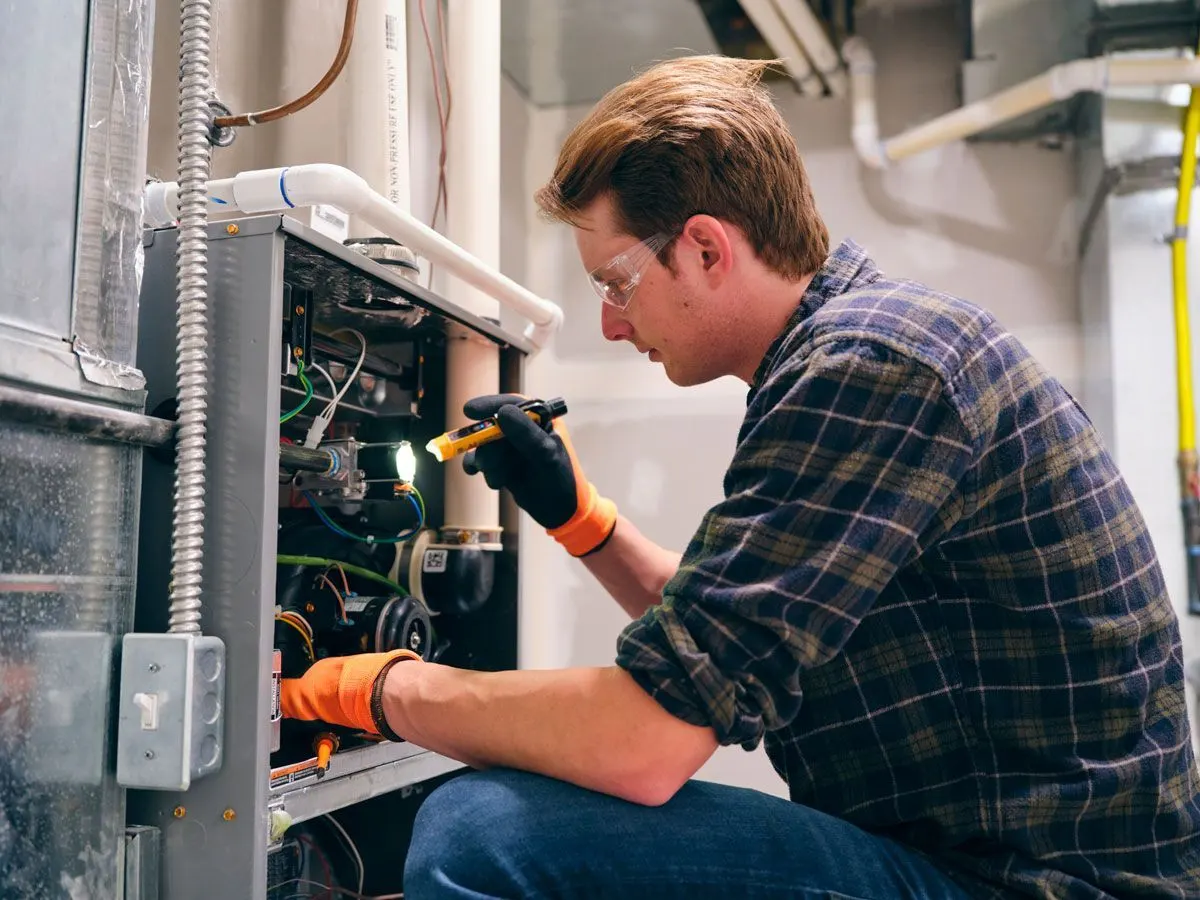
Ensuring the system is clean, calibrated, and thoroughly inspected prevents unexpected breakdowns when it matters most. A clogged air filter, for example, will severely restrict airflow right when your system needs to breathe the most to balance the party's heat. A pre-holiday checkup is a simple, highly effective step to guarantee reliable temperature control. During a tune-up, technicians verify that the thermostat is reading accurately, the blower motor is pulling the right amount of amperage, and the safety switches are fully operational.
Working with reliable local experts means you are never left out in the cold. Having a trusted professional on standby provides incredible peace of mind if the system fails under pressure. Should the worst happen during a busy holiday weekend, you can rely on our Emergency Repair Services in Williamsport to get your home back to a comfortable baseline quickly and efficiently.
Ensure a Comfortable Gathering for Every Guest
Hosting a memorable Thanksgiving should be about enjoying time with family and friends, not sweating over a hot stove while your living room turns into a sauna. Following a clear timeline and executing a precise 3-degree thermostat drop keeps everyone comfortable from the moment they arrive to the moment they leave.
Understanding exactly how human body heat and heavy kitchen appliances affect your home empowers you to practice better proactive management. By taking control of the climate early, you protect your equipment from unnecessary strain. Reach out to local experts today to ensure your system is fully prepared, inspected, and ready for the busy holiday season ahead.
Frequently Asked Questions
What temperature should I set my house for a party?
The ideal temperature for a holiday party is typically 3 degrees lower than your normal comfortable setting. If you usually keep your home at 70 degrees during November, lowering it to 67 degrees is the sweet spot. This slight drop pre-cools the house just enough to offset the incoming body heat of your guests. It ensures the space feels welcoming without forcing the HVAC system to overwork.
Should I turn down the heat when having guests over?
Yes, you should always turn down the heat slightly when hosting a large group, but timing is critical. You want to make this adjustment 1 to 2 hours before anyone arrives, rather than waiting until the house is full. Turning the heat down proactively prevents the space from becoming stuffy. However, avoid turning the heat completely off, as this can leave perimeter rooms too cold.
How much heat does a person give off in a room?
An average adult resting or standing casually gives off between 250 and 400 BTUs of heat per hour. When you multiply this by 10 or 15 guests, it equals the heat output of a large space heater running continuously. This biological heat naturally raises the ambient temperature of the room. Factoring this into your thermostat settings is essential for holiday comfort.
How do you keep a house cool during Thanksgiving?
Keeping a house cool during Thanksgiving requires a mix of thermostat management and airflow control. Start with the 3-degree thermostat drop a few hours early. Run your kitchen exhaust fan to pull cooking heat outside, and turn on ceiling fans to keep the air moving. Staggering your cooking times also helps prevent the kitchen from reaching peak temperatures all at once.
Will lowering the thermostat too much cause my heating system to short-cycle?
Drastic, sudden changes to the thermostat while the house is full of fluctuating heat can indeed trigger short-cycling. If you drop the temperature by 10 degrees all at once, the system may struggle to read the room accurately, turning on and off rapidly. This is why a modest, pre-planned 3-degree drop is recommended. It provides a steady baseline that is much safer for the equipment's longevity.
How long before guests arrive should I adjust the thermostat for a holiday party?
You should adjust the thermostat exactly 1 to 2 hours before the party begins. This specific window allows the physical structure of the home—the walls, floors, and furniture—to cool down slightly. When the guests arrive and the thermal load increases, these cooled surfaces help absorb the extra heat. Making the change any later forces the system to play catch-up.