
The Myth of the Broken Air Conditioner in Extreme Heat
One of the most common homeowner questions answered during peak summer is why the air conditioner runs continuously without ever reaching the target temperature on the thermostat. You walk into your living room at 4 p.m. on a sweltering July afternoon, and the thermostat is stuck at 78°F despite a lower setting. Panic immediately sets in. You assume the compressor is failing, the refrigerant is leaking, or the entire system is on the brink of a catastrophic breakdown. Before you assume the worst, it is crucial to understand the difference between a mechanical failure and a system operating perfectly at its maximum design limit.
When evaluating your home's cooling needs, understanding the capabilities of modern air conditioning systems is the first step toward making an informed decision about your comfort.
Jumping straight to a replacement decision without understanding these technical limits can lead to unnecessary expenses and immense frustration. A system that runs non-stop during a severe heatwave is not necessarily a broken system. In many cases, it is doing exactly what it was engineered to do. By relying on objective diagnostics rather than fear-based assumptions, you can save yourself the stress of an emergency service call when your equipment is actually functioning normally. The key is learning how to read the signs your system is giving you, which requires a closer look at how residential cooling systems are actually designed to operate under pressure.
The 20-Degree Rule: Understanding Your System's Design Limits
To understand why your thermostat is stuck at 78°F despite a lower setting, you have to look at the industry standards used to build these systems. Residential air conditioners are sized and installed based on specific guidelines set by the American Society of Heating, Refrigerating and Air-Conditioning Engineers (ASHRAE). One of the most important guidelines is the standard design limit, commonly known as the 20-degree temperature differential rule.
How the Math Works During a Heatwave
The 20-degree rule states that a properly sized residential air conditioner is designed to maintain a maximum temperature difference of about 20 degrees between the outdoor air and the indoor air. This means the system's capacity is directly tied to the weather outside.
The math is straightforward:
- If it is 85°F outside: Your system can easily maintain a crisp 70°F or 72°F indoors and will cycle on and off normally.
- If it is 95°F outside: The lowest temperature the system can reasonably achieve is 75°F.
- If it is 98°F outside: An indoor temperature of 78°F means the system is operating perfectly at 100% of its cooling capacity.
When you encounter peak summer July heat and humidity, pushing the thermostat down to 68°F will not make the air coming out of the vents any colder. Air conditioners do not have a "colder" setting; they only have "on" and "off." Lowering the thermostat simply forces the system to attempt an impossible mathematical target, causing it to run continuously. Continuous operation under these extreme conditions is completely normal. If you are consistently struggling with comfort even in milder weather, however, it might be time to look into AC installation and replacement to ensure your equipment is properly sized for your home's heat load.
Sensible Cooling vs. Dehumidification in the Mid-Atlantic
Temperature is only half of the comfort equation. The other half is moisture. Williamsport, MD experiences hot, humid Mid-Atlantic summers where latent cooling (dehumidification) is just as critical as temperature control. To truly understand how your system behaves during peak summer July heat and humidity, you have to look at the two different types of cooling your air conditioner performs simultaneously.
The Two Types of Cooling
| Cooling Type | What It Does | Impact on Comfort |
|---|---|---|
| Sensible Cooling | Lowers the actual temperature of the air inside the home. | Changes the number you see on the thermostat. |
| Latent Cooling | Removes moisture (humidity) from the indoor air. | Makes the air feel crisp and comfortable rather than heavy and sticky. |
High humidity forces your system to work significantly harder. Before the air conditioner can effectively drop the temperature (sensible cooling), it must first wring the excess moisture out of the air (latent cooling). During a humid heatwave, your system will run continuously just to manage this heavy moisture load. If you have an oversized unit, it might blast the house with cold air and shut off quickly before it has a chance to dehumidify, leaving your home feeling cold but clammy.
Long, continuous cycles during humid weather actually improve your indoor air quality and overall comfort because they give the evaporator coil enough time to extract moisture. Understanding this balance is a key part of evaluating troubleshooting benchmarks and replacement criteria. When the system runs all afternoon on a 95-degree day, it is actively protecting your home from excess humidity.
Signs It's Time for Professional AC Repair Service
While continuous operation during a heatwave is often normal, there are distinct benchmarks that indicate when your system has crossed the line from working hard to actually failing. Knowing the difference can save you from a complete breakdown.
Checklist: When to Call a Professional
If your thermostat is stuck at 78°F despite a lower setting, check for these red flags before assuming it is just the weather:
- Warm air from vents: If the air blowing out of your registers feels lukewarm or room temperature, the system is no longer cooling. This often points to a failing compressor or a severe refrigerant issue.
- Frozen evaporator coils: Ice buildup on the indoor indoor unit or the outdoor refrigerant lines is never normal. It usually indicates severely restricted airflow or a refrigerant leak.
- Sudden energy bill spikes: While bills naturally rise in summer, a bill that doubles unexpectedly outside of a major heatwave suggests the system is failing mechanically and drawing excessive amperage.
- Strange noises: Grinding, squealing, or loud banging sounds indicate failing motors or loose internal components that need immediate attention.
Before calling for AC repair service, there are a few safe homeowner checks you can perform. Always verify that your air filter is clean, as a clogged filter will suffocate the system and cause it to run endlessly. Ensure all return vents are unblocked by furniture or rugs. However, never attempt to check refrigerant levels or electrical components yourself, as these require a licensed professional.
Sometimes, what starts as a repair inquiry reveals a larger issue. One local homeowner reached out during the spring needing a complete HVAC system install after their aging equipment began failing constantly. Because the communication was clear and emails were answered fast, the installation was completed professionally and quickly before the peak heat arrived, restoring their peace of mind.

Objective Benchmarks: When Replacement is the Smarter Choice
When a system begins to struggle consistently, homeowners face the inevitable decision between repairing the current unit or replacing it entirely. Making this choice requires a neutral, objective framework rather than guessing.
The Repair Cost Rule and System Age
The age of your equipment is the most critical factor. Most standard central air conditioners have a lifespan of 10 to 15 years. If your system is approaching or exceeding this age, sinking money into major repairs is often a poor investment. Industry professionals frequently use the "repair cost rule" to assess financial viability: you multiply the age of the equipment by the estimated repair cost. If the resulting number exceeds the cost of a new system, replacement is the mathematically sound choice.
The Impact of the R-22 Phaseout
Another major factor is the type of refrigerant your system uses. Older systems rely on R-22 refrigerant, which has been phased out globally due to environmental regulations. Because it is no longer manufactured, the remaining supply is scarce, making any repair that involves recharging an R-22 system incredibly expensive. Modern systems use environmentally friendly refrigerants and offer massive long-term energy efficiency gains.
Pros and Cons of Replacing an Aging System:
| Factor | Repairing an Old Unit | Replacing with a New Unit |
|---|---|---|
| Reliability | High risk of future breakdowns during extreme weather. | Peace of mind with a new factory warranty and modern parts. |
| Energy Efficiency | Declining efficiency leads to higher monthly utility bills. | High SEER ratings drastically reduce monthly energy consumption. |
| Comfort | Struggles to manage latent heat and humidity. | Advanced moisture control and consistent temperatures. |
Another customer realized it was time for an upgrade and needed a new AC unit installed due to the hot and humid summer weather overwhelming their old system. The entire process was quick and easy, and technician Merle even helped set up their updated thermostat to maximize the new system's efficiency.
Our Approach: Honest Diagnostics Over Scare Tactics
It is incredibly frustrating when contractors use a system's constant operation during a heatwave as a scare tactic to aggressively sell new units. When you are sweating in your own home, the last thing you need is a high-pressure sales pitch disguised as a service call.
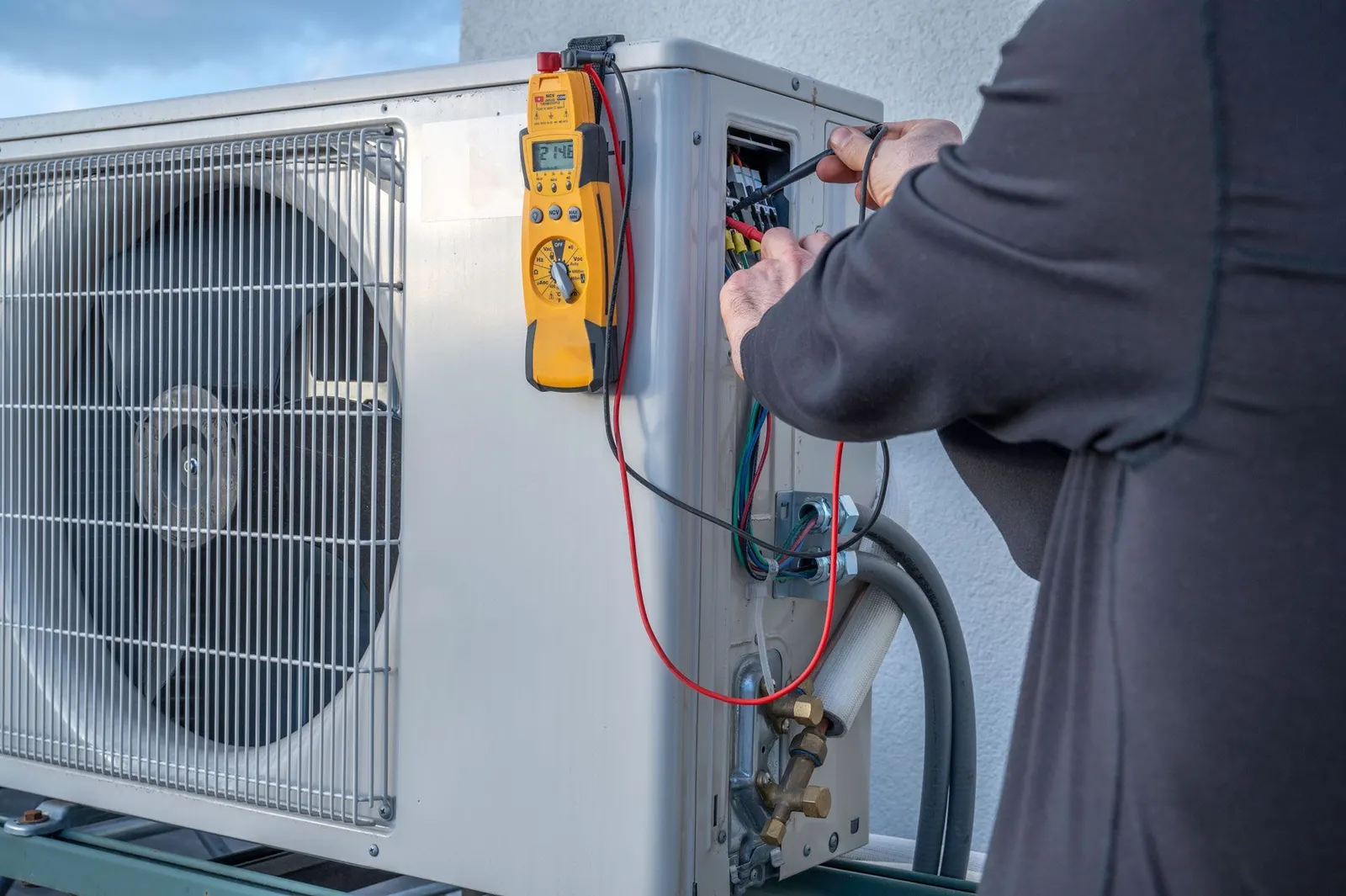
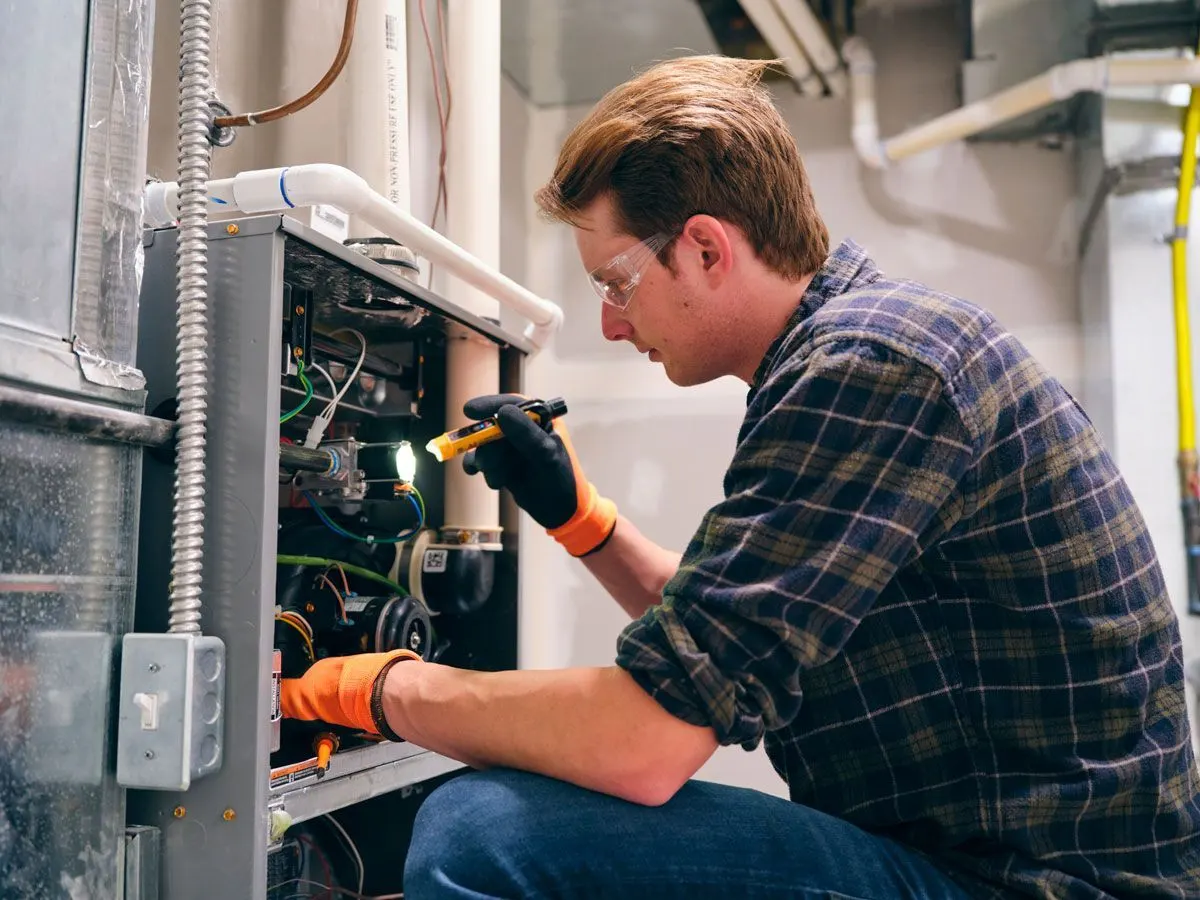
We believe in family-owned honesty—providing transparent diagnostics so homeowners do not pay for repairs when a replacement is more cost-effective, but also ensuring you never replace a system that simply needs a minor fix. Our comprehensive diagnostic process is designed to accurately determine if a system is genuinely failing or just beating the heat. We measure airflow, check electrical draws, and calculate temperature differentials to give you hard data about your system's health.
Our commitment is to provide you with all the facts and options, allowing you to make an informed, pressure-free decision. Routine maintenance plays a huge role in this transparency. By keeping up with an AC maintenance tune-up every spring, you establish a baseline for your system's health. This historical data makes future repair versus replace decisions much clearer, removing the guesswork when the peak summer heat finally arrives.
Common Homeowner Questions Answered: AC Performance in Extreme Heat
Why is my AC running but the temperature is going up?
Your AC is running but the temperature is rising because the heat load of the home is exceeding the cooling capacity of the unit. This typically happens during extreme afternoon heat when the sun is beating down on the house. Factors like poor attic insulation, direct sunlight through unshaded windows, or an undersized AC unit can cause the indoor temperature to climb even while the system is working at maximum capacity. Once the sun sets and the outdoor temperature drops, the system should slowly catch up.
Is it bad if my AC runs all day in summer?
It is not bad for your AC to run all day during peak summer heat; in fact, continuous operation is completely normal. Air conditioners are designed for long, steady cycles to properly dehumidify the air and maintain comfort. As long as the air coming from the vents is cool and the system isn't making unusual noises, running constantly is just a sign that the equipment is working hard to combat the extreme outdoor temperatures.
At what temperature does an AC struggle to cool?
An AC typically begins to struggle when outdoor temperatures consistently rise above 95 degrees. Because of the standard 20-degree differential rule, a system will max out its capacity trying to keep a house 20 degrees cooler than the outside air. When the outdoor temperature hits 100 degrees, expecting the indoor temperature to drop below 80 degrees will push standard residential systems to their absolute design limits.
Why is my AC stuck at 78 degrees?
Your AC is stuck at 78 degrees because that is likely the maximum cooling capacity it can achieve based on the current outdoor temperature. If it is 98 degrees outside, an indoor temperature of 78 degrees means the system is operating perfectly. Before assuming a malfunction, check your air filter to ensure it isn't clogged and verify that all supply and return vents are fully open.
How to tell if AC is broken or just hot outside?
The easiest way to tell if your AC is broken is to check the temperature of the air coming directly from the vents. If the air is distinctly cool, the system is likely functioning properly but just fighting extreme heat. However, if the air feels warm, the airflow is unusually weak, or you notice ice forming on the refrigerant lines, it indicates a mechanical issue that requires a professional diagnosis.
Get a Transparent Assessment for Your Cooling System
There is immense peace of mind that comes with knowing exactly where your cooling system stands. Whether you are dealing with a thermostat stuck at 78°F despite a lower setting or a system that never seems to shut off, guessing isn't a strategy. Knowing whether your system needs a simple repair, a routine tune-up, or a full replacement allows you to take control of your home's comfort. Schedule an honest, transparent diagnostic assessment today to evaluate your system's performance under load, and get the definitive answers you need to keep your home cool all summer long.