
The Approaching Winter: Why Early Fall is the Time to Decide
Your air conditioner barely kept up with the relentless, humid summer, and now the crisp autumn air is creeping in—leaving you wondering if your aging heating system will actually survive the winter. When you start looking at options comparisons for homeowners, the sheer volume of technical jargon, efficiency ratings, and conflicting advice can feel entirely overwhelming. The reality is that the shift from sticky summer heat to crisp fall air signals a very brief, critical window for proactive home upgrades. Waiting until the first hard freeze hits limits your choices, extends your installation timeline, and often forces you to settle for whatever equipment is sitting in a warehouse that day.
During the September pre-heating season, you have the breathing room to carefully evaluate your home's specific needs. If you spent the summer constantly calling for AC repair service in Williamsport just to stay comfortable, that same struggling system is not going to magically heal itself for the winter workload. Many homeowners mistakenly treat their heating and cooling units as entirely separate entities, but if your central system failed you in July, it is highly likely your blower motor, ductwork, and indoor coils are compromised heading into November.
Why proactive replacement matters right now:
- Avoiding emergency rates: Scheduling an installation before the busy season keeps you off the emergency waitlist.
- Better equipment availability: You have the time to order the exact make and model that fits your home's square footage and insulation profile.
- Seamless transitions: Upgrading your system while temperatures are still mild means you won't spend days shivering in a freezing house during the installation process.
- Financial planning: Giving yourself time allows you to thoroughly research generic federal energy tax credits and utility rebates before the end of the tax year.
Maryland's specific winter climate demands a heating system that can handle sudden temperature drops. The transitional period of early fall is the perfect time to weigh the long-term benefits of different heating technologies so you can make a calm, calculated decision for your home's comfort.
Understanding Heat Pump Technology in the Mid-Atlantic
To make an informed decision, you first need to understand how modern heating systems actually operate. Unlike traditional furnaces that burn fuel to create heat, a heat pump uses electricity to transfer heat from one place to another. During the summer, it pulls heat out of your home and dumps it outside. In the winter, a reversing valve switches the flow of refrigerant, allowing the system to extract ambient heat energy from the outdoor air and pump it inside. Even when it feels cold outside, there is still thermal energy in the air that a high-efficiency heat pump can capture and compress.
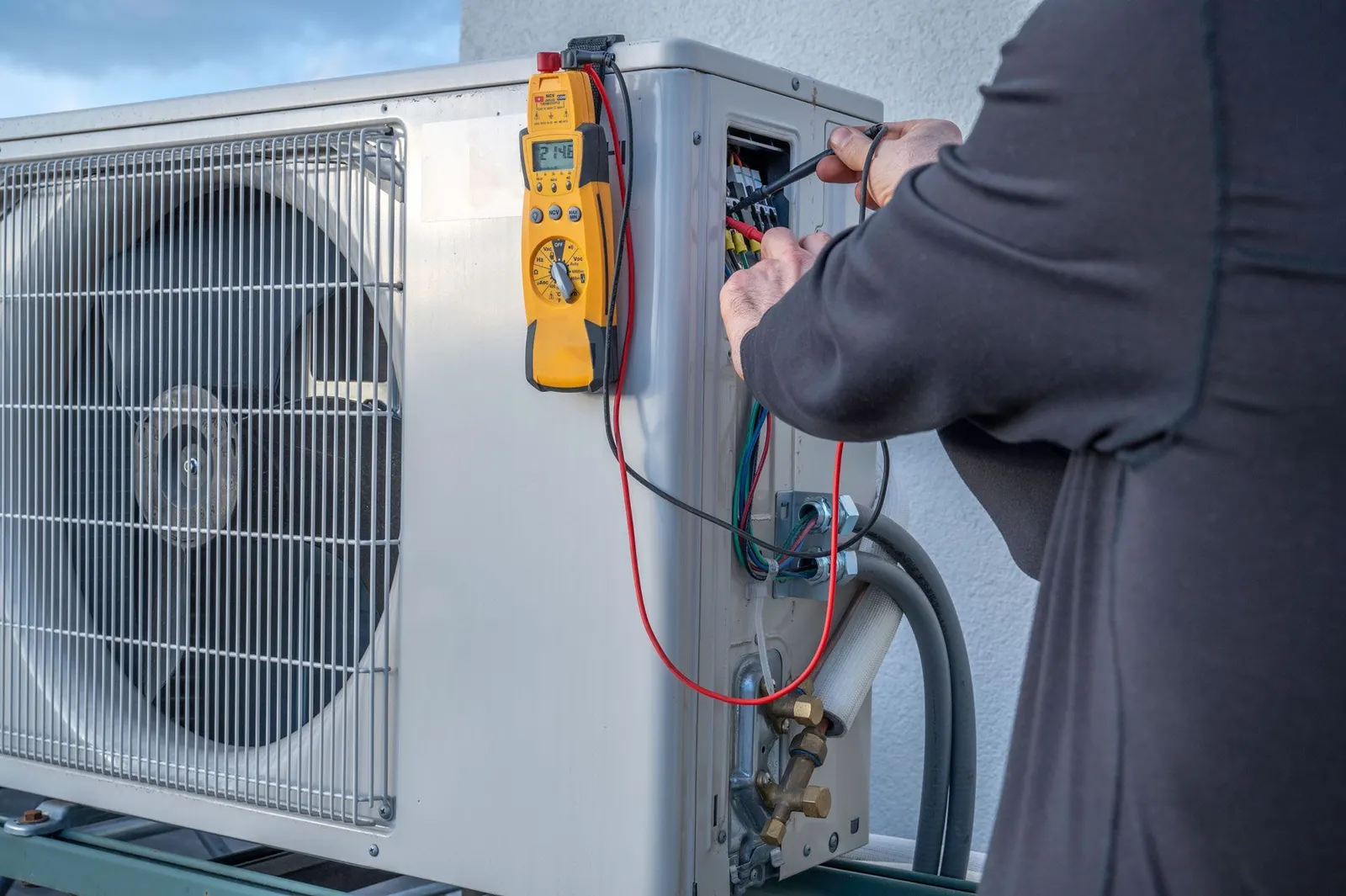
The transitional fall weather in Williamsport MD and surrounding Washington County makes heat pumps highly efficient before the deep winter freeze sets in. During those mild autumn months when temperatures hover in the 40s and 50s, a heat pump operates at peak performance, using a fraction of the energy required by traditional resistance heating or combustion systems. Because heat pumps run year-round to provide both heating and cooling, they require precise, professional diagnostics when something goes wrong. For example, during a recent winter cold snap, a local homeowner noticed their three-year-old heat pump struggling to maintain temperature. A technician quickly traced the problem to a pressure switch wire touching the suction line, resolving the issue efficiently without needing to replace major components.
Key advantages of heat pump technology:
- Dual functionality: One single piece of equipment manages both your summer cooling and your winter heating.
- High efficiency in mild weather: They deliver significantly more heat energy to your home than the electrical energy they consume during moderate temperatures.
- No combustion gases: Because they run entirely on electricity, there is no risk of carbon monoxide leaks from the unit itself.
- Cold-climate advancements: Modern variable-speed heat pumps are vastly superior to the models from a decade ago, capable of extracting heat even when temperatures drop below freezing.
While heat pumps are incredibly efficient, their performance profile does change as the outdoor temperature plummets. Understanding this limitation is crucial for homeowners evaluating their options for the coldest months of the year.
The Traditional Power of Gas Furnaces for Deep Freezes
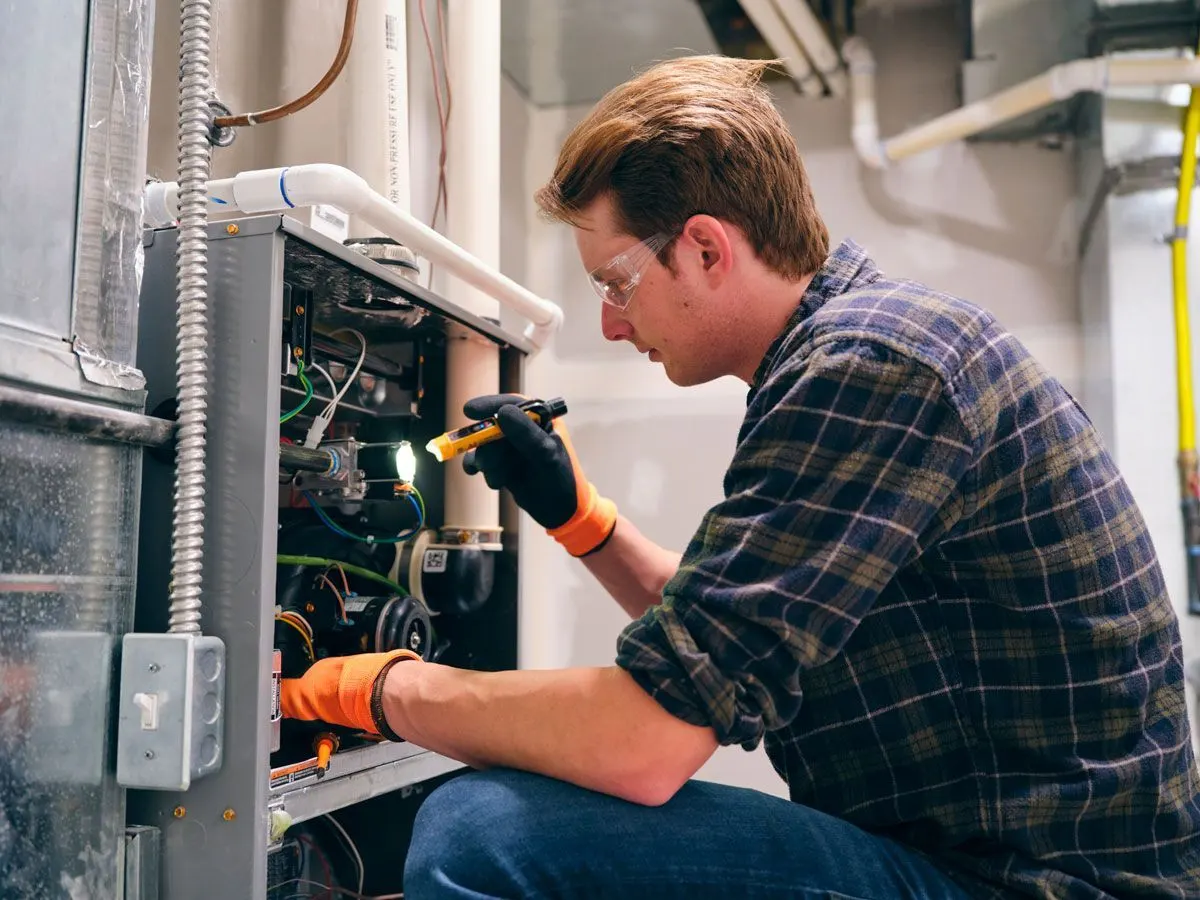
While heat pumps excel in moderate climates, gas furnaces remain a staple for homes that experience extreme, sustained cold. A gas furnace operates through combustion heating. Natural gas or liquid propane is ignited in a burner, and the resulting hot gases pass through a metal heat exchanger. Your blower motor then pulls indoor air across that hot metal, warming the air before pushing it through your ductwork. The dangerous combustion byproducts are safely vented out of your home through a flue pipe.
Average winter lows in Williamsport MD and surrounding Washington County frequently dip into the 20s, making reliable, high-capacity heating a safety necessity rather than just a comfort preference. When the temperature drops drastically, a gas furnace provides rapid, high-temperature heat delivery that a heat pump simply cannot match. The air coming out of your vents from a gas furnace is physically hotter, which quickly raises the indoor temperature and combats severe drafts in older, poorly insulated homes.
Why traditional gas furnaces remain popular:
- Rapid temperature recovery: If you turn your thermostat down while away at work, a gas furnace can heat the house back up very quickly when you return.
- Consistent performance: The heating capacity of a furnace does not decrease as the outdoor temperature drops. It delivers the same amount of heat at 10°F as it does at 50°F.
- Existing infrastructure: If your home is already equipped with efficient natural gas lines and proper venting, installing a replacement furnace is often a straightforward process.
- Long lifespan: With regular, professional maintenance—specifically checking the heat exchanger for cracks and cleaning the burners—gas furnaces can provide decades of reliable service.
However, furnaces only provide heating. If you choose a gas furnace, you will still need a separate air conditioning unit to handle the humid Maryland summers. This means maintaining two distinct pieces of equipment, each with its own lifespan, maintenance schedule, and potential points of failure.
Weighing Your Options: Efficiency vs. Heating Capacity
The core problem most homeowners face is balancing the desire for lower monthly utility bills with the need for robust heating capacity during a blizzard. The cause of this dilemma stems from the fundamental differences in energy sources: electricity reliance versus natural gas combustion. The solution lies in carefully evaluating your home's thermal envelope, your existing ductwork, and your long-term comfort goals.
Waiting until your system completely fails often leads to rushed decisions. Much like needing emergency AC repair in the dead of summer, a mid-winter heating failure limits your choices. Proactive replacement during the September pre-heating season gives you the time to compare these technologies side-by-side.
Direct Comparison: Heat Pump vs. Gas Furnace
| Feature | Heat Pump | Gas Furnace |
|---|---|---|
| Primary Heat Source | Electricity (transfers ambient heat) | Natural Gas / Propane (combustion) |
| Best Climate | Mild to moderate winters; transitional seasons | Harsh, freezing, prolonged winters |
| Air Output Temperature | Gradual, consistent warmth (around 90°F-100°F) | Rapid, intense heat (around 120°F-140°F) |
| System Functionality | Provides both heating and cooling | Provides heating only (requires separate AC) |
| Environmental Impact | Lower carbon footprint; no onsite emissions | Relies on fossil fuels; requires safe venting |
When a Heat Pump Makes Sense
A heat pump is generally the best choice for homes prioritizing energy efficiency during mild to moderate cold. If your property is well-insulated, features modern double-pane windows, and retains heat well, a heat pump can maintain a comfortable indoor environment without drawing excessive electricity. Furthermore, if your current air conditioning unit is failing at the same time as your heating system, a heat pump allows you to upgrade both your heating and cooling simultaneously with a single, high-efficiency unit.
When a Gas Furnace is Ideal
A gas furnace is ideal for homes that experience severe winter drafts or lack premium insulation. If your house loses heat quickly, you need a system that can pump out high-temperature air fast enough to overcome that heat loss. Properties already equipped with efficient natural gas infrastructure often benefit from sticking with furnace technology, as the cost of capping gas lines and upgrading electrical panels to accommodate a heavy-duty heat pump can be significant.
The Hybrid Solution: For many Mid-Atlantic homeowners, the ultimate solution is a dual-fuel hybrid system. This setup combines a high-efficiency electric heat pump with a gas furnace backup. The heat pump handles the heating duties during the mild fall and spring months. When the temperature drops below a certain threshold (usually around freezing), the system automatically switches over to the gas furnace to provide heavy-duty combustion heating. This gives you the energy savings of a heat pump with the extreme-weather reliability of a furnace.

Navigating Generic Federal Tax Credits and Incentives
Upgrading your heating system is a significant investment, but there are numerous financial incentives designed to encourage energy-efficient home improvements. The general availability of federal energy tax credits can make high-efficiency installations much more accessible. These programs are often structured to reward homeowners who transition away from older, less efficient technologies in favor of modern, environmentally friendly systems.
When planning an installation in Williamsport MD and surrounding Washington County, it is important to look beyond just federal programs. Local utility companies frequently offer their own rebates for upgrading to high-efficiency heat pumps or modern condensing furnaces. These local utility rebates may apply to both technologies, provided the new equipment meets specific seasonal energy efficiency ratio (SEER2) and annual fuel utilization efficiency (AFUE) standards.
Important steps for navigating incentives:
- Verify eligibility early: Not every piece of equipment qualifies. The system must meet specific efficiency tiers set by energy consortiums.
- Consult the professionals: Always verify current programs, deadlines, and requirements with your utility providers or a qualified tax professional before making a purchase.
- Keep all documentation: You will need the AHRI certificate, the manufacturer's invoice, and proof of professional installation to claim any credits.
- Watch the calendar: Upgrading before winter hits not only ensures your comfort but also positions you to take advantage of current-year incentives before tax deadlines pass.
Because these programs change frequently and vary based on your specific utility provider, an objective HVAC professional will help you identify which systems qualify for these generic incentives without making guaranteed financial promises.
Transparent Diagnostics: Finding the Right Fit for Your Home
Generic national heating advice often falls short because it fails to account for the unique characteristics of local homes. A heating system that works perfectly for a newly constructed home in Florida will fail miserably in a century-old farmhouse in Maryland. Finding the right fit requires a comprehensive, on-site evaluation of your property's specific thermal dynamics.
A professional home energy assessment must factor in your home's insulation levels, the quality of your windows, the total square footage, and the condition of your existing ductwork. If you spent the summer ignoring strange AC noises, those same mechanical issues often translate directly into poor heating performance if you have a combined system. Unusual sounds from an aging system—like grinding, rattling, or squealing—strongly signal the need for a professional evaluation before the harsh winter weather arrives.
We believe in family values and honest diagnostics. Homeowners deserve the straight truth about which system actually fits their home, not just a high-pressure push for the most expensive option on the truck. One homeowner recently called in the spring to evaluate an aging HVAC system that was struggling to keep up. Instead of immediately demanding a full system replacement, the technician thoroughly assessed the equipment, explained the necessary short-term repairs, and provided honest, upfront advice about the system's remaining lifespan so the family could plan their future upgrade without stress.
What a transparent diagnostic process includes:
- Load calculations: Measuring exactly how much heating capacity your specific home requires based on its size and layout.
- Ductwork inspection: Ensuring your existing vents and returns can handle the airflow requirements of a modern, high-efficiency system.
- Electrical assessment: Checking if your current electrical panel can safely support a new heat pump installation.
- Objective comparisons: Providing a clear, side-by-side breakdown of the pros and cons of repairing versus replacing, and heat pumps versus furnaces.
You should walk away from a consultation feeling educated and empowered, fully understanding why a specific technology is being recommended for your home.
Next Steps for Your Fall Heating Upgrade
Deciding between a heat pump and a gas furnace does not have to be a stressful guessing game. By taking action during the September pre-heating season, you gain the peace of mind that comes with a clear, objective comparison of your options. You have the time to evaluate your home's insulation, understand your local climate demands, and explore available energy incentives before the winter rush begins.
Whether you lean toward the year-round efficiency of a heat pump, the heavy-duty power of a traditional gas furnace, or the adaptable performance of a dual-fuel hybrid, the most important step is scheduling a professional evaluation. We encourage you to learn more about comprehensive climate control and how modern air conditioning systems and heating units work together to keep your family comfortable year-round. Take control of your home's comfort today, and step into winter with total confidence.
Frequently Asked Questions
Which is better in Maryland: a heat pump or a gas furnace?
The short answer is that it depends entirely on your home's insulation and your existing infrastructure. A heat pump is highly efficient during Maryland's mild fall and spring seasons, making it excellent for well-insulated homes. However, a gas furnace is often better suited for older, drafty homes that require rapid, high-temperature heating to combat the freezing winter lows.
At what temperature does a heat pump become inefficient?
Older heat pumps typically begin losing efficiency when outdoor temperatures drop below 35°F to 40°F. However, modern cold-climate heat pumps are engineered with advanced compressors that can extract heat efficiently even in sub-freezing temperatures. If temperatures frequently drop into the single digits, a supplemental heat source or a dual-fuel system is usually recommended to maintain efficiency.
Can a heat pump replace a gas furnace completely?
Yes, a high-efficiency heat pump can completely replace a gas furnace in many homes. This transition requires ensuring your home has adequate insulation and that your electrical panel can handle the increased load. Homeowners who make this switch benefit from having a single system that handles both heating and cooling without relying on fossil fuels.
Do I need a gas furnace if I have a heat pump?
You do not strictly need a gas furnace if you have a heat pump, as heat pumps are designed with electric resistance backup heating for extremely cold days. However, many homeowners opt for a dual-fuel system, which pairs a heat pump with a gas furnace. In this setup, the furnace takes over during the deepest freezes, providing more cost-effective and powerful heating than electric backup strips.
How do general energy tax credits apply to new heating systems?
General federal energy tax credits are designed to offset a portion of the installation costs for qualifying high-efficiency HVAC equipment. Both advanced heat pumps and high-efficiency gas furnaces may qualify, depending on their specific energy ratings. You should always consult with a tax professional and your local utility provider to confirm which current models meet the necessary criteria for these incentives.