
The Tipping Point: Evaluating Your Aging Cooling System
Your central air conditioner is running constantly, but the house still feels warm, bringing up one of the most critical home maintenance tips: deciding when it is time for AC installation. You are staring at a significant repair quote for a system that has already seen better days, and the uncertainty is overwhelming. Determining if an aging, inefficient, or frequently breaking air conditioning unit has reached the end of its functional life is a heavy burden for any homeowner. The decision point always comes down to a practical threshold: weighing the cumulative cost of ongoing repairs and lost energy efficiency against the upfront investment of a new, reliable system.
When you need objective guidance to navigate this crossroad, reaching out for professional HVAC services helps clarify your options without the pressure of a rushed decision.
Many homeowners approach this situation with understandable anxiety, fearing they might replace a system too early or, conversely, sink money into a failing machine. The key to removing this stress is shifting away from emotional reactions and relying on an objective diagnostic framework. By looking at the mechanical realities of your equipment—specifically anchoring your expectations to the 10-15 year typical AC lifespan—you can evaluate your cooling system like a technician would. This approach prioritizes mechanical viability over guesswork, allowing you to make a sound financial decision for your home’s long-term comfort and efficiency.
Understanding the 10 to 15-Year Lifespan Benchmark
The industry standard for central air conditioner longevity is not an arbitrary number. The 10-15 year typical AC lifespan represents the functional window where internal components operate at acceptable efficiency before material fatigue sets in. To understand why air conditioners rarely last two decades, you have to look at the immense mechanical stress these systems endure season after season.
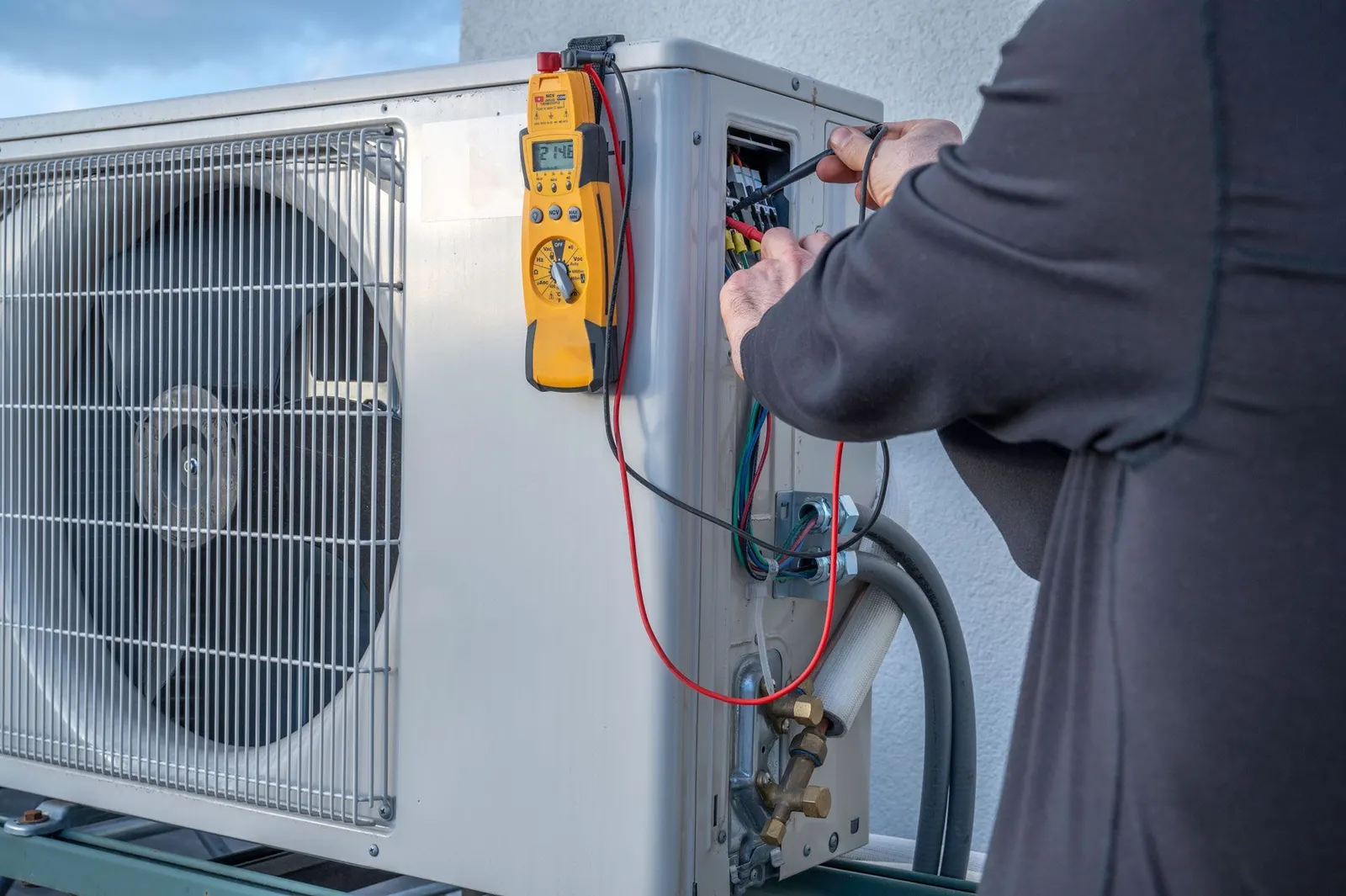
An air conditioner is a complex network of pressurized chemical lines, high-voltage electrical components, and heavy-duty motors. The compressor, often considered the heart of the system, spends thousands of hours pumping refrigerant under extreme pressure. Over a decade of use, the internal valves, seals, and bearings within the compressor naturally degrade. Simultaneously, the outdoor condenser coils are constantly exposed to the elements. Rain, dirt, debris, and temperature fluctuations cause micro-corrosion on the metal fins, slowly impeding the unit’s ability to release heat.
Comparing System Wear Over Time
| System Age | Compressor Health | Coil Condition | Efficiency Retention |
|---|---|---|---|
| 5 to 7 Years (Mid-Life) | Strong pressure, minimal bearing wear. | Minor surface dirt, easily cleaned during maintenance. | Operates near original SEER rating. |
| 12+ Years (Late-Life) | Valves weakening, higher electrical draw on startup. | Micro-corrosion present, reduced heat transfer capability. | Noticeable drop from original efficiency rating. |
Environmental factors and your maintenance history play a massive role in whether your unit falls on the shorter or longer end of this lifespan benchmark. A system that receives annual tune-ups, regular filter changes, and prompt attention to minor issues will naturally survive longer than a neglected unit. However, it is vital to clarify that reaching this age benchmark does not guarantee an immediate, catastrophic failure. Instead, crossing the decade mark drastically increases the probability of major mechanical breakdowns, changing the way you should view any repair quotes.
Applying the 50 Percent Rule to AC Repairs
When a breakdown occurs late in a system’s life, you need a strictly objective financial rule to evaluate the repair quote. The industry standard is the 50 percent rule: if a single repair quote involves repair costs exceeding 50% of new unit value, replacement is mechanically and financially recommended. This mathematical approach removes the emotion, panic, and stress from sudden breakdown scenarios.
The logic behind this rule is rooted in diminishing returns. Investing heavily into failing machinery is rarely a sound financial strategy. For example, if a compressor blows out on a 12-year-old system, replacing that single component does not reset the clock on the rest of the unit. You still have 12-year-old condenser coils, a 12-year-old fan motor, and aging electrical contactors. Sinking half the cost of a new system into an old one simply means you are paying a premium to delay the inevitable. As a company, we believe in providing honest, reliable guidance—advising you when a repair is mathematically viable versus when replacement is truly in your best interest.
Calculating Cumulative Repair Frequencies
The 50 percent rule is not just for single, massive failures; it also applies to the cumulative cost of ongoing maintenance. Multiple smaller repairs over a few seasons can quickly approach this threshold. You might replace a dual run capacitor in May, a condenser fan motor in July, and pay for a refrigerant leak search in August. Homeowners should track their repair history and frequency over a two-year rolling period. When you view these breakdowns as a collective symptom of system failure rather than isolated incidents, the math often points clearly toward replacement.

Efficiency Loss: Comparing Older Units to Modern SEER2 Standards
Beyond the immediate cost of repairs, aging systems carry a hidden, ongoing financial drain: the gradual loss of original efficiency. When an air conditioner is first installed, it operates at a specific Seasonal Energy Efficiency Ratio (SEER). However, as the system moves through its 10-15 year typical AC lifespan, mechanical degradation takes a toll. Worn motors draw more electricity, and corroded coils struggle to release heat, meaning the system has to run longer to produce the same amount of cooling. A unit that was originally rated at 12 SEER a decade ago may now be operating closer to an 8 or 9 SEER equivalent.
Modern equipment is held to the much stricter SEER2 standards, which mandate rigorous testing to ensure units operate highly efficiently under real-world conditions. The shift to modern SEER2-rated equipment means that new installations reduce long-term energy consumption significantly compared to outdated models. If you are exploring various home upgrades, such as adding AC to a house without vents, these same modern efficiency standards apply, ensuring that newer technology always outperforms aging legacy systems.
Consistently rising energy bills, despite regular maintenance and clean filters, are a glaring indicator of systemic efficiency loss. When deciding between a repair and a replacement, it is crucial to factor in these monthly energy savings. The money you save on utility bills over the next few years can offset a significant portion of the new installation cost, making the mathematical equation heavily favor an upgrade.
Clear Signs It Is Time for a New AC Installation
While age and math are the foundation of your decision, your equipment will also provide physical symptoms that its operational life is ending. Use this objective diagnostic checklist to determine if your unit is exhibiting fatal mechanical flaws that will soon lead to repair costs exceeding 50% of new unit value.
- Frequent breakdowns: Requiring repeated service calls within a single cooling season is a sign of cascading component failure.
- Inconsistent temperatures: Poor airflow, warm spots in the house, or an inability to maintain the thermostat setting indicates a struggling compressor or failing blower motor.
- Strange, loud noises: Sudden grinding sounds usually point to failing motor bearings, while loud squealing can indicate severe internal mechanical wear in the compressor.
- Unusual odors and leaks: Musty smells or the need for frequent refrigerant recharges point to closed-system leaks that are notoriously difficult and expensive to patch permanently.
- Outdated refrigerants: If your unit utilizes older, phased-out refrigerants (like R-22), sourcing the chemical for a recharge is incredibly expensive, making replacement the only logical choice.
Proactive Replacement: Beating the Peak Summer Heat
Timing your replacement is just as critical as the decision itself. The transition into warmer weather places sudden, intense stress on aging mechanical components. An older air conditioner that sat idle or ran minimally during the mild spring months is suddenly forced to run for 10 to 14 hours a day when the temperatures spike. This rapid shift in workload is exactly when compromised parts finally snap.
The risks of a complete system failure during peak summer heat go beyond mere inconvenience; it can lead to deeply uncomfortable and even unsafe indoor conditions. When a heat wave hits, local HVAC schedules become fully booked almost instantly. Homeowners who wait for their 15-year-old system to fail completely often find themselves waiting days for an emergency replacement, severely limiting their ability to research brands or choose the best unit for their home.
By applying the 50 percent rule and acknowledging the 10-15 year typical AC lifespan before the system dies, you gain a massive logistical advantage. Proactive evaluation gives you the time to make an objective decision rather than a rushed, emergency purchase. Take the time to schedule an AC assessment now, allowing a professional to evaluate your system’s mechanical viability before the extreme weather demands constant, uninterrupted cooling.
Making a Confident Decision for Your Home’s Comfort
Deciding on a new AC installation does not have to be a stressful, high-pressure event. By stepping back and looking at the objective math—weighing the unit’s age, applying the 50 percent rule, and calculating ongoing efficiency loss—you can remove the uncertainty from the process. Recognizing that repair costs exceeding 50% of new unit value is a hard line for replacement protects your wallet from the diminishing returns of failing machinery.
You deserve a home that is consistently comfortable and a cooling system that operates efficiently without constant breakdowns. Applying these diagnostic rules empowers you to stop wasting money on temporary fixes. If your system is showing the signs of severe mechanical fatigue, seek an honest, professional assessment of its viability. Taking that proactive step ensures your home remains cool, efficient, and comfortable for the next decade.
Frequently Asked Questions
How do I know if my AC needs to be replaced?
You should consider replacement if your unit is over a decade old, requires frequent repairs, or struggles to cool your home evenly. A major indicator is when repair costs exceed half the value of a new system. Additionally, if your energy bills are steadily rising despite regular maintenance, the system has likely lost its mechanical efficiency.
What is the life expectancy of an air conditioner?
The standard life expectancy for a central air conditioner is typically between 10 and 15 years. While some units may run longer, their internal components suffer significant wear and tear over this period. After the 10-year mark, the probability of major component failure, such as a blown compressor, increases dramatically.
Is it worth repairing a 15-year-old AC?
In most cases, repairing a 15-year-old air conditioner is not financially advisable. At this age, the system has surpassed its intended mechanical lifespan, and new parts will not fix the underlying wear on the rest of the unit. Furthermore, 15-year-old units are far less energy-efficient than modern models, meaning you lose money on monthly utility bills.
How does the 50 percent rule work for HVAC systems?
The 50 percent rule is a mathematical guideline stating that if a repair quote costs more than half the price of a comparable new installation, you should replace the unit. This rule helps homeowners avoid sinking large sums of money into a system that is likely to break down again soon. It is a strictly objective way to evaluate whether a repair is a sound investment.
Why do aging AC units lose energy efficiency over time?
Aging units lose efficiency because their mechanical components degrade from years of continuous use. Motors draw more electrical current as bearings wear down, and condenser coils suffer from micro-corrosion that inhibits heat transfer. This combination forces the system to run longer cycles to achieve the same temperature, consuming significantly more energy in the process.