
The Myth of the Immediate Replacement: Troubleshooting Before Escalating
A common misconception among homeowners is that every unusual sound, warm breeze from a vent, or sudden shutdown means it is time to buy a brand-new air conditioning unit. When you are searching for home maintenance tips and troubleshooting, the reality is often much less drastic than a complete system failure. Many homeowners struggle to understand the difference between baseline maintenance requirements and serious mechanical breakdowns, leading to unnecessary stress when the house starts getting warm.
The critical decision point lies in knowing whether a system issue can be safely resolved through basic troubleshooting or if it requires immediate professional intervention. A frequent pattern our team at our business sees when answering service calls in the local area is the assumption that an aging system cannot be fixed, or that any malfunction signals the end of the unit's lifespan. By applying an objective methodology to evaluate system health, you can assess the situation without promotional pressure or panic.
When basic checks aren't enough to restore your comfort, reaching out for professional HVAC services ensures your system is evaluated safely and accurately.
Safe Baseline Maintenance: Home Maintenance Tips and Troubleshooting You Can Check Yourself
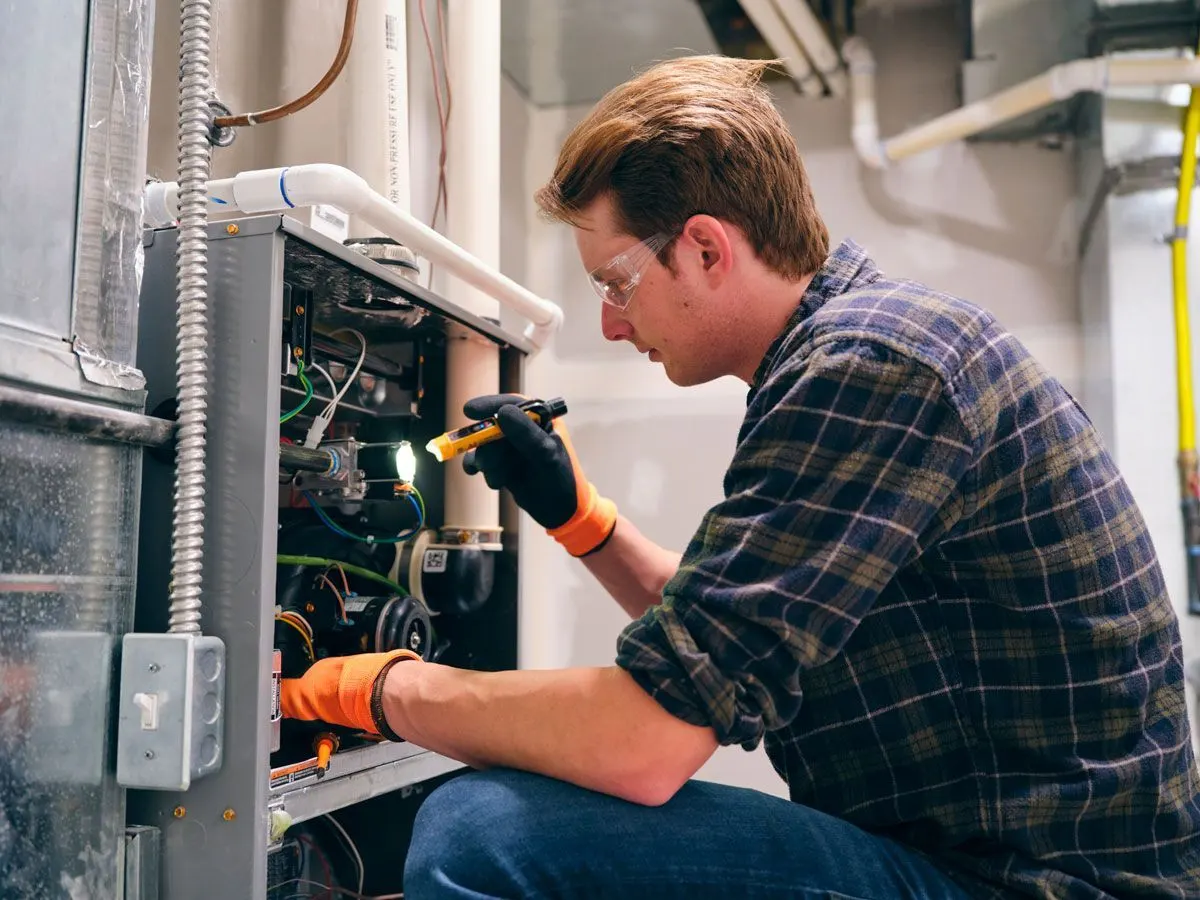
Before escalating a cooling issue to a licensed technician, there are several baseline checks you can perform safely. It is vital to outline strict boundaries: safe baseline troubleshooting involves external adjustments and visual inspections, whereas anything involving the electrical panel, refrigerant lines, or internal mechanical components requires a licensed professional. Opening the cabinet of your air conditioner exposes you to high-voltage electricity and pressurized gases, which pose severe safety risks.
Establishing the Boundaries of Safe Troubleshooting
To safely evaluate your system, focus entirely on the components designed for homeowner access. The following checklist covers the most common culprits behind poor cooling performance that you can address without specialized tools:
- Inspect and replace air filters: A clogged air filter is the most common cause of restricted airflow. When the blower motor cannot pull enough air through the return vents, the system runs longer, struggles to cool the home, and can eventually cause the indoor evaporator coil to freeze solid. According to Department of Energy data, replacing a dirty, clogged filter with a clean one can lower your air conditioner's energy consumption by 5% to 15%.
- Verify thermostat settings: Often, a cooling issue is simply a communication error. Ensure the thermostat is set to "Cool" rather than "Heat" or "Fan Only." If the thermostat screen is blank, check the batteries. A blank screen can also indicate a tripped float switch in your drain pan, which shuts off the thermostat to prevent water damage when the condensate line is clogged.
- Check the circuit breakers: Air conditioning systems require a significant amount of power, especially during startup. Check your home's main electrical panel to see if the breaker labeled for the AC or HVAC system has tripped. If it has, you can safely reset it once. If it trips again immediately, stop—this indicates a serious electrical fault that requires professional diagnosis.
- Clear the outdoor condenser: The outdoor unit needs adequate airflow to exhaust the heat removed from your home. Ensure there is at least two feet of clearance around the unit, free from tall grass, overgrown shrubs, leaves, and debris.
Warning Signs: When to Escalate to a Professional
Once you have completed safe baseline troubleshooting, any remaining issues fall into the territory of professional diagnostics. Defining the clear boundaries of when safe troubleshooting ends is crucial for your safety and the longevity of your equipment. Certain symptoms point directly to internal mechanical or chemical failures that mandate licensed handling.
Mechanical and Chemical Red Flags
Refrigerant is the lifeblood of your air conditioning system, absorbing heat from indoors and releasing it outside. Refrigerant leaks are a strict no-DIY zone because the EPA heavily regulates the handling of these chemicals. Symptoms of a leak include a hissing sound near the indoor or outdoor unit, significantly reduced cooling capacity, and freezing evaporator coils. Ice buildup on the copper lines or indoor coil means the system cannot absorb heat properly, often due to low refrigerant pressure.
Electrical faults are another critical escalation point. As mentioned earlier, repetitive breaker trips indicate a dead short, a failing compressor, or compromised wiring. Attempting to force a system to run under these conditions can lead to electrical fires or catastrophic compressor failure. The electrical components inside your AC, such as the dual run capacitor, store lethal amounts of energy even when the power is turned off.
Finally, auditory cues are powerful diagnostic tools. You must listen for unusual mechanical sounds indicating compressor or motor wear. A grinding noise usually points to failing motor bearings. A loud clanking or banging suggests a loose internal component, while a high-pitched squeal can indicate excessive internal pressure. If you are decoding weird AC noises, the safest approach is to turn the system off immediately at the thermostat to prevent further mechanical damage while awaiting a technician.
The Cost-to-Lifespan Ratio: Evaluating Repair Viability
When a professional identifies a mechanical failure, the next step is weighing the viability of repairing the unit versus replacing it entirely. This requires an objective framework that focuses on the proportion of the repair severity relative to the unit's total age, rather than getting caught up in specific dollar amounts immediately.
Understanding Compounding Breakdowns
A central concept in this framework is the compounding nature of mechanical breakdowns. An air conditioner operates as a closed, pressurized system. When one major component fails, it often places immense strain on the rest of the system. For example, a failing fan motor can cause the compressor to overheat repeatedly. Even if you replace the fan motor, the compressor has already suffered irreversible wear. Over time, the frequency of these breakdowns compounds, drastically reducing overall system reliability.
Another major factor in the decision matrix is the warranty status of the equipment. Most modern air conditioners come with a manufacturer's warranty covering major components for a set number of years, provided the system was registered and maintained. If a major component like the compressor or evaporator coil fails while under warranty, the repair is almost always the most viable path. If the warranty has expired, the homeowner must absorb the full burden of the repair, shifting the math toward replacement.
Repair vs. Replace Decision Matrix
| System Age Bracket | Warranty Status | Repair Severity | Recommended Action |
|---|---|---|---|
| 0 to 5 Years | Active / Valid | Minor to Major (e.g., Capacitor, Coil) | Proceed with Repair |
| 6 to 10 Years | Active / Valid | Major (e.g., Compressor failure) | Repair (Evaluate overall system condition) |
| 10 to 15 Years | Expired | Moderate (e.g., Blower motor, leaks) | Strongly Consider Replacement |
| 15+ Years | Expired | Any major component failure | Replace System |

System Age, Efficiency, and the R-22 Phase-Out
Beyond the immediate mechanics of a breakdown, regulatory changes and technological advancements heavily impact the long-term viability of older air conditioning units. The most significant regulatory shift in recent decades is the EPA's phase-out of R-22 refrigerant. Historically used in almost all residential cooling systems, R-22 was phased out due to its ozone-depleting properties. As of 2020, the production and import of R-22 became illegal in the United States.
The Impact of Refrigerant Regulations
This phase-out makes servicing older units increasingly difficult and less viable. If an older system develops a refrigerant leak, replacing the lost R-22 relies entirely on stockpiled or reclaimed supplies, which are scarce. Furthermore, you cannot simply put a modern refrigerant into an older R-22 system; the operating pressures and required compressor oils are entirely incompatible. A major leak on an R-22 system generally necessitates a full system replacement.
Advancements in Cooling Efficiency
Technological advancements also play a critical role in the replacement decision. Department of Energy guidelines note that replacing a 10-to-15-year-old air conditioner significantly improves cooling efficiency. Modern systems are measured by their Seasonal Energy Efficiency Ratio (SEER). The higher the SEER rating, the more efficiently the unit converts electricity into cooling power.
An aging, inefficient model from a decade ago might operate at a SEER of 10 or 12, whereas modern baseline models typically start at 14 or 15 SEER, with high-efficiency variable-speed units reaching well above 20 SEER. This means that even if an older unit can be repaired, the ongoing energy waste compared to a modern system often makes the repair financially counterproductive over the long term.
Factoring in Local Climate and System Reliability
The operational lifespan of an air conditioner is not just a factor of chronological age; it is heavily influenced by the regional climate context and the system's duty cycle. The duty cycle refers to the percentage of time the system must actively run to maintain the thermostat's set temperature. In mild climates, a system might have a relatively low duty cycle, running for short bursts and resting frequently.
The Toll of Extreme Temperature Swings
In our experience, our team at our business sees firsthand how the local area experiences significant temperature swings, meaning an unreliable AC can quickly become a comfort emergency during peak summer heat. When the outdoor temperature spikes drastically, the heat load on your home increases exponentially. To compensate, the air conditioner's duty cycle pushes closer to 100%, meaning the compressor and motors are running continuously for hours on end.
This accelerated component wear during peak summer heat makes system reliability a critical safety and comfort factor. A unit that performs adequately during a mild spring afternoon might fail catastrophically when forced to run non-stop in July. An unreliable AC transitions quickly from a minor inconvenience to a severe issue when indoor temperatures rise to unsafe levels, particularly for vulnerable individuals or pets in the home. Evaluating repair viability must account for whether the repaired system can actually withstand the grueling demands of the upcoming summer.
Honest Diagnostics Over Upselling: What to Expect from an Evaluation
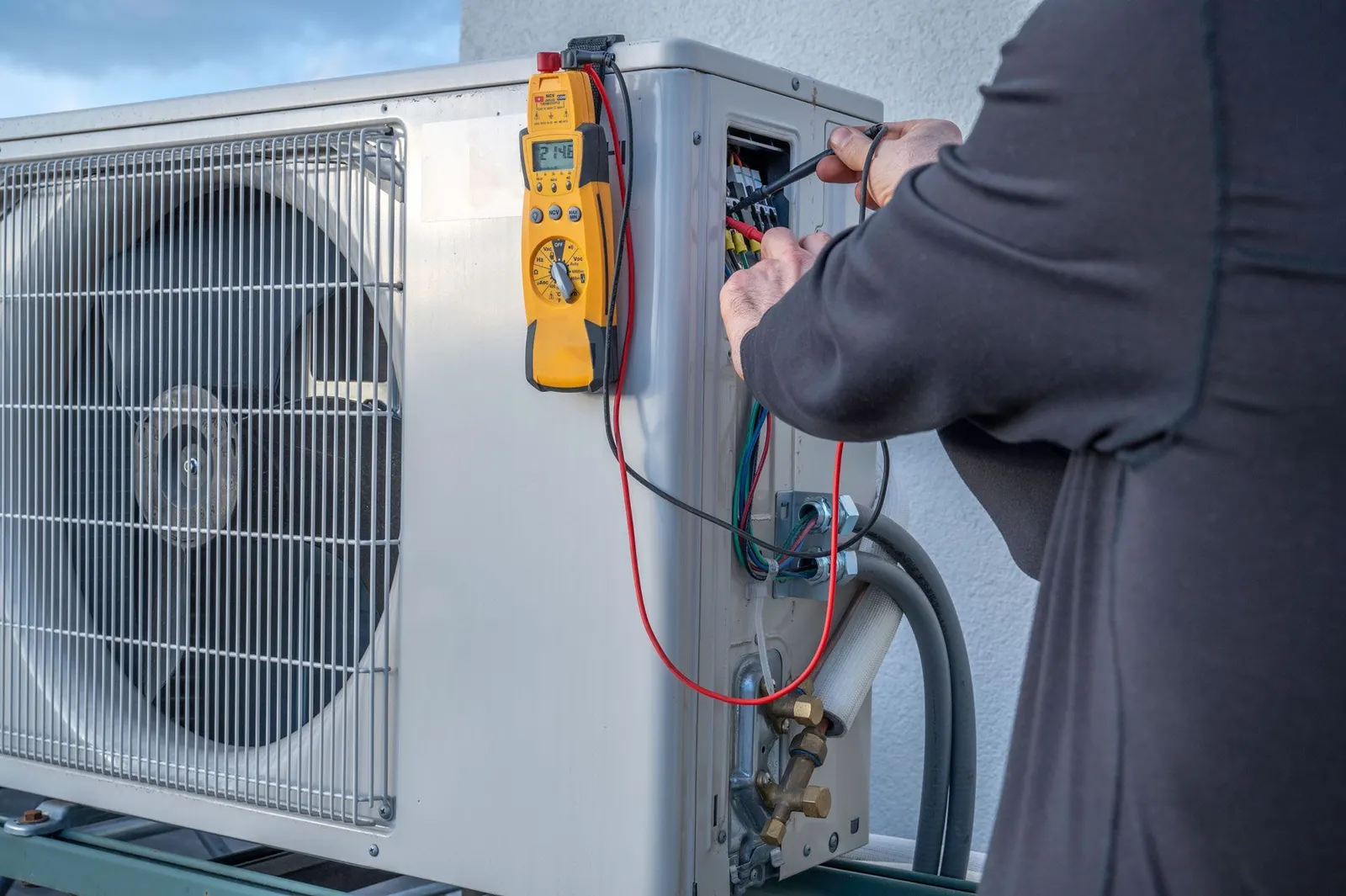
When you reach the point of calling a professional, the quality and transparency of the evaluation matter just as much as the technical repair itself. A proper diagnostic process removes guesswork and relies on precise measurements rather than assumptions. Technicians should use multimeters to test electrical draw, psychrometers to measure humidity and temperature splits, and manifold gauges to check refrigerant pressures.
Prioritizing Long-Term Comfort
An objective evaluation should focus on identifying the specific mechanical failure rather than defaulting to a sales pitch. Root cause analysis is essential; if a capacitor failed, a thorough technician investigates why it failed, checking the fan motor and compressor for excessive amp draw.
At our business, we know firsthand that finding a service provider with strong family values makes a distinct difference. Working with a team anchored in honest recommendations ensures the focus remains on prioritizing your long-term comfort and budget over upselling a new unit. If a simple, cost-effective repair will safely and reliably extend the life of your system by several years, that is always our primary recommendation. Replacement should only be advised when the objective data—age, condition, efficiency, and repair severity—clearly indicates that continuing to repair the unit is a disservice to the homeowner.
Making an Informed Decision for Your Home's Comfort
Navigating cooling issues does not have to be an exercise in frustration or uncertainty. By following this objective, step-by-step technical guidance, you can establish clear boundaries for safe baseline troubleshooting. Checking your filters, verifying your thermostat, and ensuring clear airflow are powerful home maintenance tips and troubleshooting steps that can often resolve minor issues without a service call.
When those steps are exhausted, you now have the tools to understand the scope and severity of your AC issues. You know which mechanical and chemical red flags require immediate attention, and you understand the cost-to-lifespan ratio that dictates whether a repair is truly viable. If your troubleshooting has reached the professional escalation point, scheduling an honest, transparent inspection is the best way to secure your home's comfort for the seasons ahead.
Frequently Asked Questions
What AC maintenance can I do myself before calling a pro?
You can safely perform external visual checks and basic airflow maintenance without risking injury. This includes replacing dirty air filters every 30 to 90 days, ensuring the thermostat has fresh batteries and is set correctly, and clearing leaves or debris away from the outdoor condenser unit. Anything involving the internal electrical components or refrigerant lines must be left to a licensed professional.
At what age should you replace an AC unit?
The Department of Energy suggests that replacing an air conditioner between 10 and 15 years of age often yields significant efficiency improvements. While some well-maintained systems can last longer, units in this age bracket typically begin experiencing compounding mechanical failures. Furthermore, systems older than 15 years likely use obsolete technology that costs significantly more to operate.
How do you know when an AC is beyond repair?
A system is generally considered beyond repair when the cost of fixing it approaches or exceeds 50% of the cost of a new unit, particularly if the system is out of warranty. Other indicators include the use of phased-out R-22 refrigerant, recurring breakdowns that compromise system reliability, and severe compressor failures in aging equipment.
Why is R-22 refrigerant no longer used in new AC repairs?
The EPA phased out R-22 refrigerant due to its harmful ozone-depleting properties, making it illegal to produce or import in the United States as of 2020. Because supplies are strictly limited to reclaimed or previously stockpiled inventory, servicing older units with major chemical leaks has become increasingly difficult and financially unviable.
How does severe summer heat impact an older AC's lifespan?
Significant local temperature swings force the air conditioner to run for longer continuous periods, drastically increasing its duty cycle. This constant operation accelerates wear and tear on aging mechanical components like the compressor and blower motor. During peak summer heat, an older, compromised system is highly susceptible to sudden failure under the extreme workload.