
The First Fall Startup: Normal Burn-Off or a Sign of an Aging System?
When you switch your thermostat to heat for the first time this season, you might suddenly find yourself searching for home maintenance tips and troubleshooting because your vents are pushing out a harsh burning smell and an unsettling rattle. Here at Comfort Central Inc., the October first-freeze heating startup is a time when our dispatch lines light up with homeowner anxiety. After months of relying heavily on your air conditioning systems to battle the summer heat, waking up a dormant furnace or switching a heat pump into heating mode often brings out unexpected quirks. You are left wondering: are these smells and sounds just harmless seasonal burn-off, or is your equipment signaling that it has reached the end of its functional life?
Our team knows that this seasonal transition period is the ultimate test of your heating and cooling system's overall health. During the long summer months, the internal components of your heating system sit completely idle. Dust settles, lubricants can dry out, and minor wear and tear from the previous winter remains hidden. When you finally demand heat, the system has to rapidly adapt. In our experience, aging equipment almost always reveals its flaws during this exact seasonal switch.
Understanding what happens inside your ductwork and machinery when the seasons change is the first step toward protecting your investment. By learning to distinguish between a system that just needs a moment to wake up and one that requires professional intervention, you can prevent minor issues from turning into mid-winter breakdowns. Here is how this process works, what you should expect, and why paying attention to these early warning signs matters.
How Long Does a HVAC System Last on Average?
When strange noises start echoing through the vents, the most common question Williamsport homeowners ask our technicians is how many years their equipment is actually supposed to survive. The short answer is that lifespan varies significantly based on the type of equipment you own, your local climate, and your usage patterns. However, objective data from the Department of Energy (DOE) and the American Society of Heating, Refrigerating and Air-Conditioning Engineers (ASHRAE) provides clear baseline expectations.
Traditional gas or electric furnaces typically last between 15 and 20 years when they are properly maintained. Because a standalone furnace only operates during the colder months, it experiences less total run-time over a calendar year. Heat pumps, on the other hand, average a lifespan of 10 to 15 years. This shorter timeframe is not a sign of inferior quality; it simply reflects the fact that heat pumps handle both heating and cooling, meaning they run nearly year-round to keep your home comfortable.
It is important to remember that these averages assume consistent, professional maintenance and timely filter changes. Neglecting basic care drastically reduces these numbers. If your equipment is approaching the upper end of these ranges and begins showing signs of mechanical struggle, it may be time to consider AC installation and replacement or a heating system upgrade before a complete failure occurs. Keep in mind that when upgrading, generic federal tax credits and local utility incentive programs may apply to qualifying high-efficiency installations, so it is always wise to check with your utility provider or a tax professional for current options.
| Equipment Type | Average Lifespan | Primary Wear Factors | Usage Cycle |
|---|---|---|---|
| Gas/Electric Furnace | 15 - 20 Years | Heat exchanger stress, blower motor wear | Seasonal (Winter only) |
| Air Source Heat Pump | 10 - 15 Years | Reversing valve cycles, continuous compressor use | Year-round (Heating & Cooling) |
| Central Air Conditioner | 15 - 20 Years | Compressor strain, condenser coil corrosion | Seasonal (Summer only) |
Understanding these baselines helps you make informed decisions. A strange noise in a five-year-old system usually points to a repairable component, while the exact same noise in a twenty-year-old system often signals to our technicians that the unit has reached the end of its practical life.

Diagnosing the Burning Dust Smell and Startup Noises
One thing our Comfort Central Inc. technicians see often is homeowners panicking over a burning smell during the first chilly night of the year. In most cases, this specific odor is completely harmless. However, differentiating between normal seasonal quirks and actual mechanical strain is vital for keeping your HVAC emergency-free throughout the winter. Let's break down the science of what you are smelling and hearing based on our years of field experience.
The Science of the "Burning Dust" Smell
The Problem: A distinct, slightly acrid smell of burning dust fills the house shortly after the heat kicks on for the first time.
The Cause: Over the dormant summer months, normal household dust, pet dander, and airborne particles settle on the surface of your furnace's heat exchanger or the heat pump's auxiliary heating coils. When those components heat up for the first time, that accumulated dust safely burns off.
The Solution: Allow the system to run for a few hours. Open a window if the smell is bothersome. The odor should dissipate entirely on its own. This is a normal part of the fall startup process in Williamsport MD and surrounding Washington County.
Recognizing Abnormal Sounds and Odors
The Problem: The smell resembles melting plastic or ozone, or the system produces persistent whining, squealing, or grinding noises.
The Cause: These are not normal startup quirks. An electrical or melting plastic smell indicates overheating wires or failing electrical components. A grinding or squealing noise usually points to worn-out bearings in the blower motor or a failing inducer draft motor.
The Solution: Turn the system off immediately at the thermostat. Ignoring abnormal sounds forces the system to work harder, accelerating wear and tear on critical, expensive components.
Diagnosing internal mechanical stress requires an honest, professional evaluation. We believe in providing objective assessments because not every weird noise means your system is dead. Often, a simple part replacement or a thorough cleaning can resolve the issue. By securing an honest diagnostic from our team, you prevent unnecessary replacements and ensure your current equipment operates as long as safely possible.
How the Mid-Atlantic Climate Impacts Equipment Longevity
Equipment lifespan is not just about the passage of time; it is heavily influenced by the environment. In our years of servicing the Williamsport MD area, we have seen firsthand how the mid-Atlantic climate puts unique and intense stress on heating and cooling systems, particularly during the volatile transition between seasons. If you live in this region, your equipment works much harder than a system located in a mild, temperate zone.
In our area, we experience a rapid transition from high-humidity cooling loads in the summer to sub-freezing winter nights. This extreme shift causes significant thermal expansion and contraction. The metal components inside your furnace, particularly the heat exchanger, expand when they heat up and contract when they cool down. Over years of enduring these extreme temperature swings, the metal can become fatigued, leading to microscopic cracks. This is a primary reason why regular AC maintenance in Williamsport and pre-winter heating inspections are so critical—they catch this fatigue before it compromises your home's air quality.
Dual-use systems like heat pumps face an even greater challenge. During the fall, the weather can demand heating in the chilly early morning and cooling by the warm afternoon. This requires the heat pump's reversing valve to shift back and forth constantly, adapting rapidly to high-stress demands. Furthermore, any lingering wear and tear accumulated during the heavy summer cooling season must be addressed before the heavy winter heating load begins. A system that enters winter already strained by summer humidity is far more likely to experience a premature breakdown.
Maximizing Lifespan With Seasonal Troubleshooting and Care
While some wear and tear is inevitable due to our climate, homeowners have a massive degree of control over how long their system ultimately lasts. Providing actionable, safe maintenance extends equipment life and improves daily efficiency. Here is how our experts recommend you protect your system without attempting dangerous DIY repairs.
- Check and Replace Air Filters: Airflow restrictions from dirty, clogged filters are a leading cause of premature blower motor failure. When a filter is blocked, the motor has to work twice as hard to pull air through the system. This leads to overheating and eventual mechanical failure. Replace your filter before the first major heating cycle, and check it monthly thereafter.
- Keep Indoor Vents Unblocked: Walk through your home and ensure that rugs, furniture, or curtains are not blocking your supply or return registers. Closing vents in unused rooms does not save energy; it actually increases static pressure inside the ductwork, which strains the blower motor and can cause the heat exchanger to overheat.
- Clear the Outdoor Unit: If you have a heat pump, the outdoor condenser unit needs to breathe. Fall brings falling leaves, twigs, and debris that can easily get sucked against the fins of the unit. Maintain a clearance of at least two feet around the entire outdoor unit to ensure proper airflow.
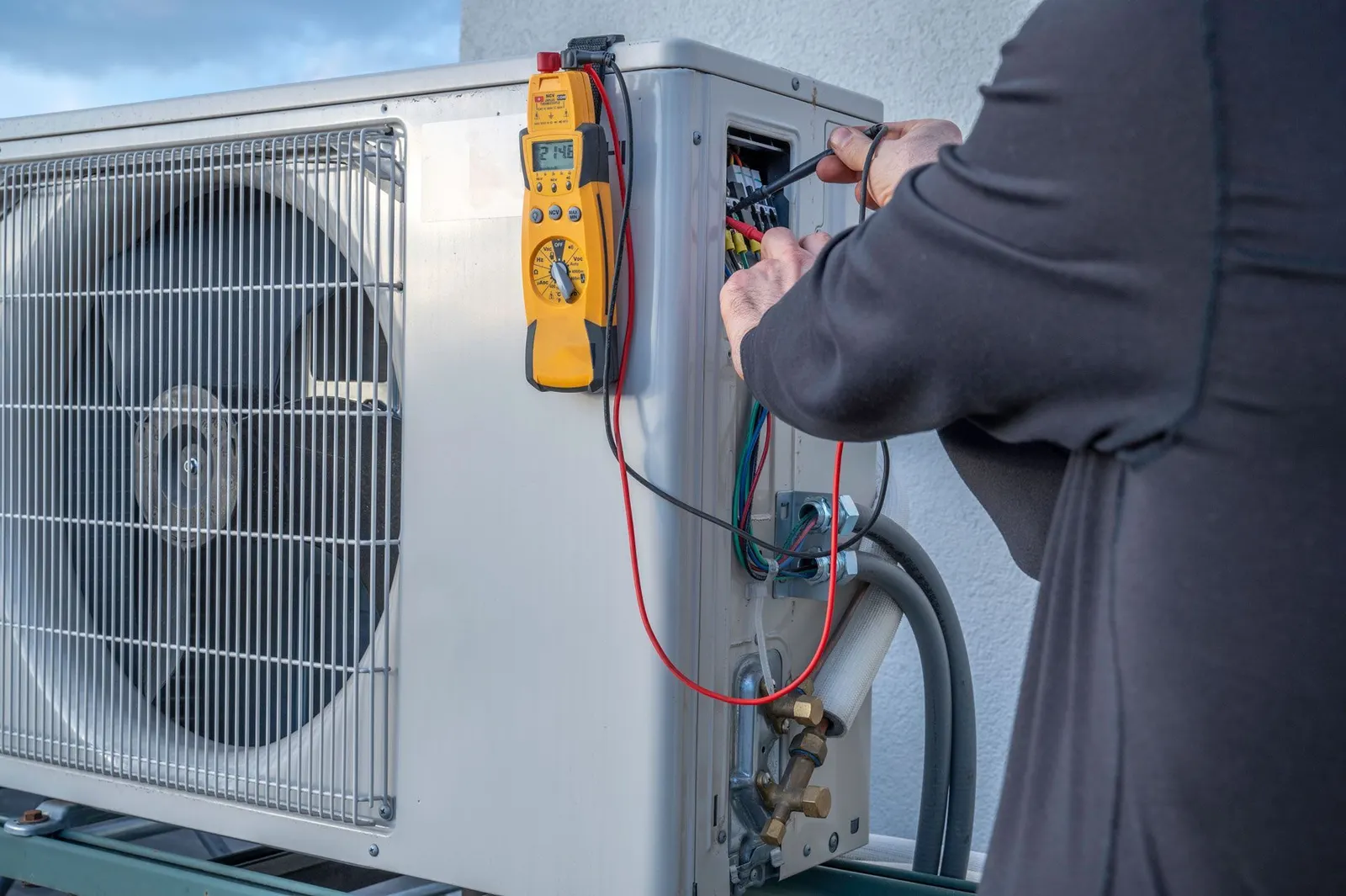
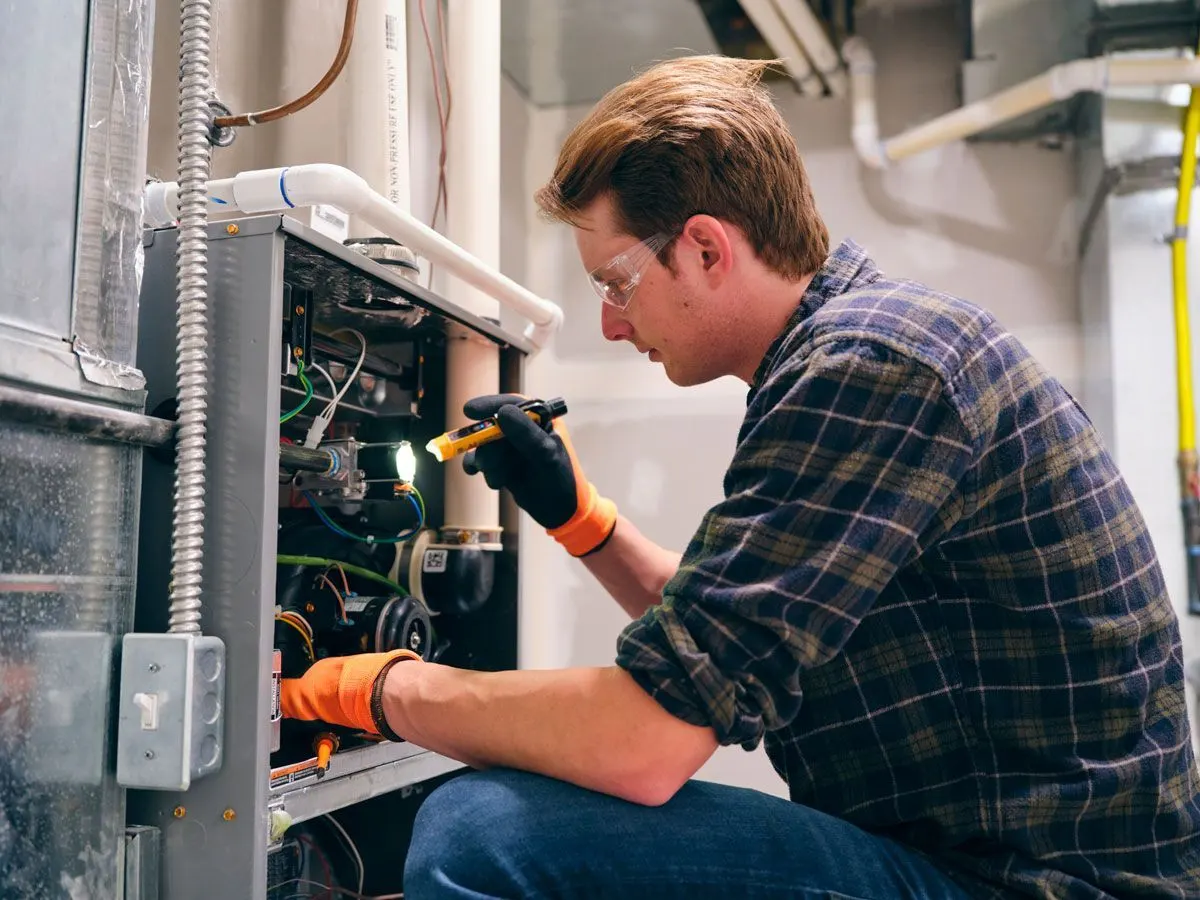
- Schedule a Professional Evaluation: While basic upkeep like changing filters is safe and necessary, opening the furnace cabinet or handling electrical components must always be left to licensed professionals. Routine AC repair service and seasonal heating tune-ups involve checking gas pressures, testing safety switches, and measuring electrical draw—tasks that require specialized tools and training.
By following these safe, proactive steps, you ensure your system has the airflow and clearance it needs to operate smoothly, reducing the daily strain that slowly chips away at its lifespan.
Frequently Asked Questions About HVAC Lifespans and Fall Troubleshooting
Why does my heater smell like burning dust when I turn it on?
Dust naturally settles on the heat exchanger and internal components during the dormant summer months when the heater is not in use. The initial heating cycle of the fall burns this accumulated dust off, creating a temporary odor. It is completely normal and should dissipate within a few hours of operation.
How do I know if my HVAC is dying?
Look for signs like frequent breakdowns requiring repeated repairs, steadily rising energy bills, and inconsistent temperatures throughout your home. You should also listen for unusual, persistent noises like grinding, squealing, or loud banging. If your system is exhibiting these symptoms and is approaching the 15-to-20-year mark, it is likely nearing the end of its life.
Is it worth fixing a 15-year-old HVAC?
You must evaluate the cost of the repair versus the cost of a completely new system. Because a 15-year-old system is near the end of its expected lifespan, sinking significant funds into a major repair like a cracked heat exchanger or a dead compressor is rarely a good investment. Consult our professional team for an honest diagnostic before investing heavily in an old unit.
How long do heat pumps last in cold climates?
Because they operate year-round to provide both heating and cooling, heat pumps generally average 10 to 15 years of reliable service. Cold climates require them to work much harder during the winter to extract heat from freezing air, making seasonal maintenance absolutely vital for maximizing their longevity.
Can dirty filters really cause premature system failure?
Yes, blocked airflow forces the system's blower motor to overwork just to push air through the house. This constant strain leads to overheating, significantly increased energy consumption, and eventual mechanical failure of the motor or the heat exchanger.
Objective Lifespan Evaluations and Pre-Winter Peace of Mind
Understanding the normal signs of a fall startup prevents unnecessary panic when the temperatures finally drop. A brief burning dust smell is just your system stretching its legs after a long summer, but persistent odors, grinding noises, and weak airflow are warning signs you should not ignore. Ultimately, consistent care and attention to airflow are the true secrets to maximizing your heating and cooling system's lifespan.
If you are unsure about your system's health, or if those startup noises simply do not sound right, do not wait for a complete breakdown on a freezing night. Seek an objective, professional evaluation from the Comfort Central Inc. team to ensure your equipment is safe, efficient, and ready to handle whatever the winter weather brings.