
Navigating the Shift to Heating: Protecting Your HVAC System's Lifespan
Mastering basic home maintenance tips and troubleshooting during the September early-fall transition is the best way to prevent early-season furnace ignition failures. You rely on your system to keep your house comfortable, but the switch from summer cooling to fall heating often brings unexpected headaches. When the weather shifts unpredictably, your equipment faces immense mechanical stress. A neglected system that worked hard all summer can easily falter just when you need it to warm up your house. The choice is clear: you can schedule proactive preparation right now, or you can risk an emergency breakdown on the first freezing night of the year.
For expert AC installation and replacement in Williamsport, our team is ready to prepare your home for the changing seasons.
The Challenge of Unpredictable Weather Shifts
During the early weeks of autumn, it is not uncommon to run your air conditioner during a warm afternoon and switch your furnace on overnight. This rapid toggling forces your HVAC system to perform double duty. The internal components do not get a chance to rest, and any lingering wear and tear from the summer months immediately impacts your heating cycle. Without proper care, the dust and debris accumulated over the summer will directly interfere with your furnace's ability to operate safely.
Setting the expectation for proactive care is the best way to extend the operational life of your equipment. Routine attention ensures that minor friction points do not escalate into complete mechanical failures. By addressing the health of your system before the cold weather sets in permanently, you protect your investment and ensure your home remains a safe, warm environment all winter long.
Average HVAC Lifespans: What to Expect from Your Equipment
Understanding how long your equipment is designed to last helps you make informed decisions about its care. When considering your air conditioning systems, longevity is directly tied to the level of maintenance the unit receives. A typical pattern we see in the Williamsport MD area is homeowners assuming their equipment will run indefinitely without professional tune-ups, which often leads to premature failure.
System Benchmarks Under Optimal Conditions
Different types of heating and cooling equipment have different life expectancies. These benchmarks assume that the system operates under optimal conditions with consistent, professional upkeep.
| System Type | Average Lifespan | Key Factor for Longevity |
|---|---|---|
| Air Conditioner | 10 to 15 Years | Regular cleaning of coils and filter replacements |
| Heat Pump | 10 to 15 Years | Bi-annual checkups (handles both heating and cooling) |
| Traditional Gas Furnace | 15 to 20 Years | Annual inspection of the heat exchanger and burners |
The reality of run-to-failure: If you adopt a "run-to-failure" approach—meaning you only call for service when the system breaks down completely—you will likely shave several years off these averages. Neglected systems work harder to produce the same amount of conditioned air, leading to accelerated wear on the blower motor and compressor.
Preserving original efficiency: It is entirely possible to maintain up to 95% of your system's original efficiency throughout its lifespan. This requires a dedicated maintenance strategy. When the internal components are clean and well-lubricated, the system draws less electricity and burns fuel more efficiently. This not only extends the life of the unit but also provides more consistent comfort throughout your home.

How the Shift from Cooling to Heating Stresses Aging Components
The transition period between seasons accelerates wear and tear on your HVAC system in ways that are not always obvious. The reality of Williamsport's humid summers followed immediately by freezing winters creates a unique stress profile for local HVAC units. This environmental whiplash demands careful attention during the September early-fall transition.
The Impact of Residual Humidity
The problem: Air conditioners do more than just cool the air; they also remove humidity. Throughout a long, muggy summer, your indoor coil extracts gallons of moisture, which drains away through a condensate line.
The cause: If this moisture does not dry out properly before the system sits idle, or if the drain line is partially clogged with algae and dust, that standing water remains inside the unit.
The solution: Excess condensation leads to rust and corrosion on sensitive metal components. A thorough inspection ensures the drain pan is dry and clear before the furnace fires up, preventing moisture from damaging the heat exchanger.
Thermal Expansion and Electrical Strain
When temperatures fluctuate wildly during the fall, the metal components inside your HVAC system are forced to expand and contract repeatedly. This constant movement strains electrical connections, potentially loosening wires that connect the thermostat to the control board.
- Strained moving parts: Bearings and belts that were weakened during the summer cooling season often snap or seize up when asked to perform under the different airflow demands of the heating cycle.
- Dual system stress: Systems that must handle residual cooling demands during the day and early heating cycles at night experience zero downtime, preventing the blower motor from cooling off properly.
- Cumulative wear: Every time a stressed component operates out of alignment, it forces other parts to compensate. This cumulative wear directly reduces overall system lifespan if left unchecked by a professional.
Understanding Early-Season Furnace Ignition Failures
One of the most frustrating experiences for any homeowner is flipping the thermostat to "heat" for the first time, only to hear the system click, hum, and then shut down. Early-season furnace ignition failures are a highly specific, common issue that plagues aging systems during the September early-fall transition.
The Mechanics of a Failure to Ignite
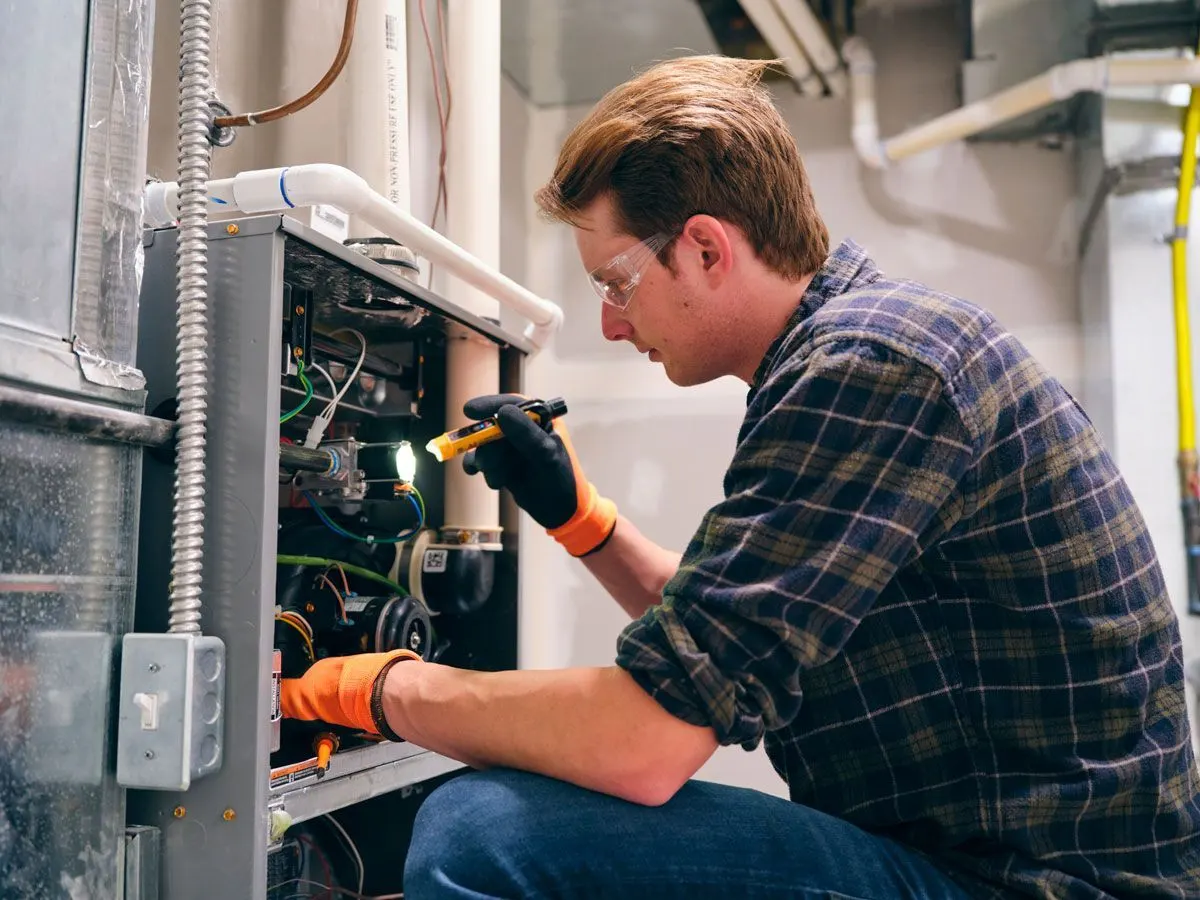
Modern furnaces use a specific sequence of operations to start safely. The thermostat signals the control board, which turns on a draft inducer motor to clear out leftover gases. Next, an ignitor begins to glow, and the gas valve opens. Finally, a flame sensor confirms that the fire is burning steadily. If any single step in this sequence fails, the control board will shut the entire system down to prevent a dangerous gas buildup.
Common culprits for ignition failure include:
- Dusty flame sensors: Over the summer, microscopic dust settles on the flame sensor. When the furnace tries to light, this dust acts as an insulator, preventing the sensor from detecting the flame.
- Compromised ignition modules: The hot surface ignitor is fragile and can crack over time, preventing it from getting hot enough to ignite the gas.
- Minor electrical faults: Loose wires or tripped limits from the summer season can interrupt the signal from the thermostat to the furnace.
Catching these issues early prevents the dreaded "no heat" morning when temperatures suddenly drop. A typical pattern we see is a homeowner waking up to a freezing house at 7 a.m. because their furnace failed to ignite overnight. In one real-world instance, a local customer faced this exact "no heat" emergency on a cold winter morning. Because they called for professional help right away, a technician arrived promptly and restored the heating quickly and affordably, avoiding a prolonged, freezing wait. An prompt, professional response to heating failures restores comfort without unnecessary panic.
Proactive Home Maintenance Tips and Troubleshooting: The Key to Maximizing System Longevity
Routine maintenance is not just a method for preventing unexpected breakdowns; it is the primary driver for extending the life of your equipment. When you invest in routine AC maintenance and tune-ups, you are actively preserving the mechanical integrity of the entire HVAC system.
Steps to Maximizing Your Equipment's Lifespan
- Cleaning critical components: Seasonal tune-ups remove the dirt that accumulates on the blower motor and heat exchanger. A clean blower motor spins freely, drawing less electricity and generating less heat, which prevents the motor from burning out prematurely.
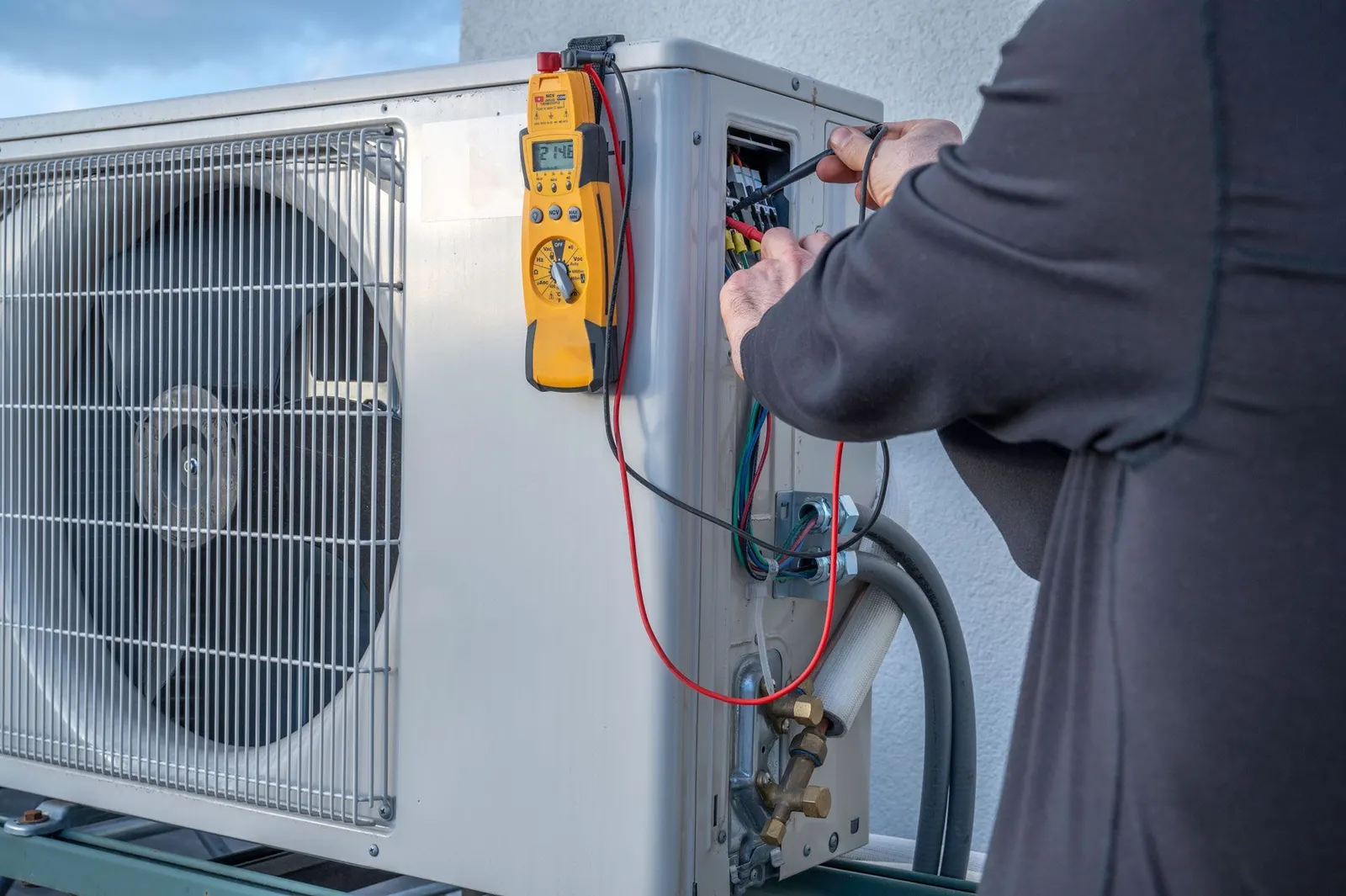
- Professional diagnostics: A trained technician uses specialized tools to measure the electrical draw of your system. This catches minor friction and wear—such as a failing capacitor or a tight bearing—before they cascade into catastrophic mechanical failures.
- Preserving indoor air quality: Your HVAC system circulates the air your family breathes. Addressing summer dust, pet dander, and debris before sealing the house tightly for winter prevents those pollutants from degrading your indoor air quality.
- Ensuring safe operation: A thorough inspection verifies that the venting system is clear and that the heat exchanger is free of dangerous cracks.
In the Williamsport MD area, our family-valued approach means we offer honest diagnostics. We focus on safe lifespan maximization rather than using tune-ups as an excuse to push premature replacements. We want to keep your current system running safely and efficiently for as long as possible, providing you with transparent options for its care.
Why Professional Troubleshooting Outperforms Risky DIY Fixes
While basic upkeep like changing your air filter is highly encouraged, diving deeper into the internal workings of your HVAC system is inherently dangerous. Modern heating and cooling equipment rely on complex electrical systems, sensitive micro-sensors, and pressurized refrigerant lines that require licensed expertise to handle safely.
The Dangers of the DIY Approach
The problem: Homeowners often attempt to diagnose a furnace that will not ignite by watching online videos, opening the cabinet, and tampering with the control board or gas valve.
The cause: The desire to save time can lead to a misunderstanding of how the sequence of operations works. Modern furnaces utilize high-voltage electricity and combustible gas. Tampering with safety switches or attempting to clean a delicate flame sensor with the wrong materials can permanently damage the equipment or create a severe fire hazard.
The solution: Rely on professional AC repair services. A licensed technician has the training to read diagnostic codes accurately, test electrical loads safely, and ensure that all safety mechanisms are functioning perfectly.
Hidden Faults in Newer Systems
Even relatively new systems can experience specific component issues that require a trained eye to diagnose quickly. For example, a typical pattern we see in the Williamsport MD area involves hidden wiring faults. One local customer recently had a three-year-old heat pump that began malfunctioning. A professional technician quickly diagnosed that a pressure switch wire was rubbing against the suction line—a highly specific, hidden issue that a DIY approach would never uncover. The technician performed the necessary repair promptly, preventing a larger failure.
Professional repair services also protect the equipment's warranty. Most manufacturers require proof of professional maintenance and repair to keep the warranty valid. Attempting risky DIY fixes can void your coverage, leaving you entirely responsible for future repair costs.
Evaluating the Turning Point: Repair vs. Replacement
Even with the best care during the September early-fall transition, every HVAC system eventually reaches the end of its safe operational lifespan. Knowing how to evaluate your equipment helps you make a logical decision rather than a panicked one during an emergency.
Signs Your System is Failing
If your older system is struggling, you will likely notice several distinct warning signs before it shuts down entirely.
- Frequent breakdowns: If you are calling for repairs multiple times a year, the system is clearly failing.
- Inconsistent temperatures: Some rooms feel like a sauna while others feel like an icebox.
- Rising energy bills: The system is running longer cycles but failing to reach the temperature set on the thermostat.
- Strange noises: Grinding, squealing, or loud banging sounds indicate significant mechanical distress.
The 50% rule for replacement: A widely accepted industry standard is the 50% rule. When the cost of a necessary repair approaches half the value of a brand-new system, replacement becomes the more sensible, long-term option. Pouring significant funds into a failing, out-of-warranty unit is rarely a good investment.
Modernizing a failing system can sometimes be offset by generally applicable energy rebates or federal tax credits for high-efficiency equipment. We advise readers to check current utility programs and consult with a tax professional to see what incentives apply to their home.
If you noticed your system struggling at the end of the summer, gaining a better understanding why your AC cools then stops cooling can help you decide if it is time to upgrade before the winter chill sets in permanently.
Take the Next Step for Reliable Comfort This Fall
Preparing your HVAC system before the harsh winter weather arrives in the Williamsport MD area is the smartest move you can make for your home. By taking action during the early autumn months, you prevent unexpected ignition failures, protect your indoor air quality, and secure the long-term health of your equipment.
A professional evaluation provides peace of mind, ensuring that your system is clean, safe, and ready to handle whatever the changing seasons bring. We encourage you to explore your options for professional care. By mastering basic home maintenance tips and troubleshooting, and partnering with licensed experts, you can ensure your system operates reliably all season long.
Frequently Asked Questions
How long should an HVAC system last?
A well-maintained air conditioner or heat pump typically lasts around 15 years, while a traditional gas furnace can last between 15 and 20 years. Reaching these benchmarks requires consistent, professional seasonal maintenance to prevent premature mechanical wear.
Why is my furnace not igniting in the fall?
Furnaces often fail to ignite in the early fall due to a dirty flame sensor, a cracked hot surface ignitor, or minor electrical faults caused by summer temperature fluctuations. Because the system has sat dormant for months, dust accumulation interferes with the sensitive safety mechanisms required to start the burners.
How can I extend the life of my HVAC system?
The most effective way to extend the life of your equipment is to schedule professional tune-ups twice a year. Keeping the blower motor clean, replacing air filters regularly, and having a technician monitor electrical connections prevents minor friction from turning into major breakdowns.
What is the most common HVAC problem during changing seasons?
The most common issue during the shift from summer to fall is a system struggling to transition from cooling to heating, often resulting in tripped limits or ignition failures. The rapid toggling between modes places immense stress on aging electrical components and moving parts.
How often should my HVAC system be serviced?
Your HVAC system should be serviced by a professional at least twice a year. You should schedule an air conditioning tune-up in the spring and a comprehensive furnace or heating inspection in the early fall before the first freeze.
Can skipping fall maintenance void my equipment warranty?
Yes, most HVAC manufacturers include clauses in their warranty terms that require proof of regular, professional maintenance. Skipping your seasonal tune-ups can void this coverage, leaving you financially responsible for any future component failures.